Blog
Allergic Eczema: Causes, Symptoms, and Effective Treatments in Malaysia

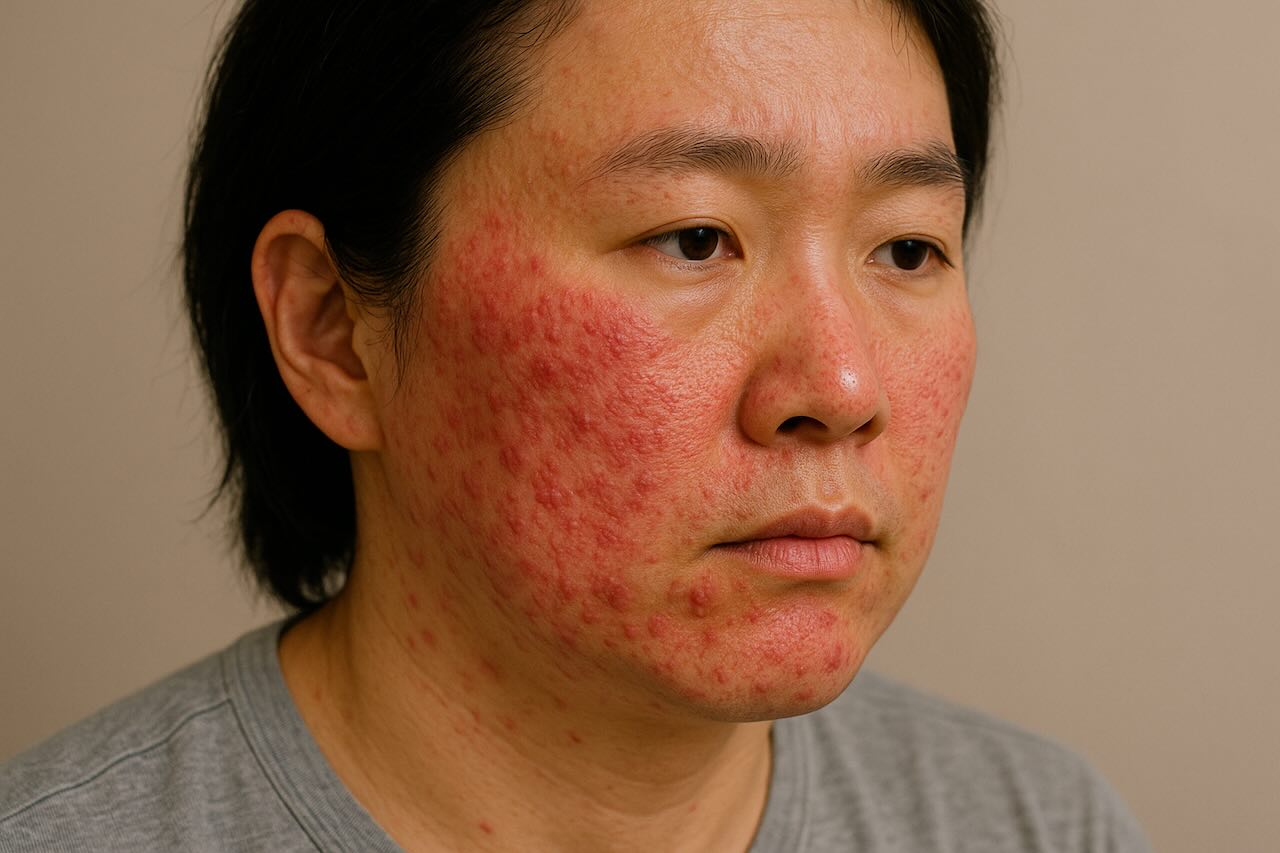
Allergic eczema, or atopic dermatitis, is a common condition causing redness, itching, and inflammation. It affects all ages but is most common in children and those with sensitive skin. Though not contagious, it can be uncomfortable and often flares up due to triggers like stress, environment, or certain products.
In Malaysia’s humid and tropical climate, eczema is becoming increasingly common due to high heat, moisture, and exposure to allergens. Understanding what triggers eczema and how to manage it effectively can help reduce flare-ups and restore skin comfort and confidence.
What Is Allergic Eczema?
Allergic eczema is an inflammatory skin condition that occurs when the immune system overreacts to certain allergens or irritants. This reaction damages the skin barrier, leading to dry patches on the skin, itching, and inflammation. Unlike regular dry skin, eczema often appears in cycles, with periods of flare-ups followed by calm phases.
If not managed properly, it can cause thickened, rough patches or even skin infections from frequent scratching. The condition commonly affects areas such as the face (especially around the eyes or mouth), elbows, knees, neck, shoulders, hands, wrists, and ankles.
Common Causes and Triggers of Allergic Eczema
Eczema flare-ups are influenced by a combination of genetic, environmental, and immune factors. Some triggers are avoidable, while others require careful management through lifestyle and skincare habits.
1. Allergens
Substances like dust mites, pet dander, pollen, and mold can trigger allergic eczema. Even certain foods such as eggs, dairy, soy, or shellfish may cause reactions in sensitive individuals. Identifying and avoiding these allergens can help reduce flare-ups significantly.
2. Harsh Skincare or Cleaning Products
Many soaps, detergents, and cosmetics contain fragrances, alcohol, and sulfates, which can irritate the skin and weaken its protective barrier. Using a pore-clogging checker before purchasing skincare or makeup helps ensure they’re non-comedogenic and safe for sensitive skin. Switching to fragrance-free products can make a noticeable difference.
3. Environmental Factors
Malaysia’s hot and humid weather can cause excessive sweating, which may trigger or worsen eczema symptoms. Sudden temperature changes or exposure to air conditioning can also dry out the skin. Maintaining balanced humidity and proper skin hydration is key in such climates.
4. Stress
Emotional stress doesn’t directly cause eczema, but it can worsen flare-ups by triggering inflammation and itching. Practicing relaxation techniques like deep breathing or meditation can help manage stress-related flare-ups.
5. Genetics and Immune Response
People with a family history of eczema, asthma, or hay fever are more likely to develop allergic eczema. Their immune system tends to overreact to harmless substances, leading to chronic inflammation. While genetics can’t be changed, early prevention and consistent care can help control symptoms effectively.
Signs and Symptoms of Allergic Eczema
Recognizing the symptoms early is essential for proper management. Common signs of allergic eczema include red, inflamed patches of skin, severe itching (especially at night), dryness, and flakiness. Some may experience small fluid-filled bumps that ooze or crust over, while chronic cases can cause thickened, rough skin.
Darkened patches or discoloration, known as post-inflammatory hyperpigmentation, may appear after healing. Eczema can look different depending on skin tone and age, but the discomfort is the same for everyone. Persistent scratching can also lead to skin infections if bacteria enter broken skin.
How to Prevent Allergic Eczema Flare-Ups
Managing eczema starts with preventing flare-ups and protecting the skin barrier. A consistent routine and small lifestyle changes can make a big difference. Here are simple, effective ways to keep symptoms under control:
- Moisturize frequently with fragrance-free, hypoallergenic creams or ointments.
- Avoid long, hot showers as they can strip the skin of natural oils.
- Use gentle, pH-balanced cleansers instead of harsh soaps.
- Wear soft, breathable fabrics like cotton to reduce irritation.
- Keep nails short to prevent skin damage from scratching.
- Manage stress through relaxation, sleep, or meditation.
- Identify and avoid allergens that trigger your eczema such as dust, certain foods, or perfumes.
Consistency is key. Regular care strengthens the skin barrier and reduces the frequency of flare-ups. Over time, this routine helps the skin stay resilient, hydrated, and less reactive to common triggers.
Professional Treatments for Allergic Eczema in Malaysia
While lifestyle changes and proper skincare are important, professional eczema treatments can help relieve symptoms and prevent recurrence. Clinics in Malaysia offer advanced medical solutions that target inflammation, repair the skin barrier, and restore comfort.
1. Topical Medications
Dermatologists often prescribe topical corticosteroids or calcineurin inhibitors to reduce inflammation and itching during flare-ups. These treatments help control symptoms quickly when used properly under medical supervision. Consistent use as directed can also prevent flare-ups from becoming more severe.
2. Moisturizing Therapy and Barrier Repair
A strong skin barrier is essential for eczema management. Medical-grade moisturizers and barrier repair creams containing ceramides, glycerin, or hyaluronic acid help restore hydration and strengthen the skin’s defense system. Regular application keeps the skin soft, resilient, and less prone to irritation.
3. Antihistamines
Antihistamines can help reduce itching, especially if the eczema is triggered by allergic reactions. They also promote better sleep by minimizing nighttime irritation. When combined with proper skincare, antihistamines can improve comfort and help prevent scratching that worsens flare-ups.
4. Light Therapy (Phototherapy)
UV light therapy is a clinically proven treatment for chronic eczema. It works by slowing down inflammation and improving skin healing. Phototherapy is often recommended for patients whose eczema doesn’t respond to topical treatments alone. Regular sessions can help maintain clearer, calmer skin over time.
5. Advanced Laser and Dual Yellow Light Therapy
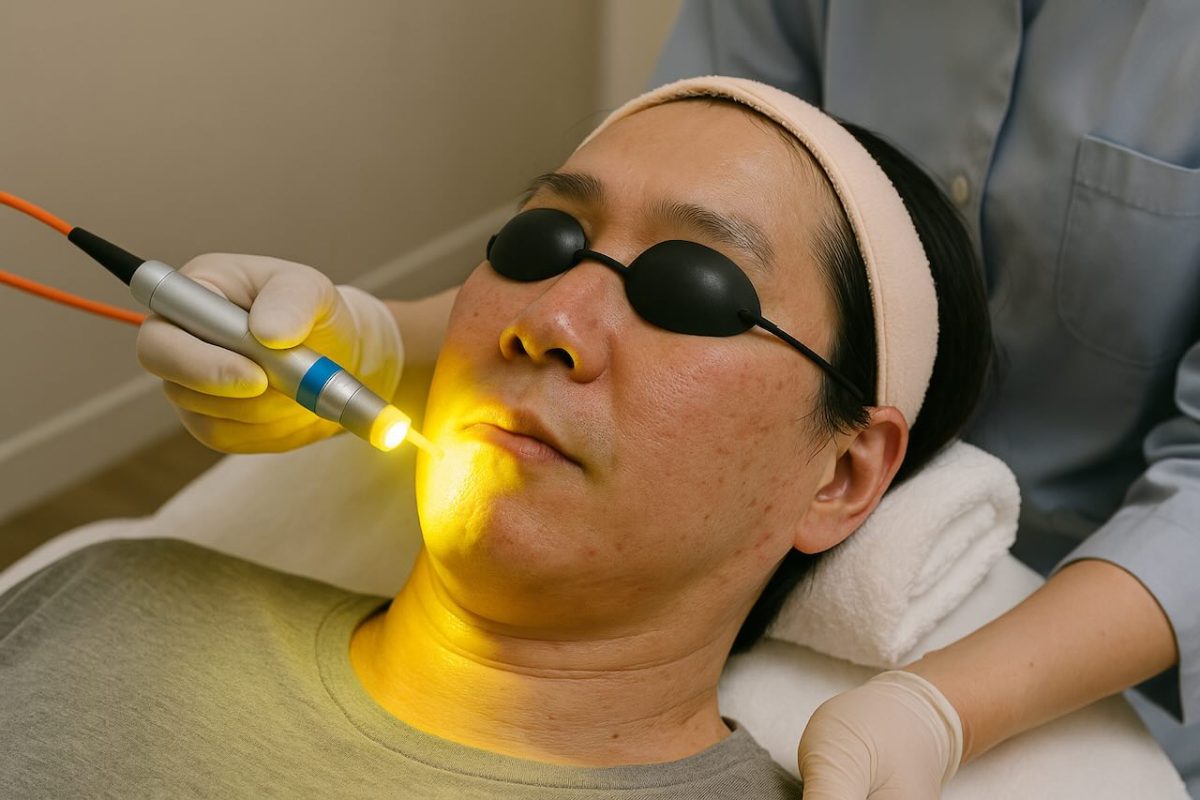
Modern laser-based eczema treatments, such as Dual Yellow Light Laser Therapy, are gaining popularity in Malaysia. This technology uses specific wavelengths of light to reduce redness, inflammation, and bacteria on the skin while stimulating natural healing. It’s non-invasive, safe for sensitive skin, and effective for long-term relief.
6. Oral Medications and Biologic Therapy
For severe cases, doctors may prescribe oral corticosteroids, antibiotics, or biologic treatments that target the immune system’s overreaction. These are usually short-term solutions to control flare-ups quickly. Proper monitoring by a healthcare professional is essential to ensure safe and effective results.
At-Home Care for Eczema-Prone Skin
In addition to professional treatment, following a consistent home routine is essential for managing allergic eczema. Daily care helps maintain hydration, reduce irritation, and prevent flare-ups from returning.
- Cleanse gently with lukewarm water and mild, fragrance-free products.
- Moisturize immediately after bathing to lock in hydration.
- Avoid scratching and apply a cold compress to relieve itching.
- Keep your home clean and dust-free, especially your bedding and curtains.
- Use a humidifier if your indoor air is dry to maintain skin moisture.
Taking preventive steps at home helps maintain results from clinical treatments and reduces flare-up frequency. It also supports long-term skin health by keeping the barrier strong and resilient.
When to See a Professional
You should see an eczema doctor if your condition becomes increasingly itchy or painful, covers large areas of your body, causes sleep disturbances or infection, or doesn’t improve with over-the-counter creams.
Seeking professional care early can help prevent complications and allow your doctor to identify specific triggers for better long-term control. An experienced eczema doctor can also recommend personalized treatments that repair the skin barrier, relieve inflammation, and reduce future flare-ups.
Soothe and Strengthen Your Skin Naturally
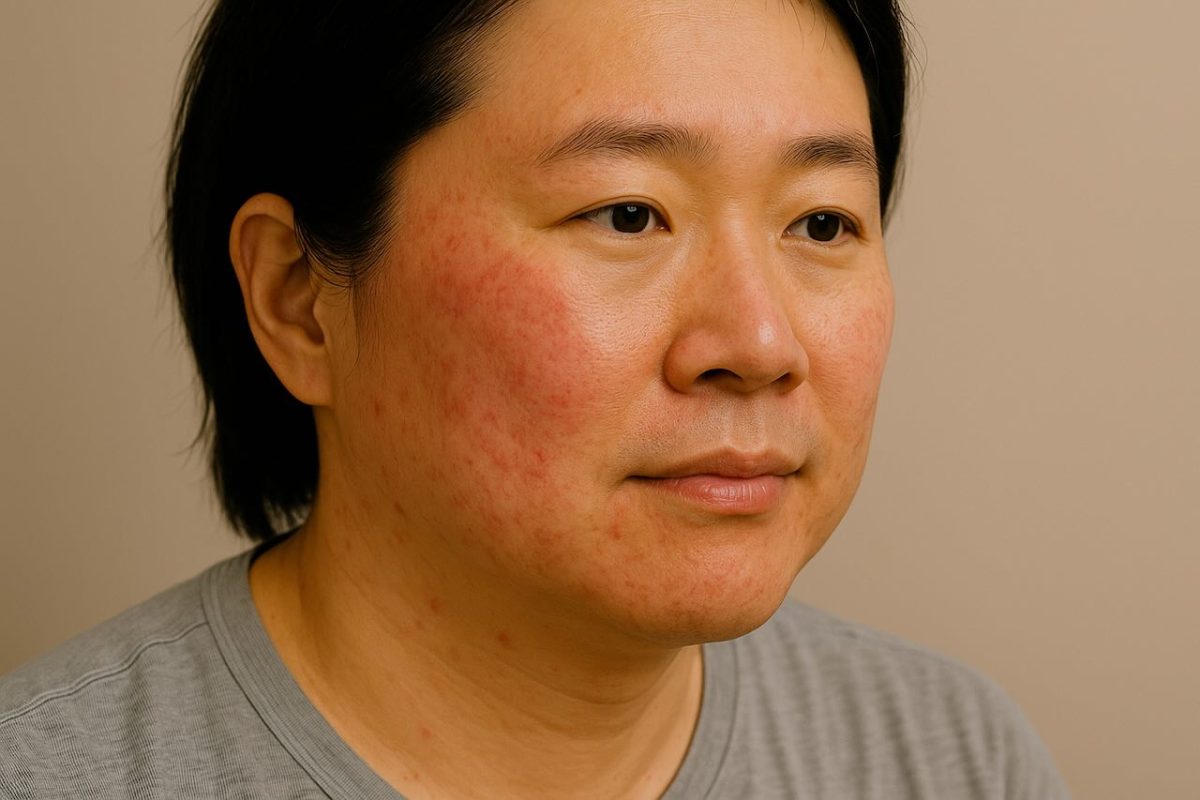
Living with allergic eczema can be challenging, but with the right care, relief is absolutely possible. Managing triggers, maintaining a consistent skincare routine, and seeking professional guidance can significantly reduce flare-ups and discomfort.
Dr. Chong Clinic offers advanced, personalized eczema treatments designed to repair the skin barrier, relieve inflammation, and restore balance. Our team of experienced aesthetic doctors uses FDA-approved technologies, medical-grade skincare, and targeted therapies to help patients achieve long-lasting comfort and healthier skin.
Don’t let eczema control your life. Contact Dr. Chong Clinic today and discover effective, customized treatments to calm irritation and rejuvenate your skin from within.
Frequently Asked Questions (FAQs)
1. What causes allergic eczema?
Allergic eczema is triggered by an overactive immune response to allergens such as dust, pollen, certain foods, or harsh skincare products. Environmental factors and genetics can also increase susceptibility.
2. Is allergic eczema contagious?
No, eczema is not contagious. It cannot be spread from one person to another. However, the condition may run in families due to genetic and immune-related factors.
3. How can I prevent eczema flare-ups?
Keep your skin moisturized, avoid known allergens, use gentle skincare products, and manage stress levels. Regular hydration and consistent care help reduce flare-ups significantly.
4. When should I see an eczema doctor?
You should consult an eczema doctor if your symptoms worsen, cover large areas of skin, cause infections, or do not improve with over-the-counter creams. Early treatment ensures better long-term results and comfort.
*All images used in this article are AI-generated.