Blog
Back Acne: Causes, Treatments, and Prevention


Back acne, or “bacne,” is more common than many people realise. It happens when hair follicles on the back become clogged with oil, dead skin cells, sweat, and bacteria, leading to pimples, blackheads, whiteheads, or even cysts. Common triggers include hormones, genetics, sweat, and friction from clothing or backpacks.
The good news is that bacne can often be controlled with simple habits like showering after workouts, wearing breathable fabrics, and using acne-fighting body washes. For more stubborn or severe cases, dermatologist-recommended treatments such as chemical peels, laser therapy, or microneedling can provide lasting results.
What is Back Acne?
Back acne is a form of acne that specifically develops on the back and shoulders, but it tends to be more stubborn than acne on the face. This is because the back has thicker skin and a higher concentration of sebaceous (oil) glands, which means clogged pores here can lead to larger and more inflamed breakouts.
Bacne can range from small blackheads and whiteheads to deep, painful cysts. While mild breakouts may only be a cosmetic concern, more severe cases can cause discomfort, limit clothing choices, and even leave permanent acne scars if left untreated.
Common Causes of Back Acne
Back acne develops for many of the same reasons as facial acne, but certain factors make the back especially vulnerable:
- Excess Oil and Dead Skin Cells: The back has many oil glands, making it prone to clogged pores.
- Sweat: Sweat combined with oil and dirt can get trapped in pores, especially under clothing.
- Friction: Tight shirts, backpacks, or sports equipment can irritate the skin and worsen acne.
- Bacteria: Naturally occurring bacteria can infect clogged pores, leading to inflammation and pus-filled breakouts.
- Hormonal Changes: Hormone fluctuations during puberty, pregnancy, or menstrual cycles can increase oil production.
- Diet: Diets high in sugar or high-glycemic foods may aggravate acne in some people.
- Stress: Stress hormones can trigger flare-ups and make acne worse.
- Genetics: If acne runs in your family, you may be more likely to develop bacne.
Back acne is often linked to acne-prone skin which is more susceptible to clogged pores, oiliness, and inflammation.
Home Remedies for Back Acne
For many people, back acne can be managed and improved with consistent skincare and small lifestyle changes. These steps may not eliminate back acne completely, but they can significantly reduce flare-ups and prevent new breakouts from forming.
Post-Workout Care
Always shower as soon as possible after workouts, outdoor activities, or hot weather. Sweat, oil, and bacteria can quickly build up on the skin and clog pores if left for too long. Use lukewarm water rather than very hot water, as heat can strip the skin of natural oils and trigger further irritation. For added benefit, choose a body wash formulated with benzoyl peroxide or salicylic acid.
Better Clothing Choices
Tight clothes trap sweat and friction against the skin, which worsens inflammation. Instead, opt for loose-fitting fabrics such as cotton or moisture-wicking sportswear that allows the skin to breathe. This is especially important during exercise or in Malaysia’s hot, humid climate. Wash your workout clothes after each use to prevent bacteria from lingering on fabrics.
Cleansing Options
Cleansers that contain active ingredients like benzoyl peroxide (to kill acne-causing bacteria) or salicylic acid (to exfoliate and unclog pores) are particularly effective for bacne. Rotate between these products depending on your skin’s sensitivity, and avoid heavily fragranced washes that may irritate the skin.
Hair Care Habits
Oily hair and hair products like conditioner can run down your back in the shower, leaving residue that clogs pores. Wash your hair regularly, and when rinsing, tilt your head forward to prevent shampoo and conditioner from streaming over your back.
Smarter Product Selection
Back acne often worsens when thick lotions, sunscreens, or body oils clog pores. Switch to non-comedogenic, oil-free products that are less likely to block follicles. If you are not sure whether a product is safe, use a pore clogging checker to confirm.
Gentle Skin Care
Dead skin cells contribute to clogged pores, so gentle exfoliation once or twice per week can help keep your back clear. Opt for a mild chemical exfoliant or a soft brush rather than harsh scrubs, which can cause microtears and worsen inflammation. Remember that less is more, as over-exfoliating can strip the skin and make bacne harder to control.
Hygiene Practices
Bedsheets and towels accumulate sweat, oil, and bacteria. Sleeping on dirty sheets or drying off with the same towel repeatedly can reintroduce bacteria to the skin. Wash bedding weekly and replace towels every few uses to maintain hygiene.
Healthy Eating and Hydration
While diet is not the sole cause of bacne, certain foods like dairy, sugar, and high-glycemic foods may worsen breakouts in some people. Aim for a balanced diet with fruits, vegetables, lean proteins, and whole grains, and drink plenty of water to support healthy skin.
Professional Treatments for Back Acne
If home remedies and over-the-counter products are not enough, professional treatments can offer more significant and longer-lasting results. These options are particularly helpful for people with moderate to severe bacne, or when acne has left scars and pigmentation behind.
Chemical Peels
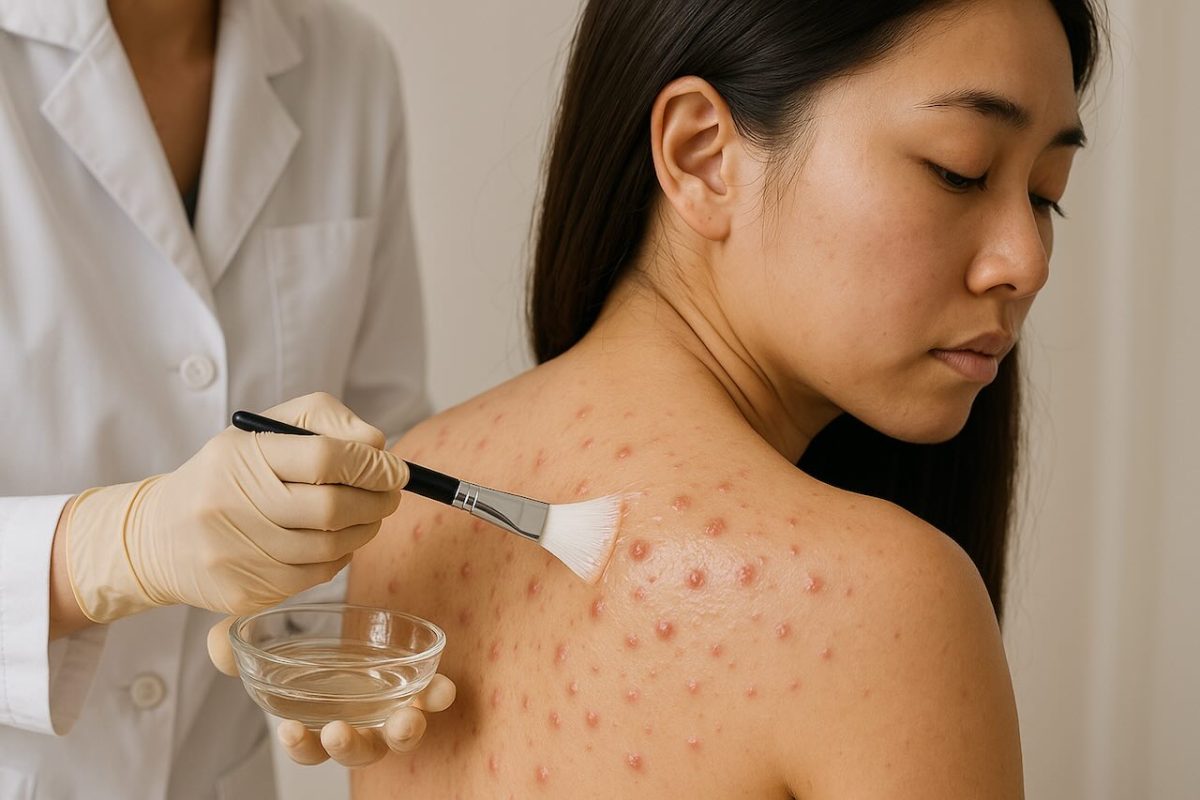
Chemical peels involve applying an exfoliating solution that helps shed the outer layer of skin, unclog pores, and reduce active acne. This treatment also encourages skin renewal, making it effective not just for breakouts but also for fading dark marks and mild scarring caused by bacne. Depending on your skin type and acne severity, your doctor may recommend light, medium, or stronger peels.
Laser Treatments
Laser therapies are popular for treating both active acne and post-acne concerns. Skin laser resurfacing can reduce inflammation, kill acne-causing bacteria, and smooth out rough or uneven texture. Targeted options such as pico laser for pigmentation may help restore a clearer and more even skin tone. Lasers also stimulate collagen production, which improves long-term skin resilience.
Microneedling
Microneedling uses fine, sterile needles to create micro-channels in the skin. This controlled process triggers the body’s natural healing response, boosting collagen and elastin production. On the back, where scars can often appear raised or indented, microneedling helps improve skin texture. When combined with serums or other advanced technologies, the results can be even more effective.
Acne Scar Treatments
For many people, the main frustration with back acne is not just the breakouts but the marks they leave behind. Dermatologists may recommend a combination of treatments such as chemical peels, laser resurfacing, and advanced devices like Pico Laser to improve scars and pigmentation.
Medications
In more persistent or severe cases, medical prescriptions may be necessary. Topical treatments such as retinoids or antibiotics can help reduce oil production and control bacteria. For widespread or cystic back acne, oral antibiotics or isotretinoin may be recommended. If hormones are identified as a major trigger, hormonal therapy might be part of the treatment plan.
How to Prevent Back Acne from Returning
Preventing back acne requires consistent care even after your skin has improved. Cleansing daily helps remove oil, sweat, and bacteria that can clog pores, while changing your bedding regularly prevents buildup that may trigger new breakouts. A balanced diet with fewer high-glycemic foods also supports clearer skin, as explained in our guide on home remedies vs professional acne treatments.
Managing stress through proper sleep, exercise, or mindfulness can reduce flare-ups, since stress hormones often worsen acne. Finally, seeking early treatment from a dermatologist ensures acne does not progress to severe stages or leave permanent scars.
Professional Help for Stubborn Back Acne
Back acne can be stubborn and frustrating, but it does not have to be permanent. With the right skincare habits, prevention strategies, and professional treatments, it is possible to restore smoother, healthier-looking skin.
With over 20 branches nationwide, experience safe and effective acne solutions tailored to your unique needs. A team that combines LCP-certified expertise, advanced technologies, and personalised treatment plans to deliver visible and lasting results. Contact Dr Chong Clinic today and take the first step toward clearer skin and long-term acne relief.
Frequently Asked Questions (FAQ)
1. Can back acne be cured permanently?
Acne cannot always be fully cured, but it can be managed with the right skincare and treatments, reducing flare-ups significantly.
2. Does diet affect back acne?
Yes. Some research suggests that diets high in sugar or dairy may worsen acne. Eating more whole foods, vegetables, and fruits supports skin health.
3. Can back acne leave scars?
Yes. Severe forms like cystic or nodular acne often leave scars. Treatments such as lasers, chemical peels, and microneedling can reduce scarring.
4. When should I see a dermatologist?
If your bacne is painful, persistent, or leaves marks, consult a dermatologist. Professional treatments provide faster, longer-lasting results.
*All images used in this article are AI-generated.