Blog
Blackheads: Causes, Prevention, and Treatment for Clearer Skin

Blackheads are one of the most common skincare concerns worldwide, yet they’re often misunderstood. Many people believe these small dark spots are simply dirt stuck in pores. The truth is more complex and has nothing to do with poor hygiene.
Let’s explore what blackheads really are, why they happen, and, most importantly, how you can treat and prevent them effectively.
What Are Blackheads?
Blackheads, medically known as open comedones, are a mild form of acne caused by a mix of natural skin processes and external factors. They appear as tiny dark spots or bumps on the skin and, despite their name, are not caused by dirt.
Instead, they develop when hair follicles, or pores, become clogged with a combination of dead skin cells and excess oil (sebum). Unlike whiteheads, which are covered by a layer of skin, blackheads remain open to the air.
This exposure causes the trapped debris to oxidise and turn dark, giving open comedones their characteristic colour. While most common on the nose, chin, and forehead, they can also appear on the back, chest, shoulders, and other areas.
Why Do Blackheads Form?
Understanding why open comedones form is the first step toward treating and preventing them effectively. Several key factors can lead to the development of these stubborn spots, each playing a role in clogging pores and triggering breakouts.
1. Excess Oil and Dead Skin Cells
When sebum, the skin’s natural oil, and dead skin cells build up, they can create a plug in the pore. This blockage prevents the normal flow of oil to the skin’s surface, leading to blackhead formation.
2. Hormonal Changes
Hormonal fluctuations play a significant role in blackhead development. Changes during puberty, menstrual cycles, pregnancy, or conditions like PCOS can increase oil production, making pores more prone to clogging.
3. Medications and Lifestyle Factors
Certain medications, such as corticosteroids and lithium, can contribute to blackheads. Lifestyle habits like high humidity, wearing tight clothing, and smoking can also worsen the condition by trapping sweat, oil, and debris against the skin.
4. Possible Dietary Links
Although research results vary, some people find that consuming high-glycaemic foods and dairy products may trigger breakouts, including open comedones. Paying attention to your diet may help identify potential personal triggers.
Preventing Blackheads
While treatment is crucial for clearing them, prevention plays a big role in reducing how often they return. Adopting the right habits can help keep your pores clear and your skin healthier overall, which include:
- Washing your face twice a day with a gentle cleanser.
- Using non-comedogenic products to avoid clogging pores.
- Avoiding picking or squeezing open comedones to prevent irritation or scarring.
- Keeping hair off your face.
- Regularly cleaning items like phones and pillowcases.
- Managing stress, as it can influence oil production.
By combining smart skincare practices with consistent treatment, you’ll be better equipped to keep blackheads under control and maintain clearer skin over time.
Effective Treatments for Blackheads
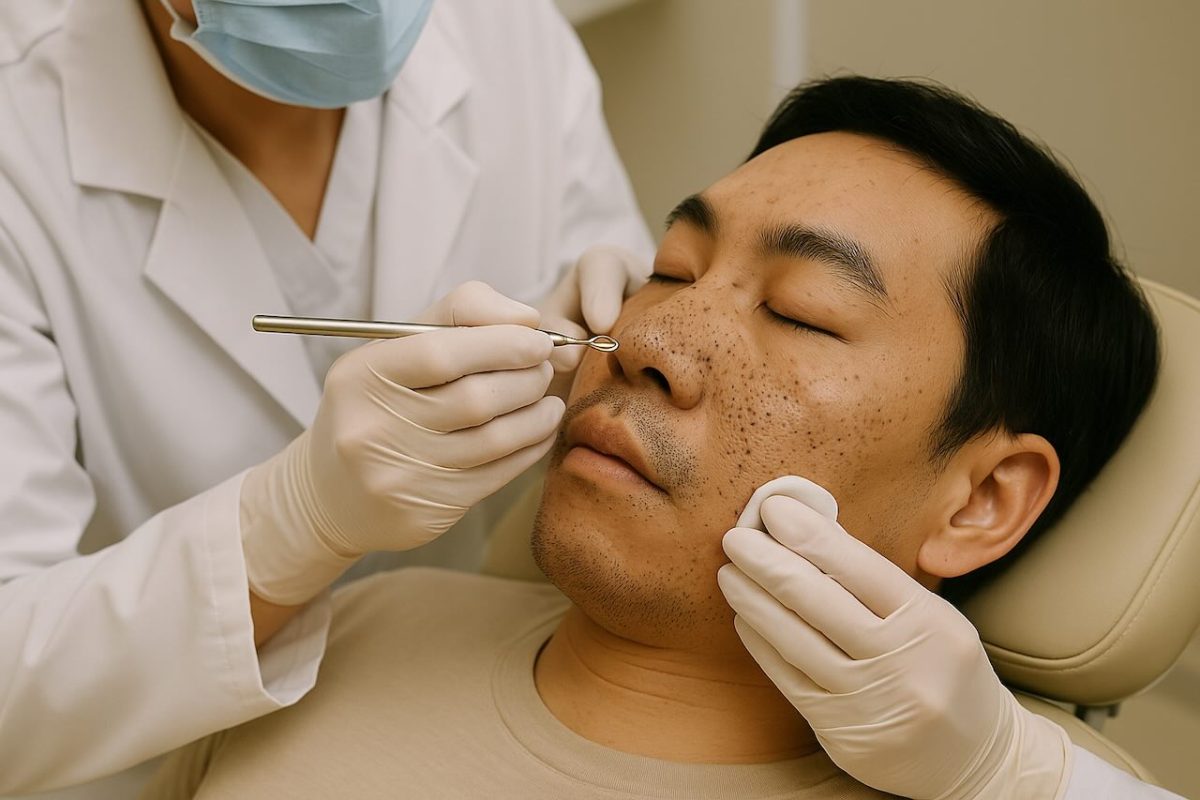
Open comedones may be stubborn, but there are many ways to treat them. From simple at-home products to professional procedures, effective solutions can help you achieve clearer skin.
Over-the-Counter Treatments
Over-the-counter options like salicylic acid, a beta hydroxy acid, penetrate oil and exfoliate inside the pores, making it one of the best first-line treatments. Retinoids such as retinol or adapalene are vitamin
A derivative that promotes faster cell turnover to help prevent clogged pores, with OTC adapalene gel being highly effective and often recommended. Benzoyl peroxide, while primarily used for inflammatory acne, may also help reduce bacteria and excess oil that contribute to clogged pores.
Additionally, clay masks containing kaolin or bentonite clay can absorb excess oil and temporarily improve the appearance of blackheads.
Prescription Medications
If over-the-counter treatments aren’t effective, dermatologists can prescribe stronger medications. Prescription-strength topical retinoids like tretinoin or tazarotene work more deeply to prevent pore blockages and improve skin texture.
Azelaic acid helps reduce blocked pores and has anti-inflammatory properties, making it useful for both acne and pigmentation issues. Topical antibiotics are less commonly used for open comedones alone but may be prescribed if inflammatory acne is also present.
Oral medications, including hormonal therapies or isotretinoin, may be considered for severe acne that involves blackheads.
Professional Treatments
For persistent cases, professional treatments can provide excellent results. Dermatologists may perform comedone extraction using a sterile tool to gently remove them, a procedure best left to professionals to avoid scarring or infection.
Chemical peels use acids like glycolic or salicylic acid to exfoliate the skin, reduce clogged pores, and improve overall skin texture while helping prevent new open comedones. Besides that, microneedling is a minimally invasive procedure that exfoliates the outer layer of skin, clearing surface congestion and enhancing smoothness.
Laser and light therapies, such as photodynamic therapy, can reduce oil production and bacteria on the skin, indirectly helping to minimise their appearance and are often combined with other treatments for more comprehensive acne management.
Break Free From Blackheads for Good
Blackheads may be persistent and frustrating, but with the right treatment plan and preventive care, they’re absolutely manageable. Whether you opt for at-home remedies or professional solutions, you’re not stuck with them forever.
If you’re struggling with stubborn blackheads, the team at Dr. Chong Clinic offers advanced treatments and personalised care to help you achieve clearer, healthier skin. Book a consultation today and take the first step toward smoother, blackhead-free skin.
Frequently Asked Questions (FAQ)
1. Are blackheads a sign of poor hygiene?
Open comedones are not caused by dirt or poor hygiene. They are a type of acne that happens when pores become clogged with oil and dead skin cells.
2. Do blackheads only appear on the face?
Blackheads commonly appear on the nose, chin, and forehead, but they can also appear on the back, chest, shoulders, and even arms.
3. Can certain foods make blackheads worse?
High-sugar or dairy-heavy diets may contribute to more blackheads, but it differs from person to person.
4. Is there a quick fix for open comedones?
Unfortunately, there is no instant solution for blackheads; however, consistent skincare and professional treatments are the most effective ways to manage and reduce their numbers over time.
*All images used in this article are AI-generated.