Blog
Blind Pimples: Causes, Treatments, and Prevention Tips (Expert Verified)


Clear, healthy skin plays a big role in how we feel about ourselves. But sometimes, skin issues like stubborn, painful pimples can shake our confidence and leave us frustrated. One common culprit behind deep, hard-to-treat breakouts is what’s known as a blind pimple.
Unlike surface-level blemishes, blind pimples develop beneath the skin, often without a visible head. Left untreated, they can linger, cause discomfort, and sometimes lead to lasting marks. The good news? With the right knowledge and care, blind pimples can be managed safely and effectively.
What are Blind Pimples
A blind pimple (cystic pimples/acne) is a type of blemish that forms deep beneath the surface of your skin. Unlike other types of pimples that typically have a visible whitehead, blackhead, or red bump on the skin’s surface, blind pimples develop under the skin and may not initially be noticeable from a distance. However, they can usually be felt as a small lump or bump if you run your finger over the affected area.
Blind pimples typically resolve within one to two weeks with appropriate treatment. However, in some cases, they can linger under the skin for several months, causing ongoing pain and irritation.
Causes of Blind Pimples
Blind pimples develop when pores, also known as hair follicles, become blocked. This blockage traps oil (sebum), dead skin cells, and bacteria beneath the skin, leading to inflammation and swelling. Common causes of pore blockage include:
- Excess sebum production: Overactive sebaceous glands or improper skin cleansing can cause oil and dead skin cells to build up under the skin.
- Bacterial growth: Bacteria trapped inside clogged pores can trigger infection and inflammation, resulting in painful blind pimples.
- Dead skin cells and hair: A buildup of dead cells and fine hair can mix with sebum, leading to pore blockages.
Factors that increase the risk of blind pimples include:
- Family history: if your parents had acne, you are more likely to experience it too.
- Hormonal changes: Fluctuations during puberty, menstruation, or pregnancy can increase oil production and breakouts.
- Medications: Certain drugs, such as corticosteroids, lithium, or testosterone, can trigger or worsen acne.
- Sweating and friction: Sweat combined with tight clothing, helmets, or hats can clog pores and aggravate blind pimples.
- Heavy skincare or makeup: Thick creams, lotions, or oily cosmetics can block pores and worsen acne.
- High stress levels: Stress raises cortisol, which can stimulate oil production and lead to breakouts.
- Poor hygiene: Infrequent cleansing allows oil, bacteria, and dead skin cells to accumulate, increasing the risk of pimples.
How to Treat Blind Pimples
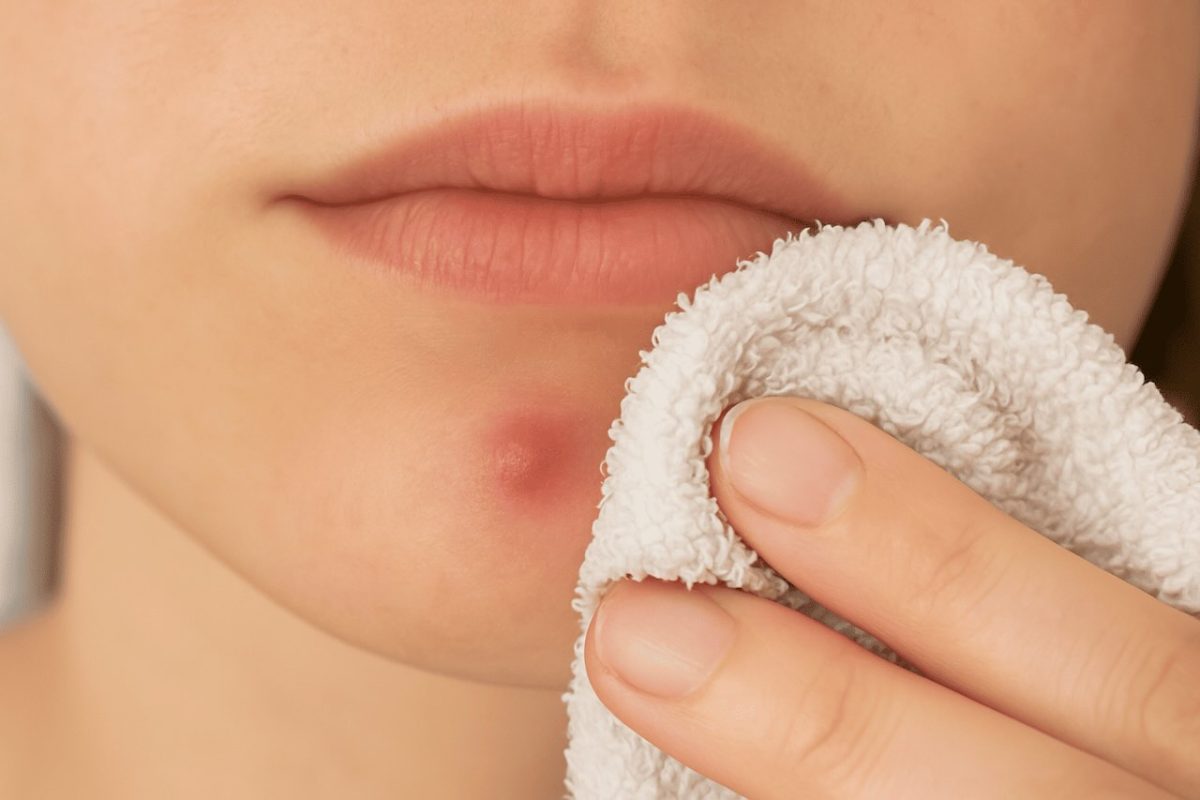
Treating blind pimples requires patience and careful management. It is crucial that you never try to ‘pop’ or squeeze a blind pimple. Attempting to do so can push oil and bacteria deeper into your skin, leading to increased inflammation, a higher risk of infection, and potentially permanent scarring.
Squeezing can also make the pimple worse and prolong its presence. If you have accidentally popped a blind pimple, clean the area with mild soap and water and leave it alone.
Learn more: Pico laser treatments
Home Remedies for Blind Pimples
For mild blind pimples, several home remedies can be effective.
1. Warm Compresses
Applying a warm, wet washcloth to the affected area for 10–15 minutes, several times a day, can help ease pain and encourage the pus to dissolve or come to the surface. The warmth can help to open pores, allowing the pimple to release its contents and heal.
2. Acne Patches/Stickers
Acne patches or stickers are small, medicated adhesive patches that you place directly onto the blind pimple. They typically contain acne-fighting ingredients like salicylic acid, which is released over several hours. They work by drawing out sebum, absorbing excess oil, and reducing inflammation and the size of the blemish.
Hydrocolloid patches are particularly beneficial for drawing out impurities and are often suitable for sensitive skin. Patches can be worn discreetly overnight or throughout the day and should be changed at least every 24 hours. They also help prevent you from picking at the area.
3. Topical Creams and Gels
Over-the-counter products containing ingredients such as benzoyl peroxide, salicylic acid, retinoids, sulfur, or alpha hydroxy acids (AHAs) can help reduce bacteria, unblock pores, dry out pimples, and alleviate inflammation.
Benzoyl peroxide effectively kills bacteria and may decrease sebum production. On the other hand, salicylic acid unblocks pores by removing dead skin cells. Furthermore, retinoids unblock pores and reduce oil, while sulfur breaks down whiteheads and blackheads, whereas AHAs exfoliate the skin.
4. Natural Remedies
Natural remedies such as raw honey possess natural antimicrobial properties that can help reduce bacteria and swelling when applied to the affected area. Tea tree oil also contains antimicrobial compounds and can reduce inflammation.
If using tea tree oil, ensure it is diluted with a carrier oil, such as olive oil, and consider a product with at least 5% tea tree oil, applied twice daily. Always perform a patch test first, as tea tree oil can cause allergic reactions in some individuals.
5. Ice Application
Applying ice can reduce pain and swelling, as well as discolouration after the pimple has drained. Wrap ice cubes in a clean cloth or plastic bag and hold it against the area for 5–10 minutes, repeating three to four times a day. It is advisable to consult a healthcare professional before using ice packs for skin conditions.
Professional Treatments Options
For more persistent, painful, or severe blind pimples, professional medical treatments may be necessary.
1. Cortisone Injections
For very painful, large, or swollen blind pimples, a dermatologist can inject a diluted cortisone solution directly into the blemish. This steroid injection rapidly decreases inflammation, swelling, and pain, often within a few days.
2. Oral Antibiotics
Moderate to severe acne, including blind pimples, may be treated with oral antibiotics such as doxycycline, sarecycline, or minocycline. These are typically prescribed when multiple blind pimples are present or if there are signs of infection.
3. Topical Antibiotics
These prescription-strength creams or gels (e.g., clindamycin, erythromycin) can help eliminate bacteria and reduce inflammation. They may be used preventively for recurring blind pimples, often in conjunction with other acne products like benzoyl peroxide.
How to Prevent Blind Pimples

While not all blind pimples can be prevented, you can significantly reduce your chances of developing them or making them worse:
- Maintain Skin Cleanliness: Wash your face with a gentle cleanser twice a day (morning and night), and after sweating.
- Use Appropriate Skincare Products: Choose makeup, lotions, and creams that are labelled as “non-comedogenic,” “non-acnegenic,” or “oil-free,” meaning they are formulated not to clog pores.
- Avoid Picking and Squeezing: As mentioned, manipulating blind pimples can worsen them and lead to complications.
- Do Not Scrub: Aggressively scrubbing your face can irritate the skin and exacerbate acne.
- Regularly Wash Fabrics: Frequently wash pillowcases and other items that come into contact with your face, as dead skin cells and bacteria can accumulate on them and block pores.
- Manage Sweat and Hygiene: Activities that cause sweating, especially when wearing hats, helmets, or tight clothing, can worsen acne. Regular showering and washing your skin prevents the buildup of oil and dirt.
- Address Stress: High stress levels can increase cortisol production, leading to more sebum and breakouts.
Learn more: Yellow and green laser treatments
When to Seek Professional Help
While you can often recognise the signs of a blind pimple on your own, it is important to consult a healthcare provider or dermatologist if the pain is severe, if you have multiple blind pimples, if they keep recurring, or if they appear infected.
Persistent underground pimples that do not resolve for months, or signs of infection such as a fever, also warrant medical attention. Recurring blind pimples can indicate a more severe type of acne that requires specialised treatment.
Learn more: Subcision treatments
Expert Blind Pimple Treatment in Malaysia
For safe, professional treatment of blind pimples, trust Dr Chong Clinic, a leading LCP-certified aesthetic and dermatology clinic in Malaysia.
- Trusted Expertise: Our experienced team provides evidence-based care for a wide range of skin concerns, including acne and blemishes.
- Personalised Solutions: We tailor treatment plans to your skin needs, helping you achieve clearer, healthier skin safely and professionally.
Book your consultation with Dr Chong Clinic today, available at over 20 branches nationwide.
Frequently Asked Questions
1. Is a blind pimple a type of cystic acne?
Yes, blind pimples are also known as cystic acne and are a form of acne that develops deep beneath the skin’s surface, often feeling like a painful lump. This type of acne is considered severe and can be stubborn to get rid of without professional intervention.
2. How do blind pimples relate to whiteheads and blackheads?
Unlike whiteheads and blackheads, which are types of comedones that form closer to the skin’s surface, a blind pimple is a closed comedo that develops deep within the skin. Some blind pimples may eventually come to the surface as whiteheads or blackheads, or a red bump with a head.
3. Can recurring blind pimples signify a more severe acne condition such as nodular acne?
Yes, if you experience multiple or recurring blind pimples, this may be a sign of a severe type of acne, specifically nodular acne, which consists of painful, hard, pus- and bacteria-filled bumps under the skin. Such cases often require assessment and targeted treatment from a dermatologist.
4. What are some prescription topical treatments for blind pimples, particularly when influenced by hormonal factors?
For blind pimples, especially when linked to hormonal changes common during puberty, menstruation, or pregnancy, topical antibiotics like clindamycin or erythromycin can be prescribed. These agents help eliminate bacteria and reduce inflammation, often used alongside other acne treatments like benzoyl peroxide.
*All images used in this article are AI-generated.