Blog
Blotchy Skin: Causes, Symptoms, and Treatments


Blotchy skin is a common skin concern that can make your complexion appear uneven and affect your overall confidence. It is not a condition in itself but a symptom that can result from many different triggers. From redness and pigmentation to dryness and irritation, blotchy skin can appear in various ways and for different reasons.
By understanding the underlying causes and symptoms, you can take targeted steps toward treatment and prevention for healthier, more even-toned skin.
What Is Blotchy Skin?
Blotchy skin refers to patches of uneven colour or tone on the skin’s surface. These areas may appear red, brown, pink, or even lighter than the surrounding skin. The discolouration can be temporary or persistent and may occur on the face, neck, chest, arms, or other exposed areas.
While blotchy skin is not usually dangerous, it can be a sign of underlying issues such as inflammation, hyperpigmentation, or skin sensitivity. Identifying the cause is essential for choosing the right treatment.
Causes of Blotchy Skin
Blotchy skin can stem from multiple sources, and in some cases, more than one factor may be contributing.
Sun Exposure
Excess UV radiation can damage skin cells, leading to solar lentigines or sunspots, hyperpigmentation, and redness. Over time, sun damage can make blotchiness more noticeable.
Skin Conditions
Conditions such as eczema, psoriasis, and rosacea can cause inflammation, redness, and scaling that lead to an uneven appearance.
Allergic Reactions
Skincare products, certain foods, or environmental allergens can cause blotchy, irritated skin, especially in individuals with acne-prone skin.
Hormonal Changes
Pregnancy, menopause, and other hormonal shifts can trigger pigmentation changes such as melasma, which can appear as blotchy brown patches.
Other Factors
Stress, aging, poor diet, dehydration, and certain medications may also contribute to blotchy skin by disrupting the skin barrier or triggering inflammation.
Symptoms of Blotchy Skin
Blotchy skin can appear in different ways depending on its underlying cause. It may present as discoloured patches, such as red, brown, or white areas that contrast with the surrounding skin, sometimes accompanied by dryness and flakiness, which are common in conditions like eczema or during colder months.
Some individuals experience itching or irritation, often linked to allergic reactions or inflammatory skin issues. In certain cases, bumps or scaling may occur, contributing to textured skin and indicating specific skin conditions. Blotchy skin can also be associated with an uneven tone, often appearing alongside dark spots or hyperpigmentation.
Treatments for Blotchy Skin
Blotchy skin can have many causes, from sun damage and pigmentation to inflammation or allergic reactions. The right treatment will depend on the underlying cause, your skin type, and the severity of the condition. A personalised approach is often most effective, combining targeted skincare with healthy habits to restore a more even tone and smoother texture.
Topical Treatments
Treating blotchy skin depends on its cause, skin type, and severity. Topical options like brightening agents such as vitamin C, niacinamide, and licorice root help fade pigmentation and even out tone, while retinoids improve texture and promote cell turnover. For blotchiness linked to inflammation or mild eczema flare-ups, hydrocortisone creams can calm redness and irritation, but should be used sparingly under professional guidance.
Professional Procedures
For blotchy skin that does not fully improve with at-home care, professional treatments can deliver more targeted results:
- Laser therapy: Devices such as Pico Laser use targeted light energy to break down excess pigment, reduce redness, and stimulate collagen production. This helps treat uneven tone, dark spots, sun damage, and lingering redness from acne or inflammation.
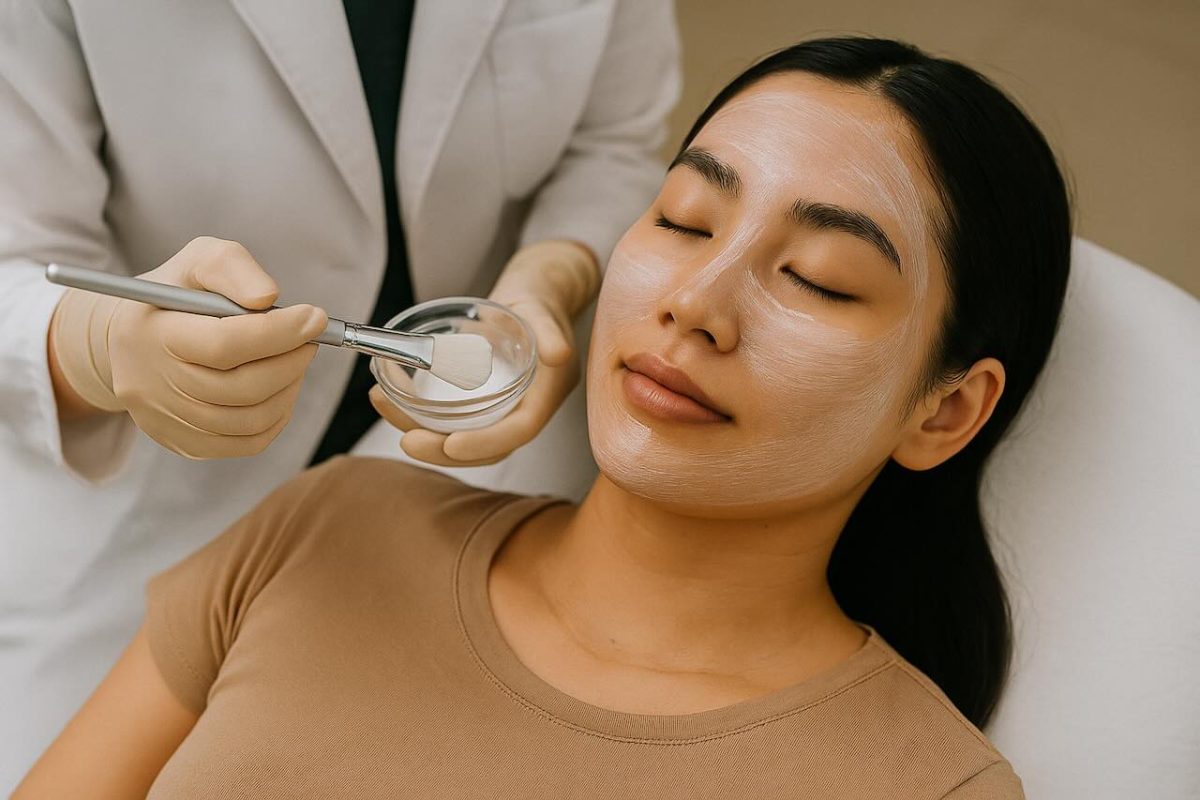
- Chemical peels: Use exfoliating acids to remove the top layers of damaged skin, revealing a smoother, more even complexion. They can fade hyperpigmentation, improve texture, and stimulate new cell growth for a brighter appearance.
- Microneedling: Creates micro-injuries in the skin with fine needles to boost collagen and elastin production. This improves texture, reduces blotchiness, and fades marks from acne scars or sun exposure.
- Hydrafacial: Combines deep cleansing, exfoliation, extraction, and hydration in one session. It removes surface impurities, infuses nourishing serums, and locks in moisture for an instantly smoother, more radiant complexion.
Lifestyle Adjustments
Daily habits play an important role in preventing and improving blotchy skin. Applying SPF 30+ sunscreen every day helps protect against UV-induced blotchiness and long-term sun damage.
A healthy diet rich in antioxidants supports skin repair and defends against environmental stress. Managing stress can also help reduce inflammation triggers that worsen uneven tone, while proper hydration keeps the skin plump, strengthens the barrier, and minimises irritation.
Prevention Tips
While not all cases of blotchy skin can be completely prevented, consistent care and healthy habits can significantly reduce flare-ups. Wearing sunscreen year-round is essential to protect against UV damage. Choosing gentle skincare products helps minimise irritation, while avoiding excessive exfoliation preserves the skin’s natural barrier.
Maintaining a regular skincare routine with moisturisers that contain ceramides or hyaluronic acid keeps the skin hydrated. Staying well-hydrated and following a balanced diet rich in antioxidants further supports skin repair, promotes an even tone, and helps maintain a healthy glow over time.
When to Seek Medical Advice
Persistent or worsening blotchy skin should be evaluated by a dermatologist, especially if it is accompanied by severe or concerning symptoms. Seek medical advice promptly if you notice a rapidly spreading rash, develop breathing difficulties, or experience fever, blistering, or intense discomfort.
Warning signs such as pus, severe swelling, or other indicators of infection also require immediate attention. These symptoms may point to underlying conditions that need professional care and cannot be safely treated with over-the-counter products.
A dermatologist can provide an accurate diagnosis, determine the root cause, and recommend the most effective treatment plan, helping you avoid unnecessary irritation or complications.
Achieve Clear, Even-Toned Skin
Blotchy skin can be improved with the right combination of consistent care, healthy habits, and targeted treatments. Whether caused by sun damage, pigmentation, or skin conditions, addressing the root factors and following a personalised approach can help restore a smoother, more balanced complexion.
Schedule a consultation with Dr Chong Clinic today, one of Malaysia’s largest LCP-certified aesthetic and dermatology teams since 2012, you can access advanced solutions such as Pico Laser and customised skin plans. With over 20 branches nationwide and an experienced team, every treatment is tailored to your skin’s needs.
Frequently Asked Questions (FAQ) About Blotchy Skin
1. Can blotchy skin go away on its own?
Yes, if caused by temporary factors like mild irritation or weather changes. Chronic conditions may require treatment.
2. Is blotchy skin the same as hyperpigmentation?
Not exactly. Hyperpigmentation refers to darkened patches, while blotchy skin can include redness, light spots, or uneven tone.
3. What is the fastest way to improve blotchy skin?
Professional treatments like Pico Laser or chemical peels can deliver faster results compared to at-home care.
4. Does diet affect blotchy skin?
Yes. A diet rich in antioxidants, healthy fats, and hydration supports a more even complexion.
*All images used in this are AI-generated.