Blog
Botox vs. Fillers: Which is Better for Wrinkles?

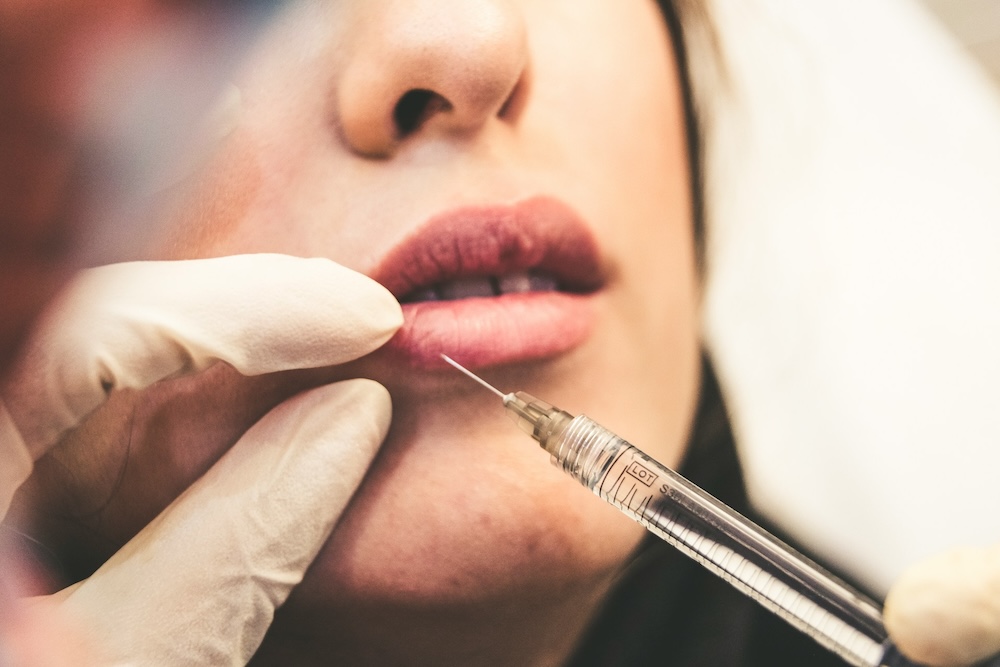
Botox and dermal fillers are two of the most popular non-surgical treatments for reducing wrinkles and restoring a youthful appearance. While both address signs of ageing, they work in different ways and are suited to different types of wrinkles. Understanding these differences can help individuals make an informed decision about which treatment is best for them.
Botox vs. Fillers: Which is Better for Wrinkles?
Botox works by relaxing targeted facial muscles, making it especially effective for treating dynamic wrinkles—the lines that appear from repeated expressions like frowning, squinting, or smiling. Derived from botulinum toxin, Botox temporarily blocks nerve signals to specific muscles, thereby preventing them from contracting. This not only softens existing expression lines such as crow’s feet and forehead lines, but also helps prevent new wrinkles from forming by limiting muscle movement over time.
Dermal fillers, on the other hand, are designed to restore lost volume in areas affected by ageing, weight loss, or natural facial sagging. They use substances like hyaluronic acid or collagen-based compounds to plump up the skin, smooth out static wrinkles, and fill deep-set creases—especially around the nose, mouth, and under-eye hollows. Fillers provide immediate visible results, making them a preferred option for those wanting instant rejuvenation.
Botox: Primarily Targeting Dynamic Wrinkles Caused by Muscle Movement
Botox is ideal for treating dynamic wrinkles, which form due to repeated facial expressions. It works by temporarily relaxing the muscles responsible for wrinkles, preventing them from deepening over time. Botox is commonly used for:
- Forehead lines that appear when raising the eyebrows.
- Frown lines between the eyebrows, also called glabellar lines.
- Crow’s feet, the fine lines around the outer corners of the eyes.
- Additional areas such as the jawline, chin, and lips can also be treated to refine facial contours.
Dermal Fillers: Addressing Static Wrinkles and Volume Loss
Dermal fillers are best suited for static wrinkles and volume loss in the face. Unlike Botox, fillers physically add volume to the skin, filling in deep lines and restoring lost facial contours. They are frequently used for:
- Nasolabial folds, the lines that run from the nose to the mouth.
- Marionette lines, which extend from the mouth to the chin.
- Cheek augmentation, restoring youthful fullness to sunken areas.
- Lip enhancement, improving shape and volume for a more defined look.
- Jawline and chin sculpting to enhance facial proportions.
Matching the Treatment to the Type of Wrinkle
Dynamic wrinkles caused by facial movement respond best to Botox, while fillers are more effective for static wrinkles and facial volume loss. In some cases, a combination of both treatments may be recommended for optimal facial rejuvenation.
Safety Profiles and Potential Side Effects of Botox and Fillers
Both treatments are generally safe when performed by a qualified provider, but each carries potential side effects. Botox may cause temporary redness, bruising, or mild headache, while fillers can result in swelling, lumps, or, in rare cases, vascular occlusion. Choosing a skilled practitioner minimises risks and ensures natural-looking results.

Longevity of Results and the Need for Maintenance Treatments
Botox results typically last 3-6 months, while dermal fillers can last from 6 months to 2 years. Regular maintenance treatments are required to sustain the desired effects. The longevity of fillers depends on the formulation and the treatment area.
Choosing the Right Treatment for Your Needs
Botox and fillers offer distinct benefits for wrinkle reduction, and the best option depends on individual skin concerns. Consulting a qualified provider can help determine whether Botox, fillers, or a combination of both is the most suitable treatment. For expert Botox and filler treatments in Malaysia, visit Dr. Chong Clinic to schedule a consultation today.
Frequently Asked Questions
1. Can Botox and fillers be used together?
Yes, Botox and fillers can be combined for comprehensive facial rejuvenation. While Botox smooths dynamic wrinkles caused by muscle movement, fillers add volume to areas that have lost collagen and elasticity. Many patients find that a combination approach provides the most natural and youthful results.
2. Which treatment is more painful, Botox or fillers?
Both Botox and fillers involve minor discomfort, but pain levels are generally low. Botox injections feel like a small pinch, whereas fillers may cause slight pressure during injection. Most treatments include numbing agents to enhance comfort, and any post-procedure swelling or tenderness typically subsides within a few days.
3. Are results from Botox and fillers noticeable immediately?
Botox results take a few days to appear, with full effects visible within two weeks. Fillers, on the other hand, provide immediate volume enhancement. However, some initial swelling or minor bruising may be present for a short period before settling into the final look.
4. How do I choose the right practitioner for Botox or filler injections?
Selecting a skilled and experienced practitioner is crucial for achieving natural-looking results and minimising risks. Look for a provider who is board-certified, has extensive experience in aesthetic treatments, and takes the time to assess your facial anatomy and goals before proceeding with treatment.