Blog
Breakouts: Causes, Prevention, and Effective Treatments

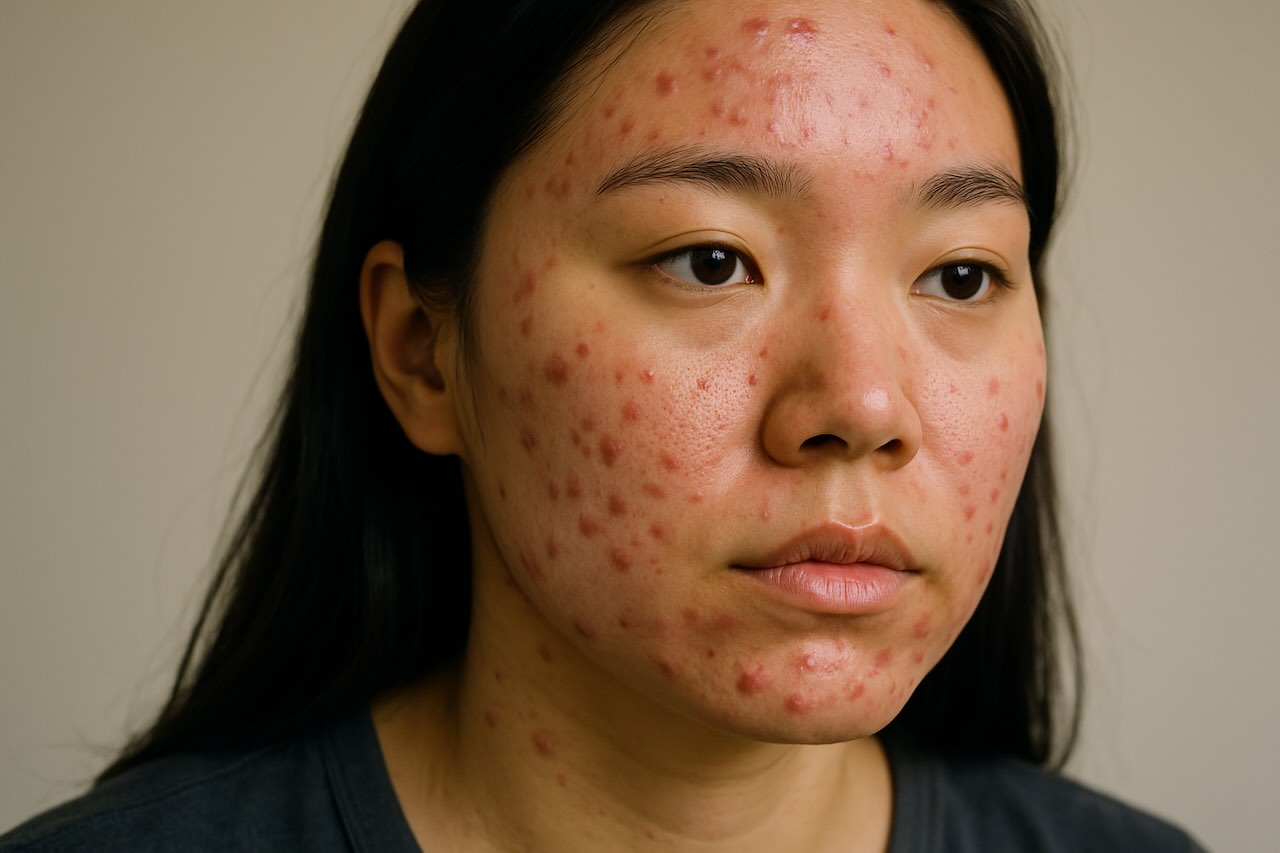
Almost everyone experiences breakouts at some point in life. Whether they appear as blackheads, whiteheads, or painful cystic acne, breakouts can affect not only your skin but also your confidence. While they’re often associated with teenagers, adults in their 20s, 30s, and beyond can also struggle with persistent acne.
Understanding what causes breakouts and how to manage them effectively is key to achieving clear, healthy skin. In this article, we’ll explore the main triggers of acne, how to prevent future flare-ups, and the most effective breakout treatments in Malaysia.
What Are Breakouts?
A breakout occurs when the pores become clogged with excess sebum (oil), dead skin cells, or bacteria. This buildup leads to inflammation and the formation of pimples or acne lesions. Depending on the severity, breakouts can appear as:
- Blackheads: Open pores clogged with oil and debris that oxidize and turn dark.
- Whiteheads: Closed pores filled with trapped sebum and bacteria.
- Papules: Small, inflamed bumps without visible pus.
- Pustules: Pimples filled with pus and often surrounded by redness.
- Cystic acne: Large, painful lumps under the skin caused by deep inflammation.
Common Causes of Breakouts
Breakouts are often the result of multiple factors rather than a single cause. Understanding these triggers can help you address them more effectively.
1. Excess Oil Production
Overactive sebaceous glands can produce too much oil, especially in humid climates like Malaysia. This excess oil clogs pores and creates an environment where bacteria thrive. When left unmanaged, it can lead to frequent breakouts, blackheads, and a greasy appearance, making the skin more prone to irritation.
2. Hormonal Imbalances
Hormonal fluctuations during puberty, menstruation, pregnancy, or stress can trigger breakouts. High levels of androgens (male hormones present in both men and women) stimulate oil production, which can lead to hormonal acne.
3. Bacteria and Inflammation
The bacteria Cutibacterium acnes (formerly Propionibacterium acnes) contribute to inflammation when trapped inside blocked pores. This leads to redness, swelling, and painful breakouts. Over time, repeated bacterial buildup can also damage surrounding tissue, increasing the risk of acne scars and pigmented marks.
4. Clogged Pores
Improper cleansing, heavy makeup, or skincare products that are not non-comedogenic can block pores. Using a pore-clogging checker can help you identify safe products for acne-prone skin. Always remove makeup before bed to prevent buildup and irritation.
5. Diet and Lifestyle
Diets high in sugar, dairy, and processed foods may worsen breakouts. Lack of sleep, dehydration, and high stress levels can also trigger hormonal changes that promote acne formation. Maintaining a balanced diet and managing stress are essential for keeping your skin clear and healthy.
6. Environmental Factors
Pollution, humidity, and sweat can cause dirt and bacteria to accumulate on the skin, increasing the risk of clogged pores and breakouts. Regular cleansing and protective skincare can help minimize these effects and keep the skin fresh throughout the day.
How to Prevent Breakouts
Preventing breakouts involves consistency and adopting habits that keep your skin clean and balanced. Here are some effective prevention strategies:
- Cleanse twice daily with a gentle, sulfate-free cleanser to remove oil, dirt, and impurities.
- Avoid touching your face frequently, as hands can transfer bacteria and oils.
- Exfoliate regularly with mild exfoliants containing salicylic acid or lactic acid to unclog pores.
- Use non-comedogenic products that won’t block pores.
- Stay hydrated to maintain balanced oil production.
- Manage stress through exercise, meditation, or proper rest.
- Get adequate sleep to allow skin repair and renewal.
- Avoid over-cleansing or harsh scrubs, which can irritate and over-dry the skin, causing rebound oil production and oily skin.
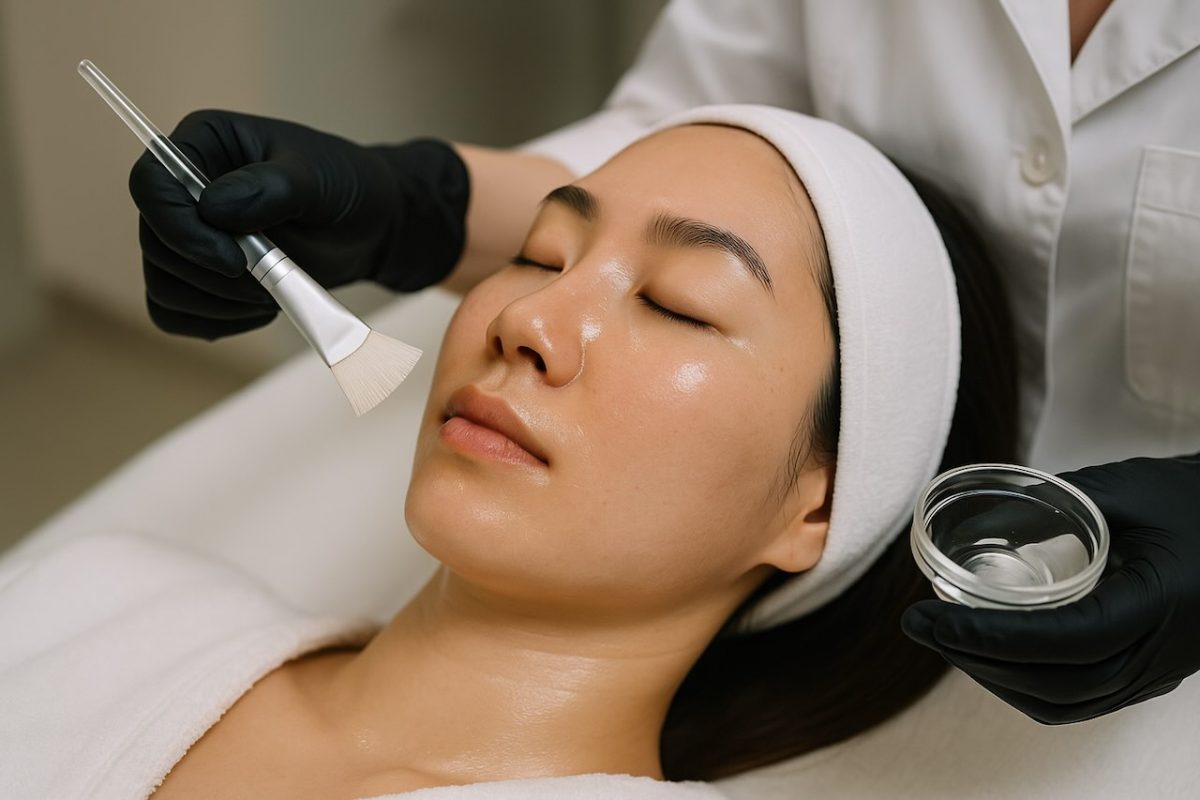
Effective Breakout Treatments in Malaysia
While mild acne can be managed with over-the-counter products, more persistent breakouts often require professional treatments. Here are some of the most effective clinical solutions available in Malaysia:
1. Chemical Peels
Chemical peels help unclog pores and remove dead skin cells using medical-grade exfoliating acids such as salicylic, glycolic, or lactic acid. This treatment helps reduce acne, smooth rough skin, and minimize post-acne marks. Regular sessions can improve skin clarity and prevent new breakouts by regulating oil production.
2. Laser Acne Treatment
Laser treatments target acne-causing bacteria, reduce inflammation, and shrink overactive oil glands. Procedures like Pico Laser or Dual Yellow Light Laser Therapy are popular for treating active acne and acne scars while improving overall skin tone and texture. These treatments are non-invasive and suitable for various skin types, offering long-term improvements in skin clarity.
3. LED Light Therapy
LED Light Therapy uses specific wavelengths of light to treat acne safely and painlessly. Blue light kills acne-causing bacteria, while red light reduces inflammation and promotes healing. It’s an ideal option for individuals with sensitive skin or those looking for a gentle yet effective treatment to complement other acne therapies.
4. HydraFacial for Acne-Prone Skin
The HydraFacial combines cleansing, exfoliation, extraction, and hydration in one session. It removes dirt, oil, and impurities while infusing the skin with antioxidants and peptides. This treatment is excellent for minimizing pore congestion, controlling sebum, and maintaining smoother, clearer skin without downtime.
5. Topical and Oral Medications
Dermatologists may prescribe topical retinoids, benzoyl peroxide, or antibiotics to control inflammation and bacteria. For hormonal acne, oral medications like birth control pills or anti-androgen drugs may also be recommended. Consistency is key when using these treatments, as results may take several weeks to become visible.
Post-Breakout Care and Acne Marks
After breakouts heal, many people experience post-inflammatory hyperpigmentation (PIH) or acne scars that can linger after blemishes fade. These marks can be treated effectively with advanced solutions such as laser resurfacing (like Pico Laser), microneedling with PRP (Platelet-Rich Plasma), and chemical peels that target pigmentation and promote renewal.
Additionally, brightening serums containing ingredients like niacinamide or vitamin C can help lighten dark spots and even out skin tone over time. It’s also important to avoid picking or squeezing pimples, as this can worsen inflammation, increase the risk of scarring, and slow down the healing process.
At-Home Tips for Managing Breakouts
You can also support your skin between professional treatments by following a simple, consistent skincare routine that keeps it clear and balanced. Cleanse gently with a mild, pH-balanced cleanser to remove dirt and oil without stripping the skin. Moisturize daily using a lightweight, oil-free formula to prevent dryness and maintain hydration.
Use spot treatments with salicylic acid, benzoyl peroxide, or tea tree oil to target blemishes. Apply sunscreen daily to protect healing skin and prevent dark spots. Check products with a pore-clogging checker to ensure they’re non-comedogenic, and remove makeup thoroughly before bed. This routine helps control breakouts and supports long-term skin health.
When to See a Professional
If your breakouts are persistent, painful, or leaving scars, it’s best to consult a qualified aesthetic doctor or dermatologist. Professional assessment helps identify the root cause, whether hormonal, bacterial, or environmental, and ensures you receive the most effective treatment plan for your skin type.
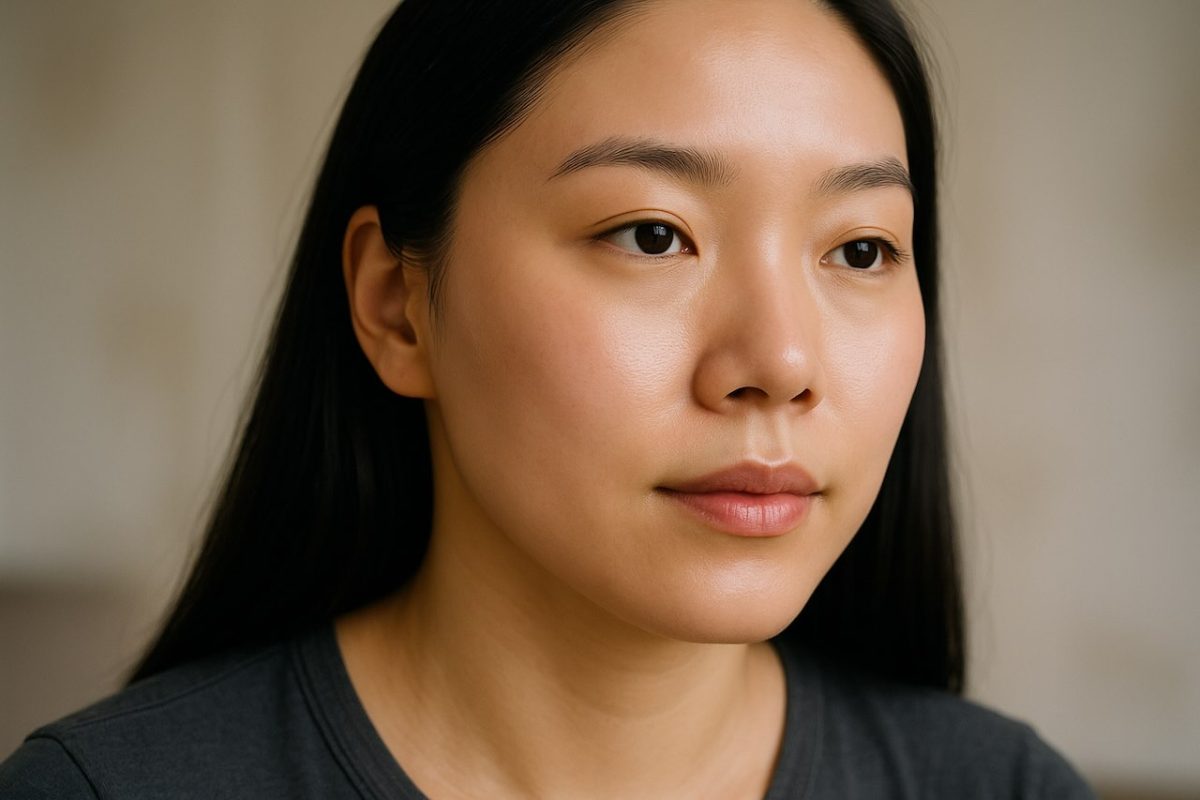
Transform Breakouts into Radiant Confidence
Breakouts can be frustrating, but they are not impossible to treat. By understanding your skin’s triggers and combining professional treatments with consistent at-home care, you can restore clarity and confidence to your complexion. Whether you are dealing with chronic breakouts, effective professional solutions can help you achieve smoother, blemish-free skin.
Dr. Chong Clinic is one of Malaysia’s top aesthetic clinics, known for personalized care and proven results. Our doctors use FDA-approved technologies, medical-grade products, and customized treatment plans for your unique skin needs. From acne management to scar reduction and skin renewal, each treatment delivers safe, visible, lasting results.
Take control of your skin today. Book your consultation at Dr. Chong Clinic and experience advanced acne treatments that help you achieve clear, healthy, and confident skin that truly glows from within.
Frequently Asked Questions (FAQs)
1. What causes frequent breakouts?
Breakouts occur when pores become clogged with oil, dead skin cells, or bacteria. Common triggers include hormonal changes, stress, humidity, and using comedogenic skincare products. Identifying these factors early helps prevent recurring acne.
2. How can I prevent acne breakouts naturally?
Maintain a consistent skincare routine by cleansing twice daily, using non-comedogenic products, and exfoliating gently. Eating a balanced diet, staying hydrated, and managing stress are also important for keeping your skin clear.
3. What are the best treatments for acne in Malaysia?
Popular acne treatments in Malaysia include chemical peels, Pico Laser, Dual Yellow Light Laser Therapy, and HydraFacial. These treatments target bacteria, control oil, and promote smoother, clearer skin with minimal downtime.
4. When should I see a dermatologist for acne?
You should consult a skin doctor if your breakouts are severe, painful, or causing scars. A professional can determine the root cause, whether hormonal, bacterial, or environmental, and recommend the most effective treatment plan.
*All images used in this article are AI-generated.