Blog
Chlamydia: Causes, Symptoms, Diagnosis, Treatment, and Prevention


Chlamydia is one of the most common sexually transmitted infections worldwide. It often spreads silently because many people have mild or no symptoms. Although easily treatable, untreated chlamydia can lead to serious complications such as infertility, chronic pelvic pain, and a higher risk of contracting other sexually transmitted infections (STIs).
Understanding how chlamydia spreads, presents, and is treated helps protect your sexual health. It affects both men and women and is especially common in young adults. Because symptoms are often absent, regular STI screening is key for early detection. With prompt treatment, chlamydia is fully curable, making early diagnosis crucial.
What Causes Chlamydia?
Chlamydia is caused by Chlamydia trachomatis, a bacterium that infects the reproductive tract. It spreads through vaginal, anal, or oral sex with an infected partner and can also affect the throat or rectum. Because symptoms are often mild or unnoticed, many people do not realise they are infected and may pass it to others unknowingly.
Chlamydia can also be transmitted from mother to baby during childbirth. This can cause pneumonia or severe eye infections in newborns, which is why regular prenatal screening is recommended. Early detection helps protect both mother and child from complications.
How Chlamydia Spreads
Chlamydia spreads through direct contact with infected genital fluids. The infection can be passed during sexual activity, even if symptoms are not present. The infection can be passed during:
- Vaginal sex
- Anal sex
- Oral sex
- Sharing sex toys that are not cleaned or covered
- Contact with infected genital secretions
Chlamydia does not spread through casual contact such as hugging, sharing dishes, using toilets, or touching surfaces. Because chlamydia often presents no symptoms, regular testing is crucial, especially for people with new or multiple sexual partners.
Symptoms of Chlamydia
Chlamydia is known as a silent infection because many individuals carry it without any obvious symptoms. When symptoms do appear, they may develop weeks after exposure and are often mild.
Chlamydia Symptoms in Women
Women may experience painful urination, abnormal vaginal discharge, pelvic pain, bleeding between periods, pain during intercourse, or rectal discomfort or discharge if the rectum is infected. If left untreated, chlamydia can spread to the uterus and fallopian tubes, leading to pelvic inflammatory disease (PID), which causes chronic pain and infertility.
Chlamydia Symptoms in Men
Men may notice painful or burning urination, watery or cloudy discharge from the penis, or testicular pain and swelling. If the rectum is infected, they may also experience rectal discharge or pain. When left untreated, chlamydia can lead to epididymitis, a painful inflammation near the testicles that may cause fertility issues or chronic discomfort.
Chlamydia in the Throat and Rectum
Chlamydia can also infect the throat or rectum through oral or anal sex. Symptoms may include a sore throat, rectal discharge, rectal pain or itching, and occasional bleeding during bowel movements. These signs can easily be mistaken for common irritation or unrelated infections, which is why proper testing is essential for accurate diagnosis.
Chlamydia in Newborns
Newborns can contract chlamydia during childbirth if the mother is infected. They may develop serious eye infections or pneumonia within the first few weeks of life. Because many women have no symptoms, routine prenatal STI screening is essential to protect both mother and baby. Early treatment helps prevent long-term complications in affected infants.

How Chlamydia Is Diagnosed
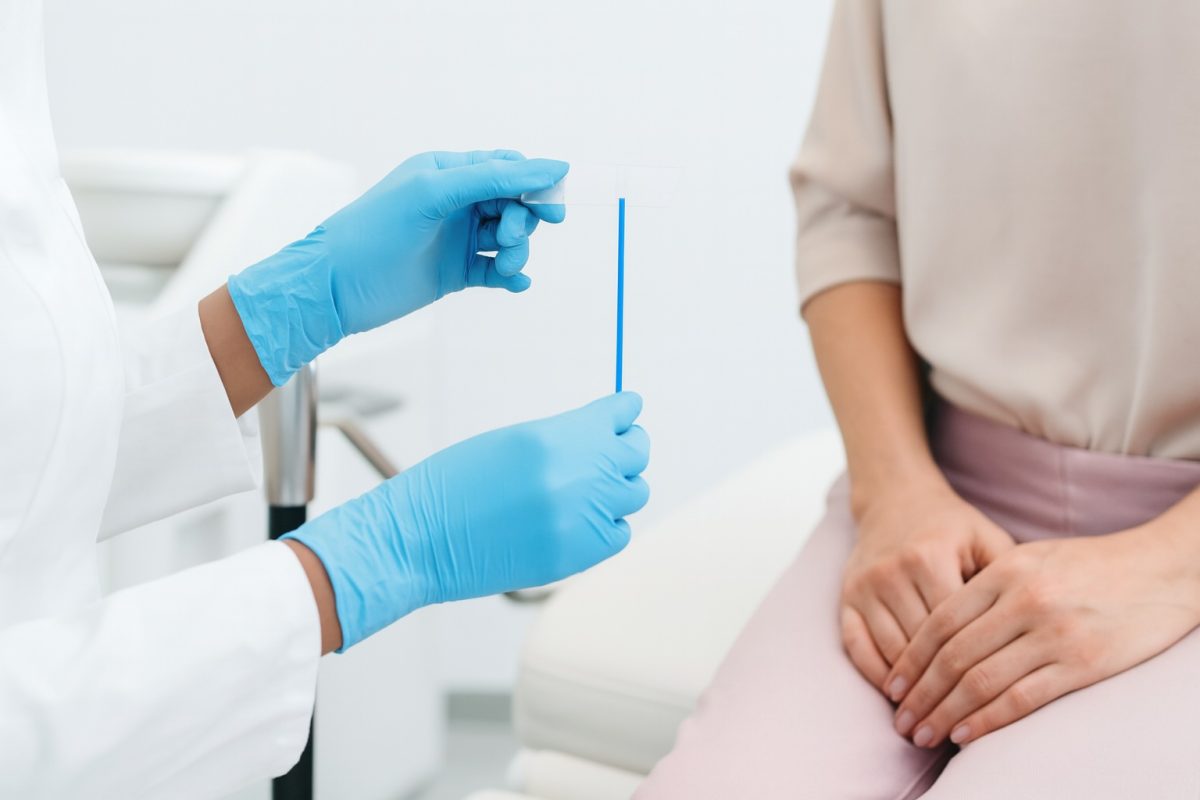
Diagnosis for chlamydia is straightforward and highly accurate, making early detection easy for most patients. These tests can identify the bacteria even when symptoms are mild or absent, ensuring timely treatment and reducing the risk of complications or transmission to others. Testing includes:
- Urine test to detect the bacteria
- Swab of the cervix, vagina, urethra, throat, or rectum, depending on exposure
- NAAT test (nucleic acid amplification test), the most sensitive and reliable method
Testing is quick and usually painless. Individuals who have chlamydia or who suspect exposure should also be tested for other STIs, since coinfection is common.
Treatment Options for Chlamydia
Chlamydia is fully curable with appropriate antibiotics. Early treatment prevents long-term health problems and reduces the risk of spreading the infection to others.
Antibiotic Treatment
Chlamydia is treated with antibiotics such as doxycycline, azithromycin, or suitable alternatives for pregnant individuals or those unable to tolerate certain medications. Most people improve within a few days, but it is important to finish the full course to fully clear the infection and prevent complications.
Follow-Up Care
A repeat test may be recommended after three months to ensure the infection has cleared. This is especially important for individuals at higher risk or those who did not complete treatment as prescribed. Regular follow-up helps catch reinfections early and supports long-term sexual health.
Partner Treatment
Any sexual partners from the past 60 days should be tested and treated. This prevents reinfection and reduces the spread of chlamydia in the community. Open communication with partners is essential to ensure everyone receives proper care and avoids future transmission.
Preventing Chlamydia
Chlamydia prevention is straightforward and highly effective when consistent habits are followed. You can reduce your risk by:
- Using condoms correctly during sex
- Getting regular STI screenings
- Limiting the number of sexual partners
- Avoiding sexual contact with partners who have sexually transmitted diseases or infections
- Ensuring shared sex toys are cleaned or covered
- Communicating openly about sexual health
Regular testing is one of the strongest prevention steps because chlamydia often has no symptoms.
When to See a Doctor
Seek medical advice if you experience pain during urination or intercourse, notice unusual discharge, or have pelvic or testicular pain. You should also see a doctor if you recently had unprotected sex, if a partner has tested positive for an STI, or if you are pregnant and have symptoms. Prompt diagnosis and treatment help prevent complications.
Protect Your Health With Early Testing and Treatment
Chlamydia is common and easily treatable when detected early. Understanding how it spreads, recognising symptoms, and getting tested regularly can prevent long-term complications. With proper antibiotic treatment, chlamydia clears quickly, and reinfection can be prevented through safer sexual practices and partner treatment.
If you want confidential STI testing, accurate diagnosis, and effective treatment, Dr Chong Clinic offers professional, discreet sexual health services. Our experienced doctors provide personalised care to help you protect your health and well-being. Take charge of your sexual health today. Book an appointment with Dr Chong Clinic.
Frequently Asked Questions (FAQs)
1. Can you have chlamydia without symptoms?
Yes. Most people with chlamydia do not experience symptoms, yet the infection can still cause complications and spread to others. Regular screening is essential.
2. How soon after exposure can chlamydia be detected?
Chlamydia is usually detectable within one to two weeks after exposure. If testing is done too early, your doctor may recommend retesting later.
3. Is chlamydia curable?
Yes. Chlamydia is completely curable with antibiotics. Early treatment prevents long-term complications and stops the infection from spreading.
4. Can I get chlamydia again after treatment?
Yes. Reinfection can occur if a partner remains untreated or if unprotected sex occurs with someone who carries the infection. Partner testing and treatment are essential.
*All images used in this article are AI-generated.