Blog
Comedonal Acne: What It Is and How to Treat It

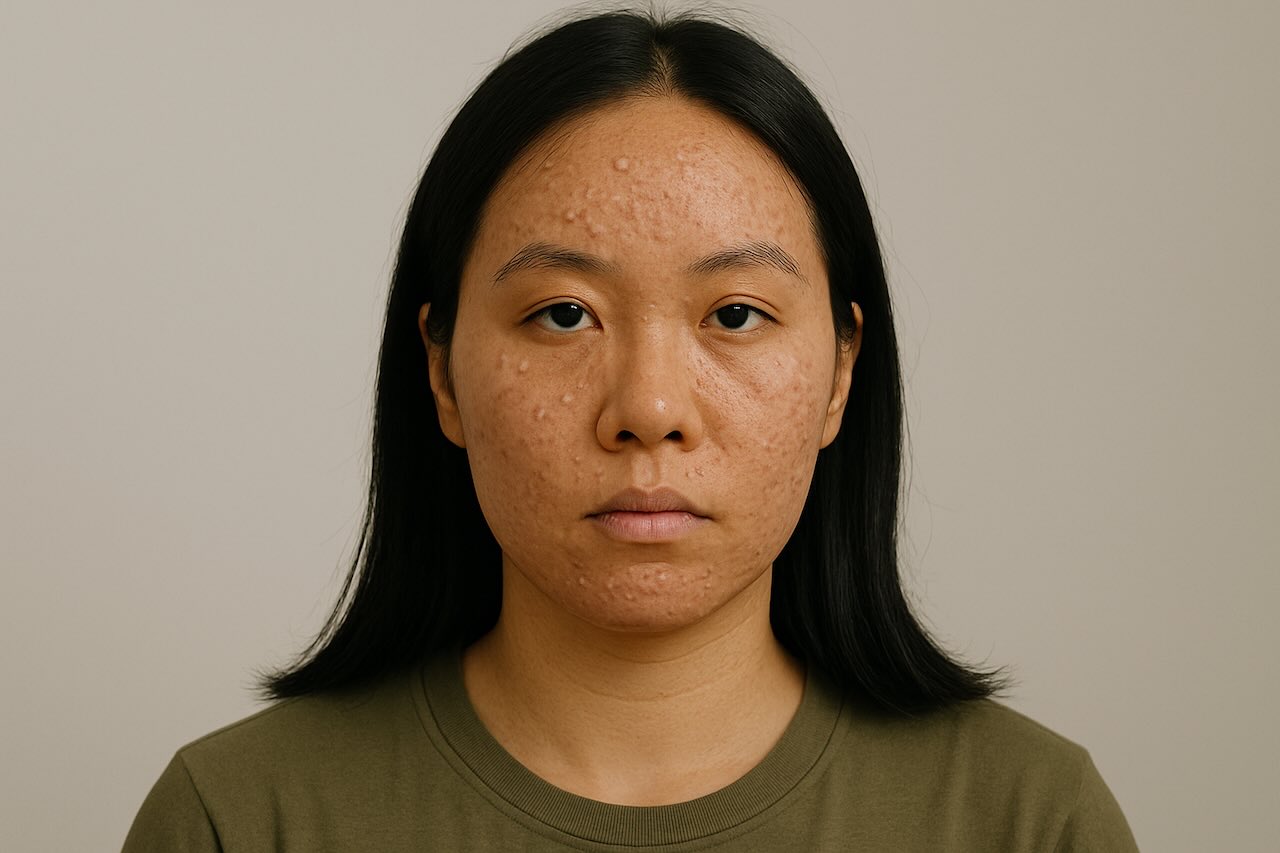
Are you frustrated with tiny bumps, black dots, or flesh-coloured spots that just won’t go away? You might be dealing with comedonal acne, a type of acne that, while milder than inflamed pimples, can still be persistent and affect your skin’s texture.
Unlike red, swollen breakouts, comedonal acne creates a rough or bumpy surface that can be challenging to manage. Understanding why it develops and how to treat it effectively is the first step toward achieving smoother, clearer skin.
What Is Comedonal Acne?
Comedonal acne is a non-inflammatory form of acne that shows up as clogged pores called comedones. Unlike inflammatory acne, which includes painful pimples and cysts, comedonal acne appears as small, blocked pores that usually aren’t red or painful unless they become irritated.
These blockages happen when hair follicles fill up with excess oil (sebum) and dead skin cells. Comedones often appear on the forehead, nose, and chin, but they can also affect other areas like the cheeks, neck, chest, and back. Knowing which type of comedone you have is important for choosing the right treatment.
Types of Comedonal Acne
Comedonal acne appears in different forms, and recognising which type you have is important for choosing the right treatment. The two main types of comedones are blackheads and whiteheads, each with unique characteristics and causes.
Blackheads (Open Comedones)
Blackheads look like small, dark spots on the skin’s surface. Despite the common belief that they’re caused by dirt, the dark colour actually comes from sebum and dead skin cells oxidising when exposed to air. Because the pore stays open, blackheads often feel rough and give the skin a bumpy texture.
Whiteheads (Closed Comedones)
Whiteheads are small, flesh-coloured or whitish bumps that are covered by a thin layer of skin. Since they’re closed off from the air, the trapped oil and skin cells inside don’t oxidise and remain pale. Whiteheads often feel like tiny bumps under the skin and can be more difficult to treat because they’re enclosed.
Why Does Comedonal Acne Happen?
Comedonal acne forms when pores become blocked beneath the skin’s surface. Many factors contribute to this process and can make comedonal acne persistent.
1. Excess Sebum Production
Your skin naturally produces oil to keep it healthy and moisturised. However, when sebum production increases, it can mix with dead skin cells and clog pores. People going through hormonal changes, like puberty or pregnancy, often produce more oil, raising the risk of comedones.
2. Accumulation of Dead Skin Cells
Dead skin cells usually shed on their own, but sometimes they build up and mix with oil, creating plugs inside pores. This blockage prevents oil from escaping, leading to the formation of comedones instead of smooth, clear skin.
3. Hormonal Changes
Hormonal fluctuations, especially androgens, can stimulate the oil glands to produce more sebum. This explains why comedonal acne often flares up during puberty, menstrual cycles, pregnancy, or with conditions like PCOS.
4. Genetics
If acne runs in your family, you’re more likely to develop it yourself. Genetics influence how much oil your skin produces, how your skin sheds dead cells, and how easily your pores become clogged.
5. Comedogenic Products
Some skincare, makeup, or hair products contain ingredients that clog pores, known as comedogenic ingredients. Using these products can directly contribute to the formation of comedones, making careful product selection crucial for acne-prone skin.
6. Medications
Certain medications, like corticosteroids, androgens, or lithium, can trigger or worsen acne. If you notice changes in your skin while taking new medication, discuss it with your doctor.
7. Friction or Pressure
Wearing tight clothing, helmets, or frequently touching your face can cause friction and pressure that irritate the skin. This can worsen comedonal acne, especially in areas where the skin is in constant contact.
8. Diet
While diet alone isn’t the sole cause of comedonal acne, some people find that high-glycaemic foods or certain dairy products seem to trigger flare-ups. Tracking your meals may help identify personal triggers that worsen breakouts.
9. Bacteria
Although comedonal acne is non-inflammatory, bacteria like Cutibacterium acnes can play a role if comedones become irritated. This can transform non-inflammatory bumps into red, swollen pimples or cysts.
How to Recognise Comedonal Acne
Identifying comedonal acne early can help you treat it more effectively. Common signs include:
- Tiny, flesh-coloured bumps under the skin
- Small dark spots on the skin’s surface
- Rough or uneven skin texture
- No redness or swelling unless lesions become inflamed
Unlike inflamed pimples, comedones often don’t hurt or become swollen unless they’re irritated or infected.
Home Care for Comedonal Acne
While professional treatments can help, these home remedies can support healthier skin:
- Use gentle, non-comedogenic cleansers and moisturisers
- Avoid picking or squeezing comedones
- Apply sunscreen daily to protect skin, especially if using acne treatments
- Maintain a balanced diet and manage stress
- Get enough sleep to promote skin healing
When to See a Dermatologist
Mild comedonal acne often improves with consistent skincare and over-the-counter products. However, you should consult a dermatologist if:
- Over-the-counter treatments haven’t worked after several weeks
- Your acne is widespread, persistent, or causing distress
- You see signs of inflammation or painful breakouts alongside comedones
- You’re concerned about acne scarring or dark spots
A dermatologist can diagnose your skin type, identify triggers, and create a personalised treatment plan for clearer skin.
Professional Treatments for Comedonal Acne
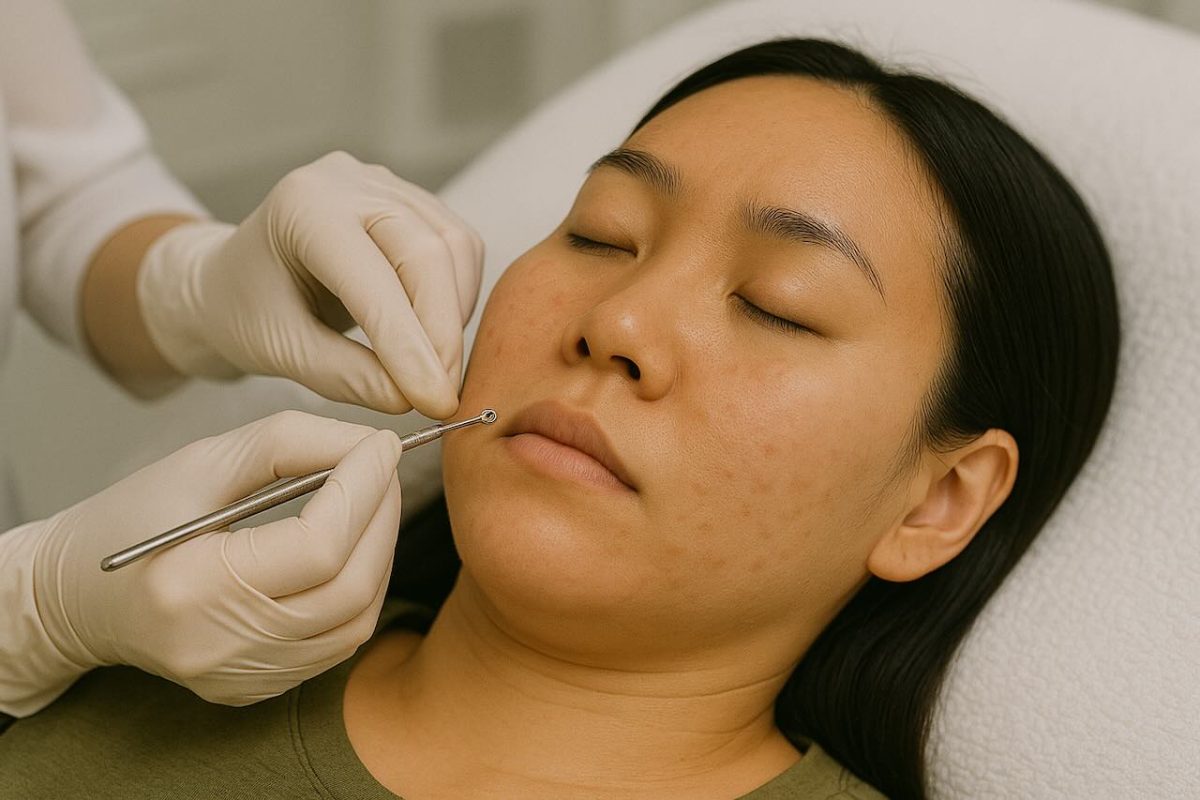
Comedonal acne usually improves with the right treatments, but it doesn’t clear overnight. Consistency and patience are essential for clearing clogged pores, preventing new breakouts, and achieving smoother, healthier skin over time.
Over-the-Counter Treatments
Salicylic acid is a beta-hydroxy acid that penetrates oil and helps shed dead skin cells, unclogging pores and smoothing the skin. It’s available in cleansers, toners, and spot treatments.
Benzoyl peroxide not only kills acne-causing bacteria but also helps exfoliate dead skin cells, reducing oil and preventing blockages. However, it can cause dryness or irritation if used too often.
Adapalene, a topical retinoid, helps normalise cell turnover and prevent clogged pores. While it can cause some irritation or purging initially, it’s highly effective for clearing and preventing comedones.
Prescription Treatments
If over-the-counter products aren’t helping, a dermatologist may recommend stronger solutions. Prescription retinoids like tretinoin or tazarotene promote faster skin renewal and help keep pores clear. Oral medications are rarely needed for purely comedonal acne unless significant inflammation or hormonal issues are also present.
Professional Procedures
For stubborn comedones, professional treatments can make a big difference. Comedone extraction involves a dermatologist or aesthetician safely removing blackheads and whiteheads using sterile tools. Attempting this at home can lead to scarring or infection.
Chemical peels use stronger acids, like glycolic or salicylic acid, to exfoliate the skin and improve cell turnover. Microdermabrasion or microneedling gently removes dead skin cells from the skin’s surface, smoothing texture and helping prevent clogged pores.
Take Charge of Your Skin’s Future
Comedonal acne can be stubborn, but it doesn’t have to be permanent. With the right care, effective treatments, and consistency, you can achieve smoother, clearer skin. If you’re struggling to manage your acne on your own, don’t hesitate to seek professional guidance. Clear, healthy skin is possible, and your journey starts today.
Book a consultation with Dr Chong Clinic, where experienced dermatologists specialise in advanced acne treatments, customised skincare plans, and cutting-edge procedures designed to help you achieve your best skin health.
Whether you’re dealing with comedonal acne or other skin concerns, Dr Chong Clinic offers personalised solutions tailored to your unique skin needs.
Frequently Asked Questions (FAQ)
1. Is comedonal acne different from inflammatory acne?
Yes. Comedonal acne involves blocked pores without redness or swelling, while inflammatory acne includes red, swollen, or painful pimples.
2. Can comedonal acne turn into cystic acne?
Sometimes. If comedones become irritated or infected, they can develop into inflamed, painful lesions like cysts.
3. Is comedonal acne permanent?
No. With the right skincare and treatments, comedonal acne can improve significantly, though it may require ongoing maintenance.
4. Can diet cause comedonal acne?
Diet isn’t the sole cause, but some people find certain foods like high-sugar items or dairy trigger their breakouts. Keeping a food diary may help identify personal triggers.