Blog
Cystic Acne: Causes, Treatments, And Prevention

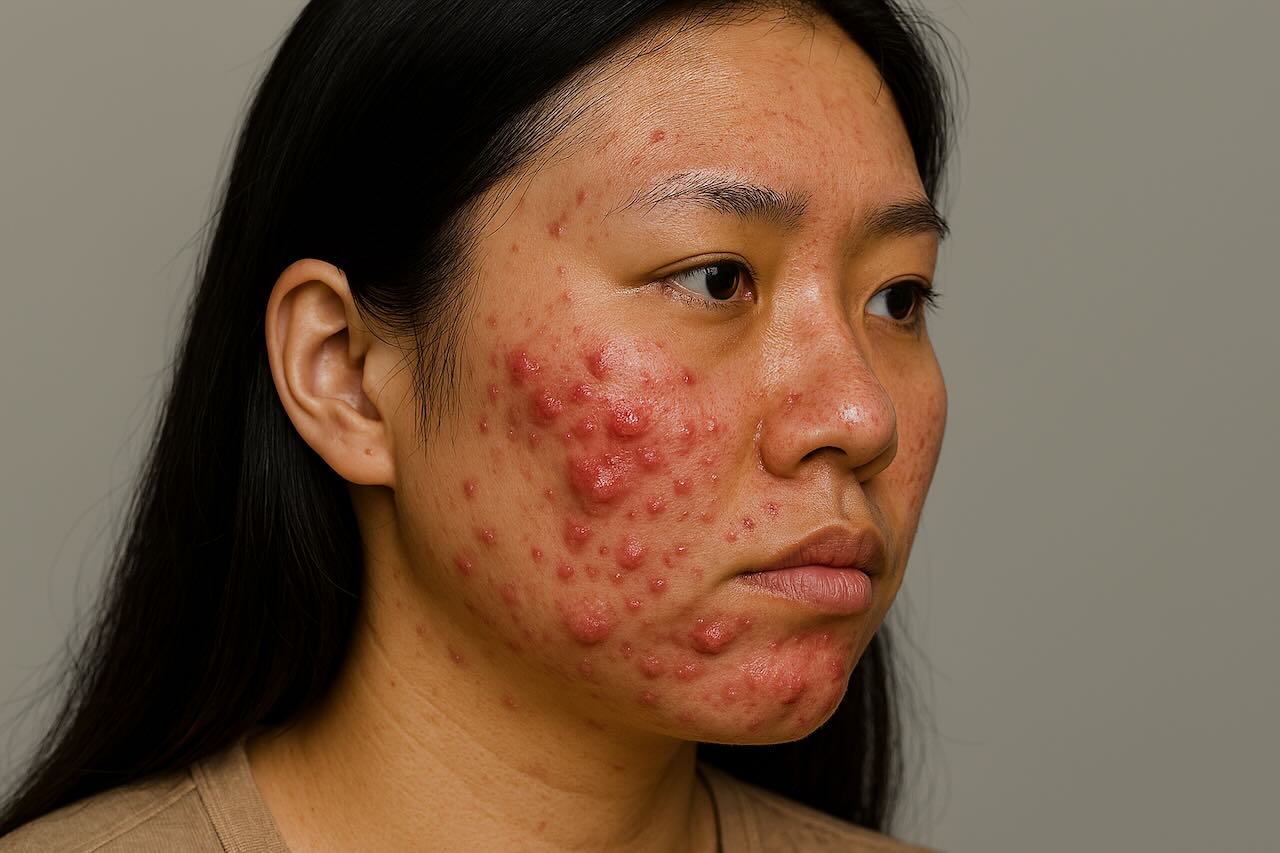
Unlike mild acne, cystic acne is more intense and can significantly affect confidence and daily life. Let’s explore why it happens and how to treat it effectively.
What Is Cystic Acne?
Cystic acne is a form of inflammatory acne caused by clogged pores filled with oil, dead skin, and bacteria. This leads to painful, swollen cysts under the skin’s surface. These cysts can last for weeks or even months and often leave scars if not treated properly.
These cysts can:
- Be painful, tender, or itchy
- Grow as large as a quarter
- Stay under the skin without a visible head
- Sometimes rupture, causing more breakouts
They can also appear on the face, but can also develop on other areas of the body, including the back, chest, shoulders, neck, upper arms, and buttocks.
What Does Cystic Acne Look Like?
If you have cystic pimples, you may notice large, swollen bumps under the skin, along with redness and significant inflammation. The affected areas can feel painful or tender to the touch. Sometimes, a white or yellow head or crust may appear. As these cysts heal, they often leave behind scarring, which can result in dark spots, textured skin or enlarged pores.
What Causes Cystic Acne?
Cystic acne happens when pores become deeply clogged with oil, dead skin cells, and bacteria, leading to inflammation under the skin. Various factors can increase the risk of developing this severe form of acne:
1. Hormonal Changes
Hormonal fluctuations, like those during puberty, menstrual cycles, pregnancy, or menopause, can trigger excess oil production. This extra oil can block pores and lead to deep, painful cysts.
2. Genetics
A family history of severe acne increases your likelihood of developing cystic acne. Genetics can influence how your skin produces oil and responds to inflammation.
3. Medications
Certain drugs, such as steroids, lithium, or some birth control pills, can worsen acne. They may affect hormones or stimulate oil glands, contributing to clogged pores.
4. Cosmetics
Heavy, oily, or pore-clogging makeup and skincare products can block pores and trap bacteria. Choosing non-comedogenic products helps reduce this risk.
5. High Humidity and Sweat
Hot, humid weather and excessive sweating can increase oil and moisture on the skin’s surface. This combination can block pores and lead to cystic breakouts.
6. Stress
Stress raises hormones like cortisol, which can cause skin to produce more oil. This extra oil can worsen inflammation and contribute to acne flare-ups.
8. Diet
High-sugar and high-glycaemic foods might spike hormones that affect oil production. Some people also find that dairy products trigger more breakouts.
9. Oily Environments
Working in places like kitchens exposes skin to airborne oils that can settle and block pores. Over time, this can increase the risk of cystic pimples.
It’s important to know that they are not caused by poor hygiene, sexual activity, or eating chocolate or spicy food. Overwashing or scrubbing can irritate the skin and make acne worse.
Who Is At Risk For Cystic Acne?
It most often affects teenagers and young adults, as well as people with a family history of severe acne. It’s more common in men, who tend to experience more severe cases, though women can also develop cysts, particularly on the lower face, due to hormonal fluctuations.
How Can You Prevent Cystic Acne At Home?
While medical treatment is crucial for managing cystic acne, you can support your skin by:
- Never popping cysts, as this increases the risk of infection, scarring, and further breakouts
- Applying warm compresses to ease pain and swelling
- Following a gentle skincare routine with a mild cleanser, and avoiding harsh scrubs or irritating products
- Keeping your hands off your face and ensuring hair stays clean and away from your skin
- Using oil-free, non-comedogenic skincare and makeup products, and always removing makeup before bed
- Wearing sunscreen daily to protect your skin
- Managing stress and maintaining a healthy lifestyle with a balanced diet, sufficient sleep, and regular exercise
- Watching for potential dietary triggers like high-sugar or high-glycaemic foods that might worsen breakouts
Although they can’t always be fully prevented, these steps can help lower your risk and keep your skin healthier.
Why Is Professional Treatment Important?
Cystic pimples rarely respond to over-the-counter treatments. Without medical care, it can cause deep acne scars, such as icepick scars or pits, as well as dark spots that may last for months.
It can also lead to emotional distress and low self-esteem. A dermatologist can provide tailored treatments to reduce cysts, prevent new breakouts, and minimise scarring. Early professional intervention typically leads to better long-term results.
How Is Cystic Acne Treated?
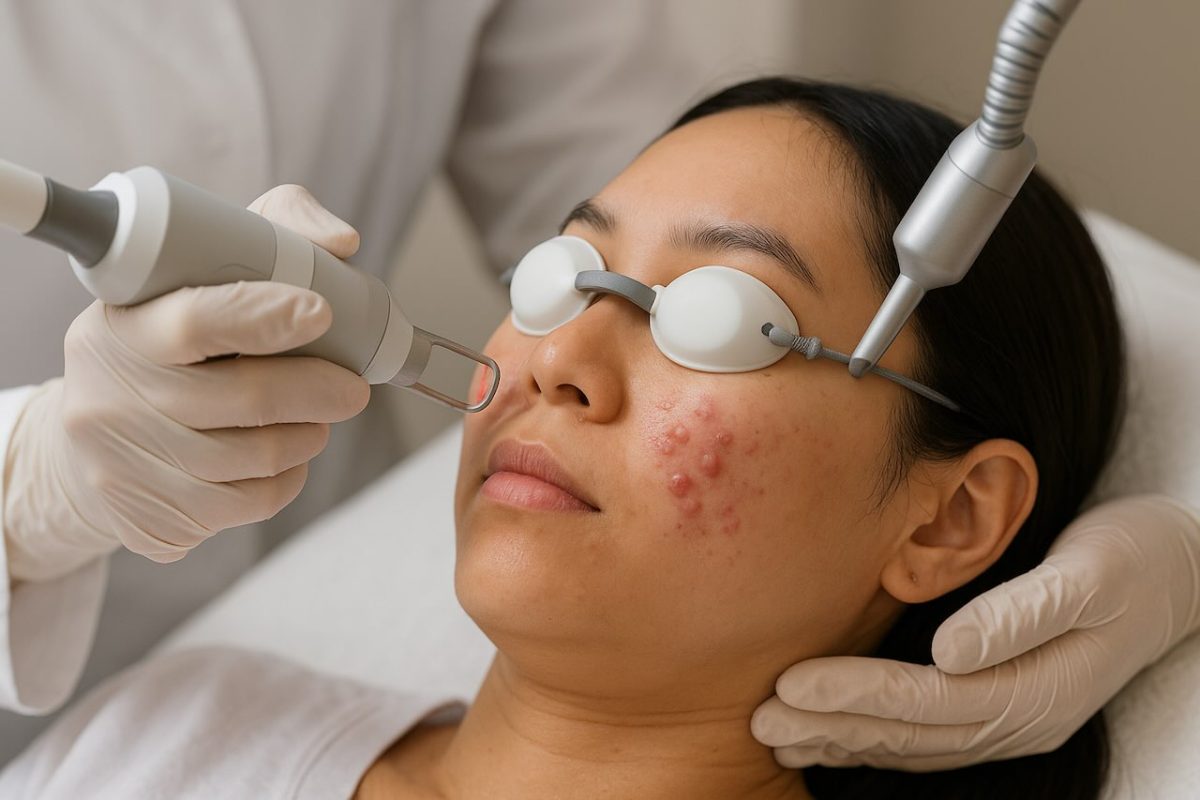
Treating cystic acne usually involves a combination of professional medical care and proper skincare. Because this type of acne develops deep under the skin, over-the-counter products alone often aren’t enough. Early treatment is crucial to reduce breakouts, relieve discomfort, and prevent lasting scars.
Topical Treatments
Topical treatments can help manage it, although they’re often not sufficient for severe cases. Retinoids like adapalene or tretinoin help unclog pores, while antibiotics, benzoyl peroxide, azelaic acid, and salicylic acid reduce bacteria and inflammation to prevent new breakouts.
However, some over-the-counter products can worsen severe acne if used without a dermatologist’s guidance.
Oral Medications
Oral medications are often prescribed for more significant conditions. Antibiotics help reduce bacteria and inflammation throughout the body. For women, hormonal treatments such as certain birth control pills or spironolactone can help regulate hormones that trigger breakouts.
In severe cases, isotretinoin (Accutane) is highly effective at reducing oil production and preventing clogged pores, though it requires close medical supervision and precautions, especially for women who must avoid pregnancy during treatment.
In-Clinic Procedures
Dermatologists also offer in-clinic procedures for stubborn or painful cysts. Cortisone injections can quickly reduce swelling and pain in inflamed lesions. Chemical peels help exfoliate the skin and unclog pores.
Photodynamic therapy uses light-activated medication to reduce bacteria and oil production. In some cases, a dermatologist might carefully drain a cyst to relieve discomfort, though this is done cautiously to avoid scarring.
Treating Acne Scars
Even after cystic pimples clear up, scars may remain, leaving uneven texture or dark spots. Treatments like dermabrasion remove the top layers of skin for a smoother look. 8Laser resurfacing helps eliminate damaged skin and promotes new cell growth.
Radiofrequency resurfacing uses heat energy to boost collagen production, leading to firmer, smoother skin. A dermatologist will recommend the best option based on your skin type and scar severity for clearer, healthier skin.
Don’t Let Cystic Acne Control Your Confidence
Cystic acne can feel overwhelming, but you don’t have to face it alone. Early professional treatment is key to preventing scars and restoring your skin’s health and confidence.
At Dr Chong Clinic, we specialise in personalised acne treatments tailored to your skin’s unique needs. Whether you’re struggling with cystic breakouts or scarring, our experienced dermatologists are ready to help.
Ready to take control of your skin? Contact Dr Chong Clinic today for a consultation, and let’s work together toward clearer, healthier skin.
Frequently Asked Questions (FAQ)
1. Can cystic acne go away on its own?
Mild cysts might eventually subside, but severe cases rarely go away without treatment and often leave scars. It’s best to see a dermatologist for proper care.
2. Does cystic acne mean my skin is dirty?
No. They are not caused by dirt or poor hygiene. It’s mostly due to hormones, genetics, and other internal factors.
3. Is it safe to pop cystic pimples?
Never pop cystic pimples. Popping increases the risk of infection, pushes bacteria deeper, and leads to scarring.
4. How Is Cystic Acne Different From Nodular Acne?
Cystic acne contains fluid or pus, while nodular acne is solid and firm. Both can cause deep scars if untreated.
*All images used in this article are AI-generated.