Blog
Dark Spot Laser Treatment in Malaysia: Process, Treatment Options


Struggling with stubborn dark spots? Discover how laser treatments in Malaysia are transforming skin health. Learn the causes behind pigmentation and explore safe, modern options for achieving a clearer, more radiant complexion.
What Causes Dark Spots?
Dark spots appear when excess melanin is produced and deposited unevenly in the skin. This can result from several factors:
Sun Exposure: Long-term exposure to ultraviolet (UV) rays triggers melanin production. Without daily sun protection, these UV rays can lead to persistent pigmentation, especially in sun-exposed areas like the cheeks and forehead.
Post-Inflammatory Hyperpigmentation (PIH): PIH occurs when skin inflammation from acne, eczema, insect bites, or minor injuries heals and leaves behind a darkened patch.
Melasma: Melasma appears as symmetrical brown or grey patches on the face and is often linked to hormonal changes, pregnancy, or birth control use. It can be difficult to treat without medical-grade therapies.
Skin Ageing: As we age, cell turnover slows and uneven pigment production becomes more common, leading to age spots or liver spots.
Medication or Harsh Skincare: Some medications, such as antibiotics or anti-seizure drugs, may increase photosensitivity and pigment issues. Similarly, inappropriate skincare or harsh exfoliants can trigger irritation and pigmentation.
How Laser Treatment Works for Dark Spots
Laser technology works by delivering precise light energy to the pigmented area. The laser breaks down melanin deposits into tiny fragments, which the body gradually removes through its natural healing process.
Unlike topical treatments, lasers can reach deeper pigment layers and offer faster, more noticeable results. The goal is to remove excess pigment without damaging surrounding healthy skin.
Pico Laser
This ultra-fast laser delivers energy in picoseconds, shattering pigment particles while minimising heat damage. It is highly effective for freckles, sun spots, and post-acne marks. The Pico Laser treatment is well-suited for Asian skin tones and offers shorter downtime compared to older technologies.
Yellow and Green Laser
Combining two light wavelengths, this laser is ideal for melasma and general skin brightening. It reduces pigmentation while calming inflammation, making it a suitable option for sensitive skin.
Fractional CO2 Laser
Used for more severe or textured pigmentation, the Fractional CO2 Laser not only reduces melanin but also stimulates collagen production. It resurfaces the skin and is especially beneficial for those with acne scars and deep pigmentation. However, it does involve slightly more recovery time.
Each laser type has its own strengths. The best results are usually achieved when the treatment is personalised to your unique skin needs.
What to Expect During Treatment
Laser pigmentation removal is a straightforward, outpatient procedure with minimal discomfort and downtime. Here is what you can typically expect:
1. Consultation and Skin Assessment
Your doctor will analyse your skin condition, medical history, and pigmentation type. This ensures you receive a treatment plan tailored to your goals and safety profile.
2. Pre-Treatment Preparation
The treatment area is cleansed, and a topical numbing cream may be applied. You will wear protective eyewear to shield your eyes from the laser light.
3. Laser Session
The laser is applied to the affected areas using a handheld device. Most patients describe the sensation as a light snapping or warm prickling.
4. Post-Treatment Care
You may experience mild redness or sensitivity for a few hours to a few days, depending on the laser type used. Post-care includes avoiding direct sunlight, using sunscreen with SPF 50 or higher, and following a simple skincare routine recommended by your doctor.
How Many Sessions Are Needed?
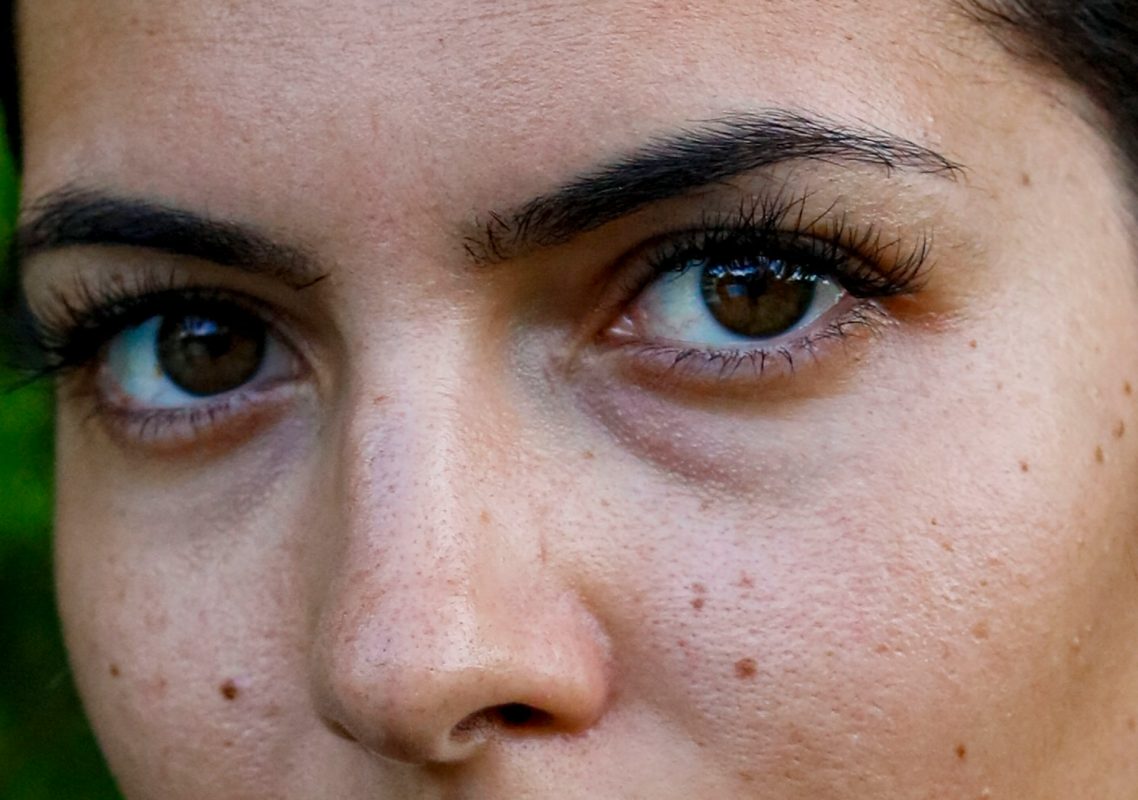
The number of sessions varies based on the severity of the pigmentation and the type of laser used. On average:
- Superficial sun spots or freckles may lighten after 1 to 3 sessions
- Deeper pigmentation, like melasma or acne marks, may need 4 to 6 sessions
- Complex cases may benefit from combination therapies such as lasers plus chemical peels or topical prescriptions
Treatments are usually spaced 3 to 4 weeks apart to allow the skin to heal and for melanin to break down naturally.
Is Laser Treatment Safe for All Skin Types?
Yes, when performed by trained medical professionals, laser treatment is safe for most skin tones, including darker and more melanin-rich skin types common in Malaysia. However, the risk of side effects such as temporary redness, swelling, or post-inflammatory hyperpigmentation increases if the wrong laser type or settings are used.
This is why it is essential to undergo treatment at a medically supervised clinic that uses genuine, approved devices and understands how to tailor the approach based on your skin tone and history.
How to Maintain Results After Laser Pigmentation Removal
To keep your skin looking clear and healthy after treatment, follow these post-laser skincare guidelines:
- Apply broad-spectrum sunscreen every day, even indoors
- Avoid direct sun exposure for at least one week
- Use gentle, fragrance-free skincare products
- Refrain from using exfoliants or retinoids unless advised by your doctor
- Stay consistent with hydration and sun protection for long-term success
While laser treatments can remove existing pigmentation, it does not prevent future spots. Prevention through good skincare habits is key.
Ready for Skin That Looks as Good as It Feels?
At Dr. Chong Clinic, we don’t believe in one-size-fits-all treatments. Instead, we focus on personalised pigmentation solutions designed by LCP-certified aesthetic doctors in Malaysia who understand your unique skin profile. Each laser treatment is performed using authentic, medically approved devices, with a strong emphasis on safety, comfort, and long-term results.
Here’s what sets us apart:
- LCP-Certified Aesthetic Doctors: Approved by Malaysia’s Ministry of Health
- Customised Laser Protocols: Tailored to Asian skin tones and individual needs
- Medical-Grade Technology Only: No off-label or unsafe devices
- Holistic Aftercare and Monitoring: To ensure safe recovery and optimal skin response
- Nationwide Access: 20+ branches across Malaysia for convenient follow-up care
Whether you’re dealing with sun spots, melasma, or stubborn acne pigmentation, our multi-modal approach gives you access to the latest technology, carefully selected for your skin type and goals. This includes:
- Pico Laser in Malaysia for deep pigment removal and minimal downtime
- Fractional CO2 Laser in Malaysia for post-acne pigmentation and skin resurfacing
- Yellow and Green Laser in Malaysia for melasma and overall skin brightening
Frequently Asked Questions (FAQs)
1. Can dark spots come back after laser treatment?
Yes, dark spots can reappear after laser treatment if the underlying triggers—such as sun exposure, hormonal changes, or inflammation—are not managed properly. While laser removes existing pigmentation, it does not prevent new melanin production. To maintain results, patients should apply daily sunscreen, follow a consistent skincare routine, and avoid excessive sun exposure.
2. What is the best age to start laser treatment for pigmentation?
There is no fixed age to begin laser treatment. Instead, suitability depends on skin condition, pigmentation severity, and overall health. Most patients seek treatment in their late 20s to 40s, when sun damage or post-acne marks become more visible. A consultation with a qualified aesthetic doctor is essential to determine timing and readiness for laser procedures.
3. Are laser treatments for dark spots painful?
Laser treatments are generally well-tolerated and not considered painful. Patients often describe the sensation as a light snapping or warm prickling. A topical numbing cream is usually applied before the procedure to enhance comfort. Any post-treatment redness or mild sensitivity typically subsides within a few hours to days, depending on the laser used.
4. Can I combine laser treatment with other pigmentation therapies?
Yes, combining laser treatment with other therapies can enhance results for stubborn pigmentation. Common combinations include chemical peels, topical lightening agents, or antioxidant serums. At medically supervised clinics, such as Dr. Chong Clinic, combination therapies are prescribed based on individual skin analysis to ensure safety and effectiveness.