

Forehead Lines: What Causes Them and How to Treat Them Effectively


Forehead lines are one of the most common early signs of ageing. These horizontal creases can appear gradually or deepen over time due to repetitive muscle movement, ageing, and loss of skin elasticity. While they are a natural part of facial expression, many people feel self-conscious about how these lines affect their appearance.
Fortunately, forehead lines can be treated effectively. Whether you are in your 30s and starting to notice subtle lines or in your 50s managing deeper creases, this guide will help you understand what causes them and which options are available to restore a smoother, more youthful look.
What Are Forehead Lines?
Forehead lines are horizontal wrinkles that run across the upper part of the face, just above the eyebrows. They form due to the repeated movement of the frontalis muscle, which lifts the eyebrows and expresses emotions like surprise, worry or concentration.
These lines can be:
- Dynamic, only appearing when you raise your brows
- Static, visible even when your face is at rest
- Superficial, forming shallow creases in the skin
- Deep-set, where the lines create visible folds or shadows
As we age, what starts as faint expression lines often becomes more permanent due to a combination of muscle use and skin changes.
What Causes Forehead Lines

Several key factors contribute to the development and worsening of forehead lines:
1. Facial muscle movement
The forehead is one of the most expressive areas of the face. Repetitive lifting of the eyebrows causes creases to form in the skin over time. These movements create dynamic lines, which may eventually turn into static wrinkles.
2. Loss of collagen and elastin
Collagen and elastin give the skin strength and flexibility. As you age, your body produces less of these proteins, making the skin thinner and less resilient to movement.
3. Sun exposure
UV rays accelerate skin ageing by breaking down collagen and dehydrating the skin. Sun damage also increases pigmentation, which can make forehead lines appear more prominent.
4. Dehydration and dry skin
When the skin lacks moisture, it loses plumpness. This can make fine lines look deeper and more noticeable, especially in the forehead, where the skin is naturally thinner.
5. Lifestyle habits
Smoking, poor sleep, high stress levels and a lack of skincare routine can all contribute to premature wrinkles, including those on the forehead.
6. Genetics
Some people are more prone to forehead lines due to hereditary factors. Your skin type, natural muscle tone and facial anatomy can influence when and how wrinkles appear.
Are Forehead Lines Reversible
While you cannot stop the natural ageing process, you can reduce the appearance of forehead lines and prevent them from worsening. Depending on their severity, you can achieve noticeable improvement through skincare, lifestyle changes and professional treatments.
Skincare for Forehead Lines
If your forehead lines are mild or just beginning to appear, a consistent skincare routine can help soften their appearance and slow their progression. Focus on:
1. Hydrating ingredients
Look for products with hyaluronic acid, glycerin or ceramides. These help lock in moisture and keep the skin supple, reducing the visibility of fine lines.
2. Retinoids
Retinoids stimulate collagen production and increase cell turnover, helping to fade early lines and improve skin texture over time. Start with a low-strength formula and apply at night.
3. Peptides and antioxidants
Peptides can support collagen repair, while antioxidants like vitamin C help protect skin from environmental damage and improve firmness.
4. Sunscreen
Daily use of broad-spectrum SPF is crucial. Sunscreen not only protects your skin from further damage but also helps maintain the results of any treatments you undergo.
Lifestyle Tips to Prevent Forehead Lines
Consistency is key because prevention is always easier than correction. Small adjustments in your routine can make a big difference over time:
- Stay hydrated throughout the day
- Get adequate sleep to support skin regeneration
- Manage stress, which can contribute to repetitive facial tension
- Avoid smoking, as it speeds up skin ageing
- Be mindful of facial expressions that cause you to raise your eyebrows repeatedly
Professional Treatments for Forehead Lines
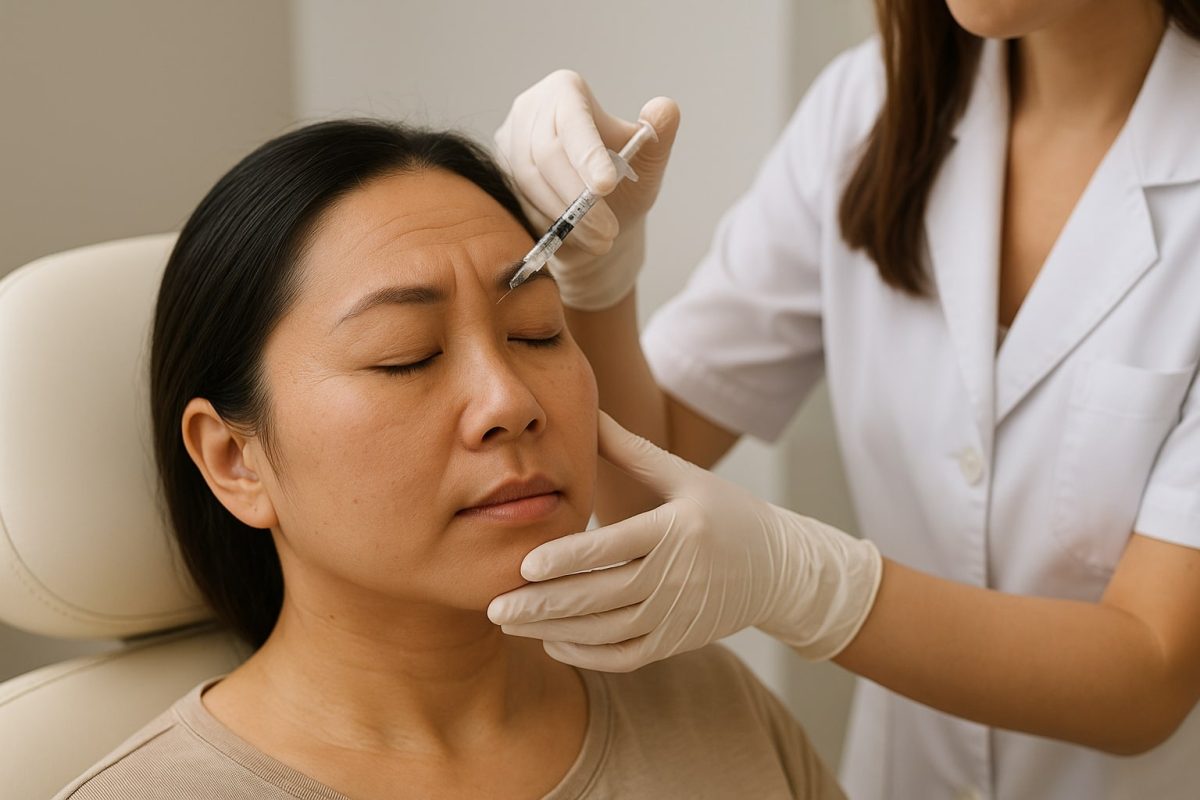
For moderate to deep forehead lines, in-clinic treatments offer more dramatic and longer-lasting results. Here are some popular options:
1. Botulinum Toxin (Botox)
Botulinum toxin (botox) is one of the most effective ways to reduce forehead lines. It works by relaxing the frontalis muscle, preventing the repetitive motion that causes lines to form. Results typically appear within a few days and last for three to six months.
2. Dermal Fillers
For deeper lines, hyaluronic acid fillers can be used to plump up the skin and smooth out creases. Fillers restore lost volume and can complement Botox for a more refined outcome.
3. Laser Resurfacing
Laser treatments such as fractional CO2 or Pico lasers stimulate collagen production and improve skin texture. They help fade fine lines and refine overall skin tone.
4. Microneedling
Microneedling creates micro-injuries in the skin to boost collagen and elastin production. When paired with radiofrequency (RF), it delivers deeper tightening and resurfacing effects.
5. Chemical Peels
Mild to moderate peels can smooth surface texture and encourage skin renewal. These are often used as maintenance between other treatments.
6. High-Intensity Focused Ultrasound (HIFU)
HIFU targets deeper layers of the skin to lift and firm the forehead. It is non-invasive and provides gradual results that improve over time.
A personalised consultation is the best way to determine which treatment, or combination of treatments, is right for you.
Why Forehead Lines Are Worth Addressing Early
Treating forehead lines early can prevent them from becoming deeply etched into the skin. It also helps preserve natural facial movement and avoids the need for more aggressive interventions later. Taking action sooner also supports a more balanced and youthful appearance overall.
Smoothen Your Forehead Lines with Expert Care at Dr Chong Clinic
If forehead lines are starting to affect your confidence, Dr Chong Clinic offers safe and effective solutions to restore smoothness and balance to your facial expressions.
Our experienced doctors are trained in advanced medical aesthetic techniques that target the root causes of forehead lines. Whether you are considering Botox for subtle muscle relaxation, dermal fillers for volume correction, or laser treatments to boost skin texture, we offer tailored treatment plans in a safe, professional environment.
What sets Dr Chong Clinic apart is our commitment to natural-looking results. You will never leave looking frozen or overdone, only fresher, more confident and more like yourself.
It’s not just about smoothing lines. It’s about feeling like you again. Book your consultation today and take the first step toward skin that reflects how youthful you feel inside.
Frequently Asked Questions
1. Are forehead lines permanent?
If left untreated, forehead lines can become deeper and more permanent over time. However, early lines are often reversible with proper care and professional treatments.
2. What age do forehead lines usually appear?
They often start to appear in the late twenties to early thirties, but can show earlier depending on genetics, lifestyle and sun exposure.
3. Is Botox safe for treating forehead lines?
Yes. When administered by a qualified professional, Botox is safe and highly effective for relaxing the muscles that cause forehead lines.
4. How long do treatment results last?
Botox results typically last three to six months. Fillers may last six months to over a year, depending on the product used. Laser and microneedling results improve gradually and last with proper maintenance.


