Blog
Frown (Glabellar) Lines: Causes, Treatments, and Prevention


Noticed lines forming between your eyebrows or on your forehead? At first, they may only show up when you frown or squint, but over time they can start to linger, making your expression look more tense or tired even when your face is at rest.
While they are a natural part of ageing, modern dermatology offers effective ways to smooth them out. From Botox to fillers and advanced skin treatments, there are multiple safe options to restore a fresher, more youthful appearance, helping patients decide the best approach for their needs.
What Are Frown (Glabellar) Lines?
Frown lines, often called glabellar lines, are vertical creases that appear between the eyebrows. Nicknamed the “11 lines” or “angry 11s,” they are linked to repeated facial movements that gradually leave their mark on the skin.
These wrinkles form when small muscles in the brow area, such as the corrugator supercilii and procerus, contract during expressions like frowning, squinting, or focusing. At first, the lines are temporary and only visible when the face is active, but with age and the natural decline of collagen and skin elasticity, they can deepen and remain visible even when the face is at rest.
Why Do Frown Lines Form?
Frown lines, or glabellar lines, don’t develop overnight. They appear gradually as a result of natural ageing, repeated facial movements, and certain lifestyle or environmental factors. By understanding what contributes to their formation, it becomes easier to take steps toward prevention and management.
Facial Expressions
Expressions like frowning, squinting, or concentrating repeatedly contract the small muscles between the eyebrows. Over time, the skin folds in the same place again and again, eventually leaving visible creases that remain even when the face is at rest.
Ageing
As we age, the skin naturally produces less collagen and elastin, two proteins that keep it firm and supple. With this decline, the skin loses its ability to bounce back after movement, which makes fine lines deepen into more permanent wrinkles.
Sun Exposure
Exposure to UV rays speeds up the breakdown of collagen fibers and weakens the skin’s structure. This not only makes existing lines more noticeable but also accelerates the formation of new ones.
Genetics
Genetics can play a significant role in how and when frown lines appear. Factors like skin type, thickness, and natural elasticity can predispose some people to develop deeper lines earlier than others.
Lifestyle Habits
Daily habits such as smoking, poor sleep, dehydration, and high stress levels can all impact skin health. Over time, these factors contribute to faster skin ageing and make frown lines appear more pronounced.
How to Prevent Frown Lines
Frown lines are a natural part of ageing, but consistent habits can help slow their development and keep skin looking smoother.
- Wear sunscreen daily to protect collagen and prevent premature wrinkles
- Use targeted skincare with retinoids, peptides, and Vitamin C for skin support
- Stay hydrated to maintain elasticity and suppleness
- Avoid squinting by wearing sunglasses and taking screen breaks
- Manage stress to reduce habitual frowning and muscle tension
- Consider preventive Botox to relax muscles on the forehead before lines become permanent
While you can’t stop frown lines completely, these steps help delay their progression and maintain a fresher, more relaxed appearance.
Best Treatments for Frown Lines
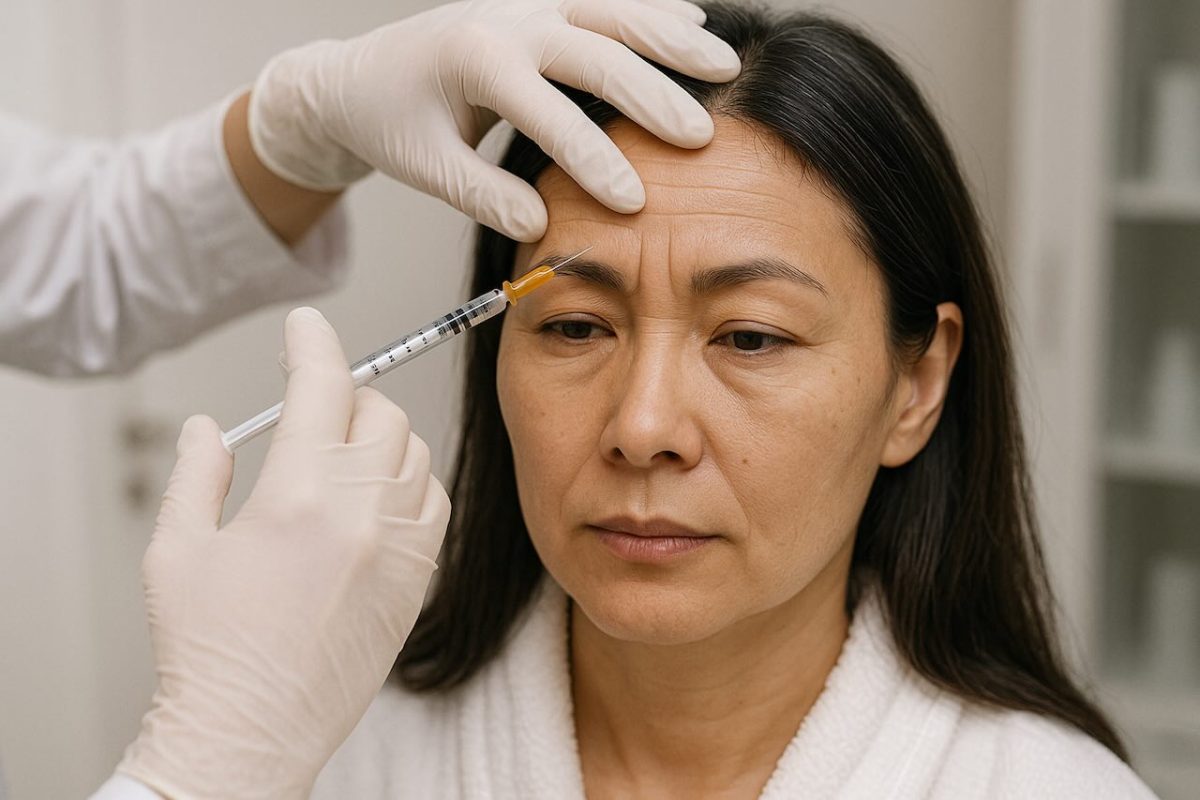
When prevention and lifestyle changes are not enough, professional treatments can provide noticeable and long-lasting improvements. Depending on the type and depth of the lines, dermatologists may recommend injectables, resurfacing treatments, or a combination approach for the best results.
Botox Injections
Botox is considered the gold standard for treating frown lines. It works by temporarily relaxing the small muscles responsible for repeated creasing, which smooths the skin and prevents lines from deepening further.
Results typically appear within 3 to 7 days and last about 3 to 6 months, as explained in our guide on how long Botox lasts. This makes it a reliable option for both dynamic wrinkles and early static lines.
Dermal Fillers
For deeper or more established frown lines, dermal fillers can be used on their own or in combination with Botox. Hyaluronic acid fillers restore lost volume beneath wrinkles, lifting and smoothing the skin’s surface.
Improvements are immediate, with results lasting anywhere from 6 to 18 months depending on the filler type. Many patients compare Botox vs fillers, but in practice, the best outcomes often come from using both together for a balanced, natural result.
Chemical Peels
Chemical peels help refresh the skin by exfoliating damaged surface layers and stimulating new cell turnover. This treatment improves overall texture, softens fine lines, and enhances skin tone. While not as targeted as injectables, peels can complement other treatments by creating a smoother, healthier-looking foundation.
Microneedling
Microneedling involves creating tiny controlled micro-injuries in the skin to trigger collagen and elastin production. Over time, this natural repair process helps plump the skin, reduce the appearance of frown lines, and improve firmness. It can also enhance the absorption of skincare products, boosting treatment results further.
Skin Rejuvenation Treatments
Advanced skin rejuvenation therapies, such as Pico Laser and other energy-based devices, work deeper within the skin to stimulate long-term collagen remodeling. These treatments not only reduce the visibility of frown lines but also improve overall skin quality, making them an excellent complement to injectables and resurfacing peels.
Lifestyle Support for Smoother Skin
Professional treatments deliver the best results when supported by healthy daily habits. Using moisturisers enriched with peptides helps maintain skin firmness, while Vitamin C serums provide protection against free radicals and environmental stressors.
Regular sleep and stress management are equally important, as they prevent unnecessary facial tension that can deepen lines over time. Consistent use of broad-spectrum SPF also safeguards the skin from future damage, ensuring longer-lasting smoothness and resilience.
Smooth Away Frown Lines with Expert Care
Frown lines are a natural part of ageing, but they do not have to define your appearance. With options ranging from Botox and fillers to microneedling, chemical peels, and advanced rejuvenation treatments, smoother and more youthful-looking skin is possible.
Dr Chong Clinic’s LCP-certified dermatologists specialise in wrinkle reduction and skin rejuvenation. By combining medical expertise with advanced technology, they provide safe, tailored treatments for long-lasting results. Contact Dr Chong Clinic today and take the first step toward a refreshed, confident appearance.
Frequently Asked Questions (FAQ)
1. What is the best treatment for frown lines?
Botox is most effective for dynamic wrinkles, while fillers, microneedling, or chemical peels may be better for deeper static lines.
2. How long does Botox last for glabellar lines?
Typically 3 to 6 months, after which repeat sessions are needed to maintain results.
3. Can frown lines be treated without injectables?
Yes. Options like microneedling, chemical peels, and skin rejuvenation treatments in Malaysia can improve skin texture and support collagen production.
4. What is the best age to start Botox for frown lines?
There is no one-size-fits-all age, as it depends on genetics, skin condition, and lifestyle. Many people begin in their late 20s to early 30s as a preventive step. You can read more in our guide on what age to start Botox.
*All images used in this article are AI-generated.