Blog
Understanding HPV: Causes, Symptoms, and Treatments in Malaysia

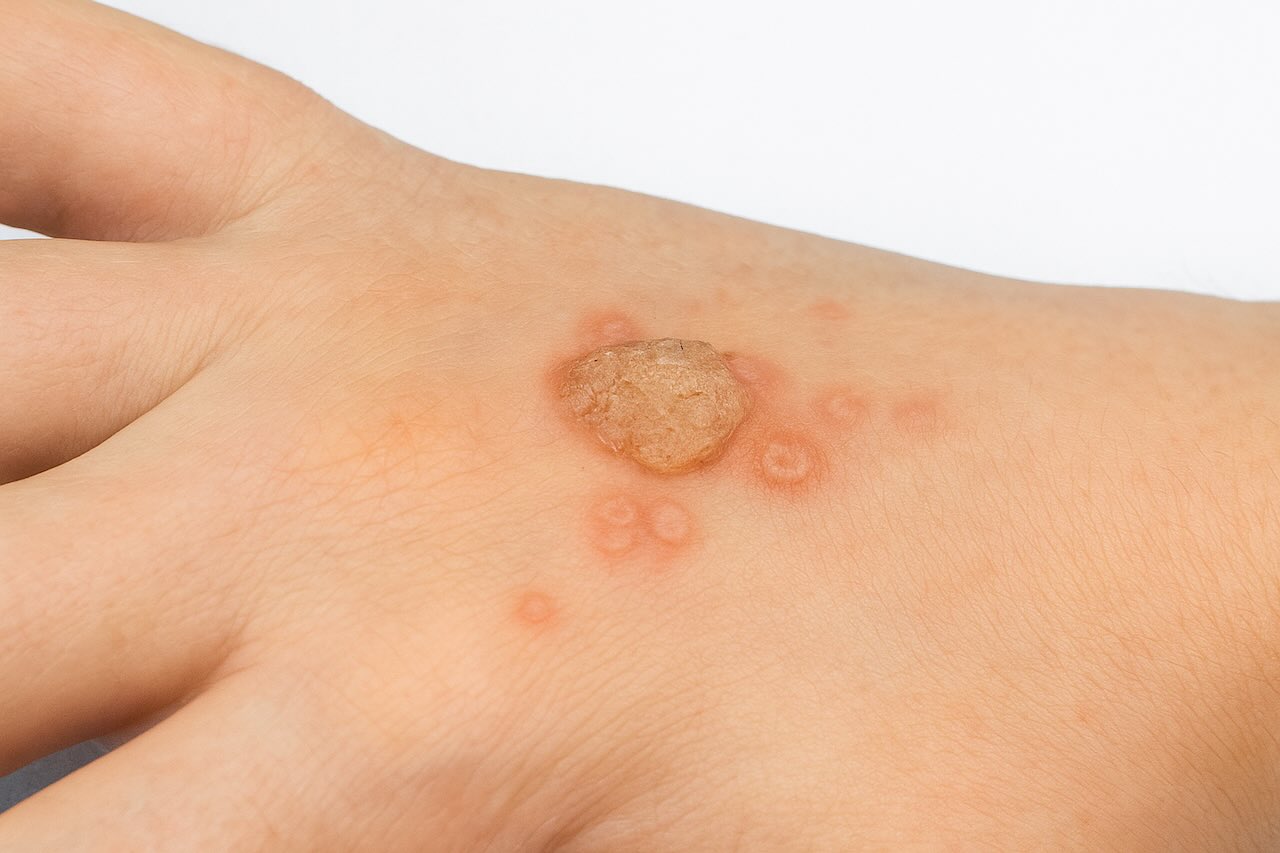
Human Papillomavirus (HPV) is one of the most common sexually transmitted infections (STIs) worldwide and also one of the most misunderstood. Many people associate HPV with cervical cancer, but this virus can affect both men and women, leading to various skin and mucosal infections.
While some HPV strains are harmless and go away on their own, others can cause genital warts or increase the risk of certain cancers. Understanding how HPV spreads, its symptoms, and the available treatments can help you protect your health and prevent long-term complications.
What Is HPV?
HPV, or Human Papillomavirus, refers to a group of over 100 related viruses, each identified by a specific strain number. Some types infect the skin, while others affect the genital and throat areas. HPV is transmitted primarily through skin-to-skin contact during vaginal, anal, or oral sex.
You do not need to have visible symptoms to spread the virus, meaning even those who appear healthy can transmit HPV unknowingly. Most HPV infections clear up naturally within one to two years, but persistent infection with high-risk strains can lead to more serious conditions such as cervical, anal, penile, or throat cancers.
Types of HPV
HPV is made up of over 100 different strains, each affecting the body in unique ways. These strains are grouped into two main categories based on their risk level:
Low-Risk HPV
Low-risk strains such as HPV 6 and 11 cause genital warts, which appear as small growths or bumps around the genital area, anus, or mouth. These warts are non-cancerous but can be uncomfortable and emotionally distressing.
High-Risk HPV
High-risk strains such as HPV 16 and 18 are responsible for about 70% of cervical cancer cases globally. They can also lead to cancers of the vulva, vagina, penis, anus, and throat if not treated.
Understanding the difference between low-risk and high-risk HPV is key to prevention and early intervention. Regular checkups, safe sexual practices, and vaccination remain the most effective ways to protect against HPV-related diseases.
Common Causes and Risk Factors
HPV is extremely common, and nearly all sexually active adults will contract it at some point in their lives. However, certain factors can increase your risk of persistent infection:
- Unprotected sex: Skin-to-skin or fluid contact without protection increases transmission risk.
- Multiple sexual partners: Having multiple partners raises the likelihood of exposure to HPV.
- Weakened immune system: Those with compromised immunity, such as HIV patients, are more prone to infection.
- Smoking: Tobacco weakens the immune system and raises the risk of HPV-related cancers.
- Early sexual activity: Beginning sexual activity at a young age increases the chance of exposure.
- Lack of vaccination: Not getting the HPV vaccine leaves you vulnerable to infection and its complications.
Maintaining safe sexual practices, getting vaccinated, and attending regular checkups are the most effective ways to prevent HPV-related diseases.
Symptoms of HPV
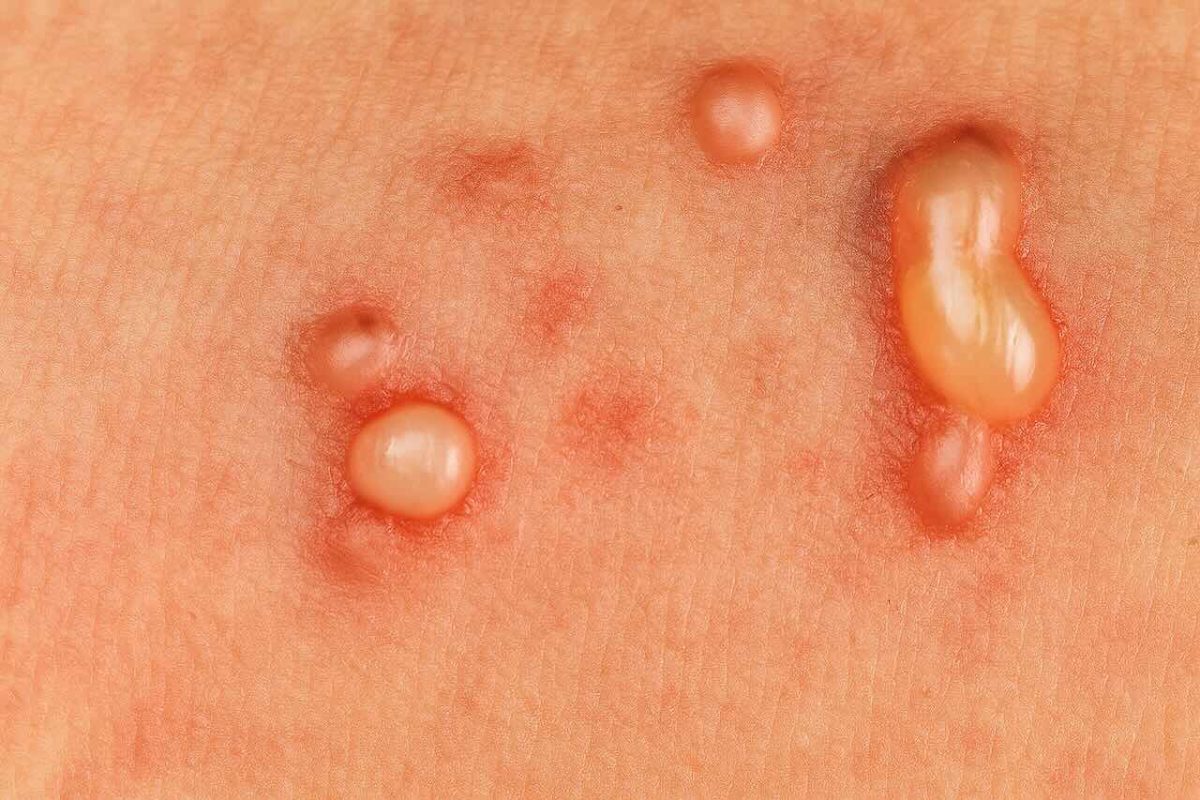
HPV symptoms can differ depending on the strain and the area it affects. Some individuals may never experience visible signs, while others might develop growths or abnormal cell changes. Since many HPV infections are asymptomatic, regular screening is the most reliable way to detect and manage the virus early.
Men
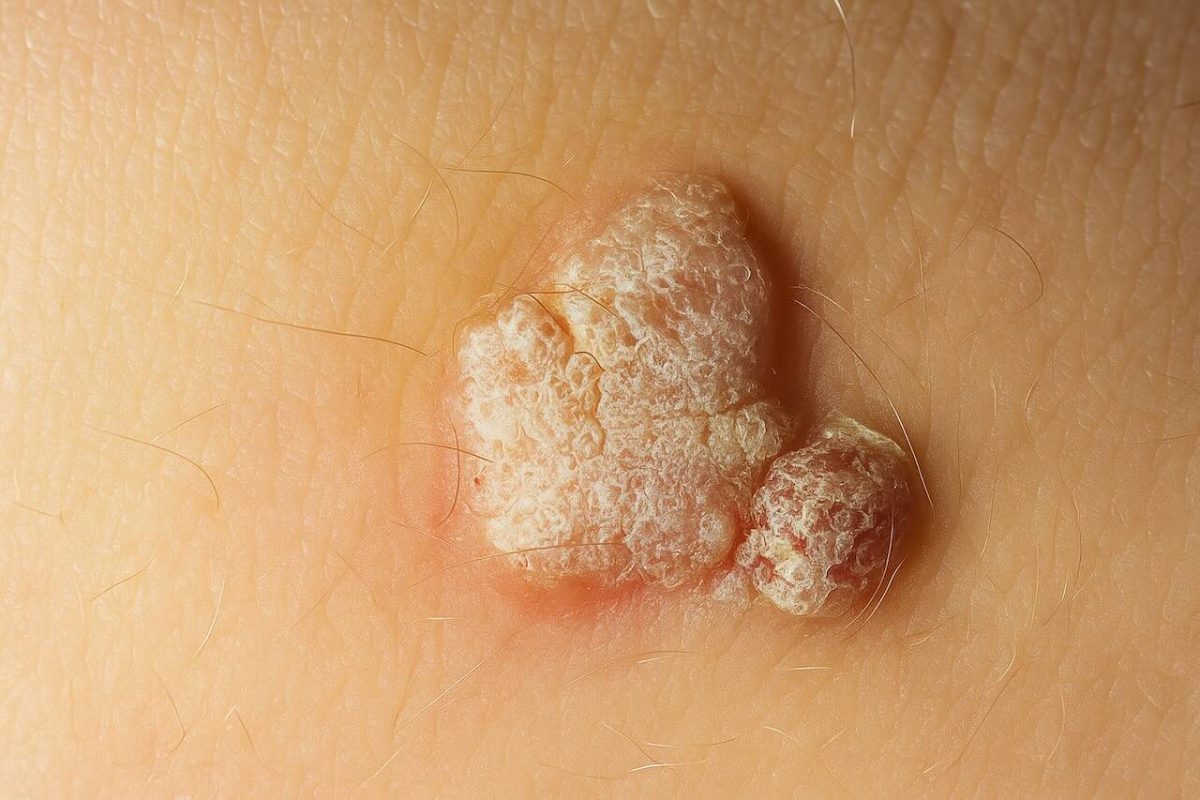
Men infected with HPV may notice warts on the penis, scrotum, groin, or anus. These warts can appear as flat, raised, or cauliflower-shaped growths. Some men experience itching or irritation in the genital area, while in rare cases, HPV may cause lesions in the mouth or throat due to oral transmission.
Women
In women, HPV can cause genital warts around the vulva, vagina, or anus. Some may also experience abnormal vaginal bleeding or discharge. In more advanced stages, pelvic discomfort or pain may occur. Because women are more prone to long-term complications such as cervical cancer, routine Pap smears and HPV tests are essential for early detection.
General Signs for Both Sexes
HPV can also affect both men and women in ways that are not immediately visible. Common signs include throat irritation or hoarseness if the infection involves the throat, or flat or raised bumps in the genital region. However, many people show no visible symptoms at all, which is why regular medical screening is critical for maintaining sexual health.
Because HPV can remain dormant for months or even years, regular testing plays an essential role in early detection and prevention.
How HPV Is Diagnosed
HPV is often discovered during a routine sexual health screening or Pap smear test.
- Pap Smear (for women): Detects abnormal cell changes in the cervix that could lead to cancer.
- HPV DNA Test: Identifies the presence of high-risk HPV strains.
- Visual Examination: Used to diagnose visible genital warts.
- Biopsy: Confirms whether cell changes are precancerous or cancerous.
Regular screening helps identify infections early and ensures that treatment begins before complications develop.
Treatment Options for HPV
There is currently no cure for HPV itself, but most infections clear up naturally within one to two years. Treatments focus on managing symptoms, removing visible warts, and preventing further complications. Early medical care helps ensure faster recovery and reduces the risk of transmission to others.
Topical Medications
Medications such as imiquimod, podophyllin, or trichloroacetic acid (TCA) help remove warts and reduce recurrence. These are applied by a doctor or under medical guidance for best results. Regular use as prescribed helps shrink lesions and prevent them from spreading to nearby areas.
Cryotherapy
Cryotherapy is a quick, in-clinic procedure that freezes and removes warts or abnormal tissue using liquid nitrogen. It is safe, effective, and requires little to no recovery time. This treatment also promotes skin regeneration, leaving the affected area smoother and healthier.
Laser Treatments
Advanced laser treatments such as Pico Laser or Dual Yellow Laser precisely target pigmentation, warts, and uneven skin texture. These procedures stimulate healing while minimizing the risk of scarring and recurrence. Laser therapy is ideal for those seeking a precise, non-invasive solution with visible improvement.
Surgical Excision
For more severe or recurring HPV cases, minor surgical excision may be necessary to completely remove warts or precancerous lesions. This method ensures thorough removal of affected tissue and prevents regrowth. The procedure is performed under local anesthesia for maximum comfort.
Regular Monitoring
Ongoing medical follow-ups are crucial to ensure that abnormal cells are detected and managed early before developing into cancer. Regular screenings allow doctors to track progress, adjust treatments if needed, and maintain optimal skin and reproductive health.
The Importance of the HPV Vaccine
The HPV vaccine is one of the most effective ways to prevent infection and reduce the risk of HPV-related cancers, including cervical, anal, and throat cancer. It protects against both high-risk and low-risk strains of the virus and offers long-lasting immunity. Widespread vaccination has significantly lowered HPV infection rates worldwide.
Available Vaccines in Malaysia
- Gardasil 9: Protects against nine HPV strains, including high-risk types (16 and 18) and low-risk types (6 and 11).
- Cervarix: Specifically targets HPV 16 and 18, which are responsible for the majority of cervical cancer cases.
Who Should Get Vaccinated
- Adolescents aged 9–14: The ideal age for maximum protection before sexual exposure.
- Adults up to 45 years old: Those who haven’t been vaccinated can still benefit from protection.
- Both men and women: The vaccine helps prevent genital warts and multiple HPV-related cancers.
The HPV vaccine is safe, well-researched, and highly effective. Getting vaccinated not only protects you but also helps reduce the spread of HPV in the community, contributing to better long-term public health.
Prevention Tips for HPV
While vaccination remains the most effective way to prevent HPV infection, maintaining healthy habits and practicing safe sex significantly lowers your overall risk. These small, consistent actions support your immune system and help protect against HPV-related complications.
- Practice safe sex with barrier protection like condoms.
- Limit the number of sexual partners.
- Avoid smoking and maintain a strong immune system.
- Schedule regular Pap smears and HPV screenings.
- Practice good genital hygiene.
Combining vaccination with these preventive habits offers the best defense against HPV and helps maintain long-term reproductive and skin health. Taking proactive steps today ensures better protection for you and your partner in the future.
When to See a Doctor
Seek medical advice if you notice any unusual growths, irritation, or discomfort in the genital or throat area. Even without visible symptoms, sexually active individuals should get tested regularly.
Dr. Chong Clinic offers confidential HPV testing, vaccination, and treatment with FDA-approved technologies. Our experienced aesthetic and medical doctors provide personalized, discreet care tailored to your specific needs, helping you maintain your health and peace of mind.
Protect Your Health with Early Prevention
HPV is extremely common, but it is both preventable and manageable. Regular testing, vaccination, and professional care can protect you from infection and its long-term effects. Taking proactive steps such as practicing safe sex, maintaining good hygiene, and staying informed about your health can make all the difference in prevention and early treatment.
At Dr. Chong Clinic, our LCP-certified doctors offer advanced, confidential, and customized HPV care, from diagnosis and treatment to prevention. Take charge of your sexual health today. Contact Dr. Chong Clinic for a private consultation and protect yourself and your loved ones from HPV.
Frequently Asked Questions (FAQs)
1. Can HPV go away on its own?
Yes. In most cases, the body’s immune system clears the infection naturally within one to two years. However, persistent high-risk strains may require medical monitoring.
2. Can men get HPV too?
Absolutely. HPV affects both men and women. In men, it can cause genital warts, anal cancer, and throat infections if left untreated.
3. Is the HPV vaccine safe?
Yes. The HPV vaccine is safe, well-researched, and approved by global health authorities. Side effects are usually mild, such as soreness at the injection site.
4. How often should I get tested for HPV?
Women should have regular Pap smears and HPV tests every 3–5 years, depending on age and risk factors. Men can discuss screening options with a healthcare provider if exposed or symptomatic.
*All images used in this article are AI-generated.