Blog
Ingrown Hair: Causes, Treatments, and Prevention

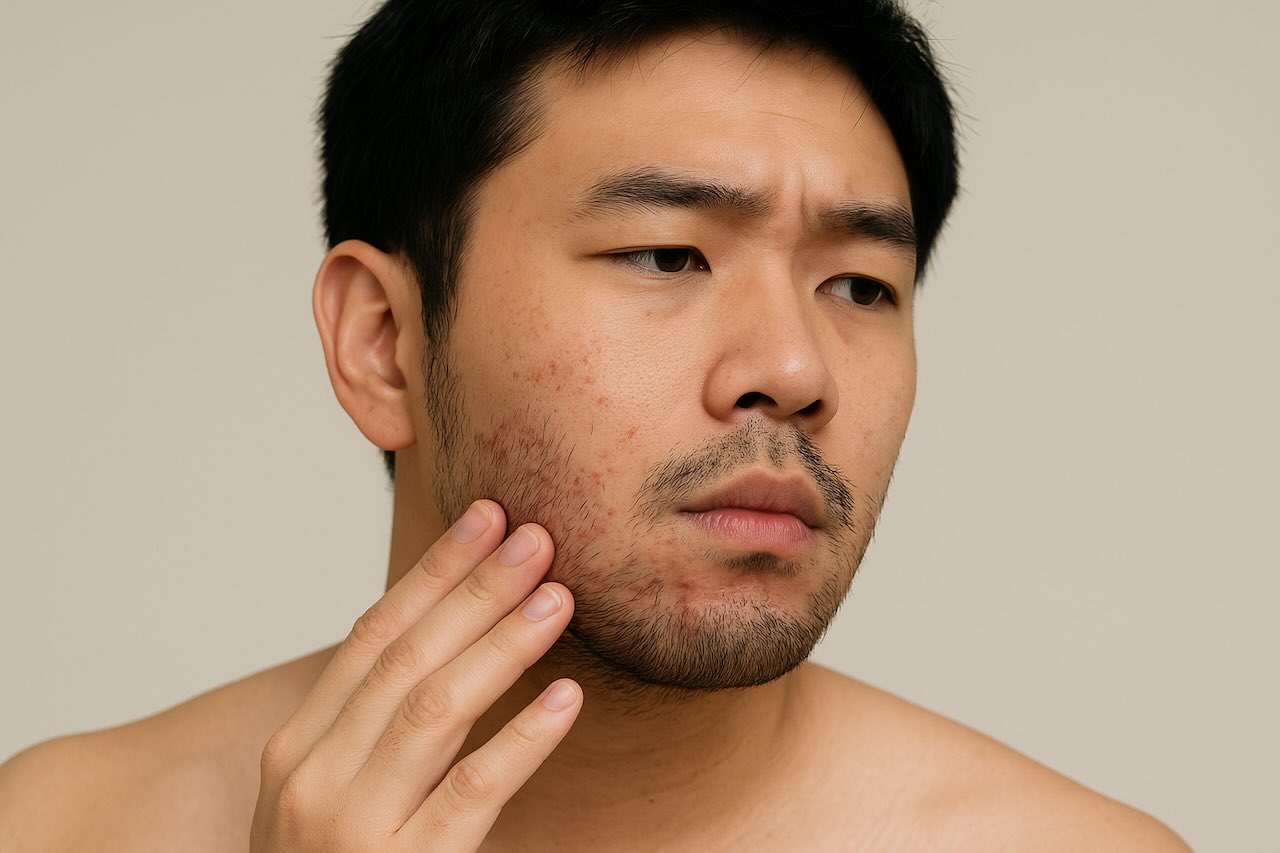
Ingrown hairs are a common skin concern that affect both men and women, particularly in areas where hair removal is frequent, such as the face, underarms, bikini line, and legs. An ingrown hair occurs when a hair grows back into the skin instead of rising to the surface. This can cause small red or dark bumps that may feel itchy, tender, or even painful.
While many ingrown hairs clear up on their own, they can sometimes lead to hyperpigmentation marks, scarring, or even cysts. Understanding the causes and learning how to treat and prevent ingrown hairs can help you maintain smoother, healthier skin.
What Causes Ingrown Hairs?
Ingrown hairs happen when hair regrowth does not follow its natural path out of the follicle. Instead, the hair curls back into the skin or gets trapped beneath the surface. This process triggers irritation, inflammation, and the small, raised bumps commonly associated with ingrown hairs.
- Hair removal methods: Shaving, waxing, and tweezing cut hairs sharply, making them more likely to curl back into the skin.
- Hair type: People with coarse or curly hair are more prone to ingrown hairs because strands naturally bend toward the skin.
- Friction: Tight clothing and sports gear can irritate follicles and trap hairs.
- Clogged pores: Dead skin cells, oil, or debris can block the follicle opening, forcing the hair to grow sideways under the skin.
- Improper shaving habits: Using a dull razor, shaving against the grain, or stretching the skin can increase the risk of hairs curling inward.
If untreated, repeated ingrown hairs can sometimes leave behind pigmentation or scars. For dark spots caused by ingrown hairs, pigmentation treatments can help restore an even skin tone.
Symptoms of Ingrown Hairs
Typical signs of ingrown hairs include small, raised red or dark bumps that may feel itchy or tender to the touch. In some cases, the bumps become pus-filled and resemble pimples. As the area heals, it can leave behind dark spots or discoloration, known as post-inflammatory hyperpigmentation.
More severe cases may lead to painful, swollen lumps when an ingrown hair cyst develops. These signs should not be confused with other acne types such as nodular acne, as ingrown hairs develop when hair grows back into the skin rather than from clogged pores.
How to Treat Ingrown Hairs at Home
Mild ingrown hairs often heal on their own, but simple home remedies can help speed up recovery and ease discomfort. Consistency is key, as gentle care reduces inflammation and prevents further irritation.
1. Stop Hair Removal
Take a break from shaving, waxing, or tweezing the affected area until the skin settles and the hair has grown out naturally. Continuing hair removal can worsen irritation. Waiting a few days often allows the hair to push through on its own.
2. Use Warm Compresses
Applying a warm, moist washcloth helps soften the skin and encourage the trapped hair to break through. Hold it against the area for 10–15 minutes, several times a day, to soothe tenderness and reduce swelling. Adding a little gentle massage during compresses can also stimulate the follicle.
3. Gentle Exfoliation
Light exfoliation removes dead skin cells that may be blocking the follicle. Use mild scrubs or products containing salicylic acid for a chemical exfoliating effect. Consistent exfoliation also reduces the chance of future ingrown hairs.
4. Topical Creams
Over-the-counter treatments with benzoyl peroxide, retinoids, or salicylic acid help reduce inflammation, calm redness, and keep pores clear to prevent secondary breakouts. These creams are especially useful if you are prone to acne-like bumps alongside ingrown hairs.
5. Sterile Tweezers
If the hair is visible at the skin’s surface, carefully lift it with sterile tweezers. Avoid digging or squeezing, as this can push the hair deeper, increase irritation, and raise the risk of infection. Always disinfect the tweezers before and after use to minimise bacteria exposure.
Professional Treatments for Ingrown Hairs
For chronic or severe ingrown hairs that lead to scarring, pigmentation, or recurring irritation, professional treatments provide more effective and lasting results compared to home remedies. These options are especially helpful for people with coarse or curly hair or for those who deal with ingrown hairs regularly in sensitive areas.
Chemical Peels
Chemical peel treatments exfoliate the skin, remove dead cells, and unclog pores. They also improve uneven tone and lighten marks left behind by ingrown hairs. With regular sessions, chemical peels can refine texture and support healthier skin regeneration.
Laser Skin Treatments
Skin laser resurfacing targets inflammation, fade pigmentation, and repair damaged skin caused by ingrown hairs. These treatments also refine texture and reduce the risk of long-term scarring from the bumps. Advanced treatments such as Pico Laser can further refine the skin for a smoother, clearer finish.
Laser Hair Removal
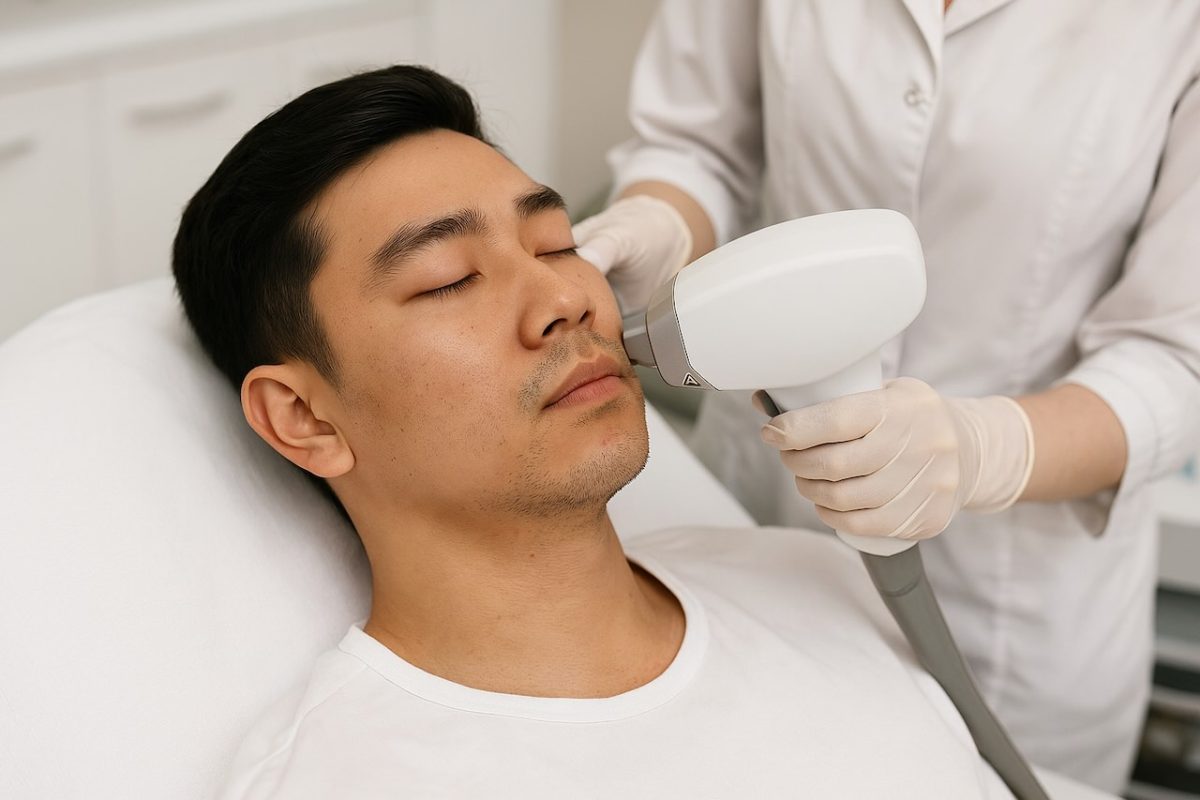
One of the most effective long-term solutions for preventing ingrown hairs is permanent laser hair removal. By targeting the hair follicle directly, laser hair removal reduces regrowth and significantly lowers the chances of hairs curling back into the skin. This makes it particularly useful for areas prone to recurring ingrown hairs.
Skin Rejuvenation
Advanced skin rejuvenation treatments combine light therapy and energy-based technologies to calm irritation and fade dark spots from ingrown hairs. It also helps strengthen the skin barrier for long-lasting results.
How to Prevent Ingrown Hairs
Preventing ingrown hairs is often easier than treating them, and it comes down to combining good shaving techniques with consistent skincare. Always prepare your skin before hair removal by wetting the area and applying a lubricating shaving gel or cream to soften the hair.
Use a sharp single-blade razor, shave in the direction of hair growth, and avoid pulling the skin taut, as this can encourage hairs to curl inward. Rinse the blade after every stroke to prevent buildup of hair and cream, which can clog pores.
For those who struggle with frequent or severe ingrown hairs, alternative hair removal methods such as depilatory creams or laser hair removal can provide long-term relief by reducing hair growth at the root.
When to See a Dermatologist
Seek professional help if ingrown hairs become painful, swollen, red, or filled with pus, as these are signs of infection. You should also consult a dermatologist if ingrown hairs are frequent, recurring, or do not improve with home care. Large, pus-filled lumps, often referred to as ingrown hair cysts, may require medical attention, especially if they are very painful.
In more severe cases, systemic symptoms like fever or feeling unwell can indicate infection spreading beyond the skin. Dermatologists can provide effective solutions, including antibiotics, retinoids, or recommending laser hair removal for long-term prevention.
Say Goodbye to Ingrown Hairs
Ingrown hairs may be frustrating, but they do not have to become a recurring problem. With the right prevention strategies, consistent at-home care, and professional treatments, you can reduce irritation, avoid scarring, and enjoy smoother, healthier skin.
At Dr Chong Clinic, we combine LCP-certified expertise, advanced technologies, and personalised treatment plans to effectively address ingrown hairs, acne scars, pigmentation, and other skin concerns. With over 20 branches nationwide, expert care and visible results are always within your reach.
Book your consultation with Dr Chong Clinic today and take the first step toward clear, bump-free skin and renewed confidence.
Frequently Asked Questions (FAQ) .
1. Do ingrown hairs go away on their own?
Yes, many ingrown hairs clear up without treatment. However, exfoliation, warm compresses, or topical creams can speed up recovery. If the bump becomes painful or infected, seek medical advice.
2. Can I pop an ingrown hair like a pimple?
It is not recommended to pop ingrown hairs, as this can push bacteria deeper, worsen inflammation, and increase the risk of scarring. Instead, use gentle exfoliation or a sterile tweezer if the hair is visible at the surface.
3. How long do ingrown hairs last?
Most mild ingrown hairs improve within a few days to a week. More severe cases, such as ingrown hair cysts, may take weeks and sometimes require professional treatment.
4. What is the best way to prevent ingrown hairs after shaving?
Shave with a sharp, clean razor in the direction of hair growth, use shaving cream, exfoliate regularly, and moisturise afterward. For long-term prevention, laser hair removal is one of the most effective solutions.
*All images used in this article are AI-generated.