Blog
Masseter Botox: A Comprehensive Guide Before Your Clinic Visit

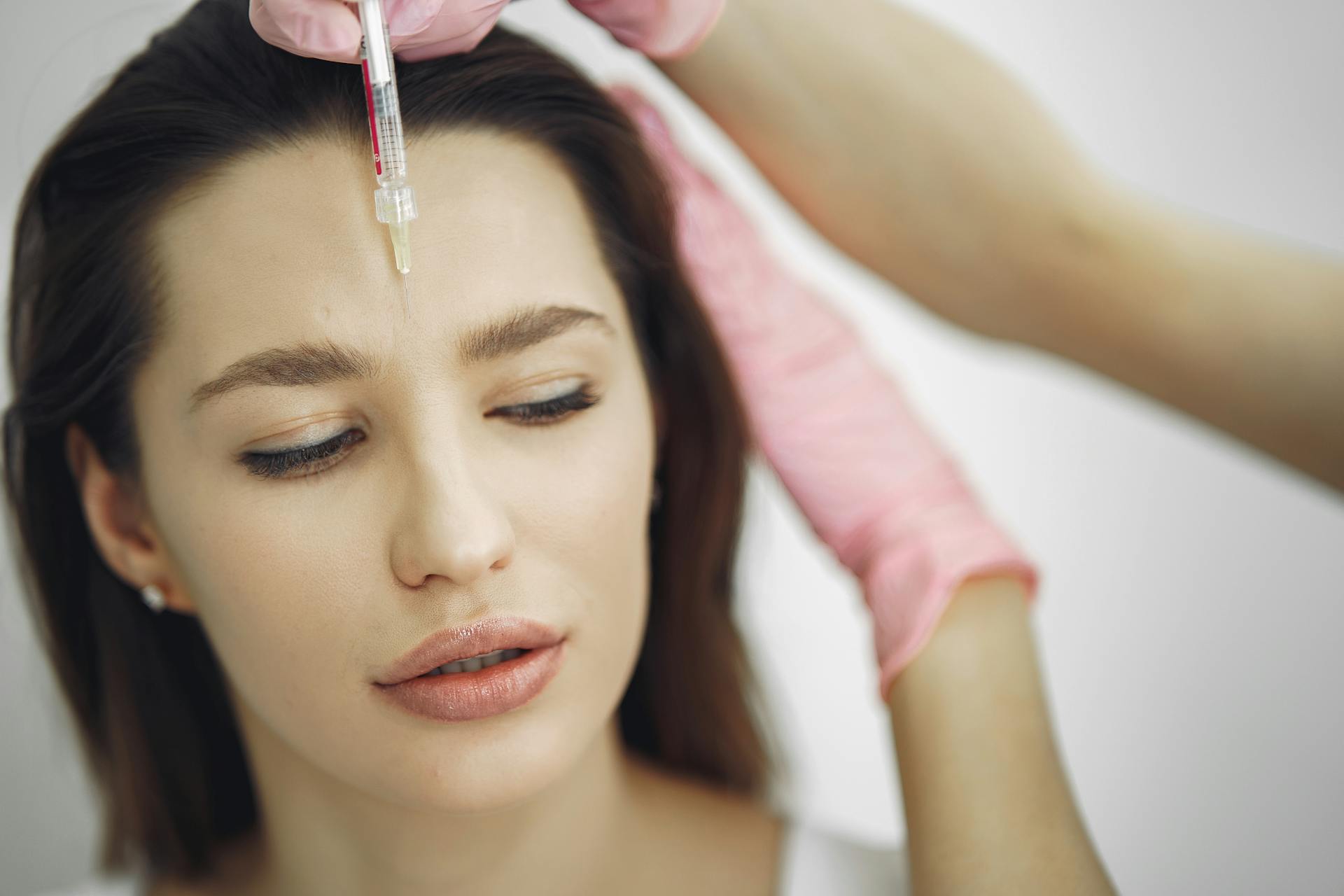
Masseter Botox has become a popular non-surgical option for individuals looking to address concerns ranging from jaw pain to facial contouring. Before stepping into a clinic, understanding what this treatment involves, its potential benefits, and what to expect is crucial.
What is Masseter Botox?
Masseter Botox is a procedure where small amounts of Botox are injected into the masseter muscles located at the edge of your jaw. The masseter is a large, rectangular-shaped muscle that plays a key role in essential functions like chewing, biting, and other facial movements.
When these muscles are overworked, too tight, or enlarged, they can lead to various issues, including pain, headaches, and changes in facial shape. Injecting Botox temporarily blocks nerve signals in this muscle, causing it to relax and weaken.
Related reading: Botox vs Fillers: Which Is Better for Wrinkles?
Understanding the Masseter Muscle
Located on the side of your face, the masseter muscle connects your cheekbone to your lower jawbone. You can feel this muscle by slapping the sides of your face or clenching your jaw. While vital for jaw movement, frequent use can cause the masseter muscle to enlarge over time. An enlarged masseter can give the jawline a wider, square shape that some people find undesirable.
How Botox Works
Botox is the brand name for a neurotoxin called botulinum toxin type A. This injectable muscle relaxer temporarily paralyses or stops muscle contractions by blocking nerve signals that activate the muscle. While widely known for reducing facial wrinkles, its ability to relax targeted muscles makes it useful for other applications, including in the masseter muscle.
Why Consider Masseter Botox?
People seek masseter Botox for a variety of reasons, spanning both medical conditions and cosmetic improvements.
Related reading: Best Treatment for Double Chin in Malaysia
Managing Teeth Grinding (Bruxism)
Bruxism involves tightening or grinding teeth and clenching the jaw. Severe bruxism can lead to symptoms like jaw pain, headaches, tooth sensitivity, and even tooth damage. Botox injections into the masseter can weaken the muscle, reducing the force and frequency of grinding and clenching, thereby minimising pain and other symptoms.
Relieving Temporomandibular Joint Disorders (TMD)
The temporomandibular joints (TMJs) connect your jawbone to your skull. Problems with these joints or surrounding muscles are known as TMDs. Often associated with bruxism and masseter pain, TMD symptoms include jaw pain, headaches, limited jaw movement, and sometimes jaw locking or clicking sounds. Relaxing the masseter muscle with Botox can help alleviate these symptoms.
Treating Headaches
Tension headaches, commonly linked to TMD and muscle tightness, can be managed with masseter Botox. By relieving tension in the jaw and surrounding temple muscles, Botox can help prevent these headaches.
Assisting with Jaw Fractures
In cases of lower jaw fractures, relaxing the masseter muscle with Botox can make surgical realignment and stabilisation easier and potentially aid healing after surgery.
Cosmetic Jaw Contouring
An enlarged masseter muscle can result in a broad, square jawline. Masseter Botox weakens these muscles, leading to a loss of muscle mass over time. This can soften the jawline, creating a slimmer, more angled, or V-shaped face and restoring a more oval or round appearance. It can help balance the overall facial shape.
What to Expect During the Procedure
The masseter Botox procedure is relatively quick and performed in a healthcare provider’s office or clinic.
1. Before Your Visit
Your health care provider will review your medical history, including current medications and supplements. Certain medications, like blood thinners or NSAIDs, can increase bruising risk. You’ll be asked to avoid alcohol for at least 24 hours before treatment. Stay well-hydrated and avoid harsh facial treatments.
2. During the Procedure
The provider may mark the injection sites. A topical numbing cream might be applied to enhance comfort, although the needles used are very fine. To accurately target the muscle, you might be asked to clench your jaw. Small amounts of Botox are then injected into specific areas of the masseter muscle using a fine needle.
The procedure typically takes about 15 minutes. The amount of Botox used (measured in units) varies depending on your specific needs and medical factors, but about 15 units is a common starting point.
3. After the Procedure
You are generally free to go home the same day. Your face might feel different, which is normal. Some swelling, bruising, or headaches at the injection site are common.
Post-Treatment Care
Following aftercare instructions is crucial for optimal results and to minimise side effects.
- Do: Speak up if you have prolonged pain. Be patient; results take a few days to a week. Stay hydrated. You can smile; it won’t affect the treatment.
- Don’t: Rub or press the treated area. Avoid lying down right after the injection. Do not drink alcohol. Avoid facials or facial massages. Steer clear of intense exercise. Avoid hot showers, saunas, or steam rooms for about 24 hours, as heat can cause bruising or the Botox to move.
These restrictions help prevent the liquid Botox from spreading to unintended areas, which could affect your smile or other facial movements. Your facial muscles may feel tired or weaker, and chewing hard foods might require more effort.
Results and How Long They Last
Most people begin to see results from masseter Botox within a few days to a week. The full effects typically become apparent around one week. Results usually last anywhere from 2 to 4 months, although some sources suggest they can last 3 to 4 months, or even 6 to 9 months for masseter muscle prominence in some individuals. Since the effects are temporary, repeat treatments are necessary to maintain the results.
Potential Side Effects
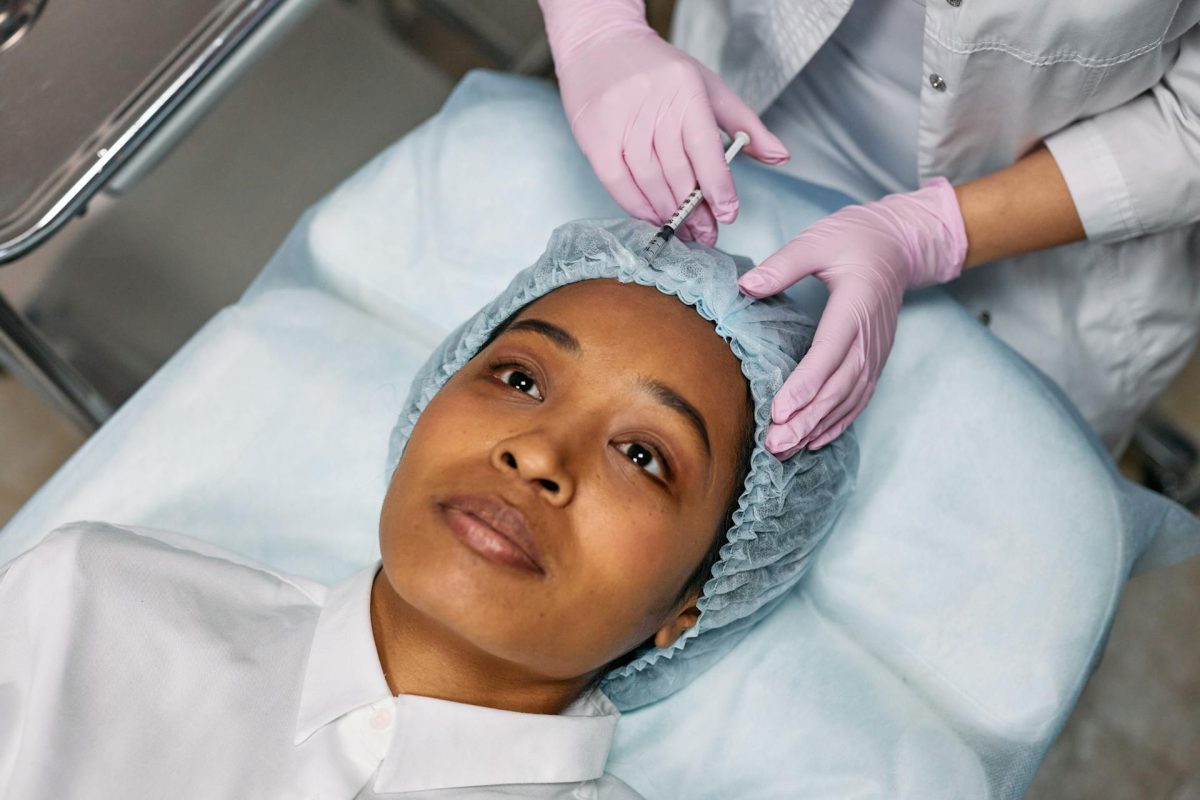
While generally considered safe, masseter Botox does carry potential side effects. Common temporary side effects include pain, swelling, or bruising at the injection site, and headaches.
Less common or more significant side effects can include:
- Masseter muscle weakness or difficulty chewing
- Crooked smile or facial asymmetry
- Temporary facial drooping or weakness
- Sunken cheeks (if too much Botox is used)
- Dizziness
- Vision problems (blurred vision)
- Trouble swallowing or slurred speech
- Shortness of breath
- Symptoms of a urinary tract infection
Many side effects, particularly those affecting facial movements, can occur if Botox is injected into the wrong muscle or if too much is used. Drooping in the eyelid or eyebrow is possible but not common. If you experience severe or concerning side effects, contact your doctor immediately. Avoid Botox if you are pregnant, breastfeeding, or have certain nerve or muscle disorders.
Why Choose Dr Chong Clinic for Masseter Botox in Malaysia
Masseter Botox can be a game-changing solution for people dealing with teeth grinding, TMD, or facial asymmetry. However, it’s not a one-size-fits-all treatment — and it’s crucial to understand the underlying cause of your concern before considering injectables.
At Dr Chong Clinic, our team of LCP-certified aesthetic doctors provides comprehensive facial consultations to assess jawline concerns, skin texture, muscle tension, and aesthetic goals. Based on your needs, we may recommend safe, non-invasive alternatives such as:
We also offer:
- Customised treatment plans for both medical and cosmetic concerns
- Use of MOH-approved, clinically tested Botox products
- A commitment to safety, comfort, and ethical care
- Convenient access to our multiple branches across Kuala Lumpur, Penang, Johor Bahru, and beyond
Book your consultation today and take the next step toward a slimmer, more relaxed jawline — with results you can trust from a clinic patients across Malaysia rely on
Frequently Asked Questions (FAQ)
1. How Long Does Masseter Botox Last?
Most patients see visible results within 1 week, with full effects developing shortly after. The slimming and tension-relieving benefits typically last 3 to 6 months, depending on muscle strength and metabolism. Regular sessions are recommended for sustained jawline contouring or bruxism relief.
2. Is Masseter Botox Painful?
Discomfort is minimal. The procedure uses ultra-fine needles and may include a numbing cream. Most patients describe it as a few brief pinches. Mild swelling or tenderness post-treatment is normal and usually subsides within a day or two.
3. Can I Eat Normally After the Treatment?
You can resume eating soon after your session, but chewing hard foods like nuts or steak may feel slightly tiring for a few days. Stick to softer meals initially if your jaw feels weak. Normal chewing strength returns as your muscles adapt.
4. What Other Treatments Does Dr Chong Clinic Offer?
In addition to masseter Botox, we offer a wide range of aesthetic and medical treatments, including:
- Dermal fillers in Malaysia
- HIFU facelift treatment in Malaysia
- Oxy Facial in Malaysia
- Fractional CO2 Laser for acne scars
Our LCP-certified doctors tailor each treatment to your facial anatomy and goals to ensure natural, balanced results. Book a consultation to explore the best options for your needs.