Blog
Nasolabial Fold (Smile Lines): What Are They, Causes, Treatments

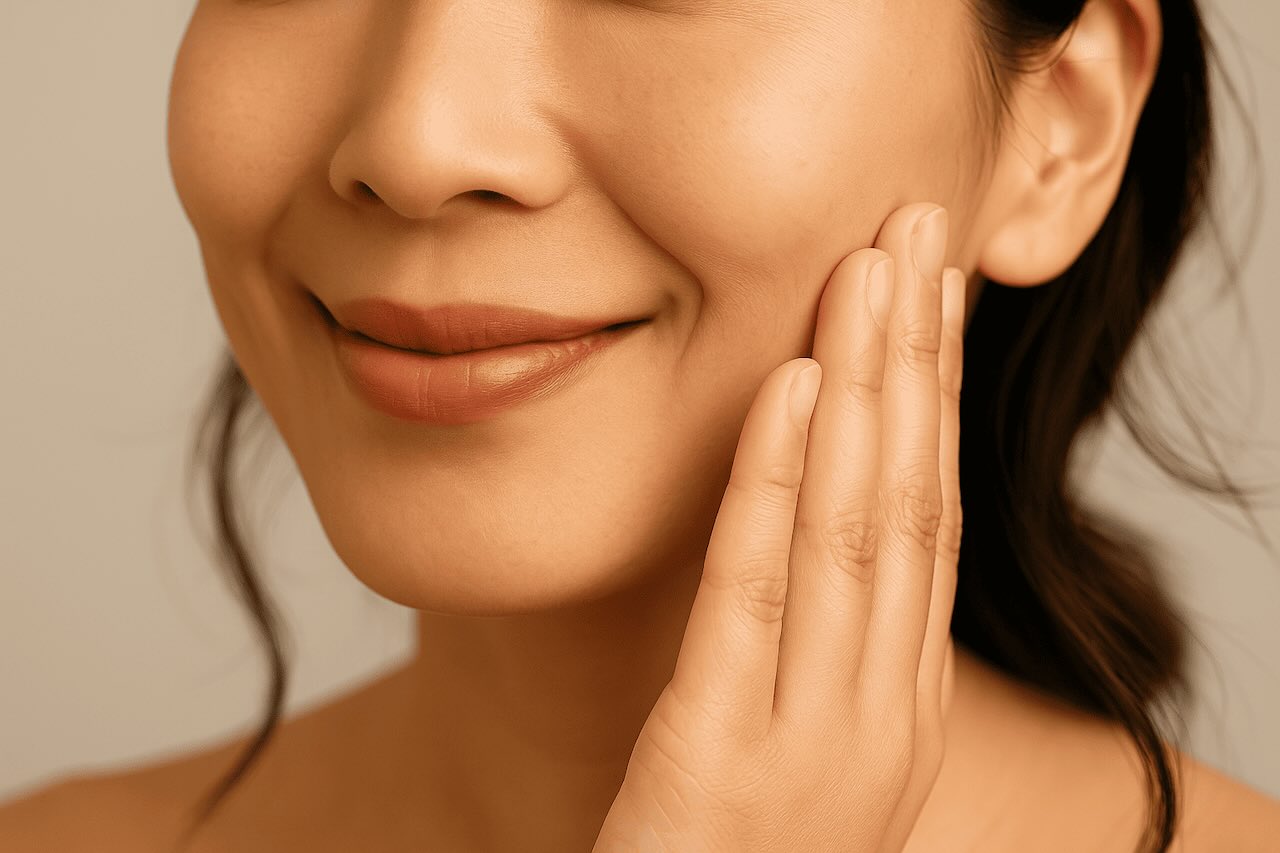
Nasolabial folds, often called smile lines, are a common concern for those seeking to maintain a smooth, youthful appearance. These natural facial lines can become more noticeable over time due to factors such as ageing, sun exposure, and skin volume loss.
Fortunately, a range of non-surgical and minimally invasive treatments is available to help soften these lines and enhance facial contours safely and effectively.
What are Nasolabial Folds?
Nasolabial folds, often referred to as smile lines or laugh lines, are natural creases in your skin that extend from both sides of your nose to the corners of your mouth. These folds are a normal part of human anatomy, and nearly everyone has them, with exceptions such as newborns or individuals with facial paralysis.
Appearance and Progression
When you are younger, nasolabial folds might only appear when you smile or laugh and vanish as your face relaxes. However, with time, these lines can become deep, permanent wrinkles that remain visible regardless of your facial expression. They can appear symmetrically or asymmetrically.
Some individuals may also develop additional lines adjacent to the nasolabial folds or lines extending down to the chin, sometimes referred to as marionette lines.
Diagnosis
There are no medical tests required to diagnose nasolabial folds; their presence is identified visually. The decision to seek medical treatment for their appearance is entirely personal.
Causes of Nasolabial Folds
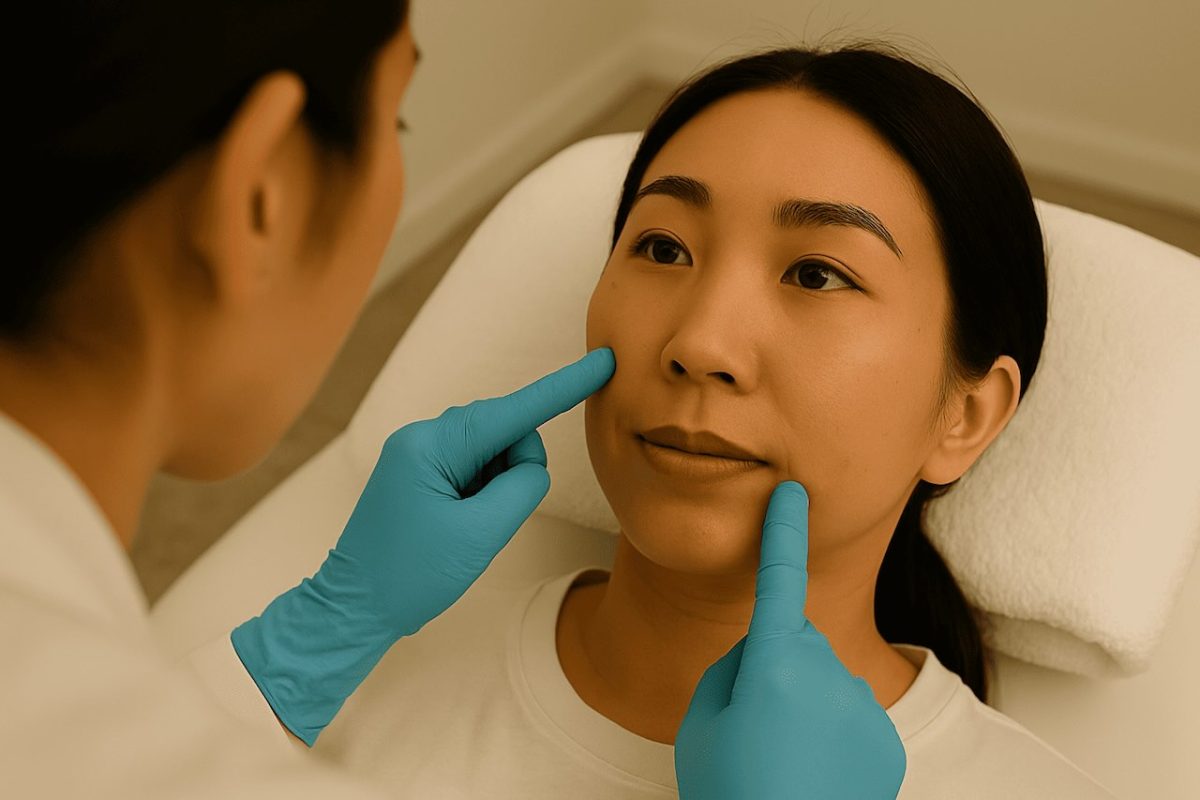
The deepening and increased prominence of nasolabial folds are typically a result of several contributing factors, often in combination.
Ageing
As you age, your cheekbones may flatten, and gravity can pull down loose skin in the area. Your skin also naturally loses collagen and elastin, which are crucial for maintaining its elasticity, resilience, stretchiness, and ability to return to its original shape. The fat pads in the cheeks can also sag over time.
Smoking
Smoking destroys collagen and elastin, which accelerates skin ageing and thus the appearance of wrinkles.
Sun Damage
Exposure to the sun’s ultraviolet (UV) rays breaks down collagen and elastin, leading to premature ageing and wrinkles.
Weight Fluctuations
Significant weight loss can result in excess, looser skin, while weight gain can lead to plumper cheeks. Both scenarios can accentuate nasolabial folds.
Facial Expressions
While smiling and laughing are positive for mental health, repetitive facial expressions can cause these lines to deepen over time.
Certain upper lip elevator muscles (such as levator labii superioris alaeque nasi, levator labii superioris, and zygomaticus major and minor muscles) attach to the skin near the nasolabial fold. When these muscles contract during smiling, they can pull the skin, creating a concavity below the fold and increasing the prominence of the fat layer above it, thus deepening the fold.
Volume Deficiency
In some cases, a lack of volume in the area next to the nasal alar (the side of the nose) can create a hollow appearance in the buccal (cheek) area, forming deep lines that resemble wrinkles.
Treatment Options for Nasolabial Folds
If you are considering treatment for nasolabial folds, it is best to consult a qualified dermatologist or aesthetic doctor. Each treatment varies in intensity, downtime, and suitability. A professional can assess the cause and severity of the folds and recommend personalised solutions, typically starting with minimally invasive procedures.
1. Dermal Fillers
Dermal fillers are among the most common treatments for nasolabial folds. By injecting substances such as hyaluronic acid or calcium hydroxylapatite into the skin, these fillers restore volume, lift the skin, and soften the appearance of deep lines. Results are temporary, typically lasting six months to a year. While generally safe, fillers carry potential risks such as bruising, swelling, or rare vascular complications.
2. Botulinum Toxin Injections (Botox®)
Botulinum toxin injections help relax muscles that contribute to nasolabial folds. By reducing muscle movement, the appearance of folds can be softened for several months. This option is often used in combination with other treatments.
3. Skin-Tightening Procedures
Non-surgical treatments like laser therapy, ultrasound, radiofrequency, or intense pulsed light can stimulate collagen production, improving skin firmness. These procedures may be suitable for early signs of sagging but are usually less effective for deeper folds.
4. Surgical Options
For more pronounced folds, surgical procedures such as cheek lifts, facelifts, or subcision may be recommended. Surgery provides longer-lasting, more dramatic results but involves higher costs, longer recovery, and increased risk of complications.
5. Thread Lifting Techniques
Thread lifts offer a minimally invasive alternative to surgery.
- Cog Thread Implementation (Reverse Technique): Cog threads are inserted and anchored near the temples, lifting lax skin above the nasolabial fold. This technique reduces depth and improves contour, particularly in the mid-cheek area.
- Volumising Threads (Cross Technique): Multiple threads are placed across the wrinkle line to support the skin and stimulate collagen, gradually reducing the appearance of folds and fine lines.
6. Retinoids
Topical retinoids can help reduce fine lines by stimulating collagen production over time. Consistent use, combined with daily sunscreen and moisturiser, is key to minimising irritation and maximising benefits.
Prevention and Home Care

While it is not possible to permanently prevent nasolabial folds, as they are a natural part of ageing, certain strategies can help reduce their risk, delay their appearance, and make them less prominent.
Sun Protection
Apply sunscreen with at least SPF 30 daily and reapply frequently, especially if sweating or swimming. Avoid tanning beds, as UV rays accelerate skin ageing and wrinkle formation.
Avoid Smoking
Quitting or refraining from smoking helps preserve collagen and elastin in the skin, which can help prevent nasolabial folds.
Healthy Lifestyle
Maintain a balanced diet, engage in regular exercise, get sufficient sleep, and moderate alcohol consumption. A healthier body generally leads to healthier skin.
Gentle Skincare
Use a gentle cleanser and moisturiser at least twice a day. Be gentle with your skin and avoid products that cause stinging or burning unless prescribed, as irritation can exacerbate signs of ageing. Skincare products containing antioxidants like vitamin C and retinol can help protect collagen and elastin, contributing to a more youthful appearance.
Sleep Position
Sleeping on your back may help counteract the gravitational effects on laugh lines. If you typically sleep on your side, try to switch positions regularly.
Facial Exercises
Although scientific research on their effectiveness is limited, some individuals perform daily facial exercises to strengthen the muscles around the mouth, which may help make the folds less noticeable. Examples include puckering your lips upwards or outwards, and gently pulling the corners of your mouth with your fingers.
Personalised Nasolabial Fold Treatments in Malaysia
For personalised solutions to reduce the appearance of nasolabial folds, book a consultation with Dr Chong Clinic, a leading aesthetic clinic in Malaysia known for safe, advanced treatments and medically proven results.
- Trusted Expertise: Our team of LCP-certified aesthetic doctors specialises in minimally invasive and non-surgical facial rejuvenation.
- Advanced Technologies: We offer a full range of cutting-edge treatments including dermal fillers, thread lifts, laser skin tightening, and collagen-stimulating procedures.
- Customised Care: Every treatment plan is tailored to your facial structure, skin condition, and personal goals to ensure natural-looking, long-lasting results.
Book your consultation with Dr Chong Clinic today at one of our 20 branches nationwide, and let our trusted experts help you regain your skin’s confidence and vitality.
Frequently Asked Questions
1. What are the best treatment options for deep nasolabial folds?
The most effective treatments for deep nasolabial folds often include hyaluronic acid fillers, poly-L-lactic acid injections, and thread-lifting techniques such as PDO threads. In some cases, radiofrequency microneedling or CO2 laser resurfacing may also be recommended to stimulate collagen and improve skin firmness. A personalised aesthetic assessment ensures the right combination of treatments tailored to your needs.
2. Can nasolabial folds affect facial symmetry and appearance?
Yes, pronounced nasolabial folds can impact facial symmetry, contributing to a more aged or tired appearance. Addressing these lines not only softens the folds but also helps restore a youthful appearance and balanced facial proportions, which can boost self-esteem and confidence.
3. Is it possible to prevent nasolabial folds from becoming more prominent?
While nasolabial folds are a natural part of ageing, prevention strategies can help slow their progression. Consistent sun protection, avoiding smoking, maintaining skin hydration, and early use of topical retinoids can all support collagen preservation and delay premature ageing. Aesthetic consultations can also provide preventive care tailored to individual skin needs.
4. How do I know which nasolabial fold treatment is right for me?
The right treatment depends on factors such as skin condition, depth of folds, and personal goals. A thorough consultation with an experienced aesthetic doctor involves facial assessment, treatment planning, and discussion of minimally invasive and surgical options to create a customised care plan that delivers natural-looking results.
*All images used in this article are AI-generated.