Blog
Over-Exfoliation: Causes, Symptoms & How to Repair Your Skin Barrier


If your skin suddenly feels tight, irritated, red, or unusually sensitive after using scrubs, acids, or active skincare, you may be dealing with over-exfoliation. This is becoming increasingly common, especially with the rise of skincare acids, DIY routines, and trends like skin cycling, where people unknowingly push their skin barrier beyond its limit.
In Malaysia’s hot and humid climate, paired with pollution, sweat, and frequent cleansing, many people turn to exfoliation to achieve glowing, clear skin. While exfoliation is essential for removing dead skin cells and unclogging pores, too much of a good thing can damage your skin barrier, leading to inflammation, breakouts, dark spots, and long-term sensitivity.
The good news? Over-exfoliation is treatable with the right care, and your skin can fully recover.
What Is Over-Exfoliation?
Over-exfoliation occurs when the skin’s natural barrier becomes damaged due to excessive physical scrubbing, strong acids, or frequent use of exfoliating products. When this protective barrier is compromised, the skin struggles to retain moisture and defend itself from irritants, leading to a host of symptoms ranging from redness to burning sensations.
Healthy skin naturally sheds dead skin cells, but aggressive or frequent exfoliation disrupts this process and exposes the fresh, delicate layers underneath. This results in irritation, inflammation, and a weakened barrier, often mistaken for acne, allergies, or breakouts.
Common Signs & Symptoms of Over-Exfoliation
Over-exfoliated skin can look and feel drastically different. If you notice several of these signs, your skin may need immediate repair:
- Persistent redness or blotchy skin
- Burning or stinging after applying skincare
- Tightness, dryness, or rough dry patches
- Sudden breakouts, blind pimples, or comedonal acne
- Increased sensitivity and inflammation
- Peeling or flaking skin
- Shiny yet irritated appearance (from barrier thinning)
- Worsening pigmentation or post-inflammatory hyperpigmentation (PIH)
- Heightened reactivity to products that previously felt normal
These symptoms often mimic fungal acne, allergic eczema, or rosacea, but unlike these conditions, over-exfoliation is directly linked to your skincare habits.
What Causes Over-Exfoliation?
Over-exfoliation doesn’t happen overnight. Instead, it develops through repeated habits or misuse of products. Here are the most common causes:
1. Overusing Chemical Exfoliants (AHAs, BHAs, Retinoids)
Acids such as glycolic acid, salicylic acid, and mandelic acid are effective for treating clogged pores, textured skin, dullness, and acne-prone skin. However, using them every day or layering several exfoliants at the same time can quickly weaken and thin the skin barrier.
This problem often occurs when people mix combinations like AHAs with retinoids, Vitamin C with exfoliating toners, or at-home acid peels with physical scrubs. Overusing these active ingredients can worsen melasma and post-inflammatory erythema (PIE), which may lead some individuals to seek laser treatment for hyperpigmentation in Malaysia.
2. Harsh Physical Scrubs
Walnut scrubs, abrasive facial brushes, and rough exfoliating towels can create tiny micro-tears in the skin. These small injuries weaken the skin barrier and trigger inflammation, which may lead to breakouts and even conditions such as folliculitis.
3. Exfoliating Too Often
Even gentle exfoliants can cause damage when they are used too frequently. Over-exfoliation often happens when someone uses acids every day, exfoliates both morning and night, exfoliates before and after shaving, or scrubs areas that are already affected by ingrown hair or strawberry skin.
4. Combining Professional Treatments Too Closely
Treatments like Pico Laser, chemical peels, microneedling, Sylfirm X, and carbon peel lasers are effective, but doing them too close together or combining them improperly can cause sensitivity and slow healing. Dermatologists usually space these procedures according to your skin type to prevent over-exfoliation and barrier damage.
5. Using Too Many Active Ingredients at Once
Popular trends like glow-up routines, dewy skin hacks, and multi-step skincare often encourage people to layer several powerful products in a single routine. Using retinoids, exfoliating toners, and brightening serums together increases the risk of irritation, sensitivity, and over-exfoliation.
Who Is More Likely to Experience Over-Exfoliation?
People are more likely to experience over-exfoliation if they have sensitive skin, dry skin, eczema, hormonal acne, or oily skin that is washed too frequently. It can also happen more easily in individuals with a history of pigmentation issues or in those using acne medications that weaken the skin barrier.
Some people who are preparing for professional treatments may also exfoliate too aggressively at home, which can lead to irritation and a damaged barrier before they even begin their procedures.
How to Fix Over-Exfoliated Skin (Step-By-Step Repair Guide)
Repairing over-exfoliated skin requires patience, gentle care, and a temporary break from active ingredients. The goal is to restore your skin barrier so it can protect, hydrate, and heal itself again. Follow these steps to calm irritation, reduce sensitivity, and help your skin return to a healthy balance.
Step 1: Stop All Exfoliating Products
Stop using any exfoliating products, including AHAs such as glycolic, lactic, and mandelic acid, BHAs like salicylic acid, retinoids, physical scrubs, exfoliating cleansers, and at-home chemical peels. Your skin needs time to repair before you reintroduce any active ingredients.
Step 2: Add Skin-Barrier Strengthening Products
Focus on products that help rebuild the skin barrier. Look for ingredients like ceramides, hyaluronic acid, centella asiatica, niacinamide, squalane, and panthenol. Avoid formulas with fragrance or alcohol, and if your skin stings even with basic moisturisers, it is a clear sign that your barrier is damaged and needs gentle care.
Step 3: Protect Your Skin From Sun Exposure
Sun exposure can worsen redness, pigmentation, and melasma, so applying broad-spectrum sunscreen every day is essential. This becomes even more important if you have recently undergone treatments. UV exposure slows healing, increases blotchiness, and may contribute to premature signs of aging such as crow’s feet and forehead lines.
Step 4: Avoid Harsh Cleansers and Overwashing
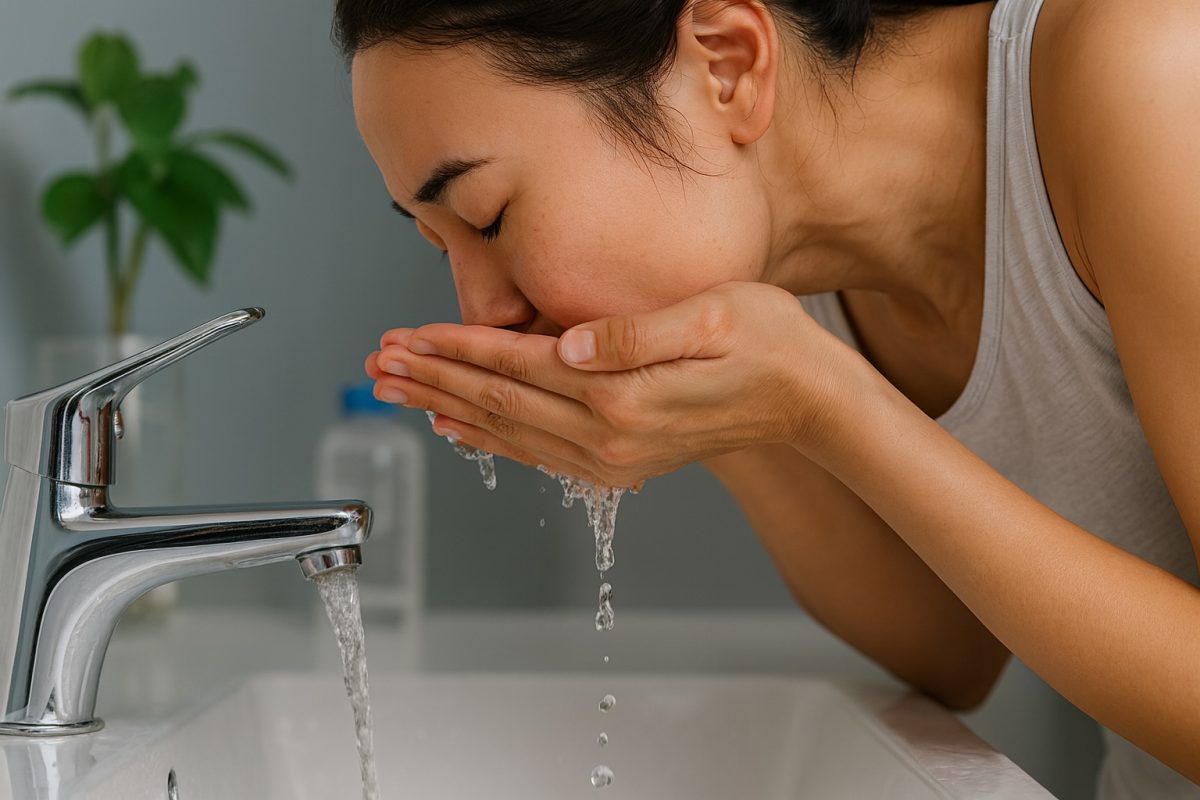
While double cleansing can be helpful for oily skin or heavy makeup use, washing your face too often strips away natural oils and worsens irritation. Choose a mild, hydrating cleanser and limit washing to twice per day.
Step 5: Use Soothing, Hydrating Masks
Sheet masks that contain centella, hyaluronic acid, or ceramides can help calm irritation and speed up the healing process. Avoid masks that include acids, clay, or exfoliating beads, as these can further irritate an already compromised skin barrier.
Step 6: Consider Professional Repair Treatments
If your symptoms do not improve after one to two weeks, professional treatments can help speed up skin-barrier repair and address concerns such as pigmentation, textured skin, enlarged pores, or acne flare-ups. Some effective options include:
- Hydrafacial or Oxy Facial: Provides gentle cleansing, hydration, and repair without harsh exfoliation. This is suitable for acne-prone skin, congested pores, or dullness.
- Golden Wave Treatment: Calms irritation, strengthens the skin barrier, and improves overall hydration.
- Sylfirm X: Great for redness, PIE, broken capillaries, and barrier damage. It is also used for melasma treatment.
- Pico Laser or Dual Yellow Laser Treatment: Targets dark spots, PIH, and pigmentation caused by inflammation. Pico Laser is known as one of the best options for resurfacing without compromising the skin’s barrier.
- Skin Rejuvenation Treatment: Helps restore hydration, smooth texture, and enhance overall radiance.
With the right care, over-exfoliated skin can recover. Focus on healing your barrier first and reintroduce active ingredients only when your skin feels stable again. If irritation or sensitivity continues, a dermatologist can guide you with a personalised plan to restore a calm, healthy, and balanced complexion.
How to Prevent Over-Exfoliation
To prevent over-exfoliation, exfoliate only one to two times a week, avoid mixing acids, and space out professional treatments. Skip harsh scrubbing on acne-prone areas, choose non-clogging products, and keep your skin well hydrated to maintain a strong barrier.
When to See a Dermatologist
You should seek professional help if you experience severe redness or peeling, persistent breakouts such as cystic or nodular acne, pain, burning, or extreme dryness, or if your pigmentation worsens after exfoliation. If your skin does not improve after one to two weeks of gentle care, a dermatologist can assess your condition and determine whether you need targeted treatments.

Healthy, Calm, and Balanced Skin Is Possible
Over-exfoliation can be frustrating, especially when you’re trying to achieve glowing, glass-skin results. But with the right care and a break from aggressive products, your skin can fully recover and become stronger than before.
At Dr. Chong Clinic, our LCP-certified dermatologists offer personalised solutions to repair barrier damage, treat pigmentation, manage breakouts, and rejuvenate your skin safely. Whether you’re dealing with sensitive skin, acne scars, melasma, or uneven texture, our advanced treatments help restore a calmer, smoother complexion.
Book your consultation now and let Malaysia’s leading dermatology experts help you achieve healthy, radiant skin again.
Frequently Asked Questions (FAQs)
1. How long does it take to recover from over-exfoliation?
Mild cases take 1–2 weeks to heal with hydrating care. More severe irritation or pigmentation may require professional treatments like Hydrafacial, Pico Laser, or Sylfirm X.
2. Can over-exfoliation cause acne?
Yes. A damaged barrier leads to inflammation, clogged pores, and breakouts, including blackheads, whiteheads, and blind pimples. This is often mistaken for skin purging.
3. Should I exfoliate if I have sensitive skin?
Yes, but only 1–2 times per week using gentle products. Avoid strong acids or aggressive scrubs. Sensitive skin benefits from gradual exfoliation and strong hydration.
4. Can pigmentation appear after over-exfoliation?
Yes. Inflammation can trigger post-inflammatory hyperpigmentation, especially in medium to dark skin tones. Treatments like Pico Laser, Dual Yellow Laser, or chemical peels help lighten dark spots safely.
*All images used in this article are AI-generated.