Blog
Pain During Urination: Causes, Symptoms, and When to Seek Medical Help


Pain during urination, often felt as a burning or sharp sensation, is a common symptom in both men and women. While many assume it signals a urinary tract infection, it can also stem from mild irritation or more serious causes, including sexually transmitted infections (STIs).
Understanding what triggers this symptom, how to identify related signs, and when to seek treatment is essential for protecting your urinary and sexual health. Whether the pain is occasional or persistent, paying attention to early symptoms can help you address the underlying problem before it becomes more severe.
This article examines the most common causes of painful urination, their diagnosis, and available treatment options.
What Is Painful Urination?
Painful urination, also known as dysuria, refers to discomfort or pain during urination. The pain may feel like:
- A burning sensation
- Sharp or stinging discomfort
- Pressure or heaviness in the lower abdomen
- Itching around the urethra
- Sensitivity during or after urination
The intensity can vary from mild irritation to severe pain. Some individuals experience discomfort only at the start of urination, while others feel it throughout.
Common Causes of Pain During Urination
Painful urination has many potential causes. Some are harmless or temporary, while others require medical attention. Below are the most common conditions associated with dysuria.
1. Urinary Tract Infections (UTIs)
UTIs are one of the most common causes of painful urination, especially among women. They develop when bacteria enter the urinary tract and multiply, leading to inflammation and discomfort.
Symptoms often include a burning sensation when urinating, frequent urges to urinate, cloudy or foul-smelling urine, lower abdominal pain, and occasionally a mild fever. Women are more susceptible due to their shorter urethra, but men can also experience UTIs, particularly as they age or face prostate-related issues.
2. Sexually Transmitted Infections (STIs)
Pain during urination is also a frequent early symptom of many sexually transmitted infections. Inflammation caused by bacterial or viral STIs can make urination feel sharp or uncomfortable. Chlamydia may cause burning, discharge, or pelvic pain, while gonorrhoea often leads to intense burning and pus-like discharge.
Trichomoniasis can cause itching and foamy discharge, and herpes produces painful blisters that burn when urine passes over them. Syphilis sores can also make urination painful. Because many STIs begin with no symptoms at all, any painful urination that occurs shortly after unprotected sex should be evaluated quickly.
3. Vaginal Infections
For women, vaginal infections are a frequent cause of burning during urination. Irritated tissue becomes sensitive, making even mild urine contact uncomfortable. Yeast infections can cause itching and thick white discharge, while bacterial vaginosis often produces a strong odour and thin grey discharge.
Vaginal dermatitis, triggered by fragrances, soaps, or tight clothing, can also lead to burning sensations. These conditions often mimic UTIs or STIs, so accurate diagnosis is important.
4. Prostate Issues in Men
In men, painful urination is often linked to prostate-related conditions. Prostatitis, an inflammation or infection of the prostate, can cause burning and difficulty urinating. An enlarged prostate may also narrow the urinary passage, leading to burning or an incomplete stream. While prostate issues are more common with age, prostatitis can occur at any time.
5. Kidney Stones
Kidney stones can cause sharp, intense pain during urination as they move through the urinary tract. This irritation often occurs alongside other symptoms such as severe back or flank pain, blood in the urine, nausea, or vomiting. Even small stones can produce significant discomfort.
6. Irritation from Products or Clothing
Not all painful urination is caused by infection. Irritation from everyday products can also trigger discomfort. Perfumed soaps, harsh detergents, spermicides, lubricants, and tight or synthetic underwear can all irritate the skin and urethra. If burning occurs soon after using a new product or wearing restrictive clothing, irritation may be the cause rather than infection.
7. Dehydration
Dehydration is a simple but often overlooked cause of painful urination. When the body lacks adequate water, urine becomes more concentrated and acidic, which can create a burning sensation. Increasing fluid intake typically improves symptoms quickly.
8. Interstitial Cystitis
Also known as painful bladder syndrome, this chronic condition causes bladder inflammation with no infection present. Symptoms include pelvic pressure, frequent urination, and pain that worsens as the bladder fills.
When Painful Urination Becomes a Concern
Not every episode of painful urination is an emergency. However, certain symptoms should prompt immediate medical evaluation. Seek medical help if you experience:
- Persistent burning lasting more than 24 to 48 hours
- Blood in the urine
- Fever or chills
- Severe back or side pain
- Foul-smelling or cloudy urine
- Penile or vaginal discharge
- Painful blisters, sores, or swelling around the genitals
- Pain following unprotected sex
Prompt evaluation helps identify the exact cause and prevent complications.
How Painful Urination Is Diagnosed
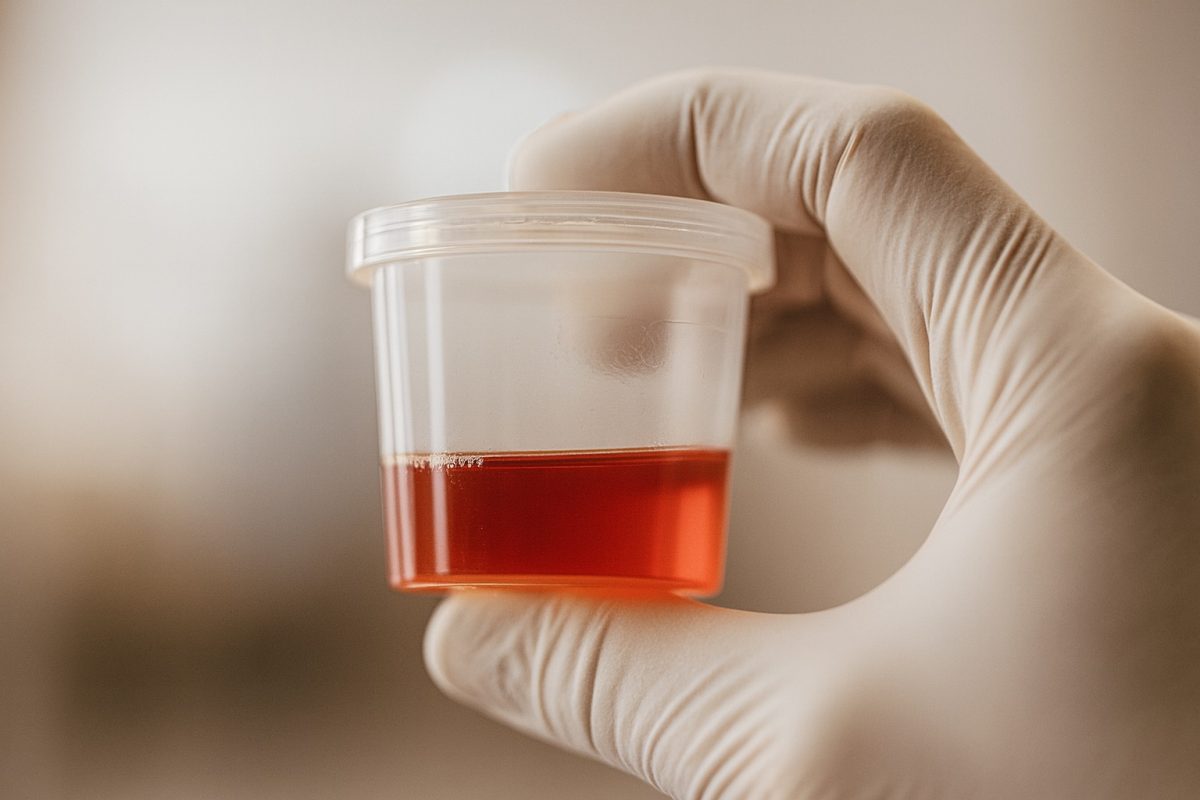
Painful urination is diagnosed through several possible tests, depending on the suspected cause. A urine test is often the first step, as it can identify bacteria, inflammation, or blood in the urine. Swab tests may be used to detect STIs or vaginal infections, while blood tests help confirm specific infections such as syphilis or HIV.
A physical examination can reveal swelling, sores, or prostate-related issues. In cases where kidney stones or chronic conditions are suspected, an ultrasound or other imaging may be required. Accurate diagnosis is essential for proper and effective treatment.
Treatment Options
Treatment for painful urination depends entirely on the underlying cause. Antibiotics are commonly prescribed for UTIs, chlamydia, gonorrhoea, syphilis, and bacterial prostatitis. Antiviral medication is used to manage herpes, and antifungals are effective for yeast infections.
Topical creams may be recommended for skin irritation, while pain relief medicine can help ease discomfort. Increasing water intake helps flush the urinary system, and lifestyle changes such as avoiding irritants and wearing breathable clothing can support recovery. It is important not to self-medicate with antibiotics, as incorrect use can worsen symptoms.
Prevention Tips
You can lower the risk of painful urination by staying well hydrated, practising safe sex, and urinating after intercourse. Avoiding harsh soaps, scented products, and tight synthetic clothing can prevent irritation, while wearing cotton underwear promotes better airflow.
Women should wipe from front to back to reduce bacterial spread, and maintaining good genital hygiene is important for overall urinary health. Regular STI screenings also play a key role in preventing infections. Small daily habits can significantly reduce your risk and support long-term urinary comfort.
Get Relief With Proper Care
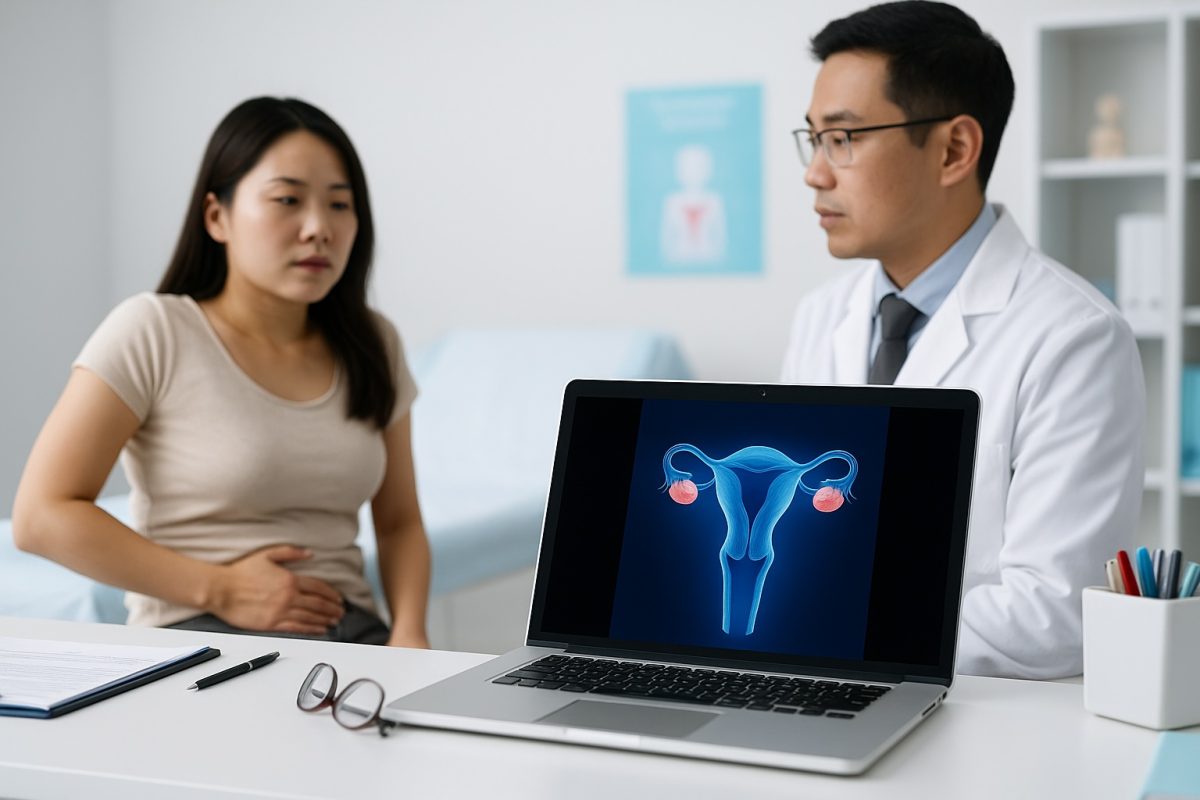
Pain during urination is a symptom that should never be ignored. Whether it is caused by a simple infection, an STI, irritation, or a more complex condition, identifying the cause early ensures faster recovery and protects your long-term health. If you are experiencing persistent discomfort, burning, or concerning symptoms, professional evaluation is essential.
Dr Chong Clinic offers confidential testing, accurate diagnosis, and effective treatment for STDs, STIs, UTIs, prostate issues, and other causes of painful urination. Our experienced doctors provide personalised care in a discreet, comfortable environment. Take control of your urinary and sexual health. Book your private consultation with Dr Chong Clinic today.
Frequently Asked Questions (FAQs)
1. What is the most common cause of pain during urination?
The most common cause is a urinary tract infection, especially in women. However, painful urination can also result from STIs, vaginal infections, prostate issues, or irritation from products.
2. When should I worry about painful urination?
You should seek medical attention if the pain lasts more than 24 to 48 hours, if you notice blood in your urine, fever, back pain, discharge, or sores, or if symptoms follow unprotected sex.
3. Can painful urination be a sign of an STI?
Yes. Many STIs, including chlamydia, gonorrhoea, herpes, and trichomoniasis, can cause burning or discomfort when urinating. Testing is important, especially after unprotected sexual contact.
4. How is painful urination treated?
Treatment depends on the cause. UTIs and many STIs require antibiotics, while viral or fungal infections need antivirals or antifungals. Irritation may improve with skincare changes and hydration. A proper diagnosis ensures the right treatment.
*All images used in this article are AI-generated.