Blog
Pico Laser vs. Fractional CO2 Laser: Which is Best for Your Skin?

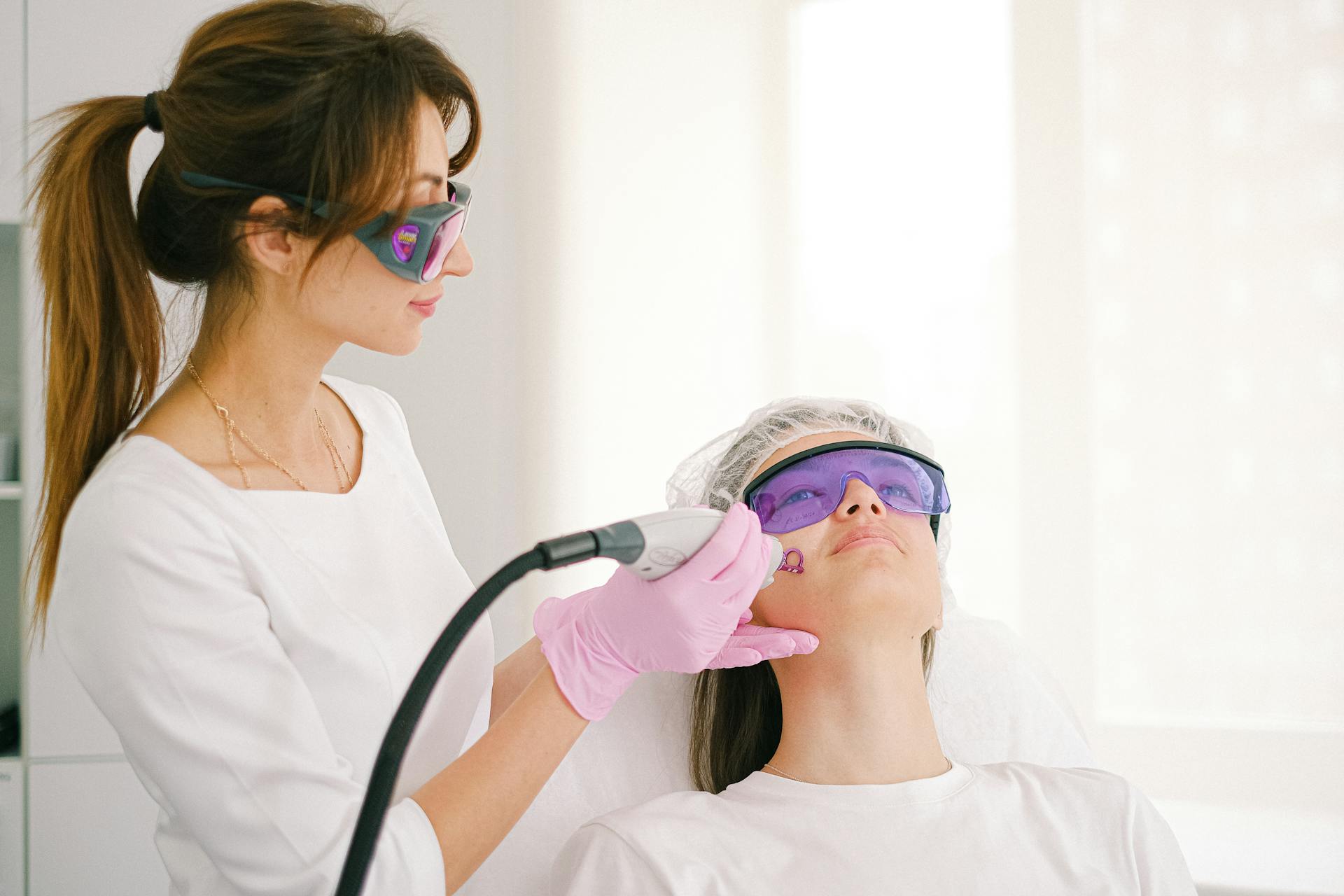
Laser technology has transformed dermatology, offering non-invasive and effective solutions for pigmentation, scarring, and skin rejuvenation. Among the most popular treatments are Pico Laser and Fractional CO2 Laser. Each has unique mechanisms and applications, making it essential to understand their differences before choosing the right treatment for your skin concerns.
Pico Laser vs. Fractional CO2 Laser: Primary Difference
Pico Laser and Fractional CO2 Laser are distinct in their approach, primarily differing in pulse duration and energy delivery.
- Pico Laser: Uses ultra-short picosecond pulses (trillionths of a second) to generate photoacoustic energy, shattering pigment particles without significant thermal damage.
- Fractional CO2 Laser: An ablative laser that vaporises outer skin layers while heating the underlying dermis, stimulating collagen production and resurfacing the skin.
How Pico Laser Works and Its Applications
Pico Laser delivers precise picosecond pulses to break down skin pigmentation with minimal heat damage.
Mechanism of Action: The short pulses create a photoacoustic effect, breaking up melanin particles and stimulating elastin production. It can also induce Laser Induced Optical Breakdown (LIOB) for acne scar treatment.
Conditions Treated: Effective in treating melasma, sunspots, age spots, post-inflammatory hyperpigmentation (PIH), freckles, and Hori’s Nevus. It is also used for tattoo removal, acne scar reduction, enlarged pores, fine lines, and rosacea.
Advantages: Minimal heat damage makes it safer for darker skin tones, reduces the risk of post-inflammatory hyperpigmentation, and often requires fewer sessions than traditional lasers.
Potential Side Effects: Includes redness, swelling, pinpoint bleeding, temporary hyperpigmentation or hypopigmentation, though side effects are generally mild and temporary.
How Fractional CO2 Laser Works and Its Applications
Fractional CO2 Laser creates controlled micro-injuries to promote deep skin resurfacing and collagen stimulation.
Mechanism of Action: The laser creates microscopic columns of treated skin, allowing for faster healing while effectively resurfacing the skin and promoting collagen production.
Conditions Treated: Primarily used for skin rejuvenation, deep wrinkles, acne scars, sun damage, age spots, and benign lesions.
Advantages: Provides significant skin resurfacing with noticeable improvements in deeper wrinkles and pronounced scars.
Potential Side Effects: Includes inflamed, itchy, or painful skin, acne breakouts, changes in skin pigmentation, and potential scarring. Healing time can range from 7 to 10 days with redness persisting for months.
Key Differences Between Pico Laser and Fractional CO2 Laser
| Feature | Pico Laser | Fractional CO2 Laser |
| Energy Type | Photoacoustic energy | Thermal ablation |
| Pulse Duration | Operates in picoseconds | Longer pulse durations |
| Treatment Focus | Targets pigmentation | Focuses on skin resurfacing and collagen stimulation |
| Downtime | Minimal downtime | Longer recovery period |
| Suitability for Skin Tones | Safer for darker skin types | Higher risk of post-inflammatory hyperpigmentation |
| Effectiveness | Best for pigmentation and mild skin rejuvenation | Better for deep wrinkles and severe acne scars |
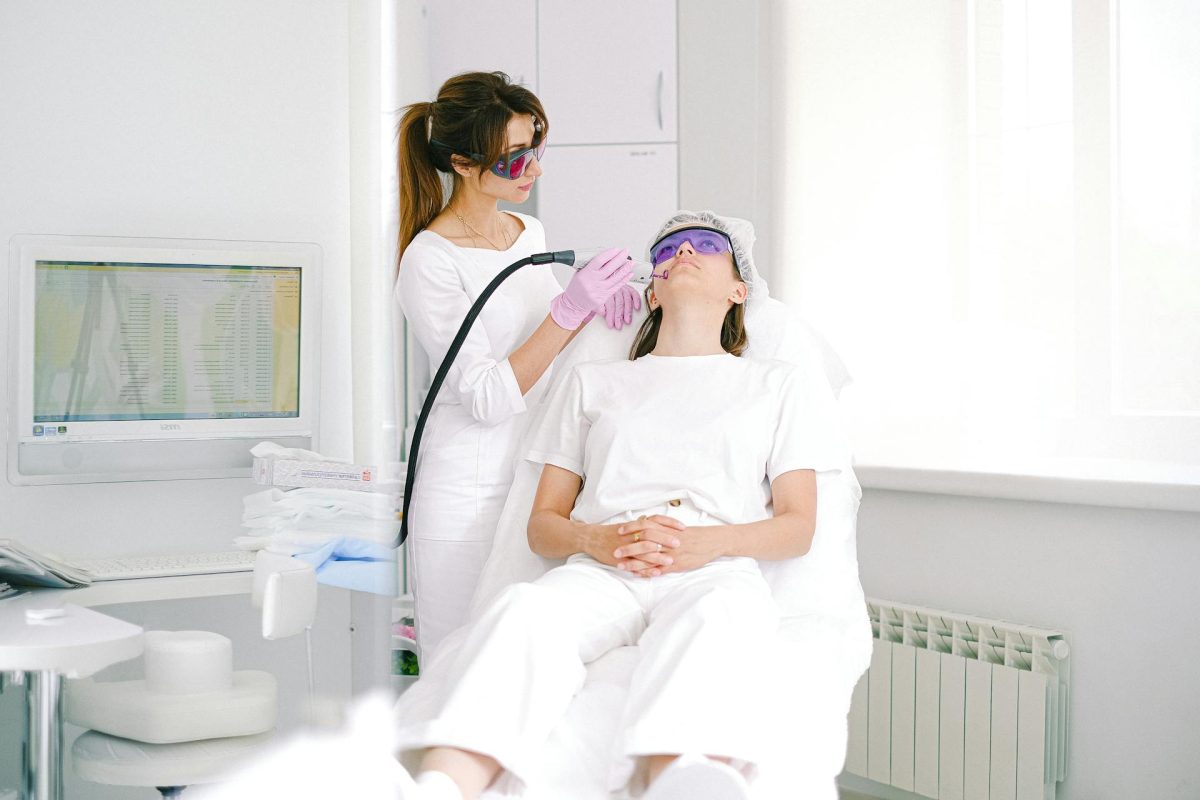
Choosing the Right Laser for Your Skin
When deciding between Pico Laser and Fractional CO2 Laser, it’s important to consider your skin condition, downtime tolerance, and skin type. Each laser has its own strengths, making them ideal for different treatment goals.
Choose Pico Laser if your main concern is pigmentation, such as melasma, sunspots, or freckles. This laser is well-suited for those looking to brighten skin tone, reduce discolouration, or gently rejuvenate the skin with minimal disruption to daily life. Its ultra-short pulses make it safe for darker skin tones, with a lower risk of post-inflammatory hyperpigmentation. If you prefer minimal downtime and gradual improvements, Pico Laser is likely the better option.
Choose Fractional CO2 Laser if you are targeting deeper skin issues such as prominent acne scars, deep wrinkles, or significant sun damage. This laser resurfaces the skin more aggressively and promotes strong collagen stimulation, leading to more dramatic results. However, it comes with longer recovery time and temporary skin redness or peeling. It’s ideal for those with fair to medium skin tones who are prepared for some downtime to achieve stronger skin resurfacing effects.
A professional consultation can help determine which laser suits your skin type and aesthetic goals best. For expert laser treatments, visit Dr. Chong Clinic to schedule a consultation today.
Frequently Asked Questions
1. Which laser treatment is more painful, Pico Laser or Fractional CO2 Laser?
Fractional CO2 Laser tends to be more painful due to its ablative nature, which removes outer skin layers. Pico Laser, using non-ablative technology, generally causes less discomfort.
2. What is the typical recovery period for each laser treatment?
Pico Laser has minimal downtime, with redness and swelling subsiding within a few hours to a day. Fractional CO2 Laser requires 7 to 10 days for healing.
3. Is Pico Laser or Fractional CO2 Laser better for acne scars?
Pico Laser is ideal for mild acne scars and pigmentation, while Fractional CO2 Laser is more effective for moderate to severe acne scarring due to its collagen-stimulating effects.
4. Can Pico Laser and Fractional CO2 Laser be used on all skin types?
Pico Laser is suitable for all skin types, including darker skin tones, as it reduces the risk of hyperpigmentation. Fractional CO2 Laser is more suited for lighter skin tones due to its higher risk of post-inflammatory pigmentation in darker skin.