Blog
Post-Inflammatory Erythema (PIE): Causes, Treatment & Prevention

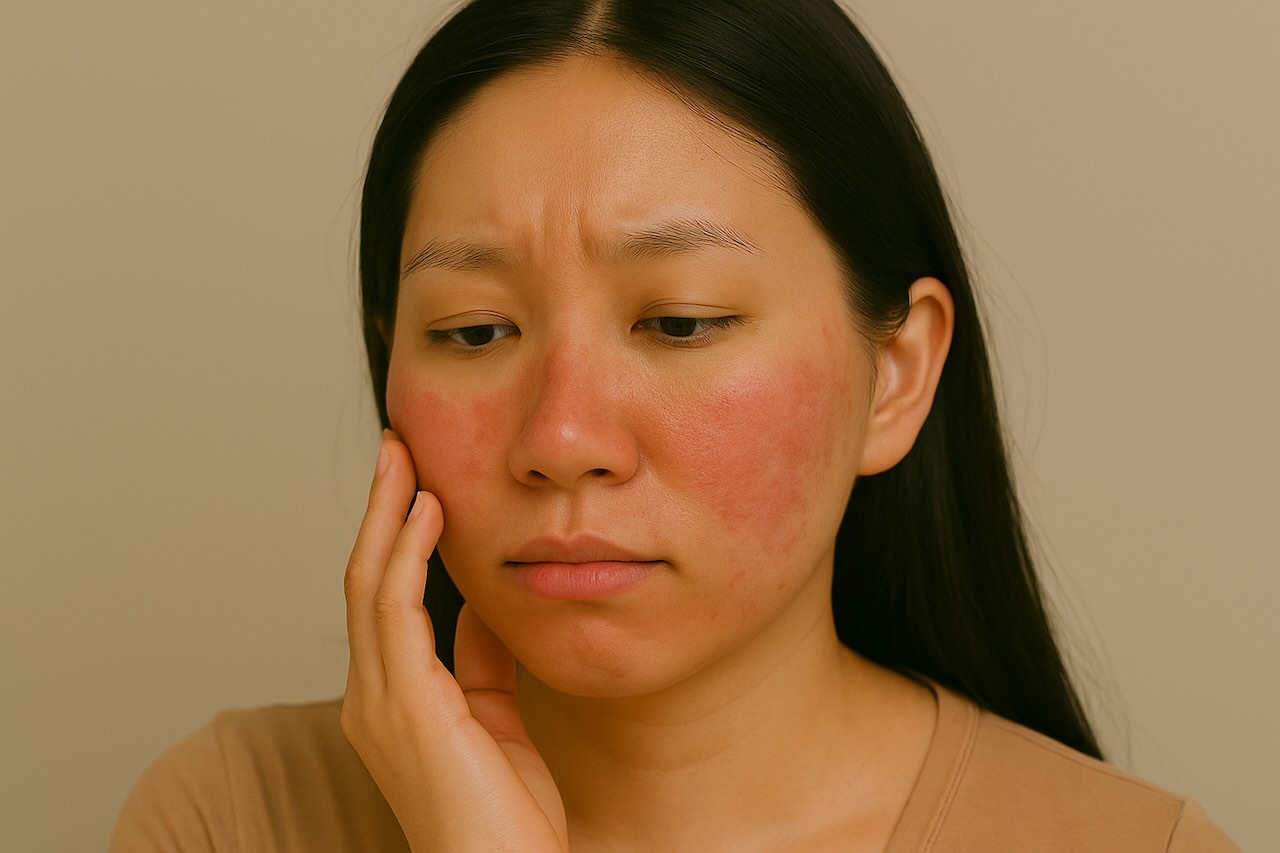
Post-inflammatory erythema (PIE) is one of the most stubborn aftermaths of acne and skin trauma. Often mistaken for pigmentation or scarring, PIE presents as red or pink marks that linger even after acne lesions have healed. These marks can take weeks or even months to fade and are a major concern for many individuals seeking smoother, more even-toned skin.
Fortunately, with proper knowledge and modern aesthetic treatments, PIE can be effectively managed. This guide explores what PIE is, why it occurs, how to treat it, and how to prevent it from happening in the first place.
What Is Post-Inflammatory Erythema (PIE)?
Post-inflammatory erythema is a type of skin discoloration that appears as red, pink, or purplish spots on the skin following inflammation. Unlike hyperpigmentation, which is caused by excess melanin production, PIE results from dilated or damaged blood vessels close to the skin’s surface.
It commonly appears in fair to medium skin tones, though anyone can be affected. PIE does not involve pigment but rather vascular changes in the skin. This means that standard pigmentation treatments may not be effective in addressing it, making PIE a unique challenge that requires targeted treatment strategies.
What Causes PIE?
PIE is primarily caused by inflammation that damages the small blood vessels (capillaries) in the skin. The following are common triggers:
- Acne and pimples: One of the most common causes. Inflamed breakouts, especially those that are picked or squeezed, often leave behind PIE.
- Dermatitis or eczema flare-ups: These inflammatory skin conditions can also result in lingering red marks.
- Cosmetic procedures: Treatments that irritate the skin, such as aggressive exfoliation or microneedling without proper aftercare, may lead to PIE.
- Sun exposure: Unprotected exposure to UV rays can worsen PIE and prolong healing.
People with acne-prone skin or sensitive complexions are particularly prone to developing post-inflammatory erythema after breakouts or trauma.
Characteristics of PIE
Identifying PIE correctly is essential for choosing the right treatment. Here are key features:
- Color: PIE appears as red, pink, or purplish marks. The color intensity can vary depending on the depth of inflammation and your skin tone.
- Location: Typically found on the cheeks, chin, and forehead—areas prone to acne.
- Texture: PIE spots are usually flat and do not have the indented appearance of acne scars.
- Response to Light Pressure: When pressure is applied, the redness may temporarily fade, confirming its vascular origin.
It’s important to differentiate PIE from hyperpigmentation or acne scars. While post-acne pigmentation appears brown and scarring alters skin texture, PIE is mainly red and flat.
Best Treatments for Post-Inflammatory Erythema (PIE)
Post-inflammatory erythema (PIE) is caused by dilated or damaged capillaries rather than pigmentation or skin volume loss. Because of its vascular nature, the most effective treatments focus on calming inflammation and reducing visible redness. A combination of professional procedures and supportive skincare can help significantly improve PIE over time.
Professional Treatments for PIE
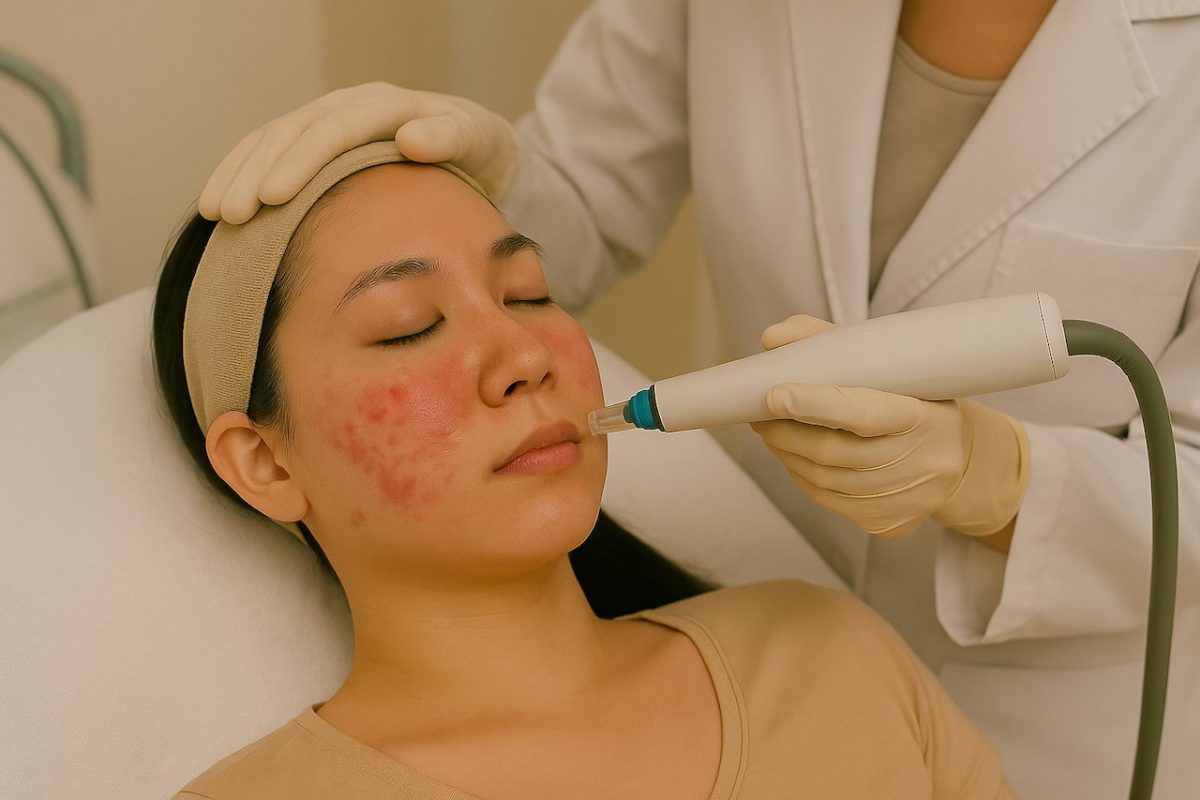
One of the most effective in-clinic treatments for PIE is Pico Laser. This advanced technology delivers ultra-short pulses of laser energy to precisely target damaged capillaries beneath the skin.
It helps to break down these vessels while stimulating collagen production, all without harming the surrounding tissue. Pico Laser offers multiple benefits such as minimal downtime, is safe for fair and sensitive skin, and also helps with:
- Overall skin texture
- Enlarged pores
- Fine lines
Other professional treatments can complement Pico Laser for enhanced results. Microneedling, for instance, triggers deeper collagen remodeling, while Hydrafacial clears away surface-level impurities and prepares the skin for better absorption of active ingredients.
Skincare Essentials for PIE
Topical treatments play an important role in maintaining results and supporting the skin’s healing process between professional sessions. Ingredients like niacinamide, azelaic acid, and centella asiatica are known for their calming and anti-inflammatory properties.
These help reduce redness, strengthen the skin barrier, and support capillary repair, making them excellent additions to any PIE-targeted skincare routine. Daily sunscreen use is absolutely essential when treating PIE. Ultraviolet (UV) exposure can worsen inflammation, increase visible redness, and significantly slow down healing..
Combination Strategies for Complex Cases
Some patients may experience both PIE and other concerns like melasma, acne scarring, or hyperpigmentation. In such cases, a combination treatment approach is typically recommended.
For example, Pico Laser can address vascular concerns, while topical brightening agents can help with pigmentation. Microneedling may be added to improve overall texture and scar depth. This multi-layered strategy ensures that all aspects of skin damage are addressed, from redness and broken capillaries to uneven tone and rough texture.
Because PIE is vascular in nature, the most effective treatments are those that target damaged or dilated capillaries rather than melanin or tissue loss.
How to Prevent PIE
While some factors that contribute to PIE are unavoidable, prevention focuses on reducing inflammation and protecting the skin barrier.
- Do not pick or pop pimples: This increases inflammation and blood vessel damage.
- Use calming skincare products: Choose fragrance-free, non-comedogenic products that soothe rather than irritate.
- Treat acne early: Quick and effective acne treatment reduces the likelihood of PIE developing.
- Avoid over-exfoliation: Harsh scrubs and peels can exacerbate inflammation and prolong redness.
- Apply sunscreen: Daily SPF use shields vulnerable healing skin from UV-induced redness and darkening.
Patients with a history of PIE should also speak to their dermatologist about laser treatments and skin rejuvenation options tailored to their condition.
Reclaim Clearer Skin with the Right Care
Post-inflammatory erythema can be a frustrating reminder of past breakouts, but it doesn’t have to be permanent. Understanding what PIE is and how to treat it empowers you to take effective action toward restoring your skin tone. From advanced laser therapy to simple daily habits, there are multiple strategies to reduce redness and promote healing.
Dr Chong Clinic, an LCP-certified aesthetic and dermatology clinic in Malaysia, offers personalised, evidence-based treatments for PIE and other post-acne concerns. With over 20 branches nationwide, they are the experts in helping you regain confidence in your skin. Contact them today and let the professionals create a clear-skin plan just for you.
Frequently Asked Questions (FAQ) About PIE
1. What’s the difference between PIE and acne scars?
PIE is red or pink and flat, caused by broken capillaries. Acne scars are usually textured or indented and result from collagen damage.
2. How long does PIE take to fade?
Mild PIE can fade within weeks, while severe cases may persist for several months. Laser treatments significantly speed up the process.
3. Can PIE go away on its own?
Yes, but it takes time. Medical treatment like Pico Laser can accelerate results and prevent long-term discoloration.
4. Is PIE common after cystic or nodular acne?
Absolutely. PIE frequently follows cystic acne or nodular acne due to deep inflammation.
*All images used in this article are AI-generated.