

What is Post-Inflammatory Hyperpigmentation (PIH)?

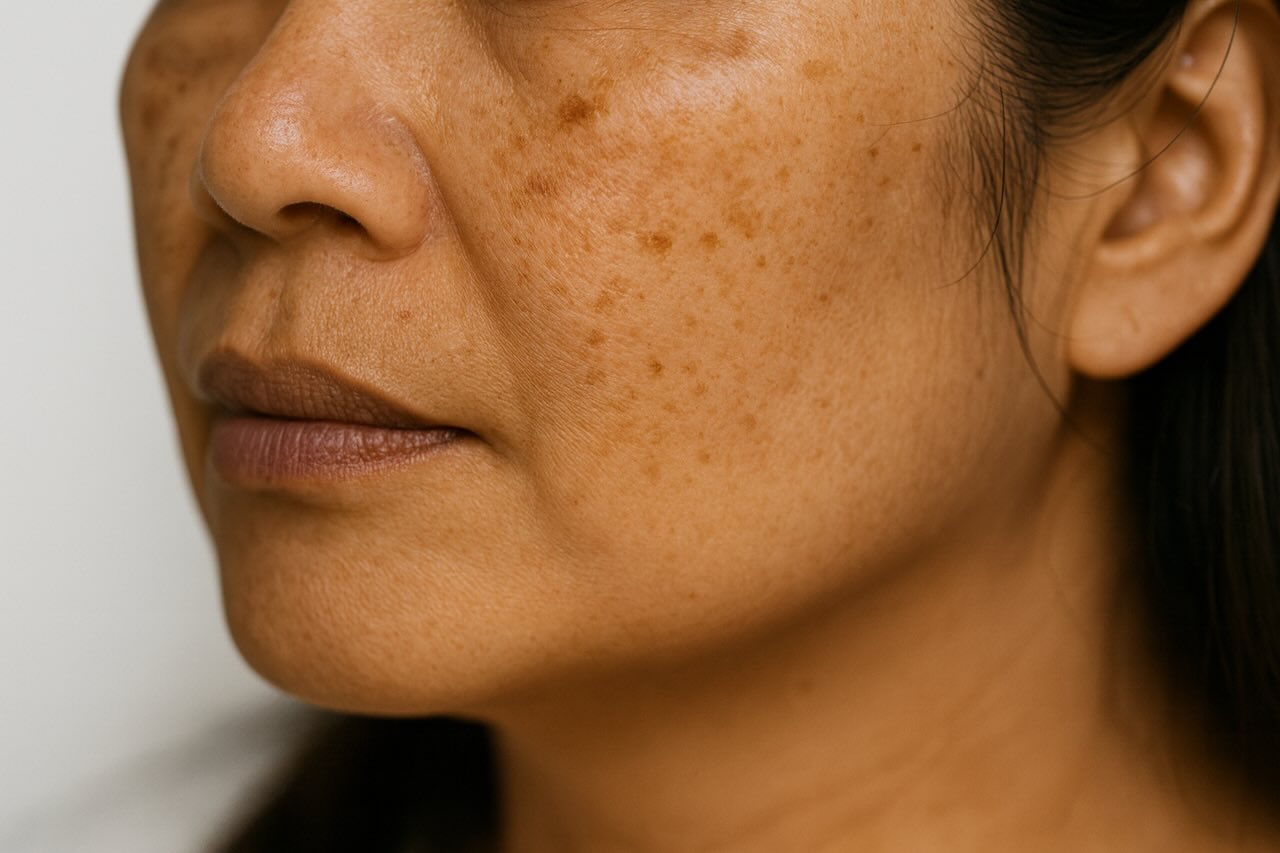
If you have ever noticed dark spots that remain long after acne, eczema, or a skin injury has healed, you may have experienced post-inflammatory hyperpigmentation (PIH). While PIH is harmless, it can linger for months or even years, often making the complexion look dull. The encouraging news is that it is treatable.
With the right approach, including daily sun protection, dermatologist-recommended creams, and professional treatment options, you can effectively fade dark spots and achieve clearer, brighter skin.
What is Post-Inflammatory Hyperpigmentation?
Post-inflammatory hyperpigmentation (PIH) is a type of skin pigmentation that appears after the skin experiences inflammation or injury. When the skin is irritated, whether from acne, eczema, burns, or even cosmetic procedures, it triggers an immune response.
As part of the healing process, the skin produces excess melanin, the pigment that gives skin its color. The result is flat, discolored spots that linger long after the initial wound has healed. The color of PIH can vary depending on how deeply the pigment is deposited in the skin:
- Tan or light brown: Pigment close to the surface of the skin.
- Dark brown or black: Pigment deposited in deeper skin layers.
- Pink or red: More common in lighter skin tones where blood vessels are involved.
Although PIH can occur in all skin types, it is often more noticeable and more persistent in medium to darker skin tones. This is because melanocytes, the pigment-producing cells, are naturally more active in darker skin.
It is also important to note that PIH is not the same as scarring. Scars alter the texture of the skin by creating raised or depressed marks. PIH only affects skin color, leaving the surface smooth but visibly discolored. Many people mistake PIH for acne scars, but the treatment approach is different.
Common Causes of Post-Inflammatory Hyperpigmentation (PIH)
Post-inflammatory hyperpigmentation develops when the skin responds to inflammation or injury by producing excess melanin. While almost any form of irritation can trigger it, some causes are far more common:
Acne and Pimples
Acne is the leading cause of PIH. After a breakout heals, it often leaves behind stubborn dark marks. This happens because the inflammation from clogged pores or pustules stimulates pigment production in the healing phase. People with acne-prone skin are particularly vulnerable, especially if they squeeze or pick at spots.
Eczema and Dermatitis
Chronic skin conditions like eczema or allergic dermatitis often result in persistent pigmentation. Frequent flare-ups and scratching cause repeated inflammation, which encourages melanocytes to produce more pigment. This explains why many patients notice dark patches even after their eczema has calmed down.
Cuts, Burns, and Scratches
Any physical injury that disrupts the skin barrier can lead to PIH. Common examples include accidental cuts, burns from heat or chemicals, or even everyday scratches. As the skin repairs itself, pigment cells become overactive, leaving behind visible discoloration.
Cosmetic Procedures
Not all cosmetic treatments are suitable for every skin type. Overly aggressive procedures, such as harsh chemical peels or poorly calibrated lasers, may actually worsen pigmentation instead of improving it. This is why treatments should always be done by experienced professionals who understand your skin’s unique needs.
Sun Exposure
UV rays are a major trigger for pigmentation. They darken existing PIH, slow natural fading, and can cause additional issues like melasma and sun spots. Without daily SPF, treatments such as peels or lasers will be far less effective, making sunscreen essential for both prevention and recovery.
How to Treat Post-Inflammatory Hyperpigmentation (PIH)
Treating post-inflammatory hyperpigmentation requires a combination of consistent skincare and professional guidance. The right treatment plan depends on the severity of the pigmentation, skin type, and whether other conditions like acne are still active.
Topical Treatments
Topical medications and creams are often the first step in fading PIH, as they work by slowing melanin production, speeding up cell turnover, or reducing inflammation. Dermatologists may prescribe retinoids such as tretinoin or adapalene, which encourage faster cell renewal and are especially useful for patients with both acne and pigmentation.
Azelaic acid is another effective choice that treats both pigmentation and acne, making it suitable for acne-prone skin. In addition, antioxidants like vitamin C and niacinamide help brighten skin, calm inflammation, and improve overall tone. When used consistently, these treatments can show improvement within 8 to 12 weeks.
Professional Procedures
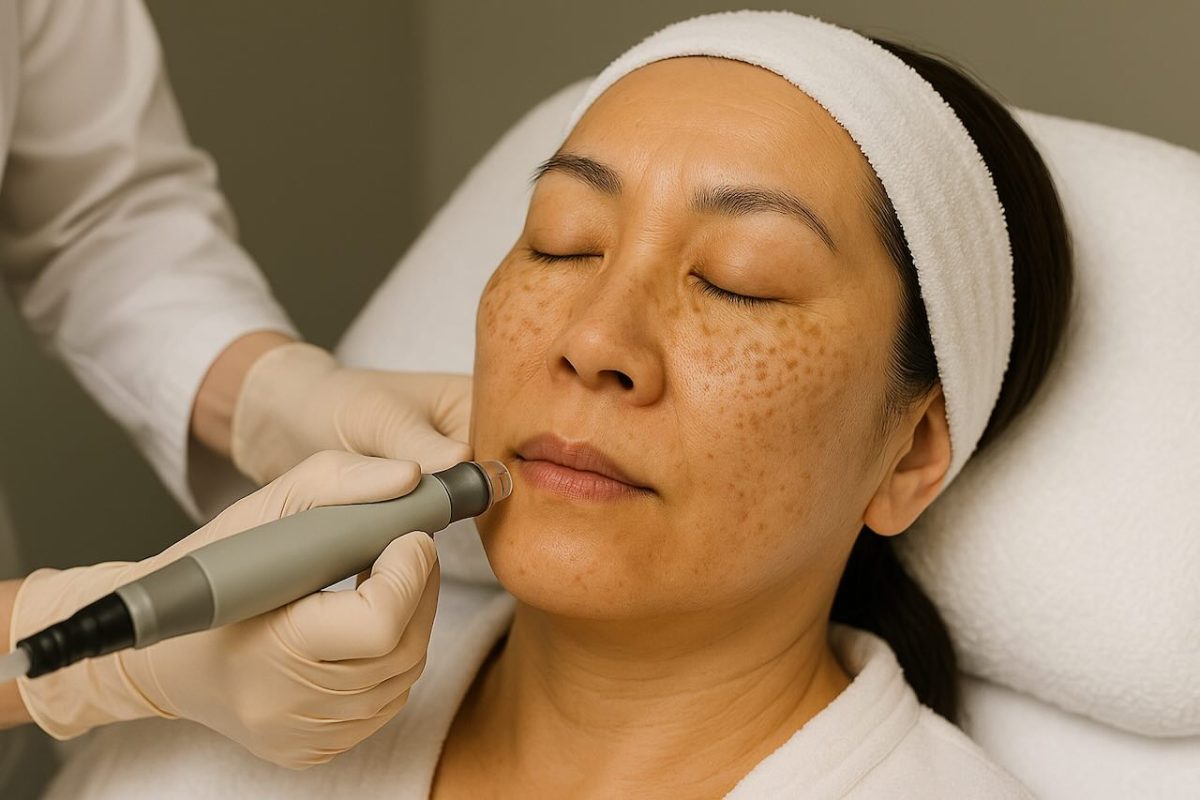
For stubborn or widespread PIH, dermatologist-administered treatments provide faster and more visible results. These in-clinic options target deeper pigmentation and stimulate skin renewal:
- Chemical Peels: Using solutions like glycolic acid, salicylic acid, or TCA, chemical peels exfoliate the upper skin layers and accelerate fading of pigmented cells. They are especially effective for superficial PIH.
- Laser Therapy: Laser treatments are among the most effective options for stubborn PIH, as they directly target and break down excess pigment in the skin. The Pico Laser uses advanced technology to shatter pigment into ultra-small fragments, which the body naturally clears away.
- Microneedling: By creating controlled micro-injuries in the skin, microneedling stimulates collagen production and enhances absorption of brightening serums. This makes it an excellent add-on treatment for both pigmentation and acne scarring.
Professional treatments usually require multiple sessions and are most effective when combined with topical skincare and daily sun protection.
Cosmetic Camouflage
While waiting for treatments to take effect, cosmetic camouflage can be a helpful confidence booster. High-coverage concealers and foundations can mask dark spots and create a more even skin tone temporarily. Dermatologists may also recommend non-comedogenic makeup products to avoid clogging pores and worsening acne-related PIH
When to Seek Professional Help for Post-Inflammatory Hyperpigmentation (PIH)
If PIH spots linger for more than six months, worsen instead of fading, or keep recurring, it may be time to see a dermatologist. Professional care is also recommended if pigmentation covers large areas, affects your confidence, or if over-the-counter creams have not shown results.
Dr Chong Clinic is a trusted option for professional treatment of post-inflammatory hyperpigmentation (PIH). Our LCP-certified dermatologists specialise in advanced solutions such as chemical peels, microneedling, and Pico Laser, which are highly effective for stubborn pigmentation.
Each treatment plan is carefully tailored to your skin type and concerns, combining medical expertise with cutting-edge technology to deliver safe, visible, and lasting results. Book your consultation today and let our experts help you achieve clearer, more even-toned skin.
Frequently Asked Questions (FAQ)
1. How long does PIH take to fade?
Mild PIH may fade in 3 to 6 months with proper care, severe cases can take up to 2 years untreated, while professional treatments often show results within weeks.
2. When should I see a doctor for PIH?
Consult a dermatologist if PIH lasts longer than six months, worsens instead of fading, or if you want a faster, more effective treatment plan.
3. Can acne scars and PIH be treated together?
Yes, treatments such as microneedling and lasers can target both conditions at the same time, improving skin tone and reducing visible scarring.
4. Is laser treatment safe for darker skin types?
Yes, when performed by experienced doctors using the right technology, laser treatments are generally safe and effective for darker skin tones.
*All images used in this article are AI-generated.


