Blog
Sexually Transmitted Diseases (STDs): Causes, Symptoms, and Treatments in Malaysia

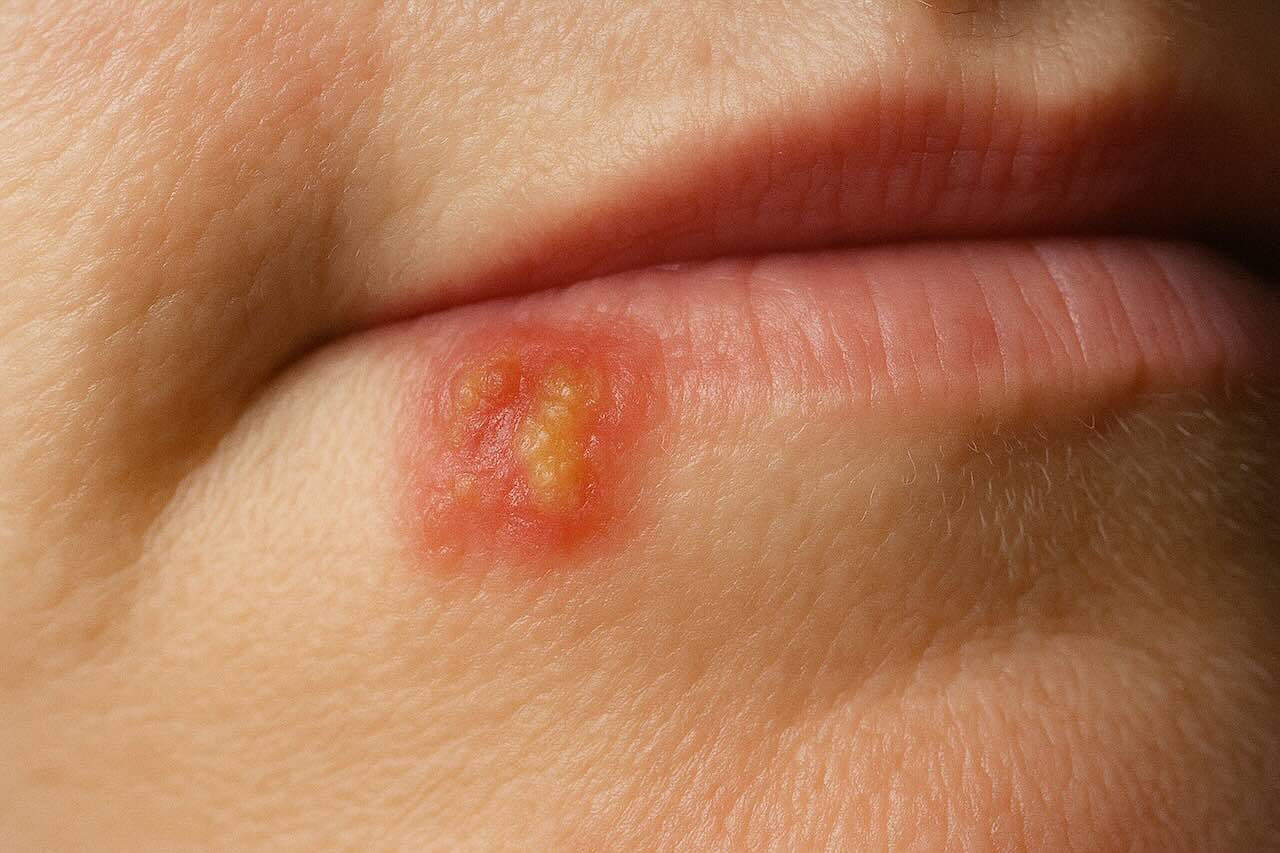
Sexually transmitted diseases (STDs), also known as sexually transmitted infections (STIs), are among the most common yet often misunderstood health conditions worldwide. These infections are primarily spread through sexual contact, including vaginal, anal, and oral intercourse.
With changing lifestyles and increasing awareness, more people are recognizing the importance of early detection and treatment. In Malaysia, advanced diagnostic and treatment options are now available to help manage STDs safely and discreetly. Understanding the causes, symptoms, and available treatments is the first step toward protecting your health.
What Are STDs?
STDs are infections transmitted from one person to another through sexual contact. Some are caused by bacteria, while others result from viruses or parasites. They can affect anyone sexually active, regardless of age, gender, or orientation. Common STDs include:
- Chlamydia
- Gonorrhea
- Syphilis
- Genital herpes
- Human papillomavirus (HPV)
- Human immunodeficiency virus (HIV)
- Trichomoniasis
- Hepatitis B
While some infections can be cured with antibiotics, others, like HIV and herpes, are lifelong conditions that can be managed effectively with ongoing care.
Common Causes and Risk Factors
STDs are primarily spread through direct sexual contact involving bodily fluids such as blood, semen, or vaginal secretions. In some cases, skin-to-skin contact can also lead to transmission.
- Unprotected Sex: The absence of barrier protection like condoms increases the risk of exposure to infected bodily fluids or lesions.
- Multiple Sexual Partners: Having multiple partners raises the chance of encountering an infected person, especially if partners’ STD statuses are unknown.
- Inconsistent Testing and Screening: Skipping regular STD check-ups allows undiagnosed infections to persist and spread unknowingly.
- Weak Immune System: People with weakened immunity, such as those living with HIV or chronic illnesses, are more prone to infections.
- Sharing Personal Items: Though less common, sharing razors, needles, or other personal items can transmit infections like hepatitis or HIV.
Being aware of these risk factors and taking preventive steps, such as regular testing, consistent condom use, and maintaining open communication with your partner, can greatly reduce your chances of contracting or spreading STDs.
Symptoms of STDs
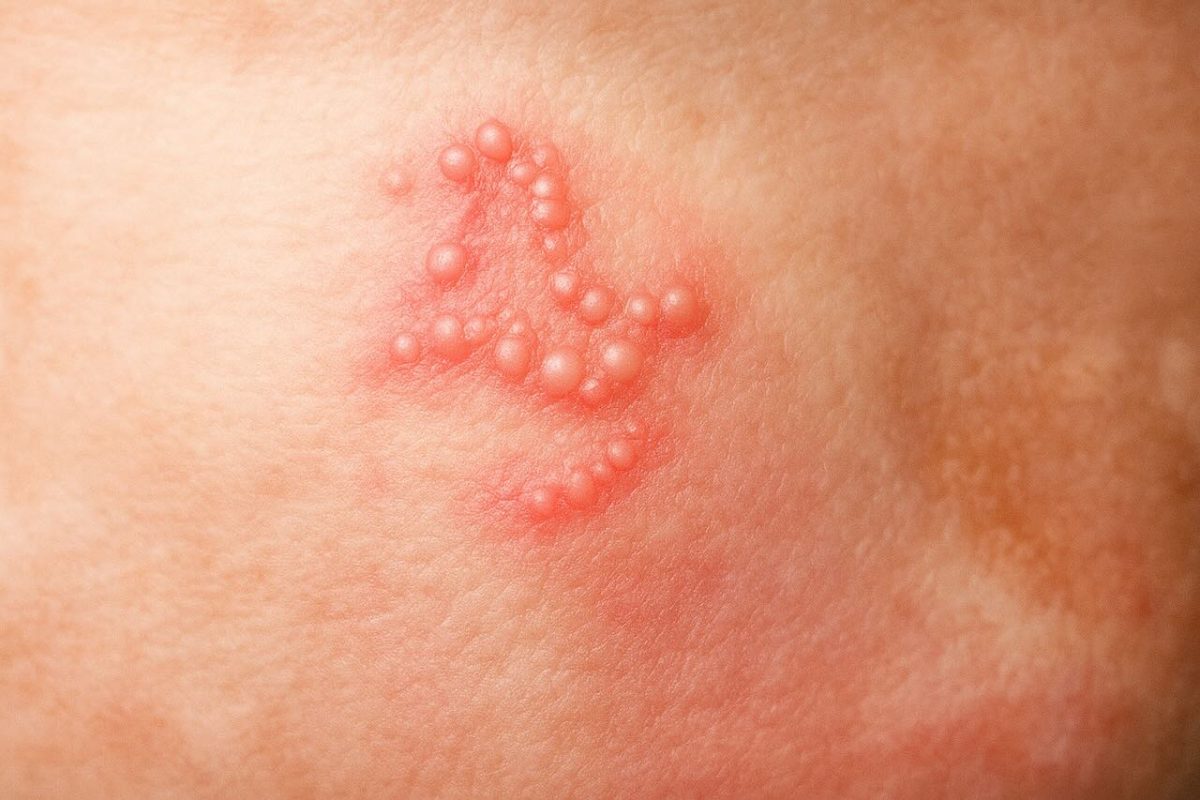
STD symptoms can vary widely depending on the type of infection. Some people experience noticeable signs, while others remain asymptomatic for months. Recognizing early symptoms helps prevent complications and transmission.
Men
Men may experience symptoms such as pain or burning during urination, unusual discharge from the penis, sores, bumps, or blisters on the genitals or mouth, and testicular pain or swelling.
Women
Women may notice abnormal vaginal discharge or odor, pain during intercourse, lower abdominal pain, itching or irritation around the vagina, or irregular bleeding between periods.
General Symptoms
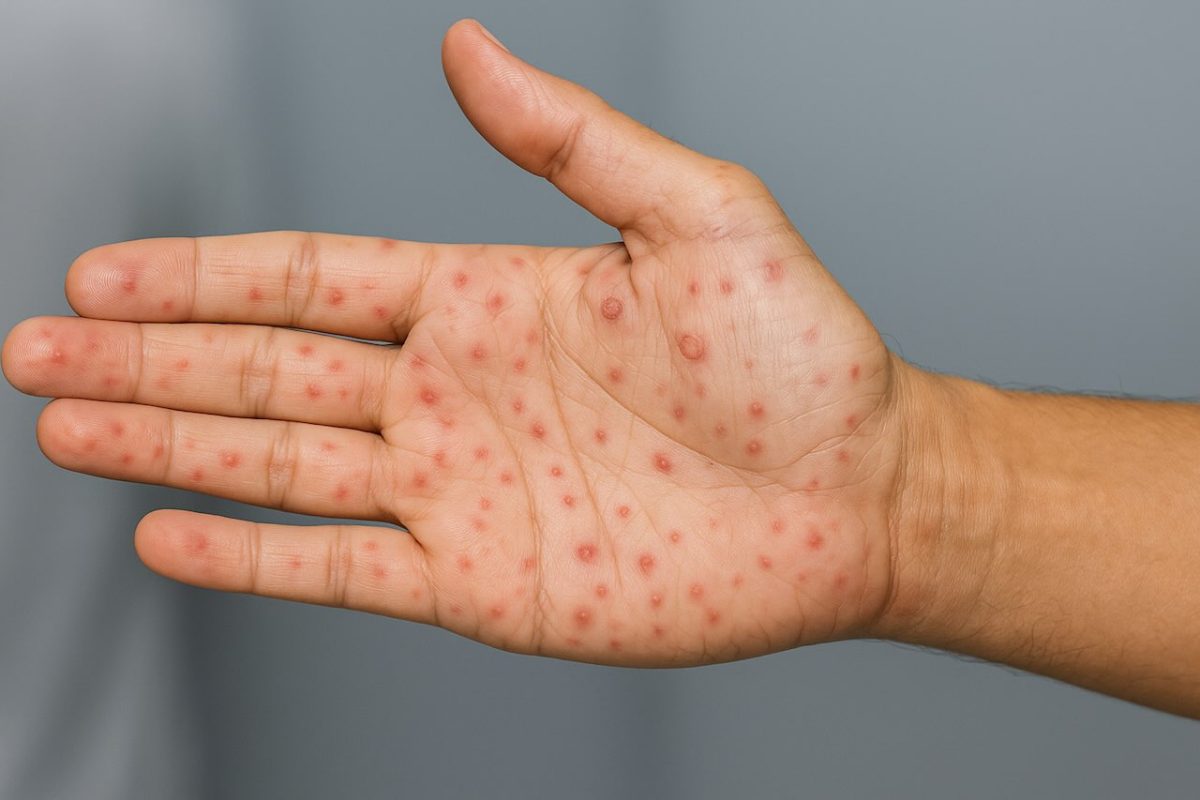
Some general symptoms that can affect both men and women include fever, fatigue, rash, swollen lymph nodes, and sore throat (especially after oral sex).
It’s important to note that many STDs can exist without visible symptoms. This is why regular testing is essential for anyone who is sexually active, even in the absence of discomfort or visible signs.
Possible Complications of Untreated STDs
Ignoring STD symptoms or delaying treatment can lead to serious health consequences, including:
- Infertility (especially from untreated chlamydia or gonorrhea)
- Pelvic inflammatory disease (PID) in women
- Increased HIV risk due to open sores and weakened immunity
- Complications during pregnancy such as premature birth or newborn infections
- Chronic pain or organ damage in severe cases
Prompt diagnosis and proper medical care can prevent most of these complications and improve long-term health outcomes.
How STDs Are Diagnosed
Modern diagnostic methods make STD testing quick, accurate, and confidential. Depending on symptoms and risk factors, your doctor may recommend:
- Urine tests to detect infections like chlamydia or gonorrhea
- Blood tests for HIV, syphilis, or hepatitis
- Swab tests from the genitals, throat, or anus for accurate detection
- Physical examination to check for visible lesions or warts
Routine STD screening is recommended at least once a year for sexually active individuals, or more frequently for those with multiple partners.
STD Treatments in Malaysia
Effective treatment depends on the type of infection. With early detection, most STDs can be treated successfully and prevent long-term complications.
Antibiotic Treatment
Bacterial infections such as chlamydia, gonorrhea, and syphilis are treated using antibiotics. It is crucial to complete the entire course prescribed by your doctor, even if symptoms disappear early. Stopping treatment midway may allow the infection to return or become resistant to medication.
Antiviral Therapy
Viral infections like HIV, herpes, and HPV cannot be cured but can be managed with antiviral medications. These treatments help lower the viral load, minimize symptoms, and reduce the risk of transmission to partners. With consistent treatment and medical monitoring, patients can maintain good health and prevent flare-ups.
Vaccinations
Vaccines are available for certain sexually transmitted diseases, including HPV and hepatitis B. When administered before exposure, these vaccines offer strong protection against infection. Vaccination is an important preventive step for anyone at risk of STDs.
Topical and Local Treatments
For visible symptoms such as genital warts, lesions, or sores, doctors may recommend topical creams or cryotherapy (freezing). These treatments help reduce outbreaks, ease discomfort, and promote faster skin healing.
Partner Treatment and Counseling
In most cases, both partners should be tested and treated to prevent reinfection. Counseling and sexual health education are equally important, helping couples understand how to maintain safer practices and reduce future risks.
Taking a proactive approach through timely medical care and honest communication with partners can make STD management more effective and prevent recurrence.
How to Prevent STDs
Prevention remains the most effective way to protect against STDs. Practicing safe habits can significantly reduce your risk.
- Use protection: Always use condoms during sexual activity.
- Limit partners: Maintain a mutually monogamous relationship with a tested partner.
- Get vaccinated: Protect yourself with HPV and hepatitis B vaccines.
- Avoid sharing personal items: Never share razors, needles, or undergarments.
- Regular screening: Get tested regularly, even if you don’t have symptoms.
When to See a Doctor
You should consult a doctor or STD clinic if you experience symptoms like unusual discharge, itching, or sores in the genital area, or after unprotected sex with a new partner. Early medical advice ensures quick diagnosis and treatment, reducing the risk of complications.
At Dr. Chong Clinic, our LCP-certified aesthetic and medical doctors provide discreet, professional STD testing and treatment. Using advanced diagnostic tools and FDA-approved medications, we offer confidential care in a comfortable and judgment-free environment.
Protect Your Health and Confidence
STDs are common but highly preventable and treatable when detected early. Maintaining good sexual hygiene, getting regular screenings, and seeking medical help when needed can protect your health and well-being.
If you suspect an infection or simply want peace of mind, contact Dr. Chong Clinic today for private, reliable, and professional STD screening and treatment in Malaysia. Our team ensures compassionate, confidential, and effective care tailored to your needs.
Frequently Asked Questions (FAQ)
1. Can STDs go away on their own?
No, STDs do not go away without treatment. Some may worsen or cause complications if left untreated.
2. How often should I get tested for STDs?
If you are sexually active, it’s best to get tested at least once a year, or every three to six months if you have multiple partners.
3. Can I get an STD from oral sex?
Yes. Infections such as herpes, HPV, and gonorrhea can be transmitted through oral contact.
4. Are STD treatments confidential in Malaysia?
Yes. Clinics like Dr. Chong Clinic maintain complete confidentiality and privacy during testing and treatment.
*All images used in this article are AI-generated.