Blog
Sexually Transmitted Infections (STIs): Causes, Symptoms, and Treatments


Sexually Transmitted Infections (STIs) are among the most common health concerns worldwide, affecting millions of people each year. Despite being preventable and treatable, they remain highly misunderstood due to social stigma and lack of awareness.
In Malaysia, STI cases continue to rise, especially among younger adults, due to factors such as unprotected sex and inconsistent testing. Understanding how STIs develop, how to recognise their symptoms, and where to seek professional help is key to maintaining both your sexual health and overall well-being.
In this article, we’ll explore the causes, symptoms, and treatments for common STIs, as well as how regular testing and safe practices can protect you and your partner.
What Are STIs?
Sexually Transmitted Infections (STIs), also known as sexually transmitted diseases (STDs), are infections primarily spread through sexual contact. They can be caused by bacteria, viruses, fungi, or parasites that pass from one person to another via vaginal, anal, or oral sex.
Some STIs can also spread through non-sexual means, such as sharing needles, blood transfusions, or from mother to baby during childbirth. While many STIs show visible symptoms, others remain silent for months or even years, increasing the risk of unknowing transmission.
Common Causes and Risk Factors
Sexually Transmitted Infections (STIs) can affect anyone, regardless of age, gender, or background. However, some factors significantly increase the risk of exposure and transmission. Understanding these risks is the first step toward prevention and better sexual health.
- Unprotected Sex: Engaging in vaginal, anal, or oral sex without using condoms or dental dams increases direct exposure to infectious bodily fluids such as blood, semen, or vaginal secretions.
- Multiple Sexual Partners: Having multiple partners raises the likelihood of contact with someone who may have an infection, especially if their STI status is unknown or untested.
- Lack of Regular Testing: Many STIs, including chlamydia and gonorrhea, often present little to no symptoms. Without routine testing, infections can go undetected and cause long-term complications.
- Weak Immune System: Individuals with weakened immunity, such as those with HIV or chronic illnesses, are more vulnerable to contracting STIs and may experience more severe symptoms.
- Sharing Personal or Contaminated Items: Although less common, sharing needles, razors, or other personal hygiene items can transmit infections such as hepatitis B or HIV.
Regular testing, practicing safe sex, and maintaining open communication with your partner are essential for reducing the risk of infection and promoting overall sexual wellness. Prevention is always better than cure.
Symptoms of STIs
STI symptoms can vary depending on the type of infection, but early detection is crucial for effective treatment. Some infections show visible or noticeable signs, while others may remain silent for weeks or months. Recognizing symptoms early can help prevent complications and transmission.
Men
Men may experience symptoms such as pain or burning during urination, unusual discharge from the penis, or redness, sores, and blisters around the genitals or mouth. In some cases, swelling or tenderness may occur in the testicles. Even mild discomfort should not be ignored, as untreated infections can lead to serious complications, including infertility
Women
Women may notice abnormal vaginal discharge or odor, itching or irritation, and pain during intercourse. Lower abdominal pain or cramping and irregular bleeding between periods are also common signs. Women are particularly at risk for long-term effects from untreated STIs, such as pelvic inflammatory disease (PID), chronic pelvic pain, and fertility problems.
General Symptoms for Both Sexes
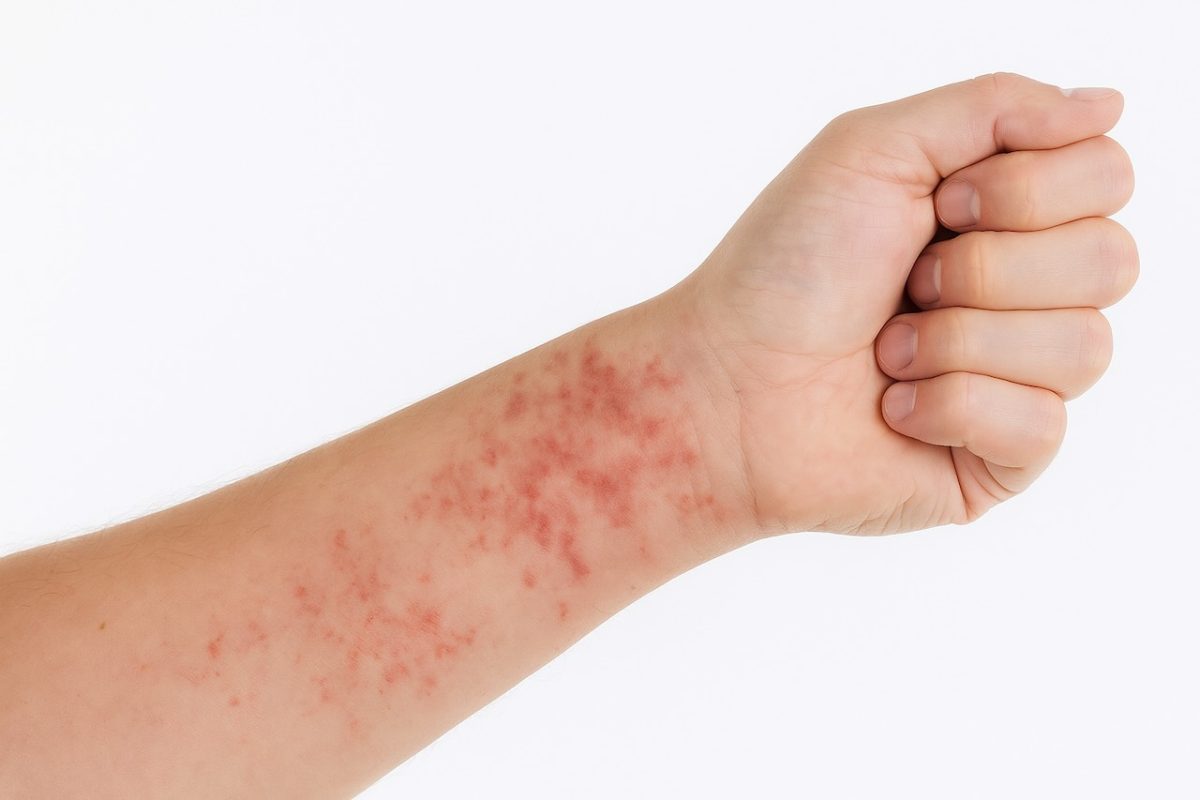
Some symptoms can affect both men and women, including fever, fatigue, rashes, or swollen lymph nodes. A sore throat may occur after oral sex, and pain or irritation in the anal area may also indicate infection. Because many STIs can remain asymptomatic, regular testing is the most reliable way to detect infections early and begin treatment.
Common Types of STIs
Sexually Transmitted Infections (STIs) come in many forms, including bacterial, viral, and parasitic. Understanding each type helps with early detection and proper treatment. Here’s an overview of the most common STIs and their key characteristics:
- Chlamydia: A bacterial infection that often causes no symptoms. If left untreated, it can lead to infertility in both men and women. Regular testing is essential because many people remain unaware they are infected.
- Gonorrhea: Another bacterial infection that affects the genitals, rectum, or throat. Common symptoms include painful urination or unusual discharge. Early antibiotic treatment can prevent serious reproductive complications.
- Syphilis: This infection begins as painless sores and progresses to rashes, fever, and severe organ complications if untreated. Early detection and antibiotic therapy are crucial for full recovery.
- Human Papillomavirus (HPV): One of the most common viral STIs, HPV can cause genital warts and increase the risk of cervical and throat cancers. Vaccination offers strong protection and is recommended for both men and women.
- Herpes Simplex Virus (HSV): HSV causes recurring sores or blisters around the mouth or genitals. While it cannot be cured, antiviral medications help manage symptoms and reduce transmission risks.
- HIV (Human Immunodeficiency Virus): This virus weakens the immune system, making the body more susceptible to other infections. Early antiviral therapy (ART) allows patients to lead long, healthy lives while preventing transmission.
- Trichomoniasis: A parasitic infection that leads to itching, irritation, and unusual discharge. It is easily treatable with prescription medication when diagnosed early.
STIs are preventable, manageable, and, in many cases, treatable. The key to protection lies in regular testing, safe sexual practices, and open communication with partners. Early diagnosis ensures better treatment outcomes and helps prevent long-term complications.
Professional Treatments for STIs
Treatment for sexually transmitted infections depends on the type of infection, its severity, and how early it is detected. Prompt medical intervention not only treats symptoms but also prevents long-term health complications and transmission to others.
Antibiotic Therapy
Bacterial STIs such as chlamydia, gonorrhea, and syphilis respond effectively to antibiotic treatment. It is crucial to complete the entire prescribed course, even if symptoms disappear early, to ensure the infection is fully cleared. This helps prevent reinfection, antibiotic resistance, and further spread of the disease.
Antiviral Medication
Viral infections like herpes, HPV, and HIV cannot be completely cured, but antiviral medications can effectively manage them. These treatments help reduce outbreaks, lower the viral load, and prevent transmission to sexual partners. Consistent use and medical monitoring are key to maintaining long-term control and improving overall quality of life.
Vaccinations
Vaccines offer powerful protection against certain viral STIs such as HPV and hepatitis B. Getting vaccinated before sexual activity significantly reduces the risk of infection and long-term complications like cancer and liver disease. Regular immunization updates also strengthen overall sexual health protection.
Topical or Local Treatments
For visible symptoms such as warts, sores, or lesions, doctors may recommend topical creams, cryotherapy (freezing), or minor surgical removal. These methods help clear visible signs of infection, reduce discomfort, and prevent recurrence. Treatment plans are tailored to each individual’s condition and skin sensitivity.
Partner Testing and Counseling
Treating only one partner can result in reinfection, so both should undergo testing and receive treatment if necessary. Counseling and open communication play a vital role in preventing future infections and maintaining healthy sexual relationships. Education on safe sex practices and consistent testing helps ensure long-term sexual well-being.
In summary, timely diagnosis and professional treatment can effectively manage most STIs, prevent complications, and protect your overall health. Regular check-ups and responsible sexual habits are the best ways to stay safe and confident.
Prevention: How to Protect Yourself
Prevention is the most effective approach to maintaining sexual health. Here are key ways to lower your risk:
- Use condoms or dental dams consistently and correctly.
- Get tested regularly, even if you feel healthy.
- Limit the number of sexual partners.
- Avoid sharing personal items or needles.
- Maintain open communication with your partner about sexual health and testing.
- Get vaccinated against HPV and hepatitis B.
Regular checkups at reputable clinics help ensure early detection and effective management of any potential infections.

When to See a Doctor
You should seek medical attention if you experience any unusual discharge, pain, itching, or sores in the genital area. Even if no visible symptoms are present, it’s important to get tested after unprotected sex or suspected exposure to an STI. Early testing ensures prompt diagnosis, prevents complications, and helps protect your partner’s health.
Professional evaluation provides accurate diagnosis, confidential care, and the right treatment plan tailored to your needs. At Dr. Chong Clinic, our team of LCP-certified aesthetic and medical professionals offers discreet STD and STI screening, diagnosis, and treatment in a private and judgment-free environment.
Take Charge of Your Sexual Health with Confidence
STIs are more common than most people think, but with early testing, proper treatment, and preventive care, they can be managed effectively. Taking charge of your sexual health is not only a sign of self-care but also an act of responsibility toward your partner.
Dr. Chong Clinic provides confidential, accurate STI screening and comprehensive treatment options using modern, FDA-approved technology. Our team of LCP-certified doctors ensures professional, personalized care tailored to your needs.
Contact Dr. Chong Clinic today to schedule a private consultation and take the first step toward protecting your sexual health and peace of mind.
Frequently Asked Questions (FAQs)
1. What’s the difference between an STI and an STD?
An STI refers to the infection stage before symptoms appear, while an STD describes when the infection causes visible disease.
2. Can STIs go away on their own?
No. Most STIs require medical treatment. Delaying care can lead to complications such as infertility or chronic infection.
3. How often should I get tested for STIs?
At least once a year, or more frequently if you have multiple partners or unprotected sex.
4. Is STI testing confidential?
Yes. At reputable clinics like Dr. Chong Clinic, all consultations and results are completely private and handled with discretion.
*All images used in this article are AI-generated.