Blog
Skin Cycling: What It Is and How It Transforms Your Skin

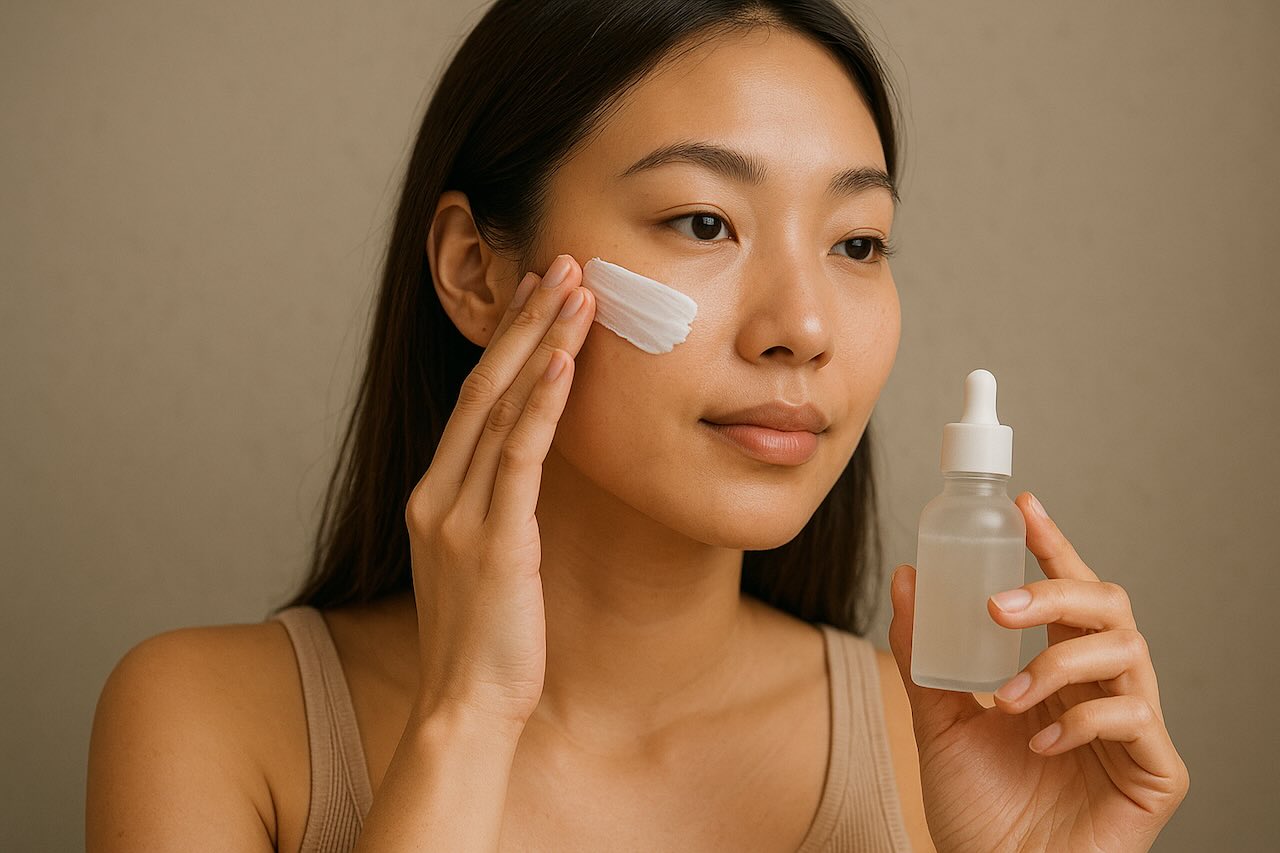
Achieving healthy, radiant skin often comes down to finding the right balance between active treatments and proper recovery time. Many people struggle with irritation, dryness, or inconsistent results because they overload their routine with too many potent products at once.
A structured approach to skincare can help you see better results while keeping your skin barrier strong and resilient. One increasingly popular method that delivers visible improvements without overwhelming your skin is skin cycling, a simple yet effective way to bring consistency and balance to your routine.
What is Skin Cycling?
Skin cycling is a planned skincare method that divides your nighttime routine into a repeating cycle, usually over four nights, to balance the use of potent active ingredients with restorative recovery. The first two nights typically involve treatments like chemical exfoliants and retinoids.
The following recovery nights focus on deep hydration and skin rejuvenation, repairing the skin barrier with nourishing serums and moisturizers. This structured approach reduces the risk of irritation, making it suitable for those with acne-prone skin or sensitivity, while helping maintain results from professional treatments.
By alternating active and recovery phases, skin cycling allows you to optimize results, protect your skin barrier, and achieve a balanced, healthier complexion over time.
The 4-Night Skin Cycling Routine
Skin cycling follows a structured approach to make the most of active ingredients while preserving the skin barrier. By alternating treatment nights with recovery nights, this method can improve skin texture, even out tone, and enhance radiance without irritation.
Night 1: Exfoliation
The first night focuses on chemical exfoliation to resurface the skin. AHAs like glycolic acid or lactic acid brighten and target dark spots, while BHAs such as salicylic acid penetrate deeply to unclog pores and support acne-prone skin. This step clears the way for better absorption of active ingredients used later in the cycle.
Night 2: Retinoid
The second night is dedicated to retinoids, which accelerate cell turnover, smooth fine lines, and improve uneven tone. They are effective for addressing melasma and fading stubborn marks left by scarring from acne. By stimulating collagen production, retinoids also contribute to long-term firmness and resilience.
Nights 3 & 4: Recovery
The final two nights are all about restoring and protecting the skin barrier. This involves layering hydrating serums, nutrient-rich creams, and treatments like Hydrafacial to deeply infuse moisture. Recovery nights reduce redness, calm irritation, and lock in hydration, making the skin more receptive to active treatments in the next cycle.
Benefits of Skin Cycling
Skin cycling offers more than just a structured routine. It is a skin-friendly approach that balances active treatments with recovery, allowing your complexion to improve steadily without unnecessary stress. By alternating potent ingredients with replenishing nights, you give your skin the opportunity to heal, strengthen its barrier, and make the most of each step in your regimen.
Less Irritation
By spacing out the use of actives, skin cycling helps prevent over-exfoliation, redness, and dryness. Recovery nights give your skin time to restore its natural barrier, making it especially helpful for those with acne-prone skin or sensitivity issues.
Better Skin Texture
Regular exfoliation and retinoid use work together to smooth unevenness, refine pores, and reduce textured skin. Over time, this combination can also soften the appearance of acne scars and improve overall skin clarity.
Improved Ingredient Performance
Recovery periods help replenish hydration and strengthen your skin barrier, ensuring it is more receptive to active ingredients when you reintroduce them. This means treatments like Pico laser or Microneedling can deliver even better results when used alongside a well-structured routine.
Beginner-Friendly Approach
For skincare beginners, skin cycling is a safe way to introduce potent treatments without overwhelming the skin. It is also a great method for those returning to active ingredients after irritation, ensuring your journey to healthier skin is gradual and sustainable.
Who Should Try Skin Cycling?
Skin cycling can benefit a wide range of people, especially those seeking a balanced and structured skincare approach. It is particularly suitable for:
- Beginners who want to gradually build tolerance to active ingredients without overwhelming their skin.
- Sensitive skin types that require recovery time between treatments to avoid redness and irritation.
- Individuals targeting specific concerns such as hyperpigmentation, uneven tone, textured skin, or acne scars.
- People who want to enhance results from advanced in-clinic treatments like HIFU (High-Intensity Focused Ultrasound)
- Those looking to maintain a healthy, radiant complexion while preventing irritation from excessive active use.
Tips for Success
To get the best results from skin cycling, maintain your routine consistently and avoid layering multiple strong active ingredients on the same night, as this can overwhelm your skin. Always apply SPF during the day, particularly after exfoliation or retinoid use, to protect against sun damage and prevent sensitivity.
If you notice signs of irritation or dryness, adjust your schedule to allow more recovery time, ensuring your skin barrier remains healthy while still benefiting from the treatment cycle. Listening to your skin’s response and making gradual adjustments will help you sustain progress without setbacks.
When to Get Professional Guidance
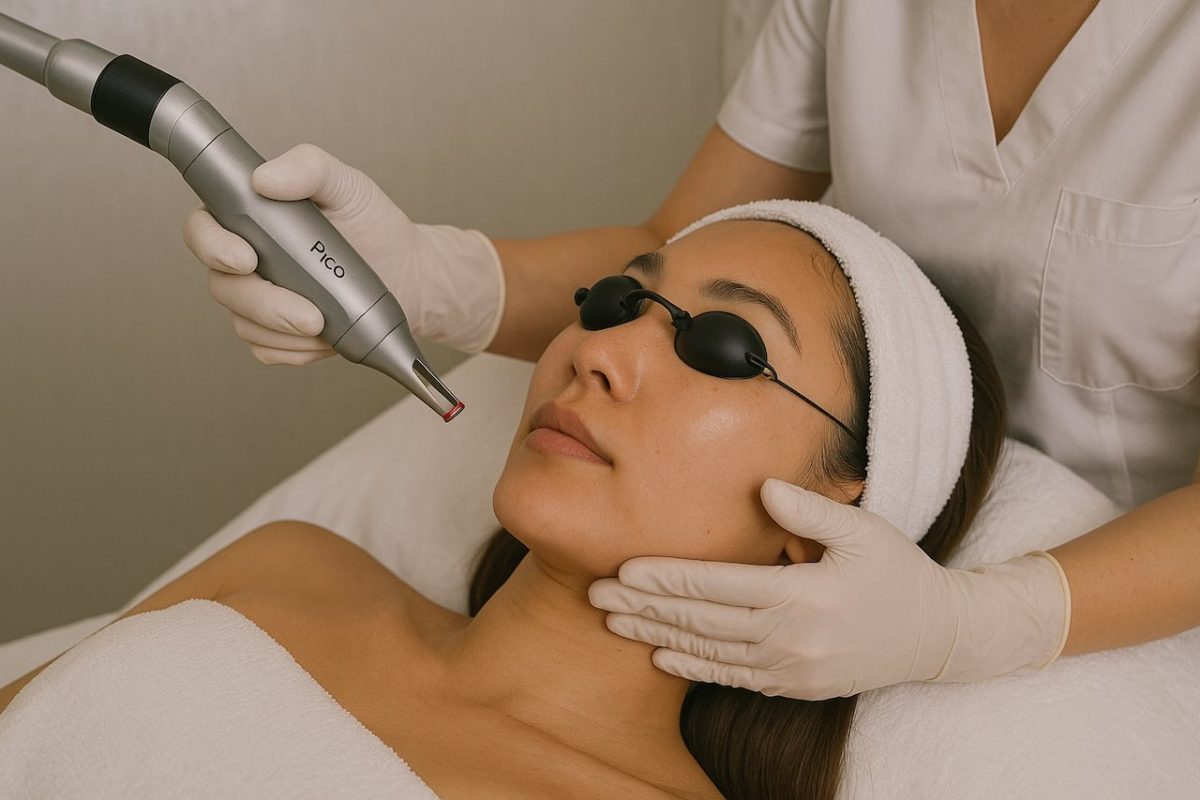
Persistent irritation, recurring breakouts like hormonal acne, or worsening pigmentation are signs you should consult a dermatologist. A professional can create a personalised plan and suggest complementary options like Pico Laser or targeted treatments.
They may also recommend additional skin-supporting treatments to enhance hydration, improve tone, and maintain results over the long term. This tailored approach ensures your skin’s needs are met while preventing further damage or discomfort.
Final Thoughts on Skin Cycling
Skin cycling offers a balanced and approachable way to get the benefits of active skincare without compromising your skin barrier. By alternating between active and recovery nights, you give your skin the chance to repair and glow.
If you want to level up your results, Dr Chong Clinic offers LCP-certified expertise and a personalised approach to skincare. With over 20 branches nationwide, the clinic is equipped with advanced technologies and a highly experienced team.
Whether you are targeting pigmentation, acne scars, textured skin, or looking for overall skin rejuvenation, their customised treatment plans pair your at-home cycle with in-clinic solutions for long-lasting improvements in tone, texture, and overall skin health.
Frequently Asked Questions (FAQ) About Skin Cycling
1. What is skin cycling?
A 4-night skincare routine alternating active ingredients like exfoliants and retinoids with recovery nights for hydration and barrier repair.
2. Who is it for?
Beginners, sensitive or acne-prone skin types, and anyone wanting a structured, low-irritation approach to active ingredients.
3. Can it help pigmentation or acne scars?
Yes, it improves tone, texture, and absorption, making treatments for pigmentation and scars more effective.
4. How long until results?
Smoother, brighter skin in 2–4 weeks, with lasting changes in 8–12 weeks.
*All images used in this article are AI-generated.