Blog
Skin Purging: What It Is & How to Manage It Effectively

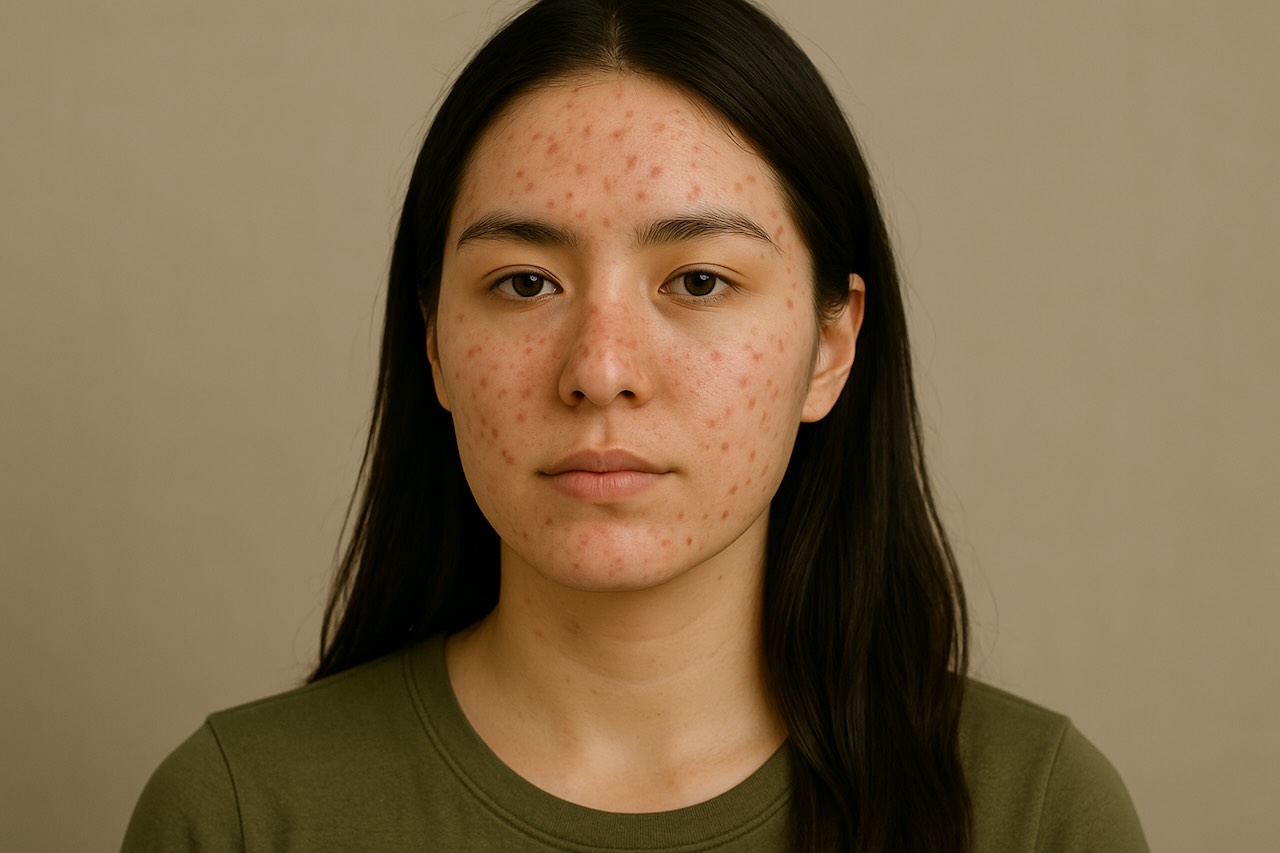
Starting a new skincare routine often feels exciting, especially when you’re hoping for healthier, smoother skin. Yet sometimes, your skin seems to rebel before it improves. You might notice more breakouts or irritation than usual, and this can leave you wondering whether your new products are helping or hurting.
The good news is that this phenomenon, known as skin purging, is often a normal part of the process of achieving better skin. Let’s dive into what it is and how to handle it without derailing your skincare goals.
What Is Skin Purging?
Skin purging happens when active skincare ingredients speed up your skin’s natural cell turnover, which can be especially noticeable if you have sensitive skin. This means the skin sheds dead cells more quickly, pushing out debris such as excess oil, dead skin, and congestion that was already forming below the surface.
Instead of waiting weeks or months for these hidden blockages to show up as breakouts, your skin brings them to the surface sooner, resulting in a temporary flare-up of pimples, blackheads, or whiteheads.
While it may feel alarming, particularly for those with sensitive skin, purging can be a sign that your products are working to clear congestion and reveal healthier skin underneath. The popular saying “it gets worse before it gets better” sums it up perfectly.
What Causes Skin Purging?
Not every skincare product triggers purging. The main culprits are active ingredients that stimulate cell turnover or exfoliation. These ingredients are designed to make visible changes in your skin, like smoothing texture, treating acne, or fading dark spots.
Some common triggers of purging include retinoids such as tretinoin or retinol, alpha hydroxy acids like glycolic or lactic acid, beta hydroxy acids such as salicylic acid, Vitamin C in potent forms, benzoyl peroxide, chemical peels, and even certain exfoliating cleansers.
If you’ve introduced one of these ingredients into your routine and notice more breakouts in your usual problem areas, it’s likely your skin is purging.
What Skin Purging Looks Like
Distinguishing a purge from a regular breakout is essential so you don’t abandon a potentially beneficial product too soon. Purging typically shows up in areas where you normally get breakouts. If you’re suddenly seeing blemishes in places where you rarely get pimples, it may be irritation or a true breakout instead.
The blemishes from purging often look similar to your usual pimples, small red bumps, whiteheads, or blackheads, but appear in greater numbers. One key difference is that purging-related spots tend to heal faster than regular pimples, often clearing within a few days rather than lingering for weeks.
The Difference Between Skin Purging & Breakouts
Purging is triggered by active ingredients that speed up cell turnover, bringing underlying congestion to the surface more quickly. These blemishes tend to appear in familiar breakout-prone areas and heal relatively quickly.
In contrast, a true breakout might be caused by irritation, pore-clogging ingredients, hormonal changes, stress, or other external factors, and can occur anywhere, even in areas where you rarely get pimples. Regular breakouts also tend to last longer and don’t resolve as quickly as purging spots.
How to Manage Skin Purging
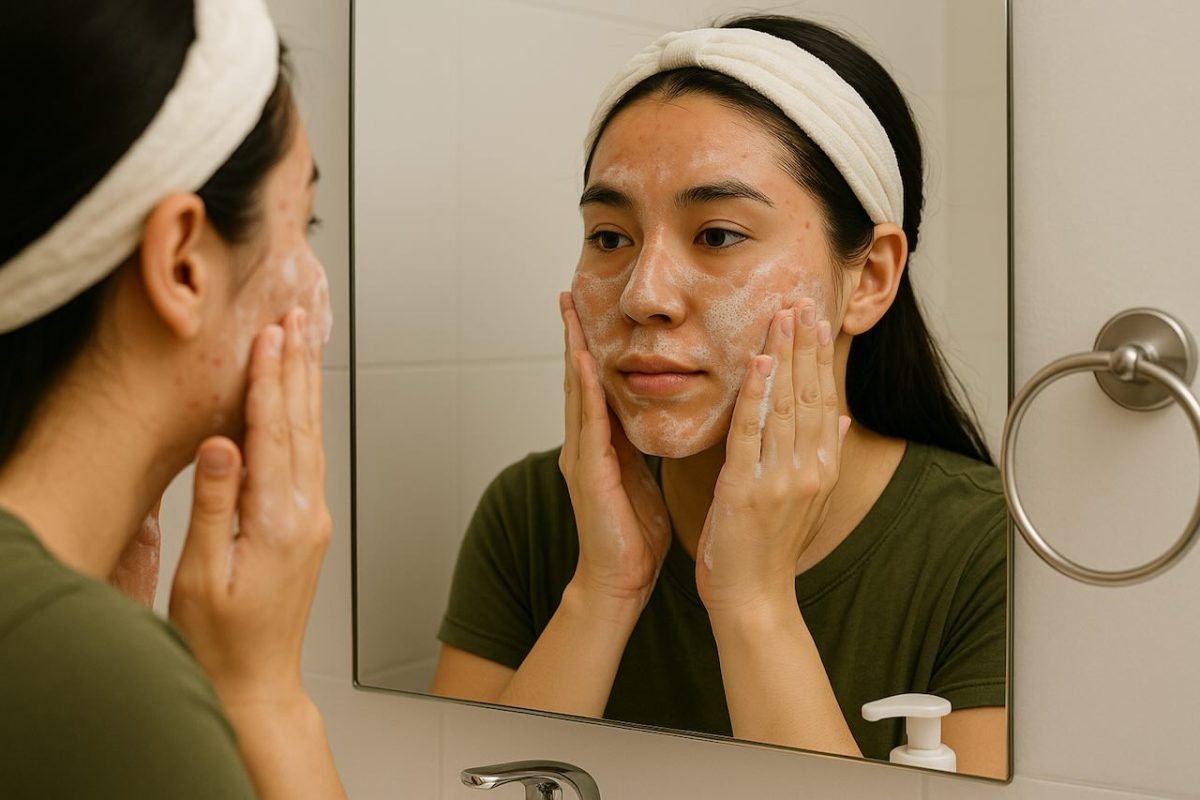
Skin purging can be unsettling, but with the right approach, you can minimise discomfort and support your skin’s recovery. Here are simple tips to help you navigate this phase:
1. Be Patient and Consistent
Stay committed to your new product if you’re sure it’s causing purging, as stopping and starting can prolong the adjustment period. Remember that patience often pays off with clearer skin once the purge subsides.
2. Avoid Picking or Squeezing
Refrain from picking at blemishes to avoid pushing bacteria deeper and causing acne scars or dark spots. Keeping your hands off your face helps prevent unnecessary irritation and supports healing.
3. Keep Your Routine Gentle
Use mild cleansers and skip harsh scrubs or treatments while your skin adjusts. A gentle routine reduces irritation and protects your skin barrier during purging.
4. Moisturise Regularly
Moisturise daily with non-comedogenic products to keep your skin balanced and comfortable. Hydrated skin is more resilient and better able to handle active ingredients.
5. Prioritise Sun Protection
Wear broad-spectrum sunscreen every day, as purging can make skin more sensitive to UV damage. Sun protection prevents further irritation and pigmentation changes during this time.
6. Introduce Actives Slowly
Ease new active ingredients into your routine by using them every other night or a few times a week. Gradual use helps reduce the severity and duration of purging.
Managing skin purging requires patience and gentle care, but these small adjustments can make the journey smoother and help you achieve the clearer skin you’re aiming for.
When to Seek Professional Help
While purging is normal, you should consult a dermatologist if breakouts become painful, widespread, or infected, or if you see severe redness, peeling, or irritation. If you’re struggling to figure out whether your skin is purging or breaking out, or you simply want smoother, healthier skin, Dr. Chong Clinic can help.
Our team of skin experts offers personalised assessments and advanced treatments to address your unique concerns, from active acne to post-purging care. Don’t let uncertainty hold back your skincare journey. Contact Dr. Chong Clinic today and take the first step toward skin you’ll love.
Frequently Asked Questions (FAQ)
1. Can all skincare products cause purging?
Skin purging is only caused by products with active ingredients that speed up skin cell turnover, like retinoids or acids. Whereas, products without such active ingredients are less likely to trigger it.
2. Should I stop using a product if my skin is purging?
If you’re experiencing skin purging, it’s generally recommended to keep using the product unless severe irritation occurs.
3. How long does skin purging typically last
Skin purging usually lasts between 4 and 6 weeks, which aligns with one skin cell turnover cycle. If it goes beyond this, it’s likely a sign of irritation or a true breakout.
4. What treatments does Dr Chong Clinic offer for managing skin purging?
Dr Chong Clinic offers professional guidance and treatments for skin purging, including gentle chemical peels, calming facials, and prescription skincare tailored to your skin type.
*All images used in this article are AI-generated.