Blog
Syphilis: Causes, Symptoms, Stages, Diagnosis, and Treatment

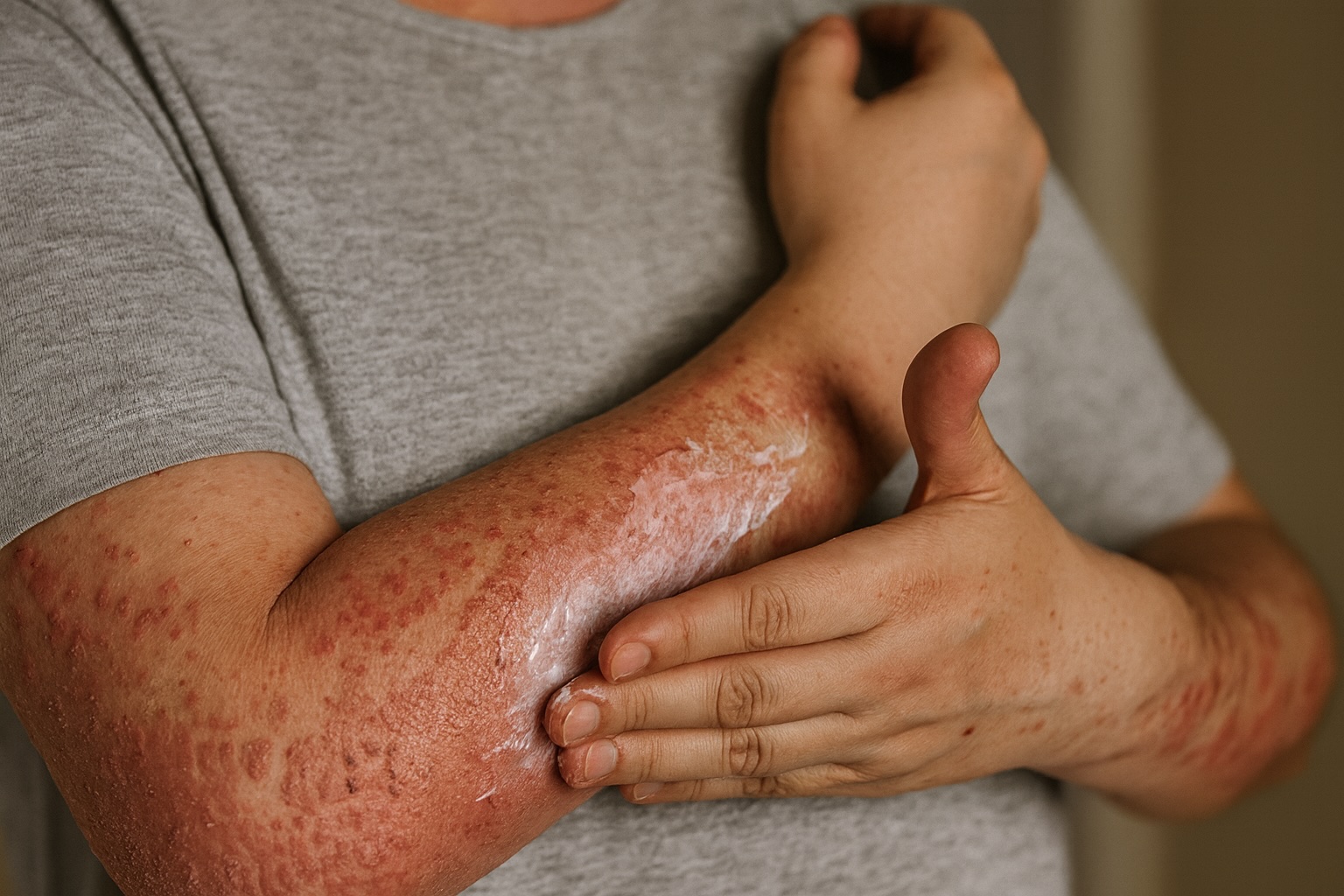
Syphilis is a sexually transmitted infection (STI) caused by the bacterium Treponema pallidum. Its symptoms are often subtle, easily mistaken for other conditions, or may disappear without treatment. Although early signs can be mild, untreated syphilis can progress into serious stages that harm the heart, brain, and nervous system.
Understanding how syphilis spreads, its symptoms, and how it is diagnosed is important for protecting long-term health. The infection is mainly transmitted through vaginal, anal, or oral sex, and can also pass from mother to baby during pregnancy or childbirth. Because early symptoms are often overlooked, regular screening is crucial for preventing complications.
What Causes Syphilis?
Syphilis is caused by a spiral-shaped bacterium known as Treponema pallidum. The infection enters the body through mucous membranes or breaks in the skin during sexual contact. Even if symptoms are not visible, the bacteria can still spread, making it possible for someone to transmit syphilis without knowing they are infected.
The infection begins at the entry point and then spreads through the bloodstream to other organs. If left untreated, the bacteria can persist in the body for years, causing systemic damage.
How Syphilis Spreads
Syphilis is transmitted mainly through direct contact with a syphilitic sore, also called a chancre. These sores can appear on the genitals, anus, mouth, or throat. Because chancres are often painless and may be hidden inside the body, they are easy to miss. Syphilis can spread through:
- Vaginal, anal, or oral sex
- Skin-to-skin contact with a syphilitic sore
- Sharing sex toys without proper cleaning
- Transmission from mother to baby during pregnancy
Syphilis does not spread through casual contact such as touching, sharing utensils, toilet seats, or swimming pools.
Symptoms and Stages of Syphilis
Syphilis progresses through four stages. Symptoms differ at each stage, but the infection can remain contagious throughout the early phases. Some symptoms may fade temporarily, but this does not mean the infection is gone.
Primary Syphilis
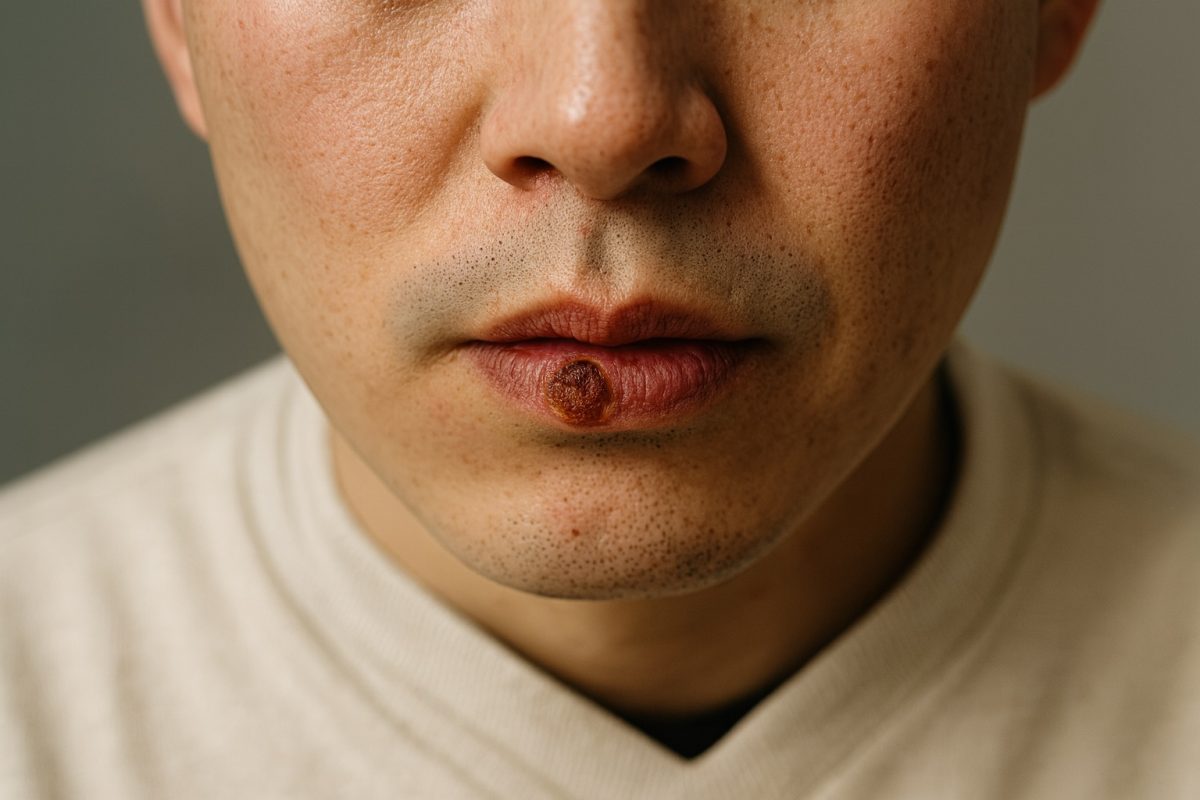
Primary syphilis begins with a single sore called a chancre at the point of infection, often on the genitals, anus, or mouth. The sore is firm, round, and painless, so it often goes unnoticed. It appears 10 to 90 days after exposure and heals within three to six weeks without treatment. Although the chancre disappears, the infection remains active.
Secondary Syphilis
If untreated, syphilis progresses to the secondary stage, which causes a widespread rash that may appear anywhere on the body, including the palms and soles. Other symptoms can include wart-like growths near the genitals, fatigue, swollen lymph nodes, sore throat, patchy hair loss, and muscle aches. These symptoms can occur over several weeks or months.
Latent Syphilis
In the latent stage, syphilis shows no symptoms, but the bacteria remain in the body. Early latent syphilis occurs within the first year of infection, while late latent syphilis develops after a year or more. Without treatment, the disease can silently progress to more serious stages.
Tertiary Syphilis
Tertiary syphilis is the most severe form and can develop years after the initial infection. It may cause permanent damage to the brain, nerves, eyes, heart, and blood vessels. Symptoms can include coordination problems, dementia-like changes, and soft growths called gummas. Damage at this stage can be life-threatening and irreversible.
Congenital Syphilis
Congenital syphilis occurs when an infected mother passes the infection to her baby during pregnancy. It can result in miscarriage, stillbirth, or serious health problems such as deformities, anemia, enlarged organs, or neurological issues. Routine STI screening in pregnancy greatly reduces these risks.
How Syphilis Is Diagnosed
Early diagnosis is crucial to prevent complications. Syphilis is usually confirmed through blood tests that detect antibodies or by swabbing a chancre if present. In advanced cases, neurological or imaging tests may be required. Professional medical testing is the only reliable way to diagnose syphilis.

Treatment Options for Syphilis
Syphilis is curable with proper medical treatment. Penicillin is the most effective treatment and is typically given through an injection. The number of doses depends on the stage of the infection. Treatment usually includes:
- Penicillin injections are administered by a healthcare professional
- Alternative antibiotics for those allergic to penicillin
- Follow-up blood tests to ensure the infection has cleared
- Avoiding sexual contact until treatment is complete
Treatment eliminates the bacteria but cannot reverse damage caused by late-stage syphilis. This is why early testing and prompt medical care are essential, as starting treatment before the infection progresses helps protect long-term health and prevents serious complications.
Preventing Syphilis
You can reduce your risk of syphilis by using condoms consistently, practising safe sex, getting regular STI screenings, limiting your number of your sexual partners, avoiding contact with sores or rashes, and ensuring that your partners are tested and treated. Staying informed and prioritising prevention remain the strongest protections against syphilis.
Protect Yourself With Early Detection and Treatment
Syphilis is a serious but fully treatable infection when identified early. Because symptoms can be subtle or hidden, regular STI screening is important, especially for anyone who is sexually active or has had unprotected sex. Early diagnosis ensures effective treatment and prevents long-term complications.
If you have noticed unusual sores, rashes, or symptoms, or if you simply want a confidential screening, Dr Chong Clinic offers professional STI testing, accurate diagnosis, and effective treatment. Our team provides discreet and personalised care to support your sexual health.
Take charge of your health and well-being by contacting Dr Chong Clinic today.
Frequently Asked Questions (FAQs)
1. What is the first noticeable sign of syphilis?
The earliest sign is usually a painless sore called a chancre, which appears at the site of infection. It may form on the genitals, anus, mouth, or throat and often goes unnoticed.
2. Can syphilis go away on its own?
Syphilis symptoms may disappear, but the infection remains in the body. Without treatment, it progresses to more severe stages. Only antibiotics can cure syphilis.
3. How soon after exposure can syphilis be detected?
Most blood tests can detect syphilis within three to six weeks after exposure. Testing too early may require follow-up tests for accuracy.
4. Is syphilis curable?
Yes. Syphilis is completely curable with proper antibiotic treatment, usually penicillin. However, treatment cannot reverse damage caused by late-stage infection, so early detection is important.
*All images used in this article are AI-generated.