Blog
How To Fix Textured Skin Without Damaging Your Skin Barrier

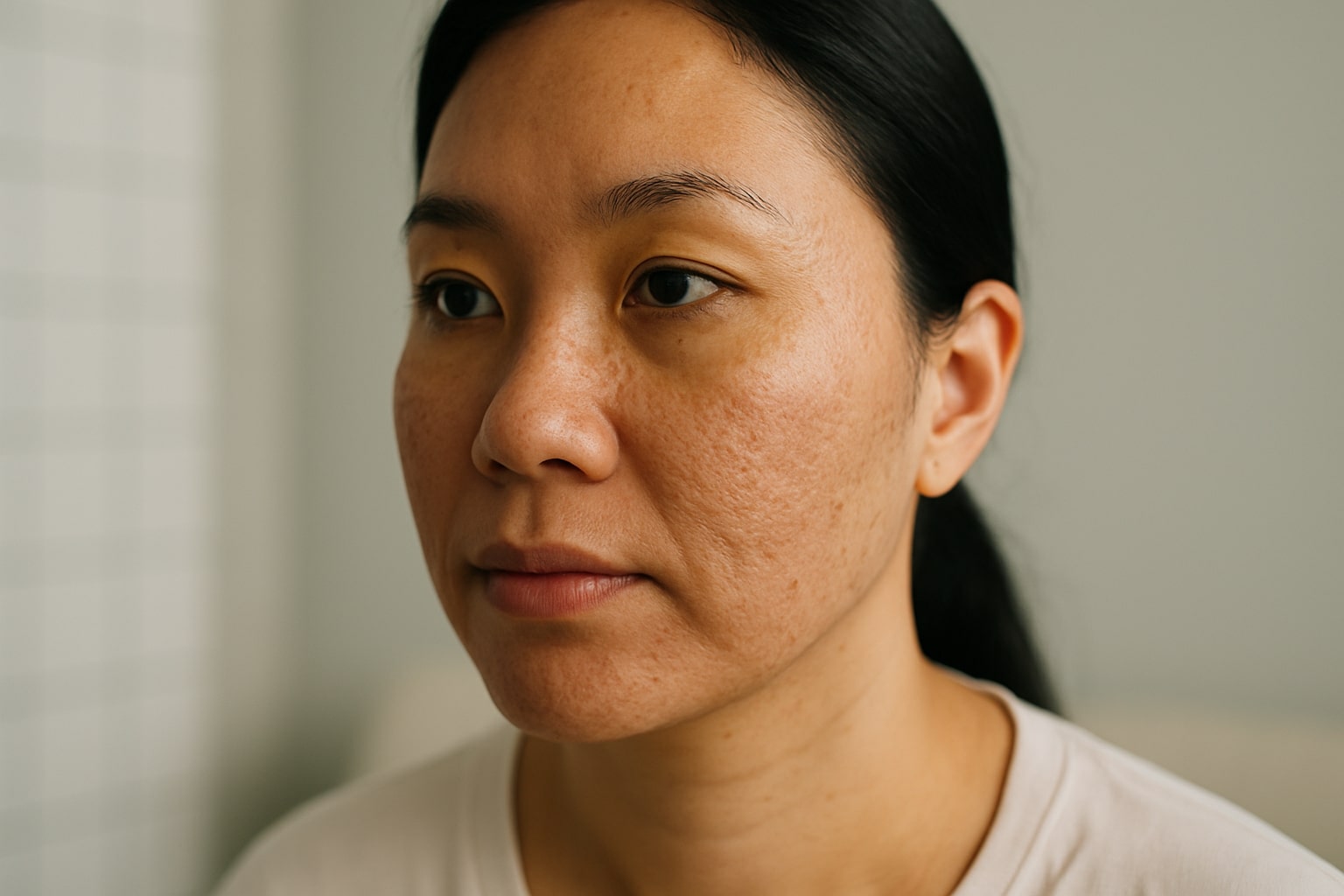
When skin is healthy and balanced, it appears smooth, luminous and even. But for many people, the surface of the skin feels rough, bumpy or dull. This is known as textured skin, and it can appear in different forms such as enlarged pores, fine lines, acne scars or flaky patches. While it is not harmful, textured skin often impacts self-confidence and makeup application.
Fortunately, textured skin can be improved. With the right combination of care and professional treatment, it is possible to achieve smoother, more refined skin. This article covers what textured skin is, what causes it, and what you can do to treat and prevent it effectively.
What is Textured Skin?
Textured skin refers to an uneven surface that lacks the smooth, soft feel of healthy skin. It can present as:
- Rough patches or flakiness
- Acne scars or pitted areas
- Enlarged pores
- Bumps and clogged pores
- Fine lines and creases
- General dullness or uneven tone
Unlike pigmentation or redness, textured skin is about the skin’s topography, how it looks and feels to the touch.
What Causes Textured Skin
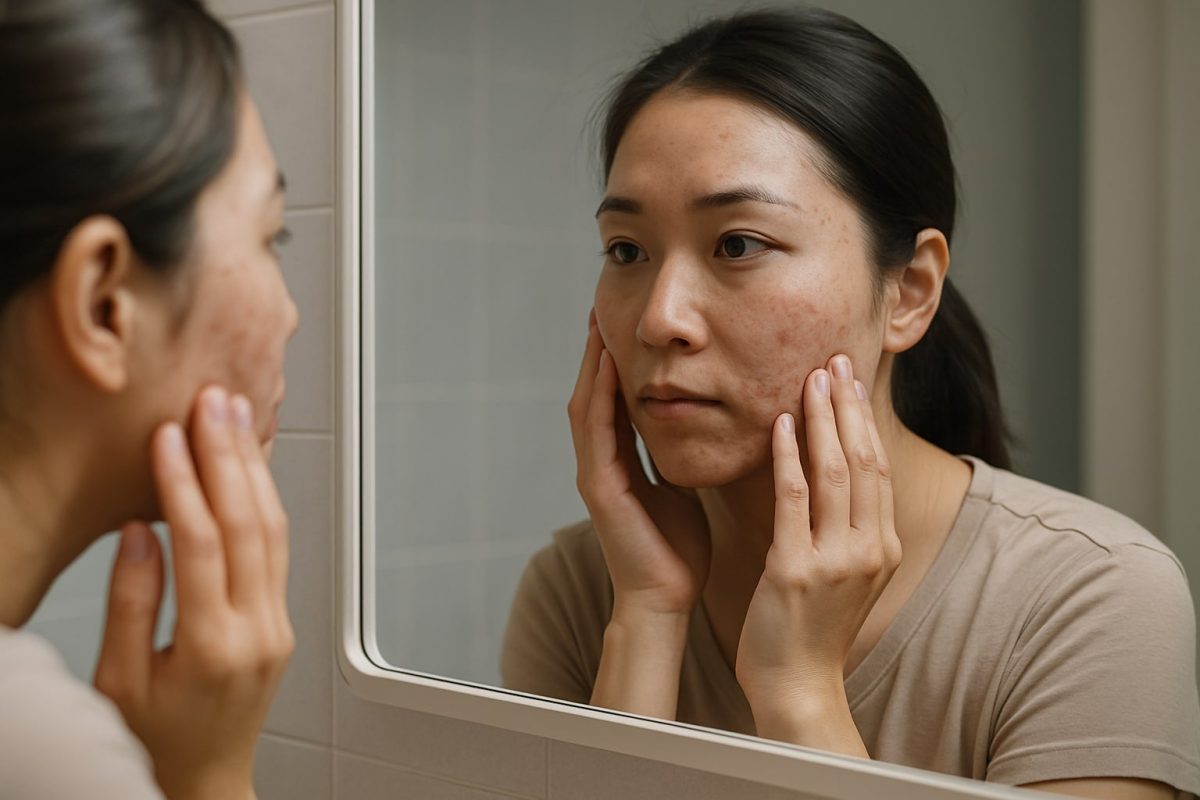
Textured skin can be caused by multiple factors, many of which are related to skin health, ageing, or environmental exposure. Common causes include:
1. Dead Skin Build-Up
When the skin’s natural exfoliation process slows down, dead cells accumulate on the surface. This results in a dry, flaky texture that makes skin appear dull and uneven.
2. Acne and Post-Acne Scars
Inflamed acne can damage skin tissue, leaving behind textural scarring such as indentations or uneven bumps. These scars tend to linger if left untreated.
3. Sun Damage
Chronic sun exposure degrades collagen and elastin fibres, leading to roughness, fine lines and enlarged pores over time. UV damage also slows skin turnover, exacerbating texture.
4. Dehydrated Skin
Lack of moisture can cause the skin to feel tight, rough or gritty. Dehydrated skin often accentuates other imperfections, making the texture more noticeable.
5. Enlarged Pores
Excess oil production or genetic factors can stretch out the pores, especially around the nose, cheeks and forehead. This creates a bumpy, uneven look on the surface.
6. Ageing and Collagen Loss
With age, the skin naturally loses elasticity and firmness. This contributes to sagging and roughness, especially around areas with repetitive movement, such as the eyes or mouth.
7. Improper Skincare
Using harsh products or skipping exfoliation can disrupt the skin barrier. This leads to irritation, clogged pores and worsening of existing texture issues.
Signs Your Skin Texture Needs Attention
Everyone’s skin has some texture. However, if you notice any of the following, your skin may benefit from more targeted care:
- Foundation or makeup does not sit smoothly on the skin
- Your skin feels rough when you run your fingers over it
- Pores appear more visible than usual
- There are small bumps that do not go away with cleansing
- You notice dullness even after applying moisturiser
Being aware of these signs can help you respond early and prevent the texture from becoming more difficult to treat.
How to Treat Textured Skin Effectively
Improving skin texture requires a combination of at-home care and in-clinic treatments. The right approach will depend on the severity of your texture, your skin type and your goals.
1. Exfoliation
Regular exfoliation helps remove dead skin cells and promotes smoother skin. There are two types of exfoliation:
- Physical exfoliants like scrubs should be used gently to avoid microtears.
- Chemical exfoliants like AHAs (glycolic acid) and BHAs (salicylic acid) dissolve bonds between dead cells for a more even resurfacing.
Tip: Start with exfoliating once or twice a week and observe how your skin responds.
2. Hydration and moisturisers
Use products with humectants like hyaluronic acid to maintain moisture in the skin. Well-hydrated skin looks plumper and helps reduce the visibility of fine lines and roughness.
3. Topical retinoids
Retinoids speed up cell turnover, improve collagen production and unclog pores. They are widely recommended for textured skin but should be introduced slowly to avoid irritation.
4. Sun protection
Sunscreen is non-negotiable. Daily use of broad-spectrum SPF helps prevent further damage that worsens texture and uneven skin tone.
5. Professional treatments
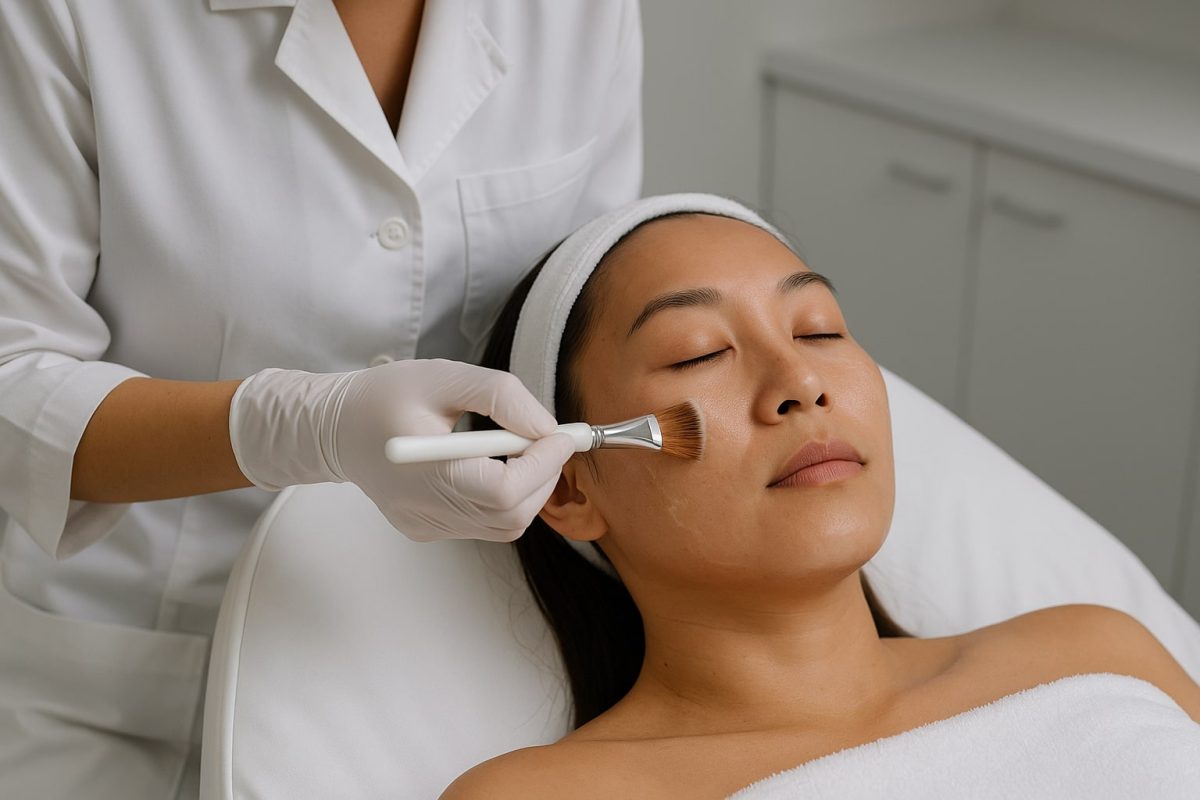
For deeper texture concerns, in-clinic treatments offer faster and more visible results. These include:
- Microneedling: Creates controlled micro-injuries to stimulate collagen and smooth out scars or lines
- Chemical peels: Remove the outer skin layer to reveal newer, smoother skin beneath
- Laser resurfacing: Targets texture at a deeper level by stimulating collagen and refining surface irregularities
- Carbon laser or pico laser: Useful for improving skin texture, tone and clarity with minimal downtime
- Oxy facial: Combines gentle exfoliation and oxygen infusion for smoother, refreshed skin
- Radiofrequency (RF): Tightens skin and improves elasticity for better texture overall
A consultation with a trained medical professional will help identify the right treatment based on your skin type and concern.
Can Textured Skin be Prevented
While some factors like genetics and ageing cannot be avoided, many causes of textured skin are preventable. Here are some habits that help maintain smooth, healthy skin:
- Cleanse gently twice a day to remove dirt and oil
- Exfoliate regularly, but avoid overdoing it
- Stay consistent with moisturiser and SPF
- Avoid touching your face or picking at blemishes
- Follow a skincare routine that matches your skin needs
- Get professional treatments early to maintain results
Consistency and care make all the difference when it comes to skin texture.
Professional Help for Textured Skin at Dr Chong Clinic
If textured skin is affecting your confidence or quality of life, you deserve a solution that works. At Dr Chong Clinic, we specialise in non-invasive, medically backed skin treatments tailored to your skin’s unique texture and needs.
Our doctors combine aesthetic precision with advanced technology to restore smoother, clearer skin. Depending on your skin condition, we may recommend:
- Pico laser for resurfacing and clarity
- Microneedling for scar and texture refinement
- Chemical peels to gently remove dead skin
- Oxy facials for instant glow and smoothness
- Laser toning or carbon laser for dull, rough skin
- Hydration boosters and personalised skincare regimens
With multiple clinics across Malaysia and a trusted medical team, Dr Chong Clinic offers personalised skin solutions in a safe, comfortable environment.
Your skin deserves more than a cover-up. It deserves real care. Book your consultation today and take the first step toward skin that feels as good as it looks.
Frequently Asked Questions
1. Can textured skin be completely removed
While texture cannot be completely eliminated, it can be significantly improved with consistent skincare and targeted treatments.
2. How long does it take to see results
You may notice improvement within weeks, especially with hydration and exfoliation. Deeper treatments like lasers or microneedling take a few months for full results.
3. Is textured skin the same as acne scars
Not always. While acne scars can contribute to skin texture, you can also have texture from dryness, enlarged pores or ageing.
4. Is it safe to exfoliate daily
For most people, exfoliating two to three times a week is enough. Daily exfoliation can damage the skin barrier unless advised by a professional.