

Turkey Neck: How to Tighten Sagging Skin


As we age, one of the most visible signs of skin ageing appears in the neck area, often called “turkey neck.” This condition refers to sagging, wrinkled, or loose skin under the chin and along the neck that resembles the wattle of a turkey. While it is a natural part of ageing, many people find it frustrating as it can make them look older than they feel.
The good news is that with advances in dermatology and aesthetic medicine, turkey neck can be treated and improved using both non-invasive and minimally invasive procedures. In this article, we’ll break down what causes turkey neck, how to prevent it, and the most effective treatments available in Malaysia.
What Is Turkey Neck?
Turkey neck is characterised by loose, sagging, or crepey skin on the neck and under the chin. It can also be accompanied by wrinkles, vertical bands, and fat deposits that make the jawline appear less defined.
Unlike facial wrinkles, neck skin is thinner and often overlooked in daily skincare routines, making it more vulnerable to ageing. For many, it becomes noticeable in their 40s and beyond, though genetics and lifestyle factors can cause it to appear earlier.
Common Causes of Turkey Neck
Turkey neck does not usually develop from a single cause. Instead, several factors often work together over time, gradually leading to sagging and loose skin in the neck area.
Ageing
As we get older, the natural production of collagen and elastin slows down. These are the proteins responsible for keeping the skin firm, supple, and elastic. Without them, the skin on the neck becomes thinner, looser, and more prone to sagging. Over time, this loss of structural support leads to visible wrinkles, folds, and skin laxity in the neck area.
Genetics
Sometimes turkey neck has less to do with lifestyle and more to do with genetics. If sagging neck skin or a weaker jawline runs in your family, you may notice turkey neck as well as sagging jowls developing earlier or more noticeably, even if you take good care of your skin.
Sun Exposure
The skin on the neck is often exposed to harmful UV rays but is rarely given the same level of sun protection as the face. Years of unprotected sun exposure can cause collagen to break down more quickly, leading to crepey, thin skin and uneven pigmentation. This accelerates the ageing process and makes turkey neck more prominent.
Weight Fluctuations
Sudden or repeated weight gain and loss can stretch the delicate skin around the neck. Once the skin has been overstretched, it may not return fully to its original firmness, leaving behind sagging and folds. This is especially noticeable in people who lose a significant amount of weight in a short period.
Lifestyle Factors
Everyday habits can also play a major role. Constantly looking down at phones or computers, sometimes referred to as “tech neck,” creates repeated folds in the skin that eventually become permanent lines. Smoking reduces blood flow and oxygen to the skin, speeding up collagen breakdown.
Dehydration and poor nutrition deprive the skin of essential nutrients and hydration, making it less resilient. Combined, these lifestyle factors accelerate the development of turkey neck and make it appear more severe.
Preventing Turkey Neck
Although turkey neck is a natural part of the ageing process, there are steps you can take to delay its onset and reduce its severity. Consistency is key, and a few simple daily habits can go a long way in protecting the delicate skin on your neck and keeping it firmer for longer.
- Apply sunscreen daily to your face and neck.
- Moisturise regularly with products containing peptides, ceramides, and hyaluronic acid.
- Maintain a healthy lifestyle with a balanced diet, hydration, and regular exercise.
- Improve posture and avoid constantly looking down at screens.
- Consider preventive treatments like skin rejuvenation therapies before significant sagging develops.
By combining good skincare with healthy lifestyle choices, you can help maintain the strength and elasticity of your neck skin, slowing down visible ageing and keeping your jawline looking more defined over time.
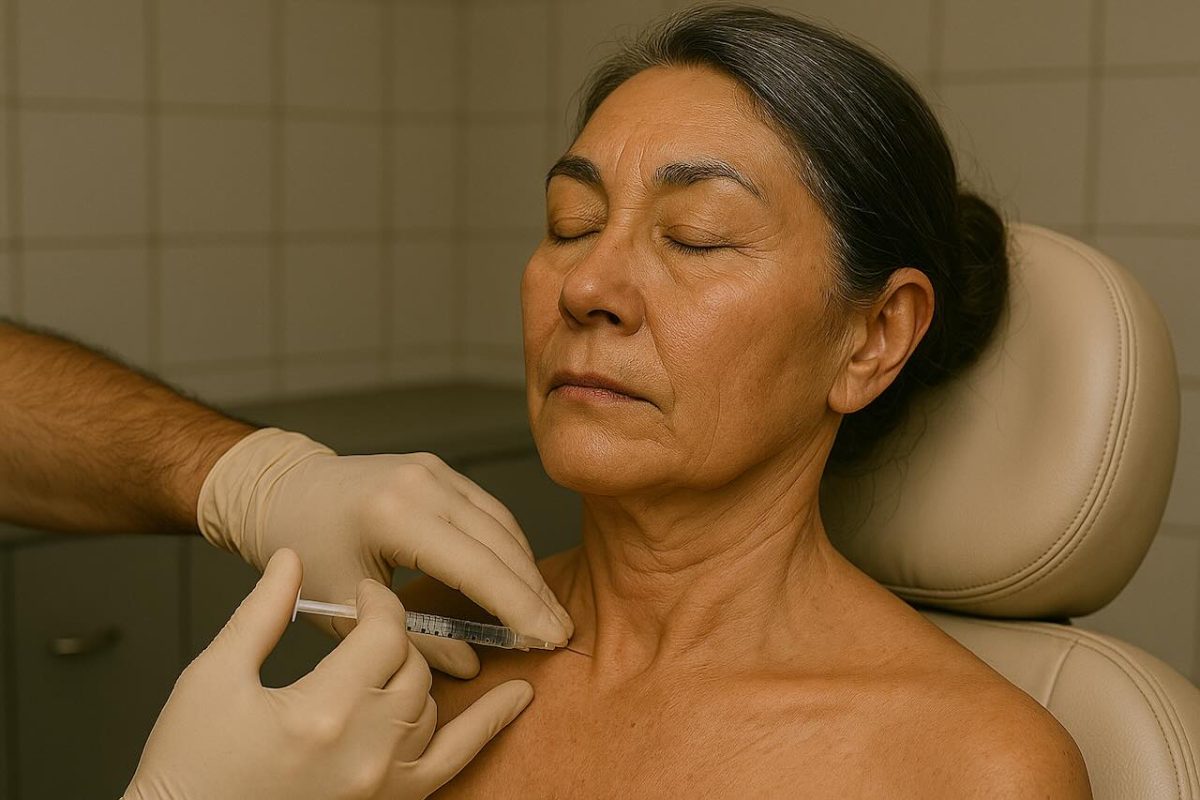
Best Treatments for Turkey Neck
Modern treatments can significantly reduce sagging, tighten skin, and improve the jawline’s definition. Depending on the severity of the concern and your individual needs, dermatologists may recommend one or a combination of the following options:
Botox for Neck Bands
Botox injections target the platysma muscles in the neck that create vertical banding. By relaxing these muscles, the treatment smooths out lines and softens the appearance of the neck. Results can often be seen within just a few days, creating a noticeable Botox before-and-after effect that makes the neck look firmer and more youthful.
Ultherapy and HIFU
Ultherapy and HIFU (High-Intensity Focused Ultrasound) use ultrasound energy to penetrate deep into the skin, stimulating collagen production and strengthening its foundation. Over time, this tightens and lifts sagging neck skin. Results are gradual but can last up to 12–18 months, making these treatments a popular non-invasive alternative to surgery.
Dermal Fillers
For mild sagging or volume loss, dermal fillers restore definition to the jawline and neck. By filling hollow spaces and supporting the skin, they reduce sagging and create a smoother, balanced profile. While fillers work differently from Botox, many patients explore dermal fillers vs Botox to determine which suits their concerns best.
Thread Lifts
A thread lift uses dissolvable sutures under the skin to create an instant lifting effect. As the threads dissolve, they stimulate collagen for longer-term firmness. This treatment is popular for those wanting noticeable lifting without surgery and can also be done as a nose thread lift to refine nose definition.
Skin Laser Treatments
Skin laser treatment/resurfacing, including Pico Laser and Fractional CO2, can refine the texture of the skin, smooth fine lines, and stimulate collagen renewal. For turkey neck, these treatments improve firmness and reduce the crepey appearance that often develops with age.
Cryolipolysis (Fat Freezing)
If excess fat under the chin is making turkey neck more pronounced, cryolipolysis is an effective solution. By freezing and permanently destroying fat cells, it reduces fullness in the area and creates a more contoured, defined jawline. When combined with skin-tightening treatments, it offers even more dramatic results.
Home Remedies vs Professional Treatment
Many people try home remedies like neck exercises, firming creams, or massages to improve turkey neck. While these can support skin health, they often provide only temporary or minimal results.
Professional treatments such as Ultherapy, Botox, or thread lifts offer proven, longer-lasting improvements by addressing the underlyin…g causes of sagging skin. Just like the difference between home remedies and professional acne scar treatments, professional options for turkey neck are more effective and provide visible results.
When to See a Dermatologist
If sagging neck skin is making you self-conscious or if at-home efforts are not giving results, it’s time to consult a dermatologist. They can recommend personalised treatment plans based on your skin type, age, and concerns, ensuring the safest and most effective outcome.
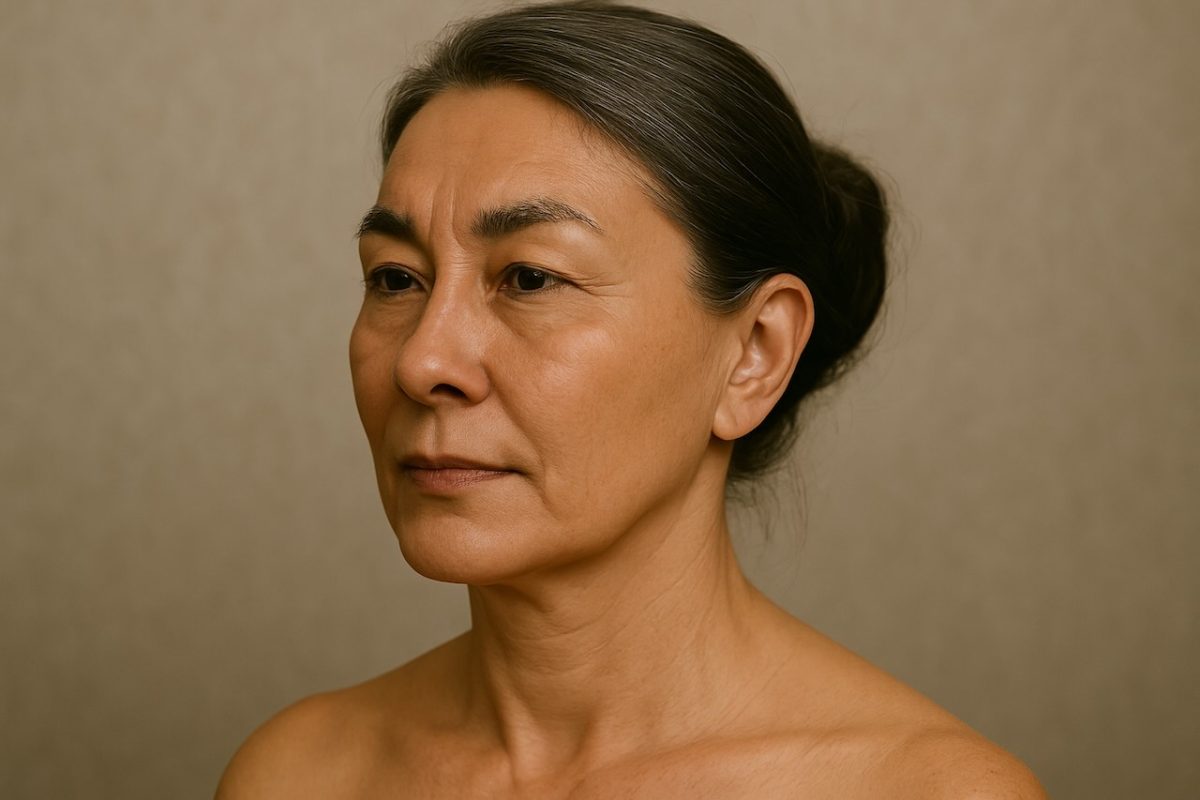
Treating Turkey Neck Effectively
Turkey neck is a common sign of ageing, but it doesn’t have to define your appearance. With modern non-invasive and minimally invasive treatments, sagging skin around the neck and jawline can be tightened, lifted, and smoothed for a more youthful profile.
For the best results, it is essential to seek treatment from a recognised and experienced clinic. In Malaysia, Dr. Chong Clinic is a trusted choice with multiple branches nationwide and a team of LCP-certified dermatologists. Their expertise in advanced skin and anti-ageing treatments ensures safe, effective, and natural-looking results tailored to your needs.
Book your consultation with Dr. Chong Clinic today and take the first step towards a smoother, firmer, and more confident neckline.
Frequently Asked Questions (FAQs)
1. What age does turkey neck usually start?
It typically appears in the 40s and beyond, but genetics, lifestyle, and sun exposure can cause it to develop earlier.
2. Can exercises get rid of turkey neck?
Neck exercises may strengthen muscles but cannot restore lost collagen or tighten loose skin. Professional treatments are more effective.
3. Is Ultherapy safe for treating turkey neck?
Yes. Ultherapy is FDA-approved and considered one of the safest and most effective non-invasive treatments for sagging skin.
4. Can turkey neck be prevented?
Prevention isn’t always possible, but sunscreen, moisturising, healthy habits, and early treatments can delay its onset.
*All images used in this article are AI-generated.


