

Ultherapy vs Botox: Which Is Better for Wrinkles?


Wrinkles are common signs of ageing, often developing from repeated facial expressions, sun exposure, and the natural decline of collagen and elastin. While they are a normal part of ageing, many people look for ways to soften their appearance. Thanks to modern aesthetic treatments, you don’t have to live with lines and sagging skin if they bother you.
Two of the most popular options in Malaysia are Ultherapy and Botox, both widely used for addressing wrinkles. With growing interest in anti-ageing solutions, a common question arises: which treatment is better for wrinkles? In this article, we’ll compare Ultherapy vs Botox, explain how they work, highlight their benefits, and help you decide which option may be right for you.
For those exploring other options, you may also want to learn more about Botox vs fillers and which works better for wrinkles.
Understanding Wrinkles: Dynamic vs Static
Before exploring wrinkle treatments in Malaysia like Ultherapy and Botox, it’s essential to understand the two main types of wrinkles and how they form. This distinction helps explain why different treatments target different concerns.
Dynamic Wrinkles
Dynamic wrinkles are formed by repeated facial movements. Over time, these repetitive expressions crease the skin, eventually leaving visible lines even when the face is relaxed. Common examples include frown lines, crow’s feet, and forehead lines. Dynamic wrinkles often appear earlier in life and are strongly influenced by facial muscle activity.
Static Wrinkles
Static wrinkles, on the other hand, develop as a natural result of skin ageing. With age, the skin produces less collagen and elastin, making it thinner and less able to bounce back. These wrinkles are visible even when the face is at rest. Common examples include marionette lines and nasolabial folds.
Ultherapy vs Botox: What’s the Difference?
Botox is an injectable treatment that temporarily relaxes specific facial muscles, preventing them from contracting and forming lines. By reducing these movements, Botox smooths existing dynamic wrinkles and helps prevent new ones from becoming deeply etched.
Ultherapy, on the other hand, is a non-invasive treatment that uses focused ultrasound energy to penetrate the deeper layers of the skin. This stimulates the body’s natural collagen and elastin production, gradually lifting and tightening the skin for a firmer, more youthful look. Both Ultherapy and Botox are designed to reduce the appearance of wrinkles, but they work in very different ways. In short, Botox is best for dynamic wrinkles such as expression lines while Ultherapy is better for sagging areas of the face and static wrinkles that appear when the face is at rest.
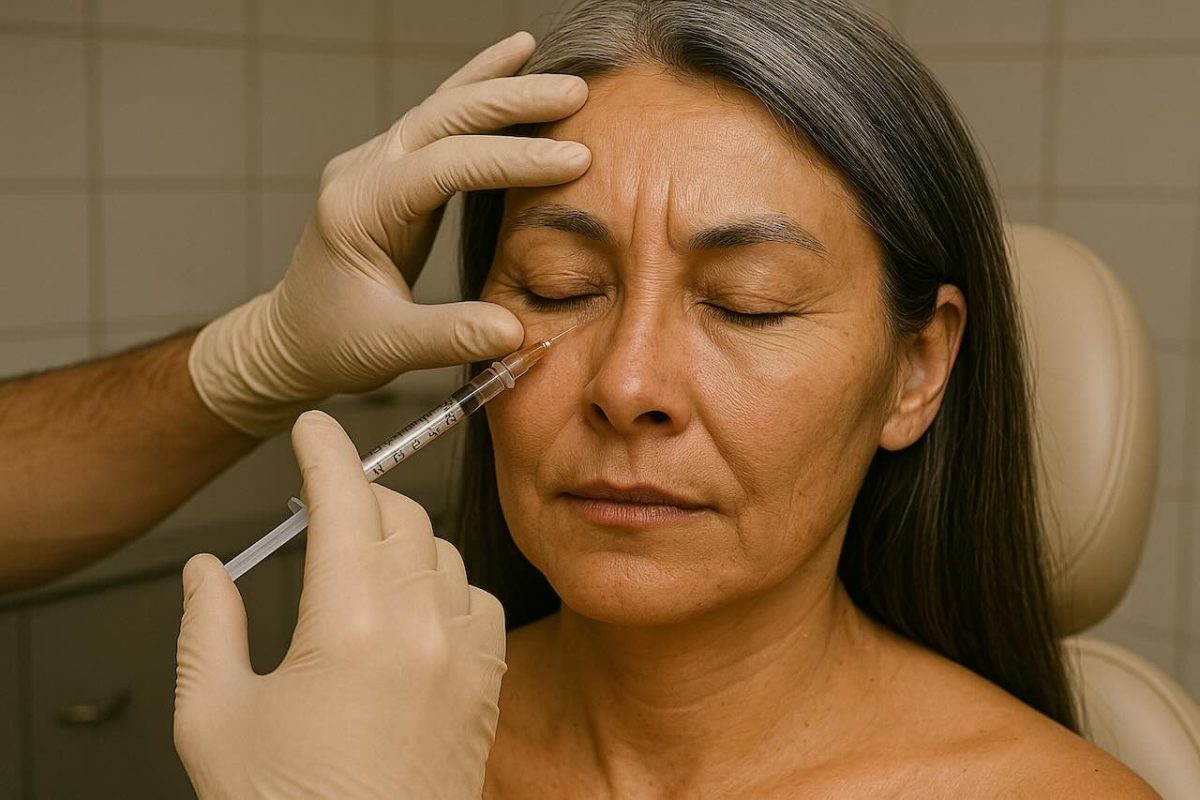
Botox for Dynamic Wrinkles
Botox (Botulinum toxin) is one of the most popular treatments worldwide for expression lines. By temporarily blocking nerve signals to the muscles, Botox reduces movement in treated areas, softening existing wrinkles and preventing new ones from forming.
This makes it especially effective for those who notice fine lines deepening when they smile, frown, or raise their brows.
Key Benefits
- Smooths frown lines, forehead lines, and crow’s feet
- Quick results visible within 3 to 7 days
- Prevents new wrinkles from forming
- Minimal downtime, allowing you to return to daily activities immediately
- Can be combined with fillers for facial contouring

Ultherapy for Skin Laxity and Static Wrinkles
Ultherapy in Malaysia is a non-invasive treatment that uses focused ultrasound energy to stimulate collagen production in the deeper layers of the skin. Unlike Botox, which targets muscle movement, Ultherapy works below the surface to lift and tighten skin naturally over time.
It is best suited for people experiencing mild to moderate sagging cheeks, drooping brows, or static wrinkles that remain visible even at rest.
Key Benefits
- Lifts and firms sagging cheeks, jawline, and neck
- Reduces static wrinkles and improves overall skin elasticity
- Stimulates natural collagen production for gradual, long-lasting results
- Non-invasive with no needles or injections
- Results can last 12 to 18 months
Key Differences Between Ultherapy and Botox
While both Ultherapy and Botox are highly effective for treating wrinkles, they work in very different ways. Understanding these differences is important when deciding which treatment is right for you, as each addresses specific concerns, targets different layers of the skin, and produces results on different timelines.
Purpose
Botox is primarily used to smooth dynamic wrinkles caused by repeated facial expressions such as frown lines. It is ideal for softening movement-related lines. Whereas, Ultherapy complements this by addressing static wrinkles and sagging skin that remain visible even when the face is at rest, making it more suitable for lifting and tightening.
Technology
Botox works through precise injections of botulinum toxin into targeted muscles to temporarily relax them, preventing repetitive contractions that create lines. Ultherapy, instead of targeting muscles, uses focused ultrasound energy to reach deeper layers of the skin, where it stimulates collagen production and strengthens the skin’s support structure.
Collagen Support
Botox does not directly increase collagen but helps prevent further crease formation by reducing muscle movement. Ultherapy takes a different approach by actively stimulating new collagen and elastin, helping to restore firmness and resilience over time.
Results and Longevity
Botox delivers noticeable, proven results quickly, with visible before-and-after transformations appearing within 3 to 7 days and lasting around 3 to 6 months. Ultherapy, on the other hand, works more gradually, with improvements becoming noticeable over 2 to 3 months and results that can last up to 12 to 18 months.
Procedure and Comfort
Botox involves small injections that take only a few minutes and cause minimal discomfort. Ultherapy avoids needles altogether, relying on ultrasound energy instead. Most patients report only mild tingling or warming sensations during the treatment.
Downtime
Botox requires virtually no downtime, although some people may notice minor redness or bruising at the injection site. Ultherapy is similarly convenient, with only temporary redness or mild swelling that fades quickly, making it an equally low-disruption treatment.
Safety
Both treatments are considered safe when performed by qualified practitioners. Botox carries a small risk of side effects such as drooping eyelids if injected incorrectly, while Ultherapy may cause temporary tingling or sensitivity as the skin rebuilds collagen. This is why it is essential to seek treatment from a recognised clinic to ensure safe techniques.

Which Is Better for Wrinkles?
The choice between Ultherapy and Botox depends largely on your skin concerns and goals. Botox is ideal if you want quick results for fine lines and dynamic wrinkles, especially around the forehead, eyes, and brows. Ultherapy, on the other hand, is better suited for sagging skin, drooping brows, or static wrinkles and offers long-lasting tightening without injections.
For many people, the best results come from combination therapy, where Botox softens expression lines while Ultherapy restores firmness. Together, they address both dynamic and static wrinkles, creating a more natural and youthful look.
Quick Takeaway: Which Is Better?
- Choose Botox if: Your main concern is expression lines like frown lines, crow’s feet, or forehead wrinkles.
- Choose Ultherapy if: You want to lift sagging skin and improve static wrinkles for longer-lasting results.
- Choose Both if: You want a comprehensive anti-ageing solution that smooths lines and restores firmness at the same time.
If you’re considering either treatment, consult a trusted clinic for professional advice. Dr. Chong Clinic, with multiple branches across Malaysia and a team of LCP-certified dermatologists, is recognised for its expertise in advanced skin treatments, from anti-wrinkle injections to non-invasive lifting procedures.
Contact Dr. Chong Clinic today to find out whether Ultherapy, Botox, or a combination is right for you.
Frequently Asked Questions (FAQs)
1. Is Ultherapy more effective than Botox?
Not necessarily. Ultherapy is better for lifting and tightening sagging skin, while Botox is better for smoothing wrinkles caused by expressions.
2. Can I combine Ultherapy and Botox?
Yes. Many patients achieve the best results with a combination of both treatments, targeting wrinkles and skin laxity together.
3. How long do results last?
Botox typically lasts 3 to 6 months, while Ultherapy results can last up to 18 months.
4. Is there downtime after Ultherapy or Botox?
Both treatments have little to no downtime, though minor redness or swelling may occur temporarily.
*All images used in this article are AI-generated.


