

Understanding Genital Warts: What Causes Them and How to Treat Them

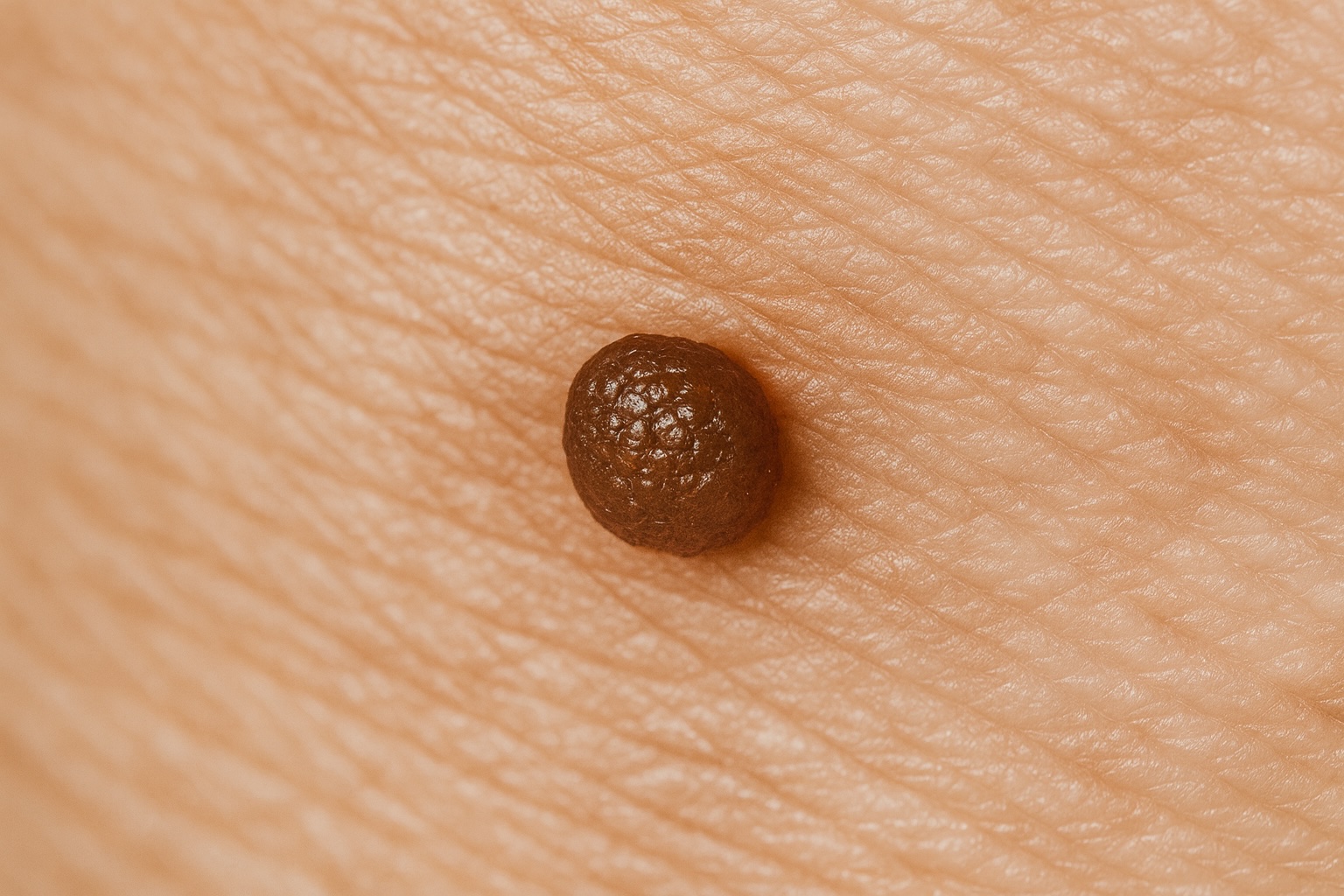
Genital warts are a common sexually transmitted infection caused by certain HPV strains. They are usually mild and treatable, but many people feel concerned when they notice growths around the genital or anal area. Because HPV spreads through skin-to-skin contact, recognising symptoms and seeking treatment is important for protecting your sexual health.
Genital warts can affect anyone sexually active, and many people carry HPV without symptoms, making it easy to spread unknowingly. Although usually not dangerous, genital warts can cause discomfort and emotional stress. Effective treatments can remove warts and reduce outbreaks, and with care and regular screening, the condition is manageable.
What Causes Genital Warts?
Genital warts are caused by low-risk strains of HPV, most commonly types 6 and 11. These particular strains are responsible for about 90 per cent of genital wart cases and are not linked to cancer strains. HPV spreads through direct skin-to-skin contact during vaginal, anal, or oral sex. It can also spread through close genital contact even without penetration.
Because HPV can be present on the skin without visible signs, many people contract the infection from partners who are unaware. Most sexually active individuals will encounter HPV at some point in their lives, but not everyone develops warts. The immune system usually clears the virus naturally, but in some people, HPV triggers the growth of warts.
How Genital Warts Spread
Genital warts spread through intimate skin-to-skin contact rather than through bodily fluids. The virus enters tiny breaks in the skin during sexual activity and can be transmitted by:
- Vaginal sex
- Anal sex
- Oral sex
- Genital-to-genital contact
- Sharing sex toys without proper cleaning or protection
HPV is highly contagious, even when warts are small, barely noticeable, or completely absent. This is why HPV is one of the most widespread STIs globally. Genital warts do not spread through casual contact like hugging or using toilets. Pregnant women with active genital warts may pass HPV to their baby during childbirth, although this is rare.
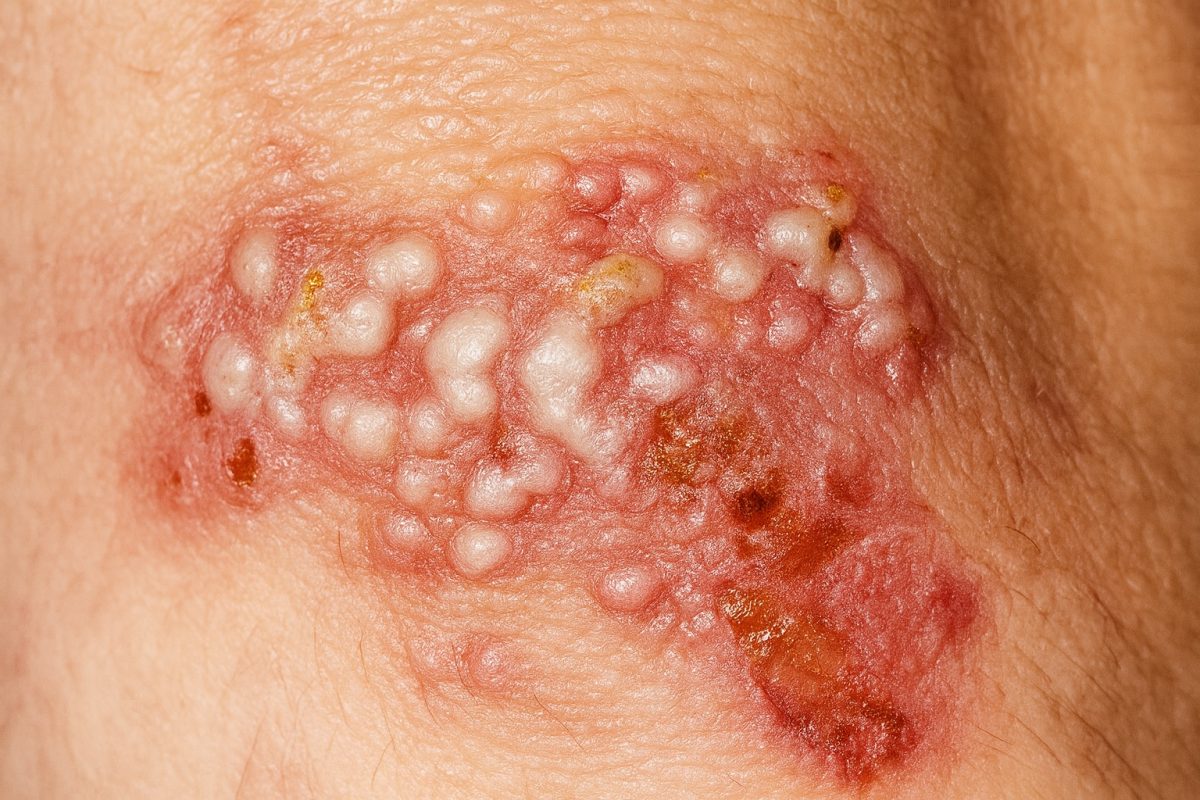
Symptoms of Genital Warts
Genital warts can look different from person to person. They may appear weeks, months, or even years after exposure to HPV, making it difficult to know when or from whom the infection was contracted. Common symptoms include:
Visible Growths
Genital warts typically appear as small, flesh-coloured or pink bumps on the genital or anal area. They may be flat or raised, single or clustered, and sometimes have a cauliflower-like texture. Common sites include the vulva, vagina, cervix, penis, scrotum, and anus. Some warts are tiny and easy to miss, while others are more noticeable.
Itching or Irritation
Many people experience mild itching, irritation, or sensitivity in the affected area. This discomfort may be constant or occur only when the warts are touched or rubbed. However, some individuals feel no irritation at all, making it possible to have genital warts without realising it.
Bleeding or Discomfort During Sex
When warts grow in areas that experience friction during intercourse, they may cause pain, discomfort, or slight bleeding. This can affect sexual confidence and may lead some individuals to avoid sexual activity until the warts are treated. Addressing these symptoms early helps reduce discomfort and prevent further irritation.
Hidden Warts
Some genital warts develop in locations that are not easily visible, such as inside the vagina, anus, or on the cervix. These hidden warts may not cause noticeable symptoms, so many cases go undetected without a medical examination. Internal warts are often discovered during routine screening or when symptoms like discharge or discomfort prompt a check-up.
Because genital warts can be subtle or resemble harmless growths like skin tags, shaving bumps, or mild irritation, regular sexual health screenings and professional evaluation are essential. Early identification allows for timely treatment and reduces the risk of spreading HPV to partners.
Are Genital Warts Dangerous?
Low-risk HPV strains that cause genital warts do not lead to cancer. However, their presence indicates HPV exposure, which may include high-risk strains such as types 16 and 18 that are linked to cervical, anal, and throat cancers. Routine Pap smears, HPV testing, and regular sexual health screenings are important, especially for sexually active women.
How Genital Warts Are Diagnosed
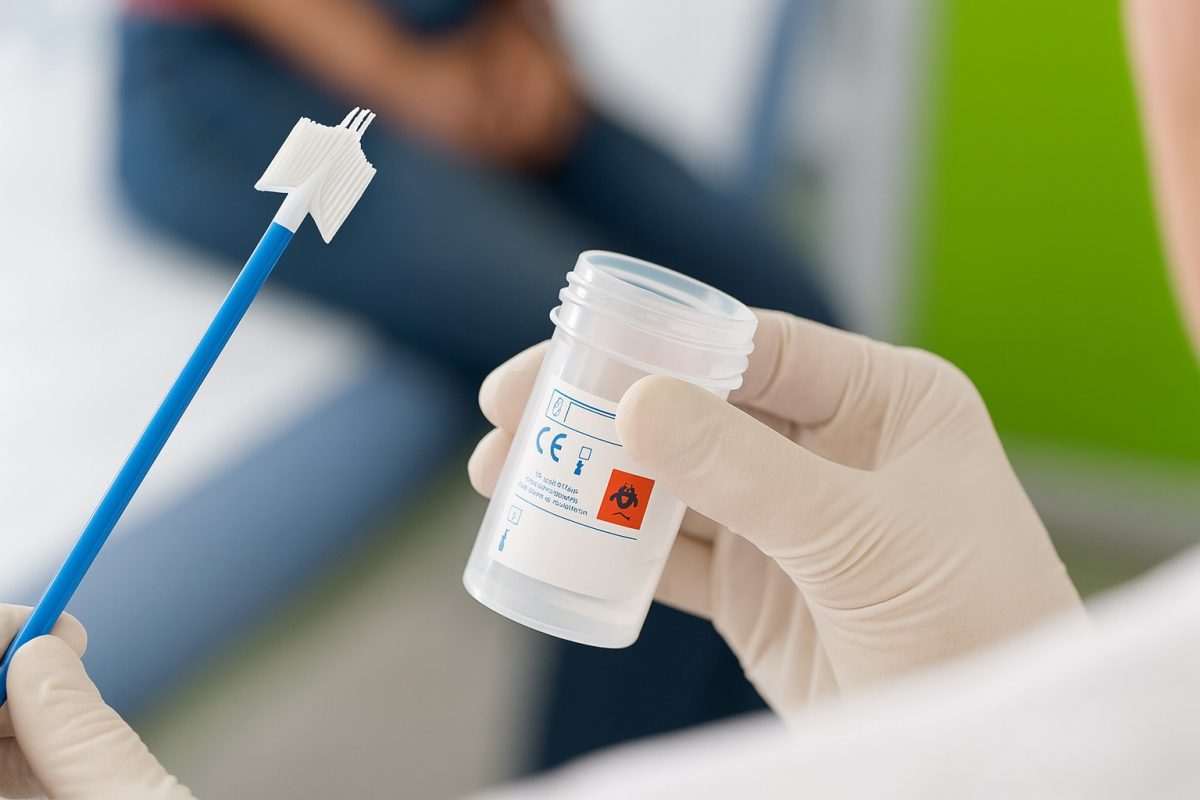
Diagnosis of genital warts usually starts with a physical exam, where a doctor checks for growths that resemble warts. Because HPV warts can look different from person to person, professional evaluation helps distinguish them from skin tags or other skin conditions. Additional tests may be used to confirm the diagnosis or check for related HPV concerns.
Visual Examination
A doctor closely examines the bumps to determine whether they match the typical appearance of genital warts. This may include assessing their colour, texture, and pattern of growth. Since genital warts can be small or flat, a proper lighting and magnification tool may be used to improve accuracy.
Acetic Acid Test
A mild acetic acid solution may be applied to the affected skin. Suspicious areas may turn white after application, making hidden or subtle warts easier to identify. This test is not used for diagnosis alone but can help guide further examination in uncertain cases.
Pap Smear or HPV Test
Women may undergo a Pap smear or HPV test to detect abnormal cervical cells linked to high-risk forms of HPV. These tests help identify early changes that could indicate a higher chance of cervical cancer. While Pap smears do not detect genital warts themselves, they are important for understanding whether high-risk HPV strains are also present.
Biopsy
In rare cases, a small tissue sample may be taken from a suspicious growth if it looks unusual, is resistant to treatment, or does not resemble typical genital warts. A biopsy helps rule out conditions such as precancerous lesions, skin cancer, or infections that mimic warts.
Treatment Options for Genital Warts
There is no cure for HPV itself, but treatments can effectively remove visible warts, reduce symptoms, and help prevent the spread of the virus. In many cases, the immune system eventually suppresses or clears HPV over time, but treatment is still important for comfort, confidence, and reducing transmission.
Topical Medications
Prescription creams or solutions can be applied directly to the warts to gradually remove them. Common options include imiquimod, which boosts the body’s immune response, and podophyllotoxin, which destroys wart tissue. These treatments are most suitable for smaller, external warts and may require several weeks of consistent application.
Cryotherapy
Cryotherapy uses liquid nitrogen to freeze and destroy wart tissue. It is one of the most common treatment methods and is especially effective for small clusters or newly formed warts. Several sessions may be needed depending on the number and size of warts.
Electrocautery
Electrocautery removes warts by burning them off with an electric current. This method is useful for larger or persistent warts that do not respond to topical treatments. Healing usually occurs within a few days to weeks.
Laser Therapy
Laser treatment targets wart tissue with concentrated light energy, making it ideal for internal, widespread, or hard-to-reach warts. It is often recommended when other treatments have failed or when precision is required.
Surgical Removal
For extensive, resistant, or unusually shaped warts, minor surgical excision may be recommended. This method removes warts immediately and is performed under local anaesthesia for comfort.
Multiple treatment sessions may be necessary depending on the size, number, and location of the warts. A doctor will recommend the most suitable option based on your symptoms, overall health, and wart severity.
Preventing Genital Warts
Prevention is essential because HPV spreads easily. Taking consistent precautions can greatly reduce your risk and protect both you and your partners. The most effective methods include:
- Using condoms during sexual activity
- Getting the HPV vaccine (Gardasil 9)
- Reducing the number of sexual partners
- Avoiding sexual activity during wart outbreaks
- Ensuring sex toys are cleaned properly
The HPV vaccine protects against both low-risk wart-causing strains and high-risk cancer-causing strains. It is recommended for adolescents and adults up to age 45.
When to See a Doctor
Seek medical advice if you notice new growths around the genitals or anus, experience itching, irritation, or discomfort, or observe warts that multiply or enlarge. Bleeding during sex or concerns about possible HPV exposure are also important reasons to see a doctor. Prompt evaluation ensures diagnosis and helps prevent further spread of the infection.
Early Treatment Matters for Long-Term Health
Genital warts are common, treatable, and manageable with proper medical care. While the virus can be emotionally stressful, effective treatments can remove warts and reduce outbreaks. Early diagnosis, safe sexual practices, and the HPV vaccine play important roles in preventing infection and long-term complications.
If you notice growths or want confidential STI screening, Dr Chong Clinic offers expert diagnosis, customised treatment options, and discreet, professional care. Take control of your sexual health today. Contact Dr Chong Clinic today for a private consultation.
Frequently Asked Questions (FAQs)
1. Are genital warts the same as HPV?
Genital warts are caused by certain low-risk strains of HPV, mainly types 6 and 11. Not all HPV infections cause warts, and some high-risk strains are linked to cancers, which is why regular HPV screening remains important.
2. Can genital warts go away on their own?
Yes. In some cases, the immune system clears HPV naturally, and the warts disappear without treatment. However, they can persist or return, and treatment helps remove warts faster and reduce the chance of spreading the infection.
3. Are genital warts contagious even if they are small?
Yes. Genital warts are contagious at any size and can spread through direct skin-to-skin contact, even when they are barely visible. HPV can also spread when no warts are present.
4. Can I get genital warts again after treatment?
Yes. Treatments remove visible warts, but they do not eliminate HPV from the body. Warts can reappear until the immune system controls the virus. Practising safe sex and getting vaccinated can help reduce recurrence.
*All images used in this article are AI-generated.


