Blog
Vitiligo: Causes, Symptoms, and Best Treatment Options in Malaysia

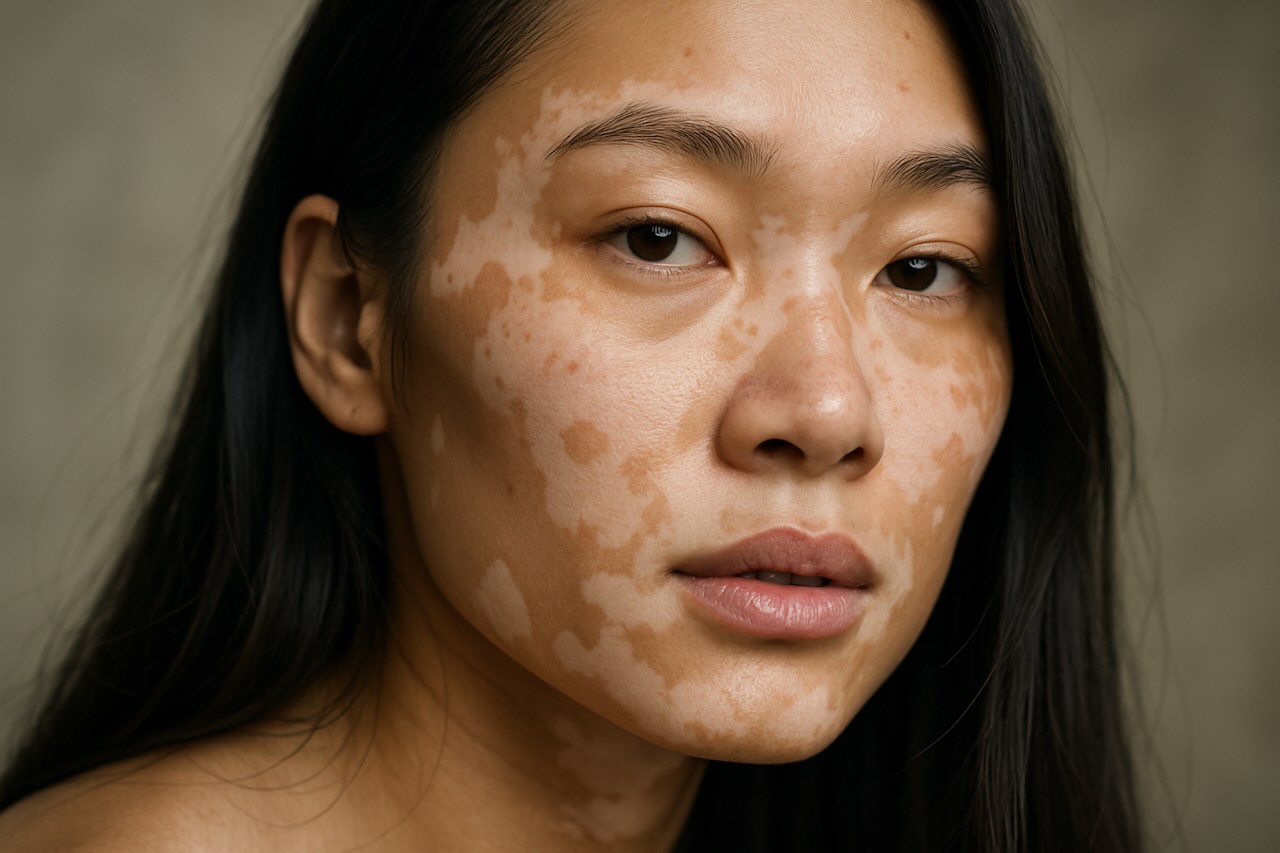
Vitiligo is a long-term skin condition that causes patches of skin to lose their natural colour, resulting in uneven pigmentation and white spots. While it is not life-threatening or contagious, vitiligo can significantly affect a person’s confidence and quality of life, especially when it appears on visible areas such as the face, hands, or neck.
The condition affects people of all skin tones but is often more noticeable in individuals with darker skin. Although there is currently no known cure, several advanced treatments can help restore pigmentation and even out skin tone. This guide explores what causes vitiligo, how to recognise it, and the most effective ways to manage and treat it in Malaysia.
What Is Vitiligo?
Vitiligo occurs when melanocytes, the cells responsible for producing melanin (the pigment that gives skin, hair, and eyes their colour), are destroyed or stop functioning. As a result, patches of skin become lighter or completely white.
It can appear anywhere on the body, including the face, hands, feet, scalp, genitals, and even inside the mouth. In some cases, hair growing from affected areas may also turn white. Vitiligo often develops gradually, and the patches may spread over time, although the rate of progression varies widely from person to person.
Common Signs and Symptoms
Vitiligo usually develops gradually, and its appearance can vary widely between individuals. It often starts as small, pale patches that slowly expand and become more noticeable, especially in areas frequently exposed to the sun. Because it’s typically painless, many people don’t realise they have it until the patches become more prominent.
Common signs and symptoms include:
- White or light-coloured patches on the skin, often starting in small areas before spreading
- Premature greying or whitening of hair, including eyelashes, eyebrows, or beard
- Loss of pigment inside the mouth or nose, appearing as pale patches on mucous membranes
- Changes in eye colour (rare), if melanocytes in the iris are affected
Although these patches aren’t itchy or painful, they can deeply impact self-esteem and confidence, particularly when visible on the face or hands. Early diagnosis and treatment can help slow progression, restore pigment, and reduce the emotional effects of the condition.
Types of Vitiligo
Vitiligo is generally classified into two main types based on the distribution of depigmented patches, which can influence how the condition progresses and how it is treated. Understanding the type of vitiligo you have is important, as it helps dermatologists design a more targeted and effective treatment plan.
Non-Segmental Vitiligo (Generalised Vitiligo)
This is the most common form and typically appears symmetrically on both sides of the body. Patches may develop and spread over time, often affecting areas like the hands, knees, elbows, and face. It is more closely linked to autoimmune activity and may continue to progress gradually throughout a person’s life.
Segmental Vitiligo
This type appears on only one side or part of the body and tends to develop earlier in life. It usually progresses for a year or two before stabilising and is less likely to spread compared to non-segmental vitiligo. Because of its localised nature, segmental vitiligo often responds better to targeted treatments.
What Causes Vitiligo?
The exact cause of vitiligo is still not fully understood, but research suggests a combination of factors may contribute to the loss of melanocytes. These factors often work together, disrupting normal pigment production and leading to the characteristic white patches on the skin.
1. Autoimmune Response
The most widely accepted theory is that vitiligo is an autoimmune condition. The immune system mistakenly attacks and destroys melanocytes, leading to depigmentation. This is often associated with other autoimmune conditions, indicating a systemic immune imbalance.
2. Genetic Factors
Vitiligo can run in families, suggesting a genetic predisposition. Individuals with a family history of autoimmune diseases, such as thyroid disorders, may have a higher risk. Specific gene variations related to immune regulation have also been linked to the condition.
3. Environmental Triggers
Certain factors like sunburn, exposure to industrial chemicals, or even physical trauma to the skin can trigger vitiligo or worsen existing patches. These external triggers may accelerate the loss of pigment in those already genetically predisposed.
4. Oxidative Stress
An imbalance of free radicals and antioxidants in the body may contribute to melanocyte damage and the development of vitiligo. Managing oxidative stress through a healthy lifestyle and diet may help reduce flare-ups.
5. Emotional Stress and Hormonal Changes
While not a direct cause, stress and significant hormonal changes can exacerbate vitiligo in some individuals. This is particularly noticeable during periods of major life changes, illness, or hormonal fluctuations such as puberty or pregnancy.
Professional Treatments for Vitiligo in Malaysia
While vitiligo cannot always be completely cured, many effective treatments can help restore pigment, blend white patches with surrounding skin, and improve skin appearance. The choice of treatment depends on the extent, location, and severity of the condition.
1. Topical Medications
Prescription creams containing corticosteroids or calcineurin inhibitors (such as tacrolimus) can help stimulate pigment production and slow down the spread of depigmented patches. These treatments are most effective in the early stages of vitiligo or for smaller areas.
2. Light Therapy (Phototherapy)
Phototherapy is a highly effective treatment for vitiligo that involves exposing the skin to controlled ultraviolet (UV) light. The most common type is narrowband UVB therapy, which encourages melanocytes to regenerate and repopulate affected areas. It is often combined with topical treatments for better results.
3. Excimer Laser Treatment
Excimer laser therapy delivers targeted UVB light to specific patches of vitiligo without affecting surrounding skin. It is particularly useful for treating smaller areas on the face, neck, and hands and typically requires multiple sessions for noticeable improvement.
4. Micropigmentation (Medical Tattooing)
In cases where repigmentation is difficult, micropigmentation (a specialised form of tattooing) can be used to implant pigment into depigmented skin, helping it blend more naturally with surrounding areas.
5. Skin Grafting
For stable vitiligo that has not progressed for at least six months, skin grafting may be an option. This procedure involves transplanting small sections of pigmented skin to affected areas to restore colour. It is usually recommended for localised patches.
6. Laser Skin Resurfacing
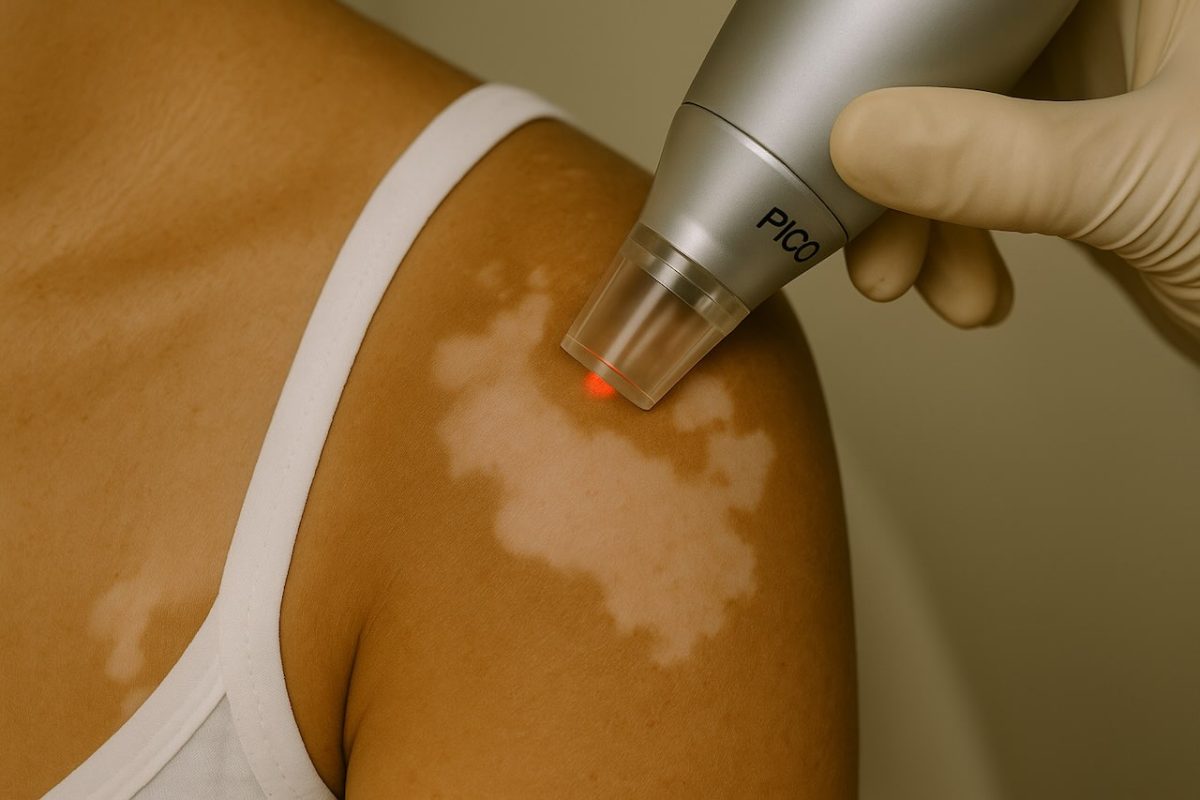
Advanced laser treatments, such as Pico Laser or Fractional CO2 Laser, can help improve skin tone uniformity and stimulate melanocyte activity, encouraging pigment production in affected areas.
These treatments also boost collagen and skin renewal, which can enhance overall skin health and resilience. They are often combined with other therapies, such as topical medications or phototherapy, to maximise results, accelerate repigmentation, and improve the appearance and texture of the skin over time.
Home Care and Lifestyle Tips
While professional treatment is often necessary for managing vitiligo, incorporating the right daily habits can significantly support your skin’s health and enhance the effectiveness of treatments. A consistent skincare routine, combined with healthy lifestyle choices, can help minimise flare-ups, protect depigmented areas, and even slow the progression.
- Use sunscreen daily to protect depigmented skin from sunburn and further damage
- Moisturise regularly to strengthen the skin barrier and reduce irritation
- Manage stress through relaxation techniques, as stress can worsen autoimmune conditions
- Avoid harsh skin products that can irritate or damage sensitive skin
- Eat a balanced diet rich in antioxidants to support skin repair and immune health
Ultimately, while home care alone cannot reverse vitiligo, it plays a crucial role in maintaining healthy skin and complementing medical treatments. When combined with professional therapies, these lifestyle practices can help you achieve better results and manage vitiligo more confidently in the long term.
When to See a Dermatologist
You should consult a dermatologist if you notice white patches spreading, changing shape, or appearing in new areas. Early intervention can improve treatment outcomes and help prevent further pigment loss. A dermatologist can also rule out other conditions that may mimic vitiligo and recommend the most suitable treatment plan for your skin type and needs.

Regain Confidence With the Right Treatment
Vitiligo may not pose a physical health risk, but its emotional impact can be significant. The good news is that with today’s advanced treatments, from topical therapies and light therapy to laser treatments and skin grafting, it is possible to restore pigmentation, improve skin appearance, and regain confidence.
If you are dealing with vitiligo, consulting a qualified dermatologist is the first step toward clearer, more even-toned skin. A personalised treatment plan tailored to your condition can make a lasting difference in both appearance and self-esteem.
Dr. Chong Clinic, one of Malaysia’s leading aesthetic and dermatology centres, known for its LCP-certified specialists, cutting-edge laser technology, and customised treatment plans. With a patient-first approach and advanced solutions designed to deliver visible, long-lasting results, Dr. Chong Clinic can help you restore balance to your skin.
Book a consultation today and take the first step toward treating vitiligo, restoring your skin’s natural tone, and regaining your confidence.
Frequently Asked Questions (FAQs)
1. Is vitiligo contagious?
No, vitiligo is not contagious and cannot be passed from one person to another.
2. Can vitiligo go away on its own?
In rare cases, small patches may repigment spontaneously, but most require treatment to improve appearance.
3. Is laser treatment safe for vitiligo?
Yes, advanced lasers like excimer or Pico Laser are safe and effective when performed by trained professionals.
4. Can vitiligo be prevented?
There’s no proven way to prevent vitiligo, but daily sun protection, avoiding skin injuries, and managing stress can help slow its progression.
*All images used in this article are AI-generated.