Blog
Why Is My Hair Falling Out After COVID?

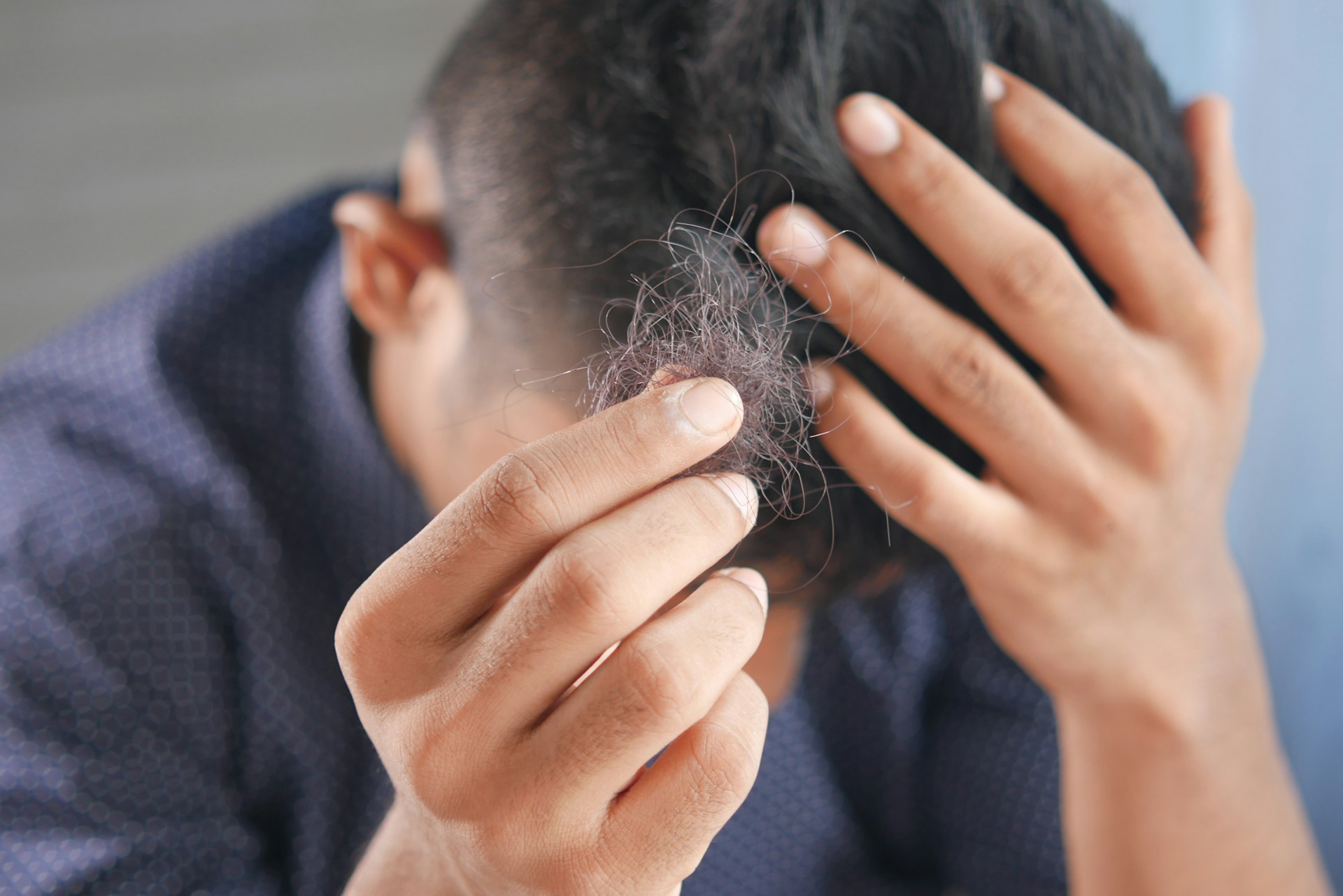
Experiencing hair loss after recovering from COVID-19 is a concern that has affected many individuals. Understanding the reasons behind this phenomenon and exploring potential solutions can help ease anxiety and guide effective management.
Understanding Post-COVID Hair Loss
A common cause of hair loss following COVID-19 is telogen effluvium (TE), a temporary condition where hair follicles prematurely enter the resting (telogen) phase. Normally, about 10% of the hair on your scalp is in the telogen phase at any given time. However, significant stress — physical or emotional — can push hair into this phase, leading to noticeable shedding.
Several factors contribute to telogen effluvium after COVID-19:
- Physical Stress: The body’s intense inflammatory response to viral infections, including fever and systemic inflammation, can disrupt the normal hair cycle.
- Emotional Stress: The psychological toll of illness, isolation, and recovery can place additional strain on the body, further contributing to hair loss.
- Nutritional Deficiencies: Decreased appetite during illness may lead to insufficient intake of nutrients essential for healthy hair, such as iron, zinc, and vitamin D.
- Medications: Certain medications prescribed during COVID-19 recovery, such as antivirals or corticosteroids, may also trigger hair loss as a side effect.
This phenomenon is not limited to severe cases. Even individuals with mild COVID-19 symptoms have reported experiencing post-recovery hair shedding.
Why COVID-19 Triggers Hair Loss More Severely
COVID-19 is unique because it triggers a “cytokine storm” — a massive inflammatory response that can affect multiple body systems. This intense inflammation is believed to have a more profound impact on hair follicles compared to other viral illnesses. Additionally, prolonged quarantine, fear, and post-viral fatigue can extend the duration and severity of telogen effluvium in COVID-19 patients compared to standard stress-induced TE.
Research published in Clinical and Experimental Dermatology shows a notable spike in TE cases during the pandemic, confirming that hair loss is a recognized post-COVID symptom.
Prevalence of Hair Loss After COVID-19
Reports estimate that approximately 20%–25% of individuals recovering from COVID-19 experience some form of hair shedding. While not everyone will experience it, the prevalence is high enough to be considered a common post-viral symptom. Both men and women across a range of ages have been affected.
The good news is that this type of hair loss is usually temporary and reversible.
Duration and Recovery
Most cases of post-COVID telogen effluvium begin about two to three months after recovering from the infection. Shedding can persist for up to six months before gradually resolving.
- Mild cases: Hair regrowth may start within 3–4 months.
- Moderate to severe cases: Full recovery might take up to 9 months or more, depending on individual health factors.
In most instances, full regrowth occurs without the need for medical intervention. However, underlying issues such as anemia, thyroid problems, or severe malnutrition can prolong recovery and require medical treatment.
Managing and Treating Post-COVID Hair Loss
Although post-COVID hair loss tends to resolve naturally, several steps can support healthy regrowth:
- Maintain a Balanced Diet: Ensure a diet rich in iron, zinc, vitamin D, biotin, and proteins. Foods such as leafy greens, eggs, salmon, nuts, and legumes promote hair health.
- Consider Supplements: In cases of documented deficiencies, your healthcare provider may recommend supplements like biotin, iron, or vitamin D.
- Practice Stress Management: Techniques such as meditation, yoga, or even simple breathing exercises can lower cortisol levels, reducing stress-related shedding.
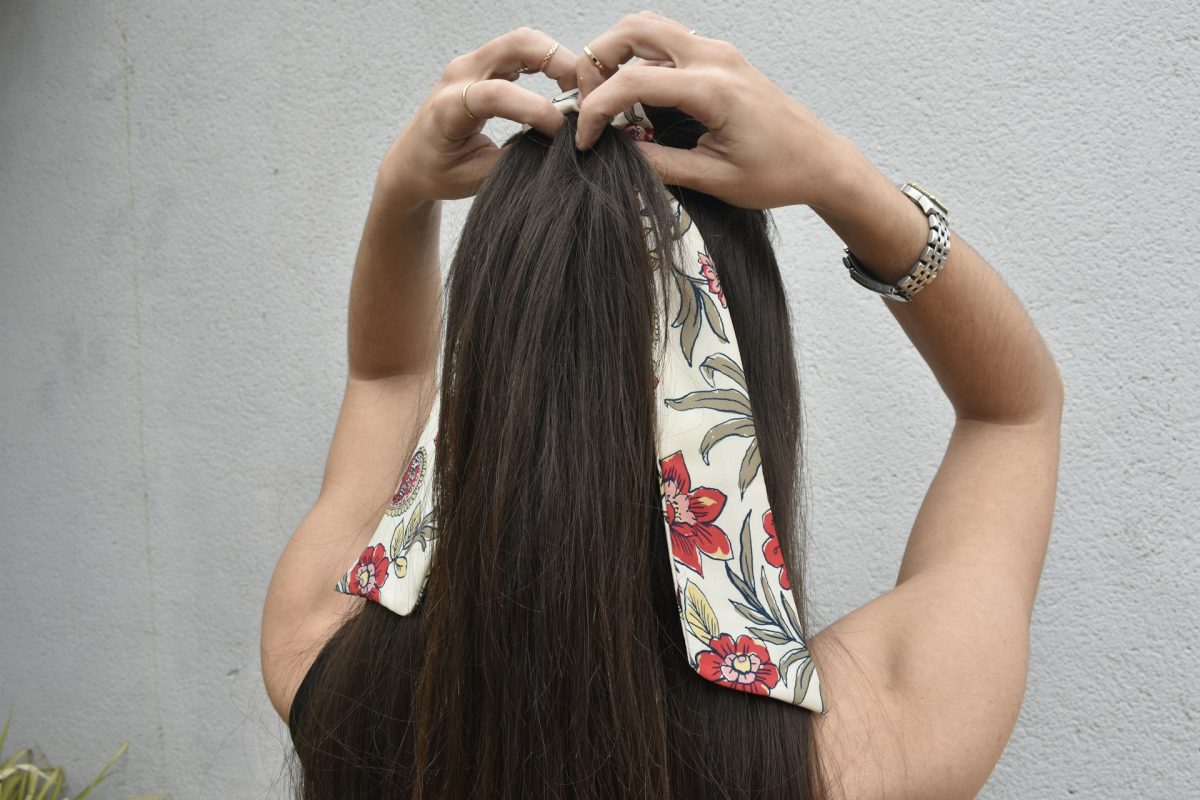
- Gentle Hair Care: Use mild shampoos and conditioners. Avoid tight hairstyles, harsh chemical treatments, or excessive heat styling tools.
- Topical Treatments: Minoxidil (available over the counter) can stimulate hair growth when used consistently.
- Low-Level Laser Therapy: Some dermatologists offer non-invasive laser treatments to stimulate scalp blood flow and encourage hair regrowth.
It’s important to be patient — hair regrowth is a slow process. Avoid overloading your scalp with too many products at once, as this can cause irritation.
Choosing the Right Post-COVID Hair Loss Treatment Plan
Selecting the right treatment for post-COVID hair loss depends on several factors, including the severity of shedding, overall health, and stress levels. A consultation at Dr. Chong Clinic ensures that a personalized treatment plan is developed, taking into account your specific condition and hair restoration needs.
When to Seek Professional Help
Consult a healthcare professional if:
- Hair shedding persists for more than six months.
- You observe bald patches or uneven hair thinning.
- Your scalp becomes painful, itchy, red, or swollen.
- You have other symptoms suggestive of systemic conditions (e.g., unexplained weight changes, fatigue).
Doctors may recommend tests like complete blood count (CBC), thyroid function tests, or iron studies to rule out underlying issues.
A dermatologist might also suggest a scalp biopsy if needed to distinguish telogen effluvium from other hair loss types, such as alopecia areata.
Overcoming Post-COVID Hair Loss
Hair loss after COVID-19 is mainly caused by telogen effluvium, a temporary shedding triggered by the physical and emotional stress of the illness. Fortunately, in most cases, hair regrows naturally within several months. Maintaining a healthy lifestyle, managing stress, and practicing good scalp care can support recovery. For persistent or concerning hair loss, consulting a healthcare provider can help identify underlying causes and offer targeted treatment options.
For expert hair loss treatments in Malaysia, visit Dr. Chong Clinic, a trusted aesthetic clinic in Malaysia. Book a consultation today to start your journey toward healthier, fuller hair.
Frequently Asked Questions (FAQ)
1. Can COVID-19 cause permanent hair loss?
No, hair loss associated with COVID-19 is typically temporary. Most individuals experience full regrowth within six to nine months with proper care.
2. How soon after COVID-19 does hair loss occur?
Hair shedding usually starts two to three months after recovering from the infection and can last for several months.
3. Are there specific treatments for post-COVID hair loss?
While most cases resolve naturally, treatments like topical minoxidil, nutritional supplementation, and low-level laser therapy can support faster regrowth.
4. Does COVID-19 vaccination cause hair loss?
Current research shows no significant link between COVID-19 vaccination and hair loss. Hair shedding is more commonly associated with the infection itself rather than the vaccine.
5. How can I differentiate between normal hair shedding and telogen effluvium?
Normal shedding involves about 50–100 hairs per day. Telogen effluvium results in more noticeable, diffuse hair loss often triggered by stress, illness, or major life events.