

Acne-Prone Skin: Causes, Treatments, and Prevention


Acne vulgaris is a chronic inflammatory condition affecting the pilosebaceous units. It typically emerges during puberty due to hormonal changes but can persist into adulthood, with approximately 80 to 90% of young people affected to some degree. Acne is also increasingly common in Malaysia, where climate and lifestyle factors can influence its development.
This article explores the key causes of acne, common aggravating factors, prevention strategies, treatment options, and guidance on when to seek specialist referral to help individuals better manage acne-prone skin in Malaysia.
What is Acne-Prone Skin?
Acne-prone skin is characterised by frequent breakouts, clogged pores, blackheads, and inflammation. It often appears oily, but can also be dry or sensitive. Managing acne-prone skin requires gentle, non-comedogenic products and a consistent skincare routine to minimise irritation, control excess oil, and prevent future blemishes for clearer, healthier skin.
Key Factors Contributing to Acne Development
The development of acne is multifactorial, involving a complex interplay of several key elements. These include:
- Seborrhoea: This occurs when sebaceous glands produce too much sebum, often triggered by hormones, medication, climate, or genetics.
- Hyperkeratosis: This is the thickening of the skin’s outer layer, where dead skin cells combine with excess sebum to block hair follicles, leading to whiteheads or blackheads.
- Microbial Colonisation: The bacteria Cutibacterium acnes can multiply in clogged pores, causing papules, pustules, nodules, or cysts.
- Inflammation: Clogged follicles and bacterial overgrowth trigger inflammation, which can worsen if the follicle wall ruptures, spreading infection and deepening skin damage.
Aggravating Factors and Lifestyle Considerations
While not direct causes of acne, several factors can aggravate its symptoms:
- Hormones: Increased androgens during puberty or hormonal conditions like PCOS in adults can stimulate excess sebum production and trigger acne.
- Genetics: A family history of acne increases the likelihood of developing the condition, including persistent adult acne.
- Medication: Some medications, such as steroids and lithium, can worsen or trigger acne in certain individuals.
- Diet: High intake of sugar, refined carbs, dairy (except cheese), sweetened drinks, and unhealthy fats may aggravate acne, while low consumption of fruits, vegetables, and fresh fish may contribute to it.
- Stress: Psychological stress is a recognised factor that can trigger or worsen acne, particularly in adult women.
- Hygiene Practices: Over-cleansing, using pore-clogging skincare or makeup, and smoking can irritate the skin and make acne worse, though poor hygiene is not a direct cause.
Acne Prevention Tips and Skincare Routine

Treating acne involves a combination of general skincare practices, topical treatments, and potentially physical treatments, many of which are offered at aesthetic clinics.
Cleanse Gently
Wash your face twice a day and after sweating, using lukewarm water and an appropriate cleanser. Avoid harsh scrubs, as acne is not a “dirt problem,” and aggressive scrubbing can lead to irritation and redness.
Avoid Picking
Resist the urge to pick or pop pimples, as this can worsen them, transfer bacteria, and lead to scarring. If extraction is necessary, it should be performed safely by a qualified dermatologist.
Use Non-Comedogenic Products
Opt for skincare and makeup products labelled “non-comedogenic,” “oil-free,” or “non-acnegenic,” meaning they will not clog pores. Always check the full ingredient list and avoid potential irritants like alcohol or fragrance.
Maintain the Cleanliness of Items in Contact with Skin
Regularly wash bedding (especially pillowcases), makeup brushes, and phone screens to prevent the transfer of debris that can clog pores.
Hair Care
Review your hair care routine, as products containing oils can cause breakouts on the forehead and neck. Try to keep hair off your face, particularly at night.
Hydration and Diet Claims
While keeping skin hydrated may help combat excess oil, direct research backing is limited. Be wary of online claims regarding diet and supplements that promise to eliminate acne without professional medical advice.
Professional Acne Treatment Options
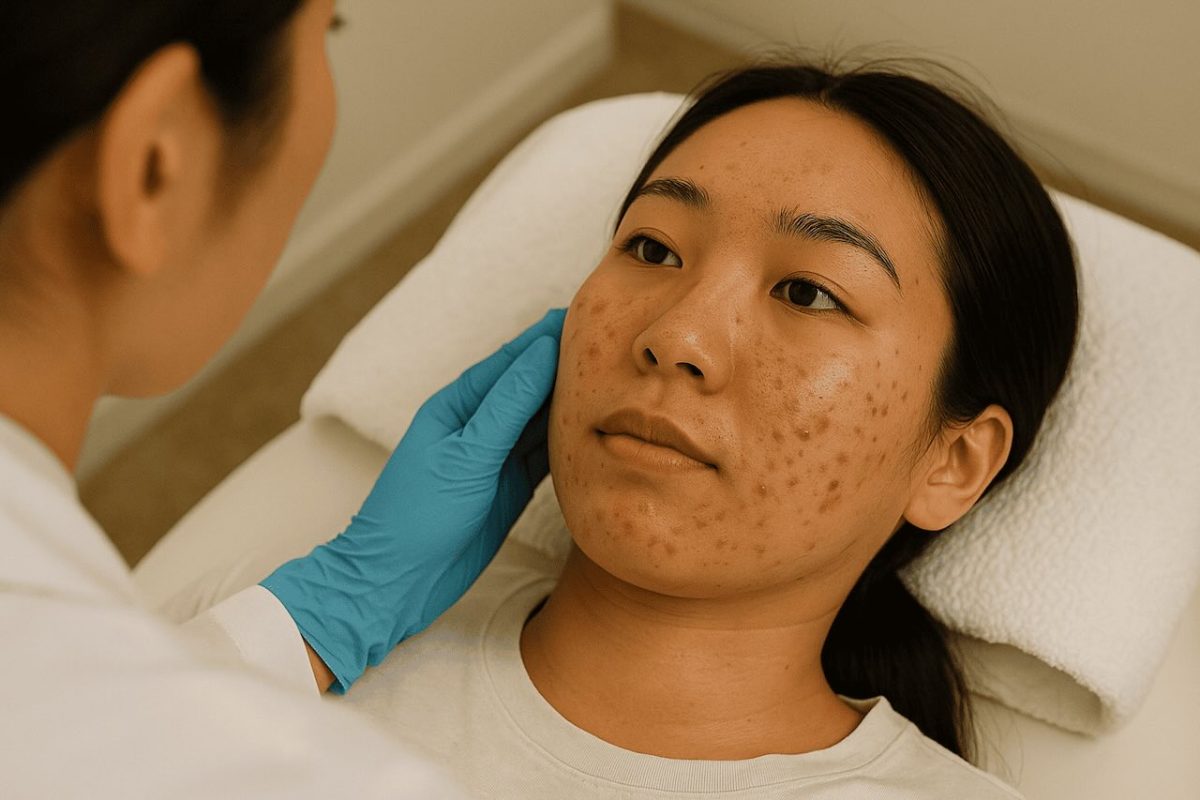
Aesthetic clinics often recommend topical treatments as standalone solutions for mild acne or as part of a broader medical plan:
- Salicylic Acid: A beta-hydroxy acid that exfoliates, unclogs pores, and reduces inflammation—ideal for blackheads and whiteheads.
- Benzoyl Peroxide: An antibacterial and anti-inflammatory agent that helps kill acne-causing bacteria and prevent clogged pores.
- Retinoids: Vitamin A derivatives (e.g., tretinoin, adapalene) that normalise skin cell turnover and reduce inflammation. Typically used at night due to sun sensitivity.
- Azelaic Acid: A gentle yet effective option with antimicrobial and skin-brightening properties, particularly useful for post-inflammatory hiperpigmentasi.
- Cosmeceuticals: These include cleansers, moisturisers, sunscreens, and products containing active ingredients like niacinamide, tea tree oil, antioxidants, and exfoliants. While evidence varies, they can support acne care, especially by reducing irritation from stronger treatments. Daily sunscreen remains essential to protect against UV-triggered flare-ups.
In-Clinic Physical Treatments for Acne
Professional treatments at aesthetic or dermatology clinics can enhance results, especially for moderate to stubborn acne:
- Chemical Peels: Medical-grade acids (e.g., salicylic, glycolic) exfoliate the skin, help clear breakouts, and improve texture—often used alongside topical or oral treatments.
- Energy-Based Devices (EBDs): Light therapies (such as photodynamic therapy, IPL, blue/red light) and laser treatments (e.g., Nd:YAG, pulsed dye laser) can reduce inflammation, bacteria, and sometimes pigmentation, though results may vary.
- Intralesional Corticosteroid Injections: Directly injected into cystic or nodular acne, these quickly reduce inflammation and discomfort.
- Comedone Extraction: Performed by trained professionals, this can help remove stubborn blackheads and whiteheads safely, though it’s usually part of a broader treatment plan.
Learn more: Acne treatments in Malaysia
When to Seek Specialist Referral
While aesthetic clinics can manage many cases of acne, certain situations require referral to a dermatologist or other specialists. Urgent referral is necessary for severe cases such as acne fulminans or when patients show signs of suicidal thoughts, requiring immediate psychiatric support.
Early referral is recommended for moderate to severe acne, particularly nodulocystic acne, or when significant psychological distress, such as body dysmorphic disorder, is present. On the other hand, non-urgent referrals may be appropriate for diagnostic uncertainty, failure of oral antibiotics, or treatment intolerance.
Learn more: Chemical peels in Malaysia
Personalised Acne Solutions by Expert Dermatologists
For safe, personalised acne solutions, book a consultation with Klinik Dr Chong, a trusted aesthetic clinic in Malaysia known for evidence-based treatments and professional care.
- Over 20 branches nationwide for convenient access
- Team of experienced, LCP-certified aesthetic doctors
- Advanced medical technologies tailored to your skin needs
Take the first step towards clearer, healthier skin with Klinik Dr Chong today.
Soalan Lazim
1. Can adults develop acne later in life?
Yes, adults can develop acne later in life, particularly women, due to hormonal fluctuations or conditions such as polycystic ovary syndrome (PCOS). Adult acne can be further aggravated by stress, lifestyle factors, or cosmetic products that clog pores.
2. What is the best acne treatment in Malaysia?
The most effective acne treatment in Malaysia depends on the type and severity of the acne. Consulting with an experienced aesthetic doctor ensures that the treatment plan is personalised to your specific skin needs.
3. Is acne linked to diet or stress?
Yes, both diet and stress are associated with the development and severity of acne. High-sugar diets and chronic stress can worsen breakouts in some individuals can influence hormone levels and inflammation, which are key factors in acne development.
4. Can aesthetic treatments help with acne scars?
Yes, aesthetic treatments such as laser therapy and jarum mikro can significantly improve the appearance of acne scars by stimulating collagen production and promoting skin regeneration.
*Semua imej yang digunakan dalam artikel ini adalah dijana AI.


