

Tanda Lahir: Punca, Jenis, dan Rawatan Berkesan di Malaysia

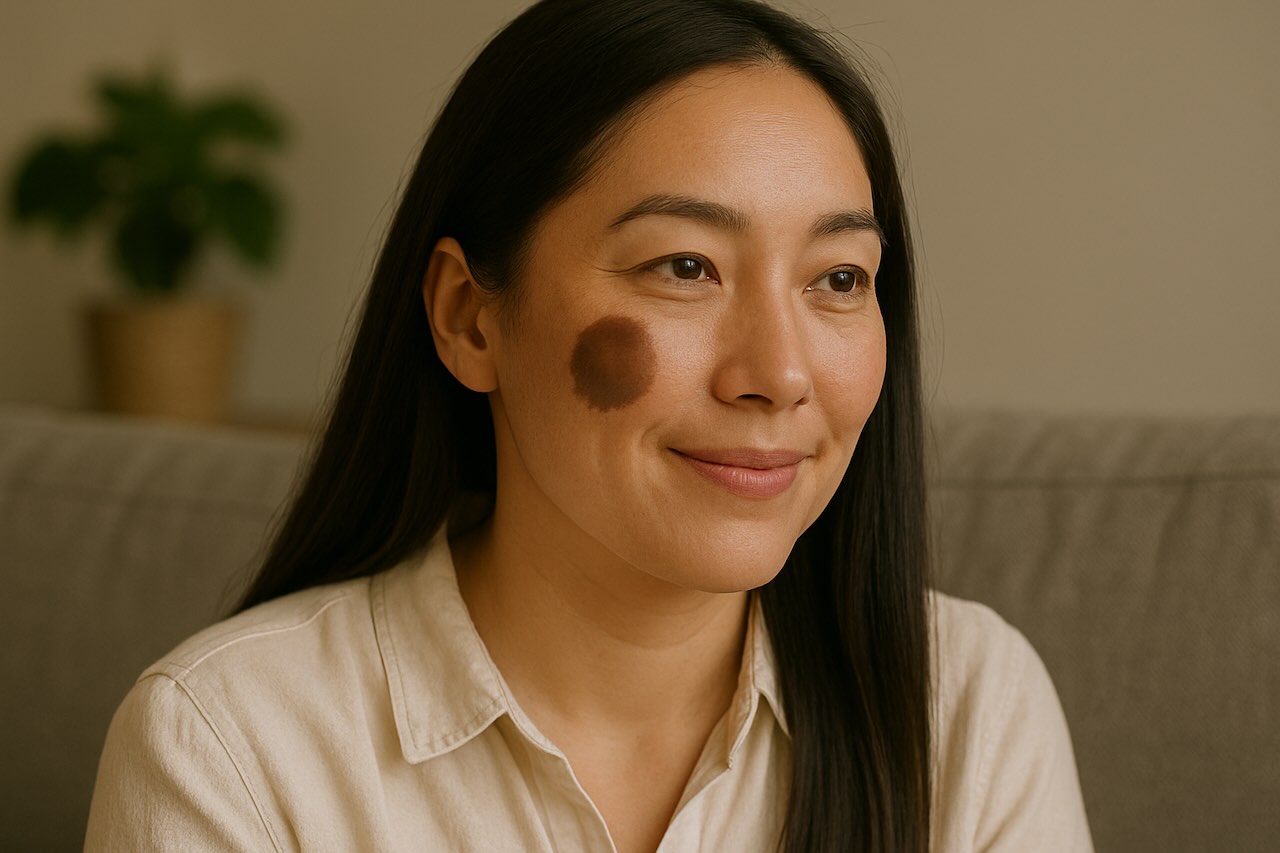
Birthmarks are common skin features that appear at birth or develop within the first few weeks of life. While many are harmless and fade over time, others may become more noticeable, darker, or raised with age. Whether you see them as part of your identity or want to reduce or remove them, understanding birthmarks is the first step toward managing them.
It’s also important to note that birthmark removal is different from procedures like mole removal. While moles are usually small, raised spots that can appear later in life and may require removal for cosmetic or medical reasons, birthmarks are present from infancy and typically require specialised treatments to reduce their appearance.
In this guide, we’ll explore what causes birthmarks, the different types that exist, and the best treatment options available in Malaysia to safely and effectively improve their appearance.
What Are Birthmarks?
Birthmarks are dark coloured spots or patches on the skin that appear at or shortly after birth. They vary widely in size, shape, and colour, ranging from light brown to dark red. Most are harmless and do not cause health problems, but some may indicate underlying vascular or pigment-related conditions, especially if they grow or change over time.
Birthmarks can occur anywhere on the body, including the face, neck, arms, legs, and torso. While they often fade naturally, some persist into adulthood and can affect self-confidence, especially when located on visible areas like the face.
What Causes Birthmarks?
The exact cause of birthmarks isn’t fully understood, but most are linked to two main factors: abnormal blood vessel growth or pigment cell clusters. They typically form before birth or in the early weeks of life and are not caused by anything a parent did during pregnancy. Some key causes include:
1. Abnormal Blood Vessel Growth
Vascular birthmarks form when blood vessels develop abnormally beneath the skin, creating patches of red, pink, or purple. These marks often appear at birth and can darken, grow, or change in texture over time. Common examples include port-wine stains and hemangiomas.
2. Pigment Cell Overproduction
Pigmented birthmarks occur when melanocytes, the cells responsible for skin colour, cluster in one area. This results in brown, black, or bluish patches that may resemble large freckles or moles. Café-au-lait spots and Mongolian spots fall under this category.
3. Genetic and Hereditary Factors
While most birthmarks are random, some may run in families, suggesting a genetic link. Certain syndromes and hereditary conditions can also increase the likelihood of developing vascular or pigmented birthmarks.
4. Hormonal or Environmental Triggers
In rare instances, hormonal changes during pregnancy or environmental influences in the womb may contribute to the development of birthmarks. However, these causes are less common and not fully understood.
Although birthmarks are usually harmless, knowing their causes can help guide decisions about monitoring or treatment. Effective options can safely reduce or remove them, resulting in clearer, more even-toned skin.
Types of Birthmarks
Birthmarks fall into two main categories: vascular and pigmented, and understanding the difference is essential for choosing the most suitable treatment. Vascular birthmarks are related to blood vessel development beneath the skin, while pigmented ones are caused by clusters of pigment-producing cells.
Vascular Birthmarks
These form from abnormal blood vessel growth beneath the skin, appearing as visible patches or raised areas that vary in size and colour. While often harmless and fading with time, some may darken, enlarge, or affect deeper tissues if untreated. Common types include:
- Port-Wine Stains: Flat, reddish-purple patches that often appear on the face or neck. They may darken with age and, in some cases, thicken or become raised.
- Hemangiomas: Raised red or purple growths that typically appear shortly after birth. They often grow quickly during the first year but may shrink and fade naturally over time.
- Salmon Patches (Stork Bites or Angel Kisses): Light pink or red marks that usually fade within a few years. These are most common on the eyelids, forehead, or back of the neck.
Pigmented Birthmarks
These develop when melanocytes (pigment-producing cells) cluster or produce excess melanin in one area of the skin. They are usually brown, black, or bluish in colour and can appear anywhere on the body. Most are harmless, but some may change over time or require monitoring if they become irregular. Common types include:
- Café-au-Lait Spots: Light brown patches that often appear in multiples. While harmless, having many may signal a genetic condition such as neurofibromatosis.
- Congenital Nevi (Moles): Brown or black moles present at birth. Most are benign, but larger or irregular ones should be checked regularly for changes in size, shape, or colour.
- Mongolian Spots: Bluish-grey patches usually found on the lower back or buttocks, most common in individuals with darker skin. They typically fade during early childhood.
Home Care and Management Tips
While birthmarks cannot be prevented, there are simple steps you can take to manage and protect your skin. Always use sunscreen to prevent pigmented birthmarks from darkening, and regularly monitor any changes in size, colour, or texture.
Avoid picking, scratching, or using harsh skincare products on the area, as this can cause irritation or make the mark more noticeable. However, if you’re seeking cosmetic improvement or complete removal, professional treatments remain the most effective solution.
Professional Birthmark Removal Treatments in Malaysia
With advancements in dermatology, many birthmarks can now be treated safely and effectively with non-invasive or minimally invasive procedures. These treatments not only reduce the appearance of birthmarks but also improve overall skin tone, texture, and confidence.
Laser Therapy: The Gold Standard for Birthmark Removal
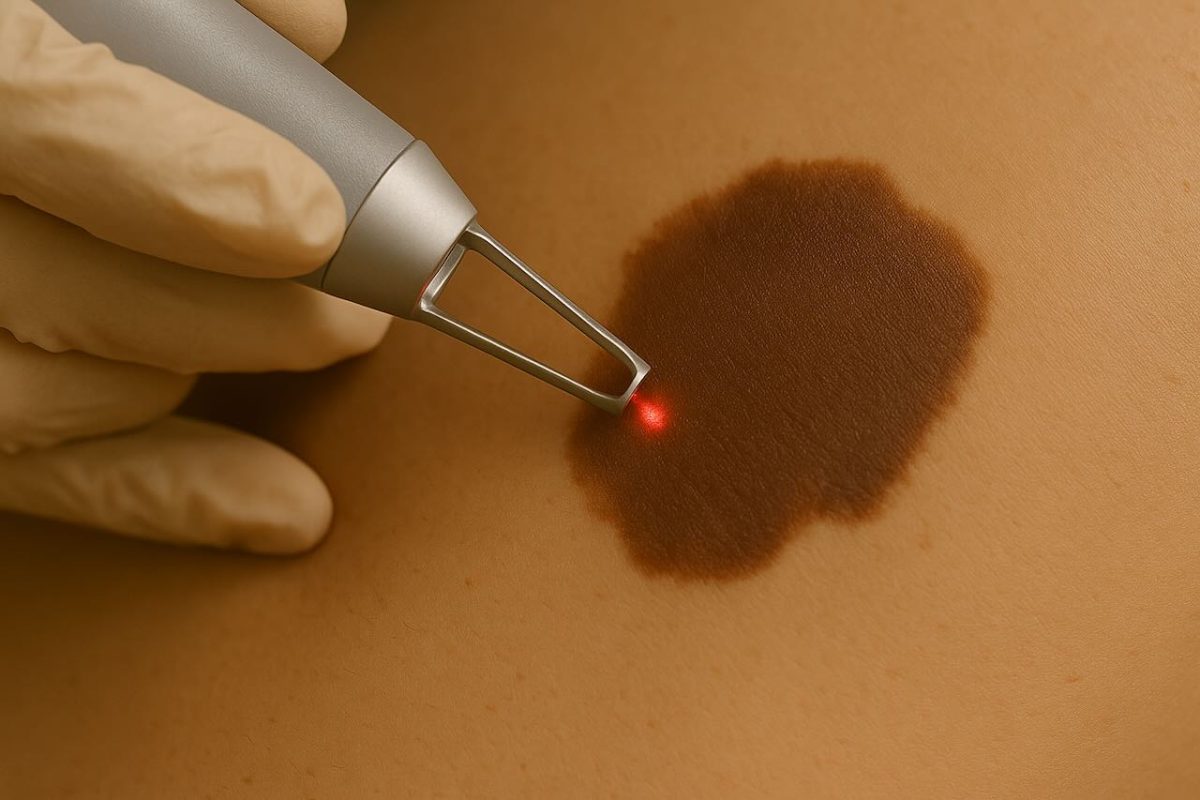
Laser therapy is one of the most effective and widely used methods for treating both vascular and pigmented birthmarks. It works by delivering concentrated light energy to break down blood vessels or pigment clusters beneath the skin without damaging the surrounding tissue. Over time, the treated area fades, resulting in a clearer and more even complexion.
Popular options include Laser Pico, Q-switched laser, and dual yellow laser, each offering specific benefits depending on the type of birthmark. Pico Laser is especially effective for pigmented marks like café-au-lait spots or congenital nevi, while dual yellow laser is excellent for vascular lesions such as port-wine stains and hemangiomas.
Laser therapy is best suited for port-wine stains, hemangiomas, café-au-lait spots, and congenital nevi. Most patients see gradual fading after a few sessions, with minimal discomfort and little to no downtime.
Chemical Peels: Gentle Resurfacing for Lighter Marks
Kulit kimia are an effective solution for lighter pigmented birthmarks and superficial discoloration. This treatment involves applying a chemical solution to exfoliate the top layers of skin, encouraging new, healthier cells to form and gradually reducing pigmentation.
Chemical peels are best for small café-au-lait spots or mild pigment patches and can significantly improve tekstur kulit and tone. Results are usually noticeable after several sessions, and downtime is minimal.
Surgical Removal: A Permanent Option for Raised Birthmarks
For larger, raised, or potentially cancerous birthmarks, surgical removal may be recommended. This procedure involves excising the birthmark under local anaesthesia, typically as an outpatient treatment. It is a quick and permanent solution, especially for congenital nevi or moles that pose a medical risk or significantly affect appearance.
Recovery is usually fast, and with proper aftercare, scarring is minimal. This option is also recommended when a dermatologist suspects the birthmark may require further medical examination.
Professional birthmark removal treatments in Malaysia offer safe, effective, and lasting results with minimal downtime. Consulting an experienced dermatologist is the best way to determine which treatment is right for your skin type and condition.
When to See a Dermatologist
Most birthmarks are harmless and do not require treatment. However, some may need medical attention, particularly if they show signs of change or cause discomfort. You should consult a dermatologist if:
- The birthmark grows rapidly, changes shape, or darkens over time.
- It bleeds, itches, or becomes painful, indicating possible irritation or complications.
- It is linked to other symptoms such as swelling, neurological changes, or discomfort.
- It affects your confidence or quality of life, and you’re considering removal for cosmetic reasons.
In rare cases, large or unusual birthmarks may be associated with underlying conditions that require further evaluation. A dermatologist can accurately identify the type of birthmark and recommend the most effective treatment plan based on your skin type, goals, and overall health.
Restore Confidence With Professional Care
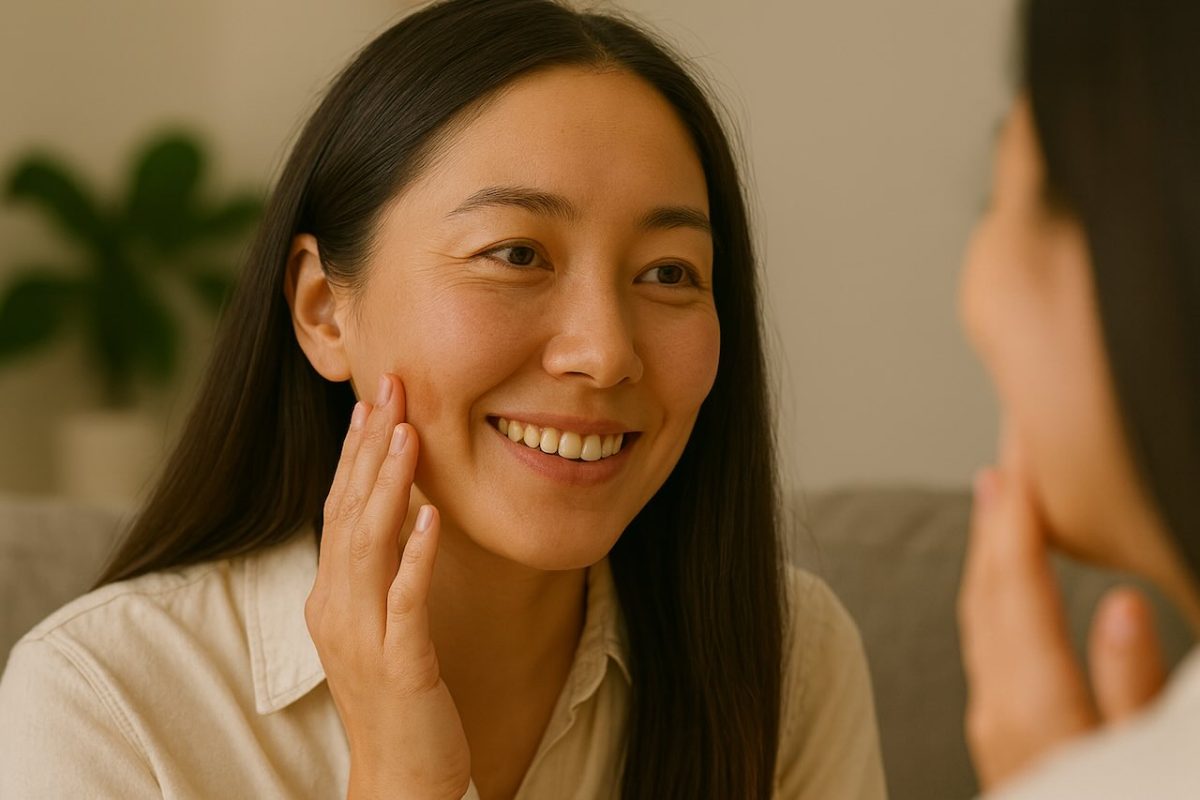
Birthmarks are a natural part of many people’s skin, but if yours affects your confidence or causes discomfort, you don’t have to live with it forever. With today’s advanced dermatological solutions, reducing or removing birthmarks has never been safer or more effective.
Klinik Dr Chong, one of Malaysia’s leading aesthetic and dermatology centres with multiple branches nationwide, specialises in treating all types of birthmarks. With LCP-certified doctors, state-of-the-art laser technology, and customised treatment plans, they help patients achieve smoother, clearer, and more even-toned skin.
Book your consultation with Dr. Chong Clinic today and take the first step toward restoring your confidence and achieving flawless, healthy skin.
Soalan Lazim (Soalan Lazim)
1. Can birthmarks go away on their own?
Some, like hemangiomas or salmon patches, fade with age. Others, especially pigmented or vascular types, usually remain and may need treatment.
2. Does removal hurt?
Most treatments cause mild discomfort, similar to a snapping sensation. Numbing cream is usually applied for comfort.
3. Can birthmarks return after treatment?
Usually not, though some vascular marks may reappear and require maintenance sessions.
4. Is removal safe for darker skin tones?
Yes. Technologies like Pico Laser and dual yellow laser are suitable for darker skin with minimal risk of pigmentation issues.
*Semua imej yang digunakan dalam artikel ini adalah dijana AI.


