

Blackheads vs Whiteheads: Key Differences and How to Treat Them

Acne is one of the most common skin concerns, and it can show up in different ways. Among the various types, blackheads and whiteheads are especially frequent, affecting people of all ages and skin types. Although they are often grouped together, there are important differences between them that influence how they should be managed.
Knowing how blackheads and whiteheads differ can help you make better choices about skincare and when to consider professional treatments. With the right approach, it is possible to keep pores clear, reduce breakouts, and achieve healthier-looking skin.
Blackheads vs Whiteheads
Blackheads and whiteheads are both forms of comedonal acne, caused when pores become clogged with oil, dead skin cells, and debris. The main difference lies in whether the pore remains open or closed. Blackheads are open comedones that darken due to oxidation, while whiteheads are closed comedones that stay pale because they are sealed under the skin.
What Are Blackheads?
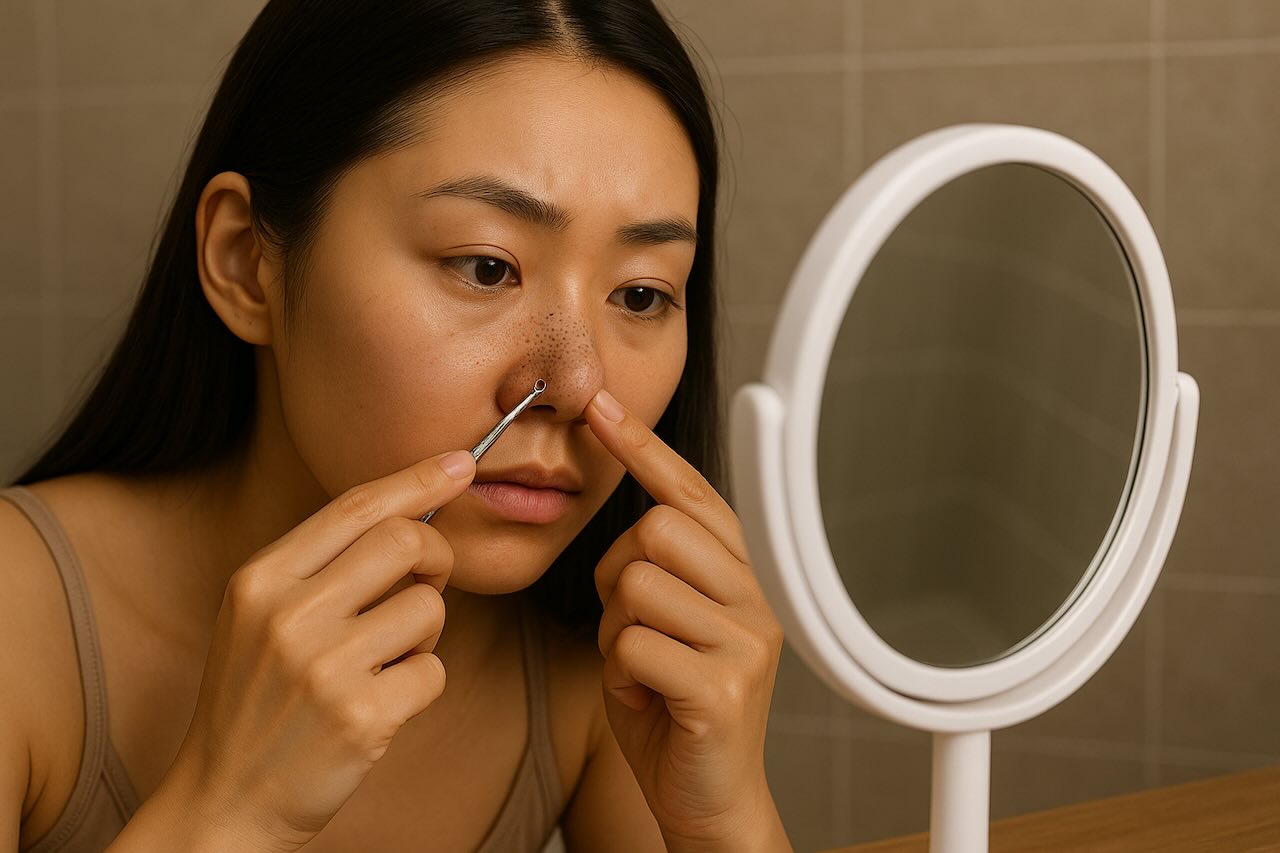
Blackheads are open comedones, meaning the pore is clogged but remains open at the surface. Oil, dead skin cells, and debris collect inside, and when exposed to air, the melanin within the plug oxidises, turning it dark.
- Appearance: Small, dark or black bumps on the skin.
- Cause: A clogged pore that stays open, allowing oxidation.
- Colour: Dark due to oxidation, not dirt.
They are most common on oily areas such as the nose, chin, and forehead. While they are not usually painful, blackheads can make skin appear rough and pores look larger.
What Are Whiteheads?
Whiteheads are closed comedones. Like blackheads, they form when oil and skin cells clog a pore, but the difference is that the pore remains sealed with a thin layer of skin. Because there is no air exposure, the trapped material does not oxidise and stays white or yellowish.
- Appearance: Small, white or flesh-coloured bumps on the skin.
- Cause: A pore completely blocked by oil and skin cells, covered by skin.
- Colour: White or yellow since oxidation does not occur.
Whiteheads are common on the face, chest, and back. They may appear subtle on the surface, but because the pore is fully blocked, they are more likely than blackheads to develop into inflamed pimples if bacteria multiply inside. Over time, frequent whiteheads can also make the skin look uneven or textured, especially if they occur in clusters.
What Causes Blackheads and Whiteheads?
Blackheads and whiteheads form when pores become clogged with oil, dead skin cells, and sometimes bacteria. The exact triggers vary, but several factors can contribute to clogged pores that eventually form blackheads and whiteheads:
- Excess oil production: People with oily skin naturally produce more sebum, making them more prone to comedonal acne.
- Hormonal changes: Fluctuations during puberty, menstruation, or times of stress can stimulate the oil glands and increase breakouts.
- Keratin buildup: When dead skin cells are not shed properly, they mix with oil and block the pores.
- Improper skincare: Using heavy, pore-clogging products or neglecting daily cleansing can worsen congestion.
- Diet and lifestyle: High sugar or dairy intake may increase inflammation and oil production, aggravating acne.
- Genetics: Some people are simply more likely to experience clogged pores because of naturally more active oil glands.
If untreated, clogged pores may progress into more severe forms of acne such as jerawat kistik atau nodular acne, which are more painful, harder to manage, and more likely to cause scars. Early treatment helps reduce these risks and maintain healthier skin.
How to Treat Blackheads and Whiteheads
Treating blackheads and whiteheads requires more than a quick fix. It involves targeting the root causes of clogged pores while preventing new ones from forming. The best approach combines daily skincare, professional treatments, and healthy lifestyle habits.
Rawatan Topikal
For mild cases, topical treatments are usually the first line of defence. These products work by exfoliating dead skin, unclogging pores, and regulating excess oil production. Ingredients like salicylic acid penetrate deep into pores to dissolve oil and debris, while retinoids such as adapalene or tretinoin boost cell turnover.
Benzoyl peroxide helps control acne-causing bacteria, making it useful for whiteheads that are at risk of becoming inflamed, and niacinamide calms the skin by balancing oil, reducing redness, and strengthening the skin barrier. Although these ingredients are effective, they require consistency and patience, with noticeable results after 8 to 12 weeks of regular use.
Professional Treatments
When blackheads and whiteheads are persistent, or when over-the-counter products are not enough, dermatological procedures can deliver more visible results:
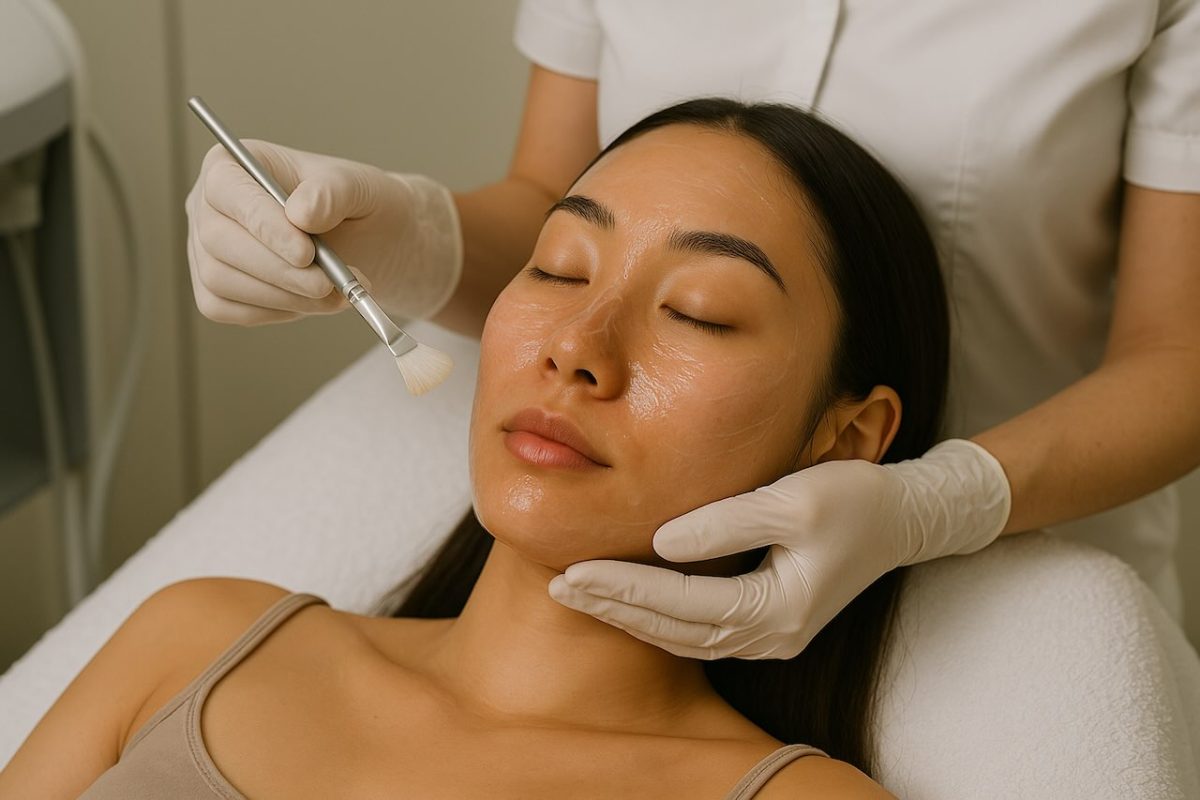
- Chemical Peels: A chemical peel uses acids like glycolic or salicylic acid to exfoliate dead skin, unclog pores, and refine texture. Deeper peels can also help reduce scarring from long-term acne.
- Facials for Acne-Prone Skin: The best facial for acne-prone skin often includes gentle extractions to clear blackheads and whiteheads safely, along with hydrating and calming steps to support skin recovery.
- Microneedling: Microneedling creates tiny punctures in the skin that trigger healing, boost cell turnover, and reduce pore congestion. It also helps minimise enlarged pores over time.
- Laser Treatments: Laser therapies are effective for stubborn blackheads and whiteheads that don’t respond well to skincare alone. Laser Pico is especially popular for refining skin texture and clearing clogged pores while also targeting pigmentation.
- Skin Rejuvenation: Professional skin rejuvenation treatments combine advanced technology to improve skin tone, reduce texture, and maintain long-term results.
These treatments are usually most effective when combined with a consistent at-home skincare routine.
Lifestyle Adjustments
Even with the best skincare and professional treatments, daily habits are key to keeping blackheads and whiteheads in check. Washing your face twice daily with a gentle, non-stripping cleanser helps maintain clean pores, while avoiding picking at comedonal acne prevents deeper infections and scarring.
It is essential to use non-comedogenic moisturisers and daily SPF to protect your skin, especially if you are pursuing treatments for overall glow like the glass skin approach, which focuses on clarity, hydration, and luminosity.
Dietary adjustments such as reducing sugar and dairy may help lower excess oil production, and getting adequate sleep while managing stress supports hormonal balance and further prevents breakouts.
Can Blackheads and Whiteheads Be Prevented?
While blackheads and whiteheads cannot always be avoided completely, they can often be managed and reduced with consistent skincare. Using products with salicylic acid or retinoids helps to keep pores clear, while oil-free, non-comedogenic moisturisers and sunscreens protect the skin without clogging it further.
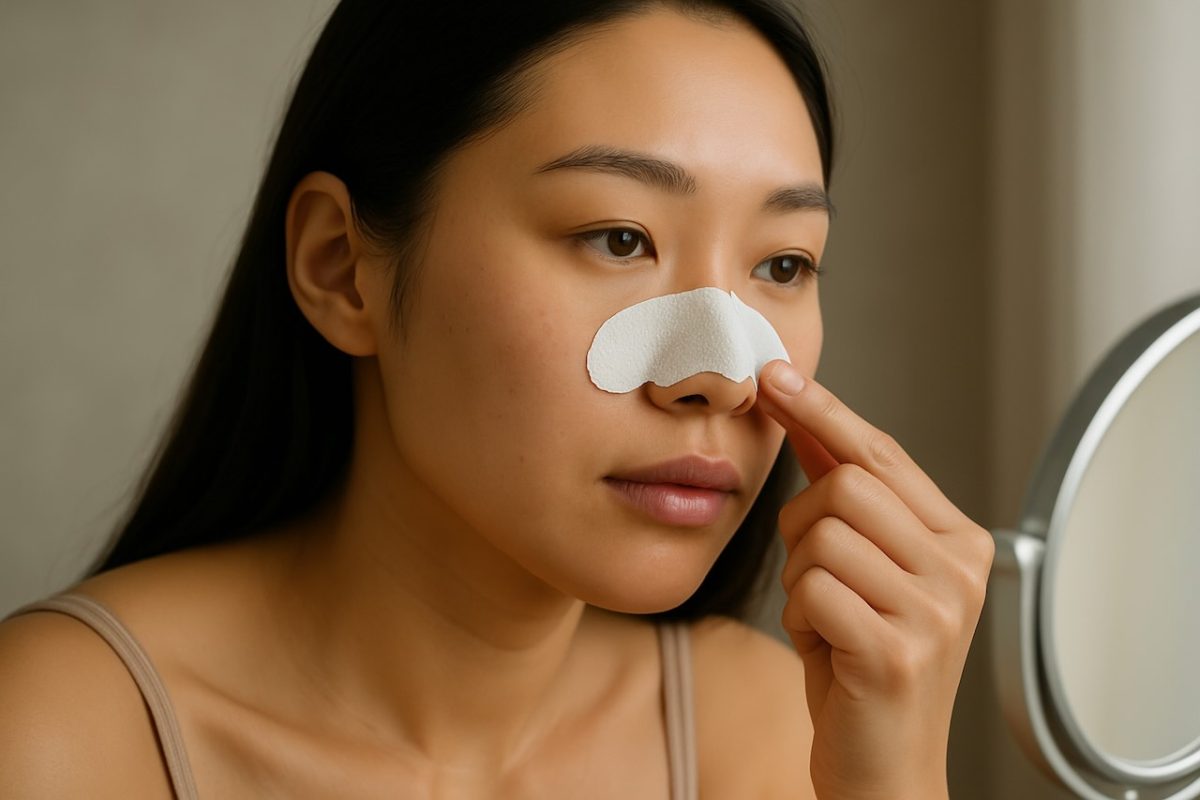
Simple options like nose strips may provide temporary relief for blackheads on the nose, but they should not replace a full skincare routine. Daily use of sunscreen also prevents post-acne pigmentation and supports overall skin health.
Achieve Smooth, Healthy Skin with Expert Care
Blackheads and whiteheads are common concerns, but with the right care, they can be effectively managed. A combination of targeted skincare, professional treatments such as chemical peels, facials, microneedling, and skin rejuvenation, along with consistent lifestyle habits, can keep pores clear and skin looking smoother.
Pada Klinik Dr Chong, LCP-certified dermatologists provide personalised acne solutions that are safe, effective, and tailored to your skin’s needs. Whether you are dealing with frequent breakouts, clogged pores, or lingering acne scars, their team combines advanced technology with proven methods to deliver long-lasting results.
Book your consultation today and take the first step toward clearer, healthier, and more confident skin.
Soalan Lazim (FAQ)
1. Can I squeeze blackheads or whiteheads?
No. Squeezing can push bacteria deeper, cause irritation, and lead to permanent scars.
2. Do blackheads and whiteheads go away on their own?
Mild cases may clear with proper care, but most need consistent skincare or professional treatments to stay under control.
3. What is the best treatment for blackheads and whiteheads?
A combination of topical products, facials, chemical peels, and sometimes laser treatments is usually most effective.
4. Can blackheads and whiteheads cause scars?
Yes. If blackheads and whiteheads are left untreated or picked, they can lead to scarring.
*Semua imej yang digunakan dalam artikel ini adalah dijana AI.


