

Rawatan Burn Mark di Malaysia: Cara Terbaik Memudarkan Parut


Burn marks can be a lasting reminder of accidents, surgeries, or skin injuries, often leaving behind visible scars that affect both appearance and confidence. While minor burns may heal naturally, deeper burns can cause permanent skin changes such as discolouration, uneven texture, and raised or depressed scars.
Fortunately, with advances in dermatology, burn mark treatments can significantly reduce their visibility, improve tekstur kulit, and restore a smoother, more even complexion. Whether your concern is a faint mark or a severe scar, understanding the causes, types, and treatment options is the first step towards achieving clearer skin.
Understanding Burn Marks: Why They Form
When the skin is exposed to extreme heat, chemicals, electricity, or radiation, the top layer (epidermis) and sometimes deeper layers (dermis) are damaged. As the body heals, it produces collagen to repair the area, but this process can result in scar tissue that looks and feels different from normal skin. Common characteristics of burn marks include:
- Discolouration: Dark spots, redness, or hyperpigmentation.
- Texture changes: Thickened, raised, or indented skin.
- Tightness: Scar tissue can restrict movement if located near joints.
- Sensitivity: Burn scars may feel itchy, tender, or numb.
The severity of a burn (first, second, or third degree) plays a major role in the type of scar that forms and how it should be treated. Deeper burns often damage multiple skin layers, leading to more complex scarring that requires advanced medical treatments for proper healing and long-term improvement.
Types of Burn Scars
Not all burn marks are the same, and understanding the type of scar is crucial for choosing the right treatment and improving results. Burn scars can vary widely in appearance, texture, and severity, and each type responds differently to treatment.
1. Hypertrophic Scars
These are raised, thick, and red scars that form when the body produces excess collagen during the healing process. They usually stay within the boundary of the original burn and may flatten and fade gradually over time. However, without targeted treatment, they can remain visible and affect skin texture and appearance.
2. Keloid Scars
Keloids grow beyond the original wound site and continue to develop even after the skin has healed. They are often shiny, firm, and darker in colour, and can cause itching or discomfort. Because they are more aggressive than other types of scars, keloids typically require professional treatments such as laser therapy, corticosteroid injections, or surgical removal.
3. Contracture Scars
These scars occur when deep burns damage both the skin and underlying tissues, causing the skin to tighten as it heals. Contracture scars can restrict movement, especially if they form near joints, and may require advanced treatments such as laser resurfacing, skin grafting, or surgery to restore flexibility and function.
4. Pigmentation Scars
In some cases, the main issue after a burn is skin discolouration rather than texture. Pigmentasi scars appear as dark patches, redness, or uneven tone, even from minor burns. While painless, they can be bothersome, and treatments like chemical peels, laser therapy, or pigmentation creams can help restore a more even complexion.
Identifying the type of burn scar is the first step toward effective treatment. A dermatologist can assess the severity, depth, and characteristics of your scar to recommend the most suitable approach for reducing its appearance and improving overall skin health.
At-Home Care for Mild Burn Marks
For superficial burns, early intervention can make a big difference in how the skin heals. While these remedies will not completely erase scars, they can improve overall healing and prevent further damage:
- Keep the area moisturised: Use fragrance-free creams or aloe vera gel to support healing.
- Protect from the sun: Always apply SPF 30+ sunscreen to prevent hyperpigmentation.
- Avoid picking or scratching: This can worsen scarring and slow down healing.
- Use silicone gel or sheets: These can flatten and soften fresh scars over time.
However, if scars are deep, raised, or cause discomfort, professional burn mark treatments are often necessary to achieve visible improvement. These treatments not only improve appearance but can also restore skin function and boost confidence.
Professional Burn Mark Treatments in Malaysia
Modern dermatology offers a wide range of advanced treatments designed to reduce burn marks, restore skin texture, and boost confidence. The right option depends on the scar’s severity, age, and location.
1. Laser Skin Resurfacing: Target Pigmentation and Texture
Best for discolouration, uneven tone, and mild burn scars, laser treatments such as Pico Laser or Fractional CO2 Laser are among the most effective solutions. They work by delivering concentrated light energy into the skin to break down scar tissue, stimulate collagen production, and promote the growth of new skin for a smoother, even complexion.
How it helps:
- Reduces dark pigmentation and redness
- Smooths rough or raised textures
- Encourages new, healthy skin regeneration
Multiple sessions are usually recommended for best results, and downtime varies depending on the intensity of the treatment. Visible improvement can often be seen after a few sessions, with continued progress as collagen production increases over time.
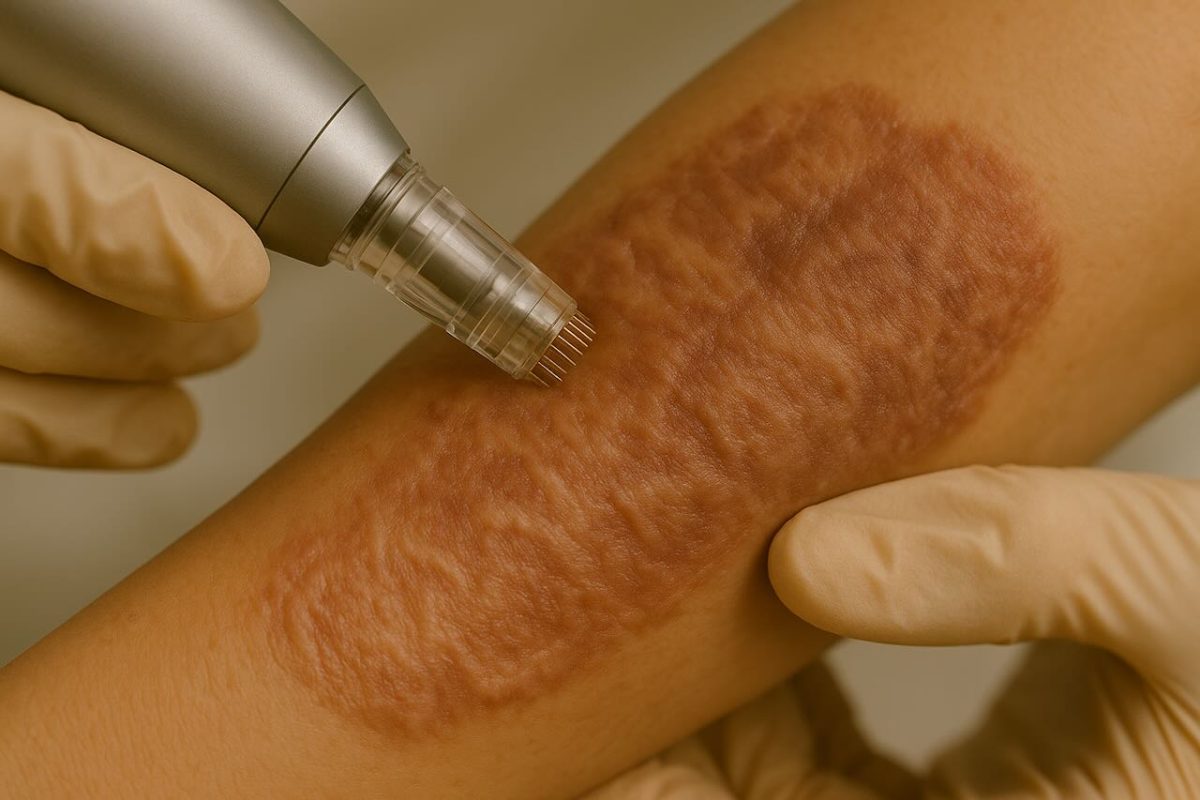
2. Microneedling: Boost Natural Collagen Repair
Best for textured, indented, or hypertrophic scars, jarum mikro uses tiny, controlled micro-injuries to stimulate the skin’s natural healing process. This boosts collagen and elastin production, gradually improving the appearance of burn marks and enhancing skin texture over several sessions.
Benefits include:
- Smoother, more even skin texture
- Improved elasticity and firmness
- Enhanced absorption of topical treatments
Advanced options like Sylfirm X, which combines microneedling with radiofrequency, deliver even more dramatic results for deep or stubborn scars, promoting smoother, healthier skin over time.
3. Chemical Peels: Fade Superficial Burn Marks
Best for mild pigmentation and surface-level scars, chemical peels exfoliate the top layers of the skin to promote new cell turnover and reduce pigmentation caused by burns. They help improve overall skin tone, brightness, and texture, and are often used alongside other treatments for more comprehensive burn mark correction.
Key benefits:
- Lightens dark spots and discolouration
- Improves skin smoothness and clarity
- Enhances the effects of other scar treatments
With regular sessions, chemical peels can significantly reduce the visibility of burn marks, leaving the skin looking more even, refreshed, and rejuvenated over time.
4. Dermal Fillers: Correct Depressed Scars
Best for indented or sunken burn scars, dermal fillers help restore lost volume and create a smoother, more even skin surface. They can significantly improve the appearance of deep scars and are often combined with laser or microneedling treatments for more comprehensive, longer-lasting results.
Benefits:
- Immediate improvement in skin texture
- Natural-looking, even results
- Non-surgical with minimal downtime
Results are typically visible immediately after treatment and can last several months to over a year, depending on the type of filler used and individual skin condition.
5. Surgical Scar Revision: For Severe Burn Damage
Best for deep, contracture, or function-limiting scars, surgical intervention may be necessary when non-invasive treatments are not sufficient. In these cases, procedures such as excision, skin grafting, or Z-plasty can release tight scar tissue, restore mobility, and dramatically improve both function and appearance.
Key Benefits:
- Restores mobility in areas affected by contracture scars
- Significantly improves appearance and skin flexibility
- Can be combined with other treatments for enhanced results
Surgery is typically recommended for severe scars that restrict movement or cause significant cosmetic concern, and it is often followed by complementary treatments like laser therapy or microneedling for optimal results.
Preventing Future Burn Scars
While accidents are sometimes unavoidable, there are steps you can take to reduce the risk of severe scarring. Treat burns promptly and properly to minimise tissue damage and support faster healing. Avoid sun exposure during the recovery phase, as UV rays can darken pigmentation and make scars more noticeable.
Keeping the skin moisturised and protected also helps maintain elasticity and aids the healing process. Most importantly, early intervention often leads to better long-term results, so it’s best to seek professional care as soon as possible rather than waiting for scars to form.
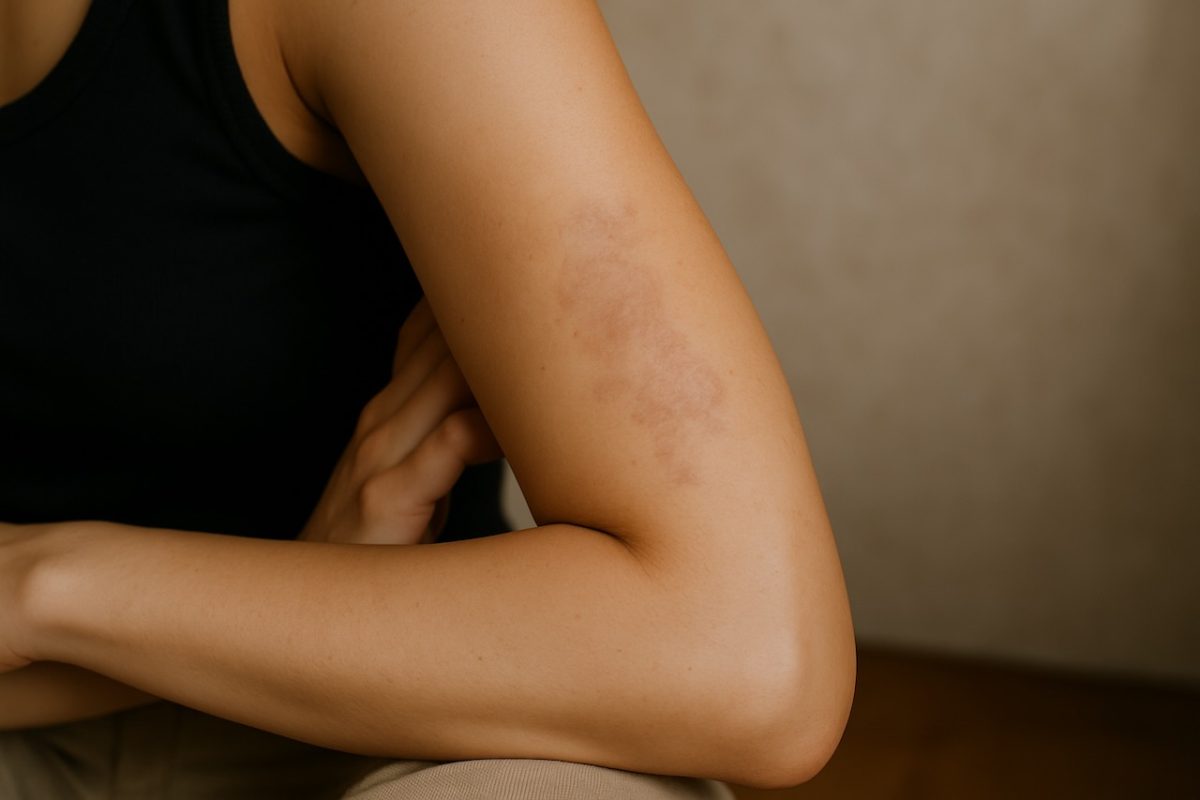
Ready to Restore Clearer, Healthier Skin?
Burn marks can be physically and emotionally challenging, but they do not have to be permanent. With today’s advanced dermatological solutions such as laser resurfacing, microneedling, chemical peels, and scar revision surgery, it is possible to dramatically reduce their appearance and restore smooth, even-toned skin.
If you are unsure which treatment is best for you, consult a qualified dermatologist. With LCP-certified specialists and cutting-edge technology, Klinik Dr Chong offers personalised burn mark treatment plans to help you regain your confidence and achieve healthier, clearer skin.
Hubungi Klinik Dr. Chong hari ini, one of Malaysia’s leading aesthetic and dermatology centres, to start your journey toward smoother, clearer skin and fade stubborn burn marks with expert care.
Soalan Lazim (Soalan Lazim)
1. Can burn marks be removed completely?
Some mild scars may fade entirely with treatment, while deeper ones can be significantly reduced and improved in appearance.
2. How many sessions will I need?
It depends on the severity and depth of the scar. Most patients see results after 3 to 6 sessions.
3. Do treatments hurt?
Most treatments involve minimal discomfort and are well-tolerated. Numbing creams are used to ensure comfort during procedures.
4. How long before I see results?
Results vary, but many treatments show visible improvements within 4 to 8 weeks, with continued progress over time.
*Semua imej yang digunakan dalam artikel ini adalah dijana AI.


