

Cold Sores Around the Mouth: Causes, Symptoms, and Effective Treatments

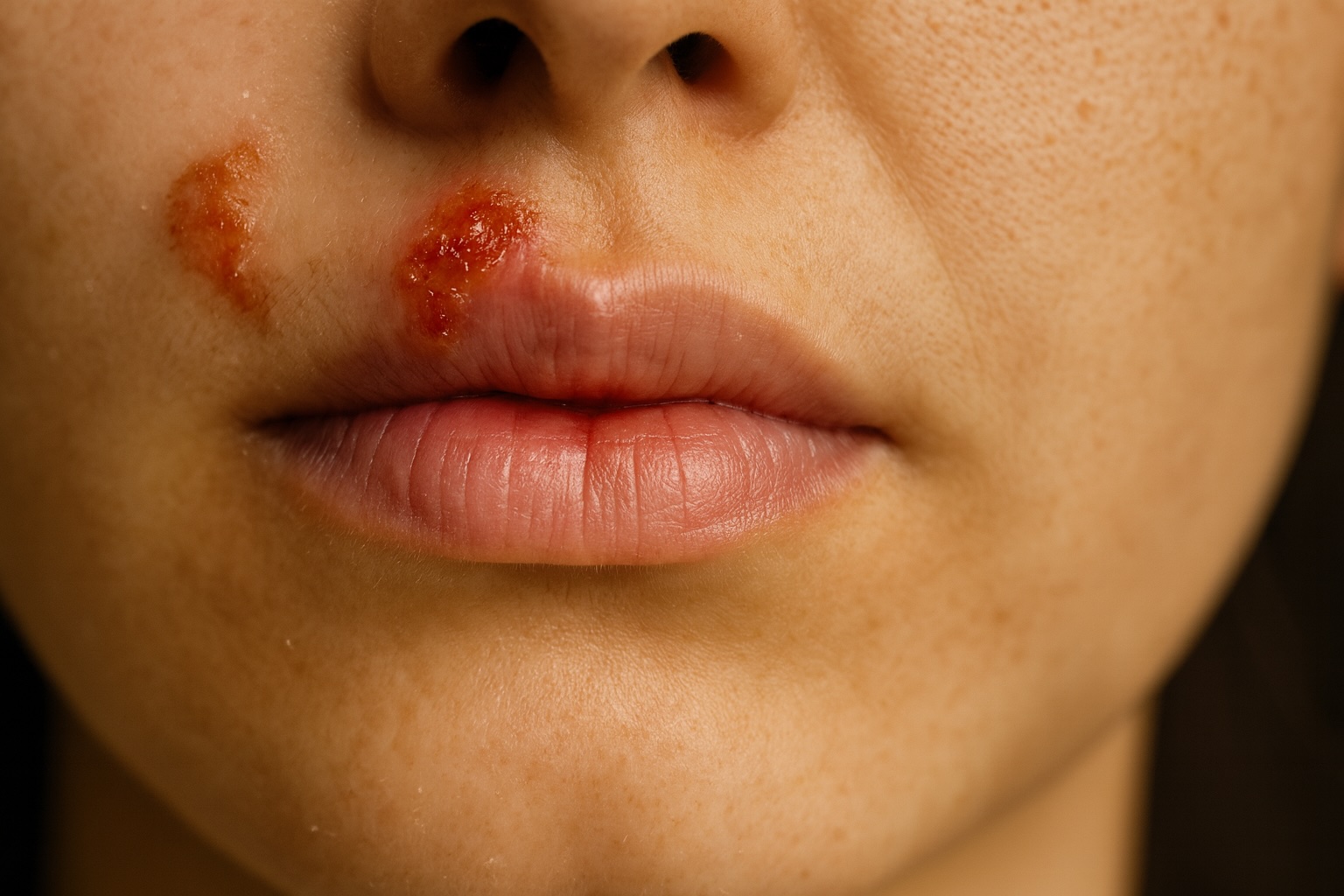
Cold sores around the mouth are a common viral skin concern that can cause pain, discomfort, and recurring flare-ups. These blisters often appear on or around the lips and may interfere with daily activities such as talking, eating, or drinking. Although cold sores are not dangerous, they are highly contagious and tend to recur, making them a frustrating issue for many people.
In Malaysia, flare-ups are commonly triggered by stress, strong sun exposure, fatigue, or a weakened immune system. Understanding what causes cold sores and how to manage them safely can help you reduce the frequency of outbreaks and prevent complications.
What Are Cold Sores?
Cold sores, also known as oral herpes, are caused by the Herpes Simplex Virus Type 1 (HSV-1). Once the virus enters the body, it stays in the nerve cells for life and can reactivate at any time, which is why cold sores often return to the same area of the lips.
Although HSV-1 is not classified as a sexually transmitted infection (STI), it shares similar transmission characteristics and can spread through close contact, such as kissing, sharing utensils, or using the same lip products.
Common Signs and Symptoms
Cold sores usually follow a predictable progression. Symptoms may include early warning signs like tingling or sensitivity before the blisters appear, which helps many people recognise an outbreak before it fully develops.
- Tingling, itching, or burning around the lips
- Redness or swelling in the affected area
- A cluster of small, painful blisters
- Fluid-filled blisters that burst and crust over
- Scabbing as the sore begins to heal
- Mild fever or swollen lymph nodes in some cases
Cold sores typically last between seven and fourteen days. They are most contagious when the blisters are open and moist, but viral shedding can still occur before and after visible symptoms.
What Causes Cold Sores Around the Mouth?
Cold sores originate from HSV-1, but specific triggers can activate the virus and cause flare-ups. Cold sores primarily remain around the mouth, though they share similar viral behaviour.
1. Weakened Immunity
Illness, fatigue, or chronic conditions can weaken your immune system, allowing the virus to reactivate. People with compromised immunity may experience longer or more frequent outbreaks. Supporting overall health often helps reduce the intensity of flare-ups.
2. Stress and Lack of Sleep
Stress increases cortisol levels, which can reduce the body’s ability to control viral activity. Poor sleep has a similar effect and often precedes flare-ups. Managing stress and maintaining good sleep habits can significantly lower the risk of recurrence.
3. Sun Exposure
UV radiation irritates the lips, weakens the barrier, and can trigger cold sores. Sunburn around the mouth is a common activating factor. Using lip balm with SPF can help protect the area and prevent UV-related outbreaks.
4. Hormonal Changes
Some people experience flare-ups during menstruation, pregnancy, or hormonal fluctuations. These shifts can temporarily affect the immune system, making it easier for the dormant virus to reactivate.
5. Lip Injury or Irritation
Dry, cracked lips or habits like picking or biting the lip area can activate the virus. Any irritation or damage to the skin barrier around the mouth creates an ideal environment for a flare-up to begin.
6. Fever or Illness
Colds, flu, or fever weaken the immune system and often lead to traditional “fever blisters.” During illness, the body’s lowered defences make it harder to suppress viral activity, resulting in new outbreaks.
How to Manage Cold Sores at Home
Cold sores heal naturally, but home care can reduce pain and shorten the healing process. Proper early treatment also helps prevent the blisters from worsening and lowers the risk of spreading the virus to others.
- Apply a cold compress to soothe swelling.
- Use antiviral creams such as acyclovir at the first sign of tingling.
- Avoid touching the area to prevent spreading the virus.
- Use hydrating lip balm to prevent cracking and irritation.
- Avoid spicy or acidic foods that can sting the sore.
- Replace lip products and toothbrushes after an outbreak to avoid reinfection.
While these steps can help, they do not stop the virus from reactivating in the future. Cold sores can return whenever the immune system is stressed, which is why consistent prevention and early treatment are important.
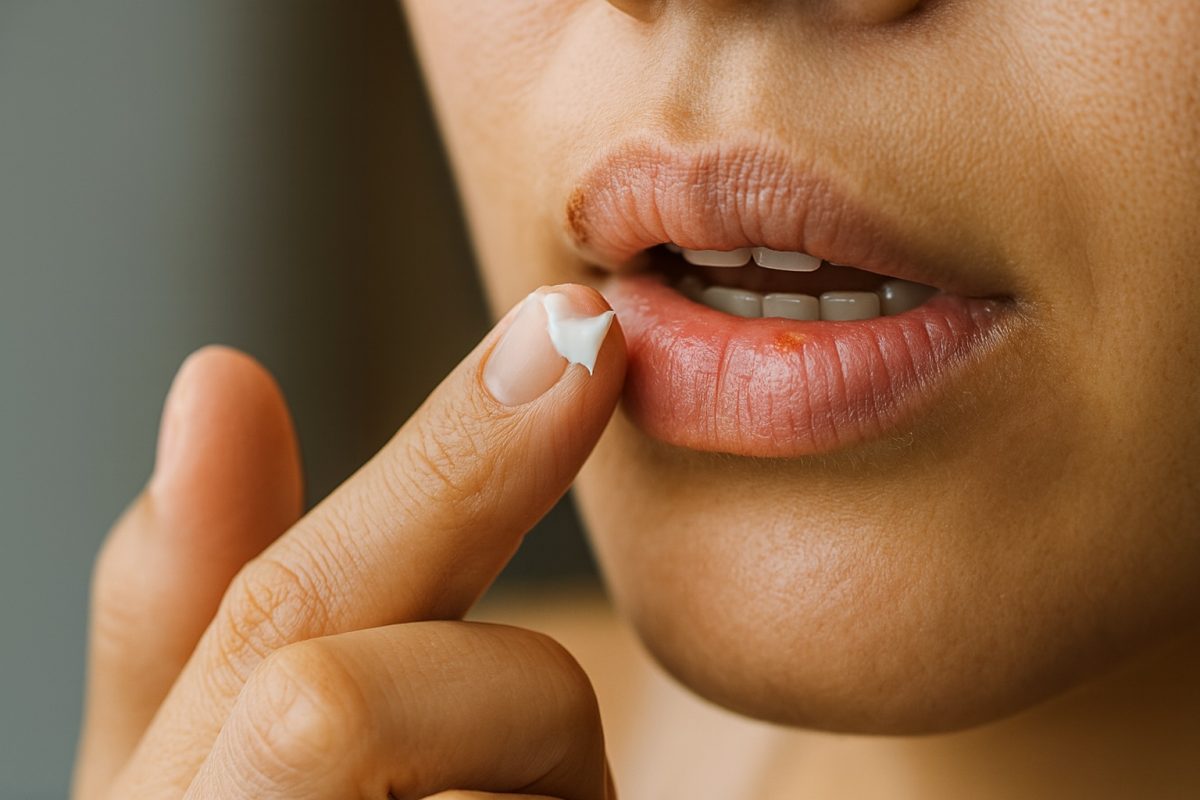
Professional Treatments for Cold Sores
For frequent or severe outbreaks, professional care can provide faster healing and reduce recurrence. These treatments help control symptoms more effectively than home remedies alone.
Ubat Antivirus
Oral antiviral tablets are the most effective treatment for cold sores. They shorten healing time and reduce viral shedding. Dermatologists often prescribe them for patients with frequent or severe flare-ups. Taking the medication at the first sign of tingling offers the best results.
Laser Treatment
Certain laser therapies can help speed healing and reduce pain during outbreaks. They may also reduce the frequency of future flare-ups by targeting viral activity at the affected site. This treatment is especially helpful for patients who experience recurring cold sores in the same area.
Barrier-Support Treatments
Strengthening the skin barrier around the lips can help reduce sensitivity and irritation. Dermatologists may recommend medical-grade lip balms or targeted barrier-repair treatments. Keeping the lips well moisturised also helps prevent cracking that can trigger flare-ups.
Trigger Management
Addressing underlying triggers, such as stress, sun exposure, or skin conditions like eczema around the mouth, can greatly reduce recurring episodes. Identifying your personal triggers allows for more consistent prevention and fewer outbreaks.
How to Prevent Cold Sores
Preventing cold sores is an important part of managing recurring flare-ups. Using a lip balm with SPF helps protect against sun-triggered outbreaks, while avoiding the sharing of food, drinks, or lip products reduces the risk of spreading the virus.
Managing stress, staying hydrated, and keeping the lips moisturised support better immunity and barrier strength. Avoid touching your face unnecessarily, and apply antiviral cream or medication as soon as you feel tingling. These simple habits can greatly reduce the frequency, severity, and contagiousness of cold sores.
When Should You See a Dermatologist?
Seek a dermatologist if your cold sores are painful, persistent, spreading, or occur frequently. You should also get help if you develop a fever or if the sores do not heal within two weeks. A specialist can confirm the diagnosis and provide effective treatment.
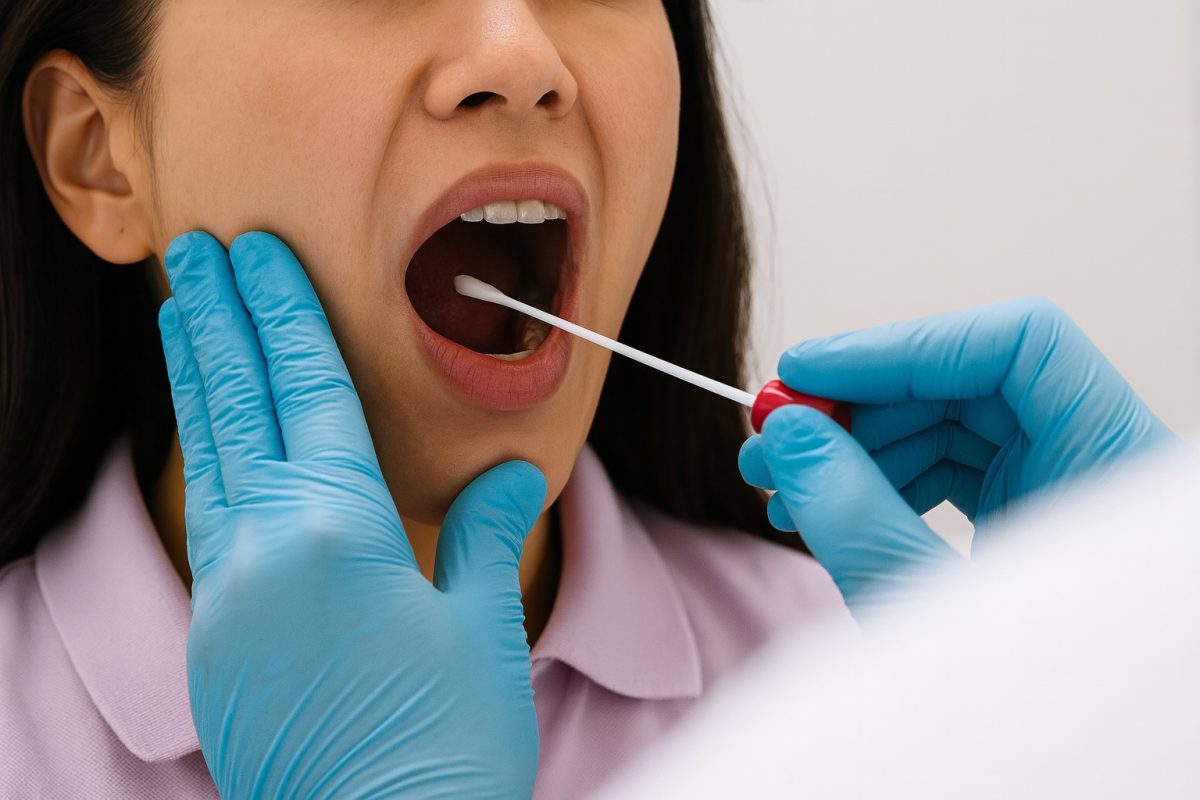
Effective Care Can Keep Cold Sores Under Control
Although cold sores can be painful and recurring, they are manageable with early treatment, proper prevention, and professional care. Understanding your triggers and acting quickly at the first sign of symptoms can make outbreaks shorter and less severe.
Pada Klinik Dr Chong, our LCP-certified dermatologists offer comprehensive cold sore management, including antiviral therapy, laser treatments, and personalised prevention plans. Contact us today to maintain healthier, more comfortable lips with long-term protection.
Soalan Lazim (Soalan Lazim)
1. Are cold sores the same as sexually transmitted infections?
Cold sores are caused by HSV-1 and are usually transmitted through close contact, like kissing or sharing personal items. They are different from sexually transmitted diseases or infections, although both involve viral transmission.
2. How long do cold sores take to heal?
Cold sores typically take seven to fourteen days to heal. Early treatment with antiviral creams or medication can shorten this recovery period and reduce discomfort.
3. What triggers cold sores to come back?
Common triggers include stress, sun exposure, lack of sleep, hormonal changes, and a weakened immune system. Identifying your triggers can help prevent frequent flare-ups.
4. Can cold sores leave scars or permanent marks?
Cold sores rarely scar, but picking or scratching the blisters can cause pigmentation or prolonged redness. Gentle care and avoiding irritation help ensure proper healing.
*All images used in this article are AI-generated.


