

Cryolipolysis vs. Liposuction: A Comprehensive Comparison

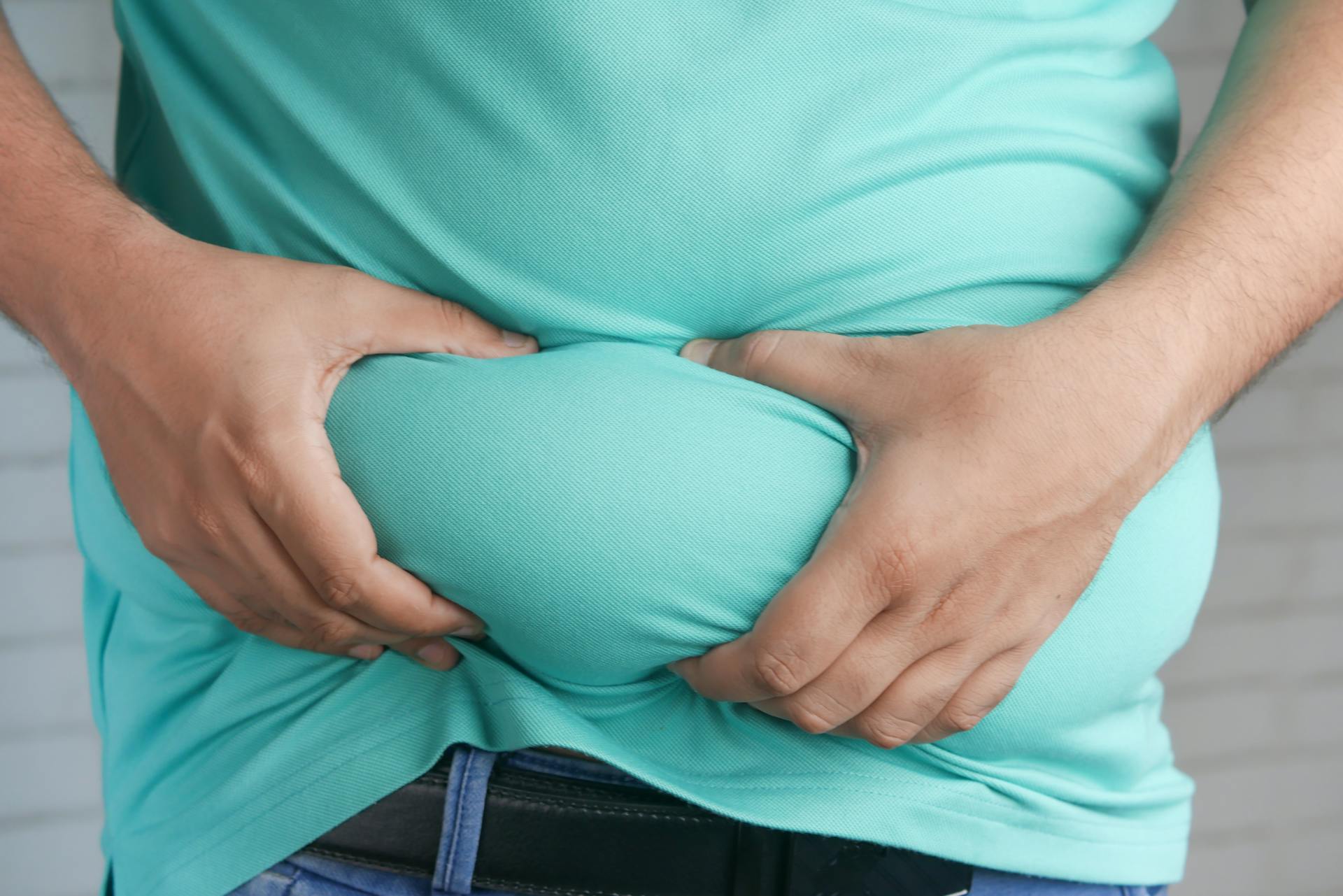
In the realm of cosmetic fat reduction, cryolipolysis and liposuction are two prominent procedures. While both aim to eliminate unwanted fat, they differ significantly in methodology, effectiveness, recovery, and potential risks. This article delves deep into each procedure to provide a clear understanding, assisting individuals in making informed decisions.
Understanding Cryolipolysis
Cryolipolysis, commonly known by the brand name CoolSculpting, is a non-invasive procedure that employs controlled cooling to target and destroy fat cells. The principle is based on the fact that fat cells are more susceptible to cold temperatures than surrounding tissues.
Procedure Details:
- Mechanism: A specialised applicator is placed on the targeted area, delivering controlled cooling to freeze fat cells without harming the skin or other tissues. Over time, the crystallised fat cells undergo apoptosis (cell death) and are naturally eliminated by the body’s lymphatic system.
- Duration: Each session typically lasts between 45 and 60 minutes, depending on the treatment area.
- Treatment Areas: Approved for areas like the abdomen, flanks, thighs, upper arms, and under the chin.
Effectiveness:
- Results: Clinical studies have shown an average fat reduction of about 20–25% in treated areas after a single session. Optimal results are usually observed within 2 to 3 months post-treatment as the body continues to flush out the destroyed fat cells.
- Multiple Sessions: Some individuals may opt for additional sessions to achieve desired outcomes, especially in areas with more substantial fat deposits.
Ideal Candidates:
- Individuals close to their ideal body weight with localised fat pockets that are resistant to diet and exercise.
- Not intended for significant weight loss but rather for body contouring.
Recovery and Side Effects:
- Downtime: Minimal to none. Most patients resume regular activities immediately after the procedure.
- Common Side Effects: Temporary redness, swelling, bruising, and numbness in the treated area. These typically resolve within a few days to weeks.
- Rare Complications: A rare side effect known as paradoxical adipose hyperplasia (PAH) has been reported, where the treated area becomes enlarged rather than reduced. This occurs in a small percentage of cases.
Understanding Liposuction
Liposuction is a surgical procedure designed to remove excess fat deposits from specific areas of the body, offering more dramatic contouring results compared to non-invasive methods.
Procedure Details:
- Mechanism: Small incisions are made in the targeted area, through which a thin tube (cannula) is inserted. The cannula is used to loosen fat cells, which are then suctioned out of the body.
- Anesthesia: Depending on the extent of the procedure, local or general anesthesia may be administered.
- Treatment Areas: Commonly performed on the abdomen, thighs, buttocks, arms, and back.
Effectiveness:
- Results: Immediate fat removal is achieved, with final results becoming more apparent as post-operative swelling subsides over several weeks to months.
- Fat Removal Volume: Capable of removing larger volumes of fat in a single session compared to non-invasive methods.
Ideal Candidates:
- Individuals with larger fat deposits seeking significant contouring.
- Those in good overall health without conditions that could impair healing.
Recovery and Side Effects:
- Downtime: Recovery varies but generally involves a few days to weeks of rest. Compression garments are often recommended to support healing and reduce swelling.
- Common Side Effects: Swelling, bruising, and discomfort in the treated areas.
- Potential Complications: As with any surgical procedure, risks include infection, blood clots, anaesthesia complications, and contour irregularities.
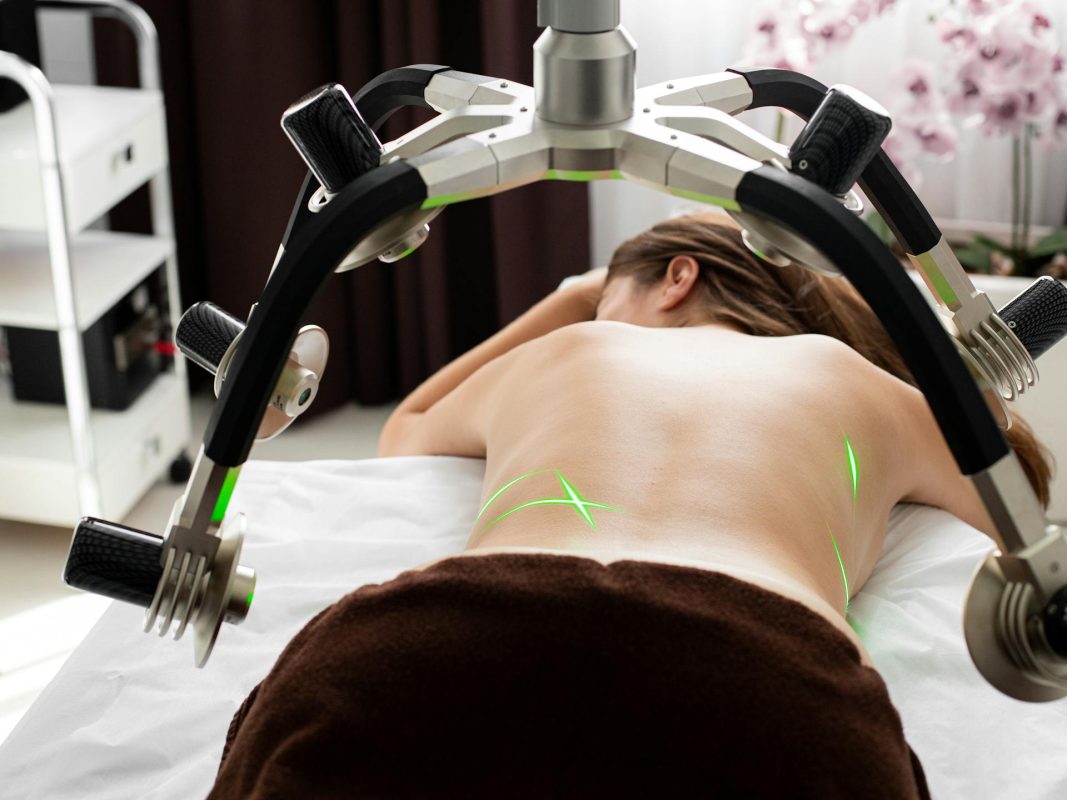
Choosing the Right Fat Reduction Treatment Plan
Selecting the right fat reduction procedure depends on multiple factors, including the targeted treatment area, desired results, and recovery time considerations. A consultation at Klinik Dr Chong ensures that a personalised treatment plan is created, taking into account your unique body goals and preferences.
Comparing Cryolipolysis and Liposuction
| Aspect | Cryolipolysis | Liposuction |
| Invasiveness | Non-invasive | Surgical (invasive) |
| Anesthesia | Not required | Required (local or general) |
| Downtime | Minimal to none; resume activities immediately | Several days to weeks; compression garments may be needed |
| Results Timeline | Gradual; noticeable within 2–3 months | Immediate; final results as swelling subsides |
| Effectiveness | Reduces fat by ~20–25% per treated area | Removes larger volumes of fat in a single session |
| Ideal For | Small, localised fat pockets; body contouring | Larger fat deposits; significant body reshaping |
| Risks | Temporary redness, swelling, numbness; rare risk of PAH | Surgical risks: infection, anesthesia complications, contour irregularities |
Cost Considerations
The cost of both procedures varies based on factors such as geographic location, practitioner’s expertise, and the extent of treatment.
- Cryolipolysis: Typically ranges from $600 to $1,500 per session per area. Multiple sessions may be required for optimal results.
- Liposuction: Generally ranges from $3,000 to $7,000, depending on the number of areas treated and the complexity of the procedure.
It’s essential to consult with qualified professionals to obtain accurate cost estimates tailored to individual needs.
Making the Right Choice
When deciding between cryolipolysis and liposuction, consider the following:
- Desired Outcome: For modest fat reduction and non-invasive treatment, cryolipolysis may be suitable. For more significant fat removal and body reshaping, liposuction might be the preferred option.
- Tolerance for Surgery: Individuals averse to surgical procedures and anaesthesia may lean towards cryolipolysis.
- Recovery Time: Those unable to afford extended downtime may prefer the minimal recovery associated with cryolipolysis.
A thorough consultation with a board-certified plastic surgeon or dermatologist is crucial to assess suitability and discuss expectations.
The Bottom Line on Cryolipolysis vs Liposuction
Both cryolipolysis and liposuction offer effective solutions for fat reduction, each with its advantages and considerations. Understanding the distinctions between the two can empower individuals to choose the procedure that aligns best with their aesthetic goals and lifestyle.
For expert fat reduction treatments in Malaysia, visit Klinik Dr Chong, a trusted aesthetic clinic in Malaysia. Book a consultation today to start your journey toward a more sculpted and contoured body.


