

Lingkaran Hitam: Punca, Rawatan dan Pencegahan di Malaysia


Dark circles under the eyes are a common concern affecting both men and women. They can make you appear tired, older, or stressed, even when you are well-rested. While dark circles are not harmful, they can impact confidence and are often difficult to conceal with makeup alone.
In Malaysia’s humid climate and fast-paced lifestyle, dark circles are a frequent issue due to lack of sleep, dehydration, and environmental stressors. Fortunately, understanding the underlying causes and available treatments can help you restore a refreshed, youthful appearance.
What Are Dark Circles?
Dark circles refer to the darkened skin beneath the eyes, typically caused by thinning skin, pigmentation, or visible blood vessels. They may appear bluish, brownish, or purplish, depending on your skin tone and cause. These changes can make the face look tired and aged, even when you feel well-rested.
The area under the eyes, known as the periorbital region, is extremely delicate. Because the skin here is thinner than the rest of the face, any changes in blood flow, pigmentation, or volume loss can become visible easily. These changes can also make eye bags appear more prominent, creating a tired or aged look even when you are well-rested.
Common Causes of Dark Circles
Dark circles are rarely caused by a single factor. Instead, they result from a combination of genetics, lifestyle habits, and environmental influences.
1. Lack of Sleep and Fatigue
Insufficient sleep or irregular sleep patterns can cause blood vessels under the eyes to dilate, creating a bluish or purplish appearance. Fatigue also leads to fluid retention, which can make dark circles more visible.
2. Genetics and Skin Type
If dark circles run in your family, you may be predisposed to hiperpigmentasi or thinner under-eye skin. People with fair or delicate skin tend to have more visible blood vessels, while those with deeper skin tones may experience increased melanin production in the area.
3. Aging and Collagen Loss
As we age, collagen production slows down, and the skin loses elasticity and fat volume. This thinning reveals the underlying blood vessels, leading to shadowing and a darker appearance. These structural changes can also make the under-eye area look hollow or tired over time.
4. Allergies and Rubbing
Frequent rubbing or scratching the eyes due to allergies or irritation can worsen pigmentation and inflammation, sometimes referred to as “allergic shiners.” Over time, this constant friction can also weaken the delicate skin around the eyes, making dark circles more noticeable.
5. Sun Exposure
Excessive sun exposure triggers melanin production, which can darken the under-eye skin. Daily sunscreen use helps prevent this form of hyperpigmentation. Wearing sunglasses and using SPF-infused eye creams can provide extra protection against UV damage.
6. Dehydration
When the body lacks sufficient hydration, the skin appears dull and sunken, making dark circles more noticeable. Drinking enough water throughout the day helps maintain elasticity and brightness. Proper hydration also supports healthy circulation, helping the under-eye area look firmer and more refreshed.
7. Lifestyle Factors
Smoking, alcohol consumption, and poor diet can contribute to dullness, poor circulation, and pigmentation under the eyes. These habits also accelerate collagen breakdown, leading to thinner skin and more prominent dark circles.
Types of Dark Circles
Understanding your type of dark circles helps you choose the most effective treatment. Each type has different causes, such as pigmentation, visible veins, or volume loss, which require specific solutions. Identifying your concern ensures the right approach for brighter, refreshed eyes.
- Pigmented dark circles: Caused by excess melanin or sun exposure, appearing brown or tan
- Vascular dark circles: Caused by visible blood vessels or poor circulation, giving a bluish or purplish tone.
- Structural dark circles: Result from volume loss or under-eye hollows that create shadows.
- Mixed dark circles: A combination of pigmentation and structural changes, common in adults.
Identifying the correct type of dark circles is the first step toward effective treatment. With the right combination of professional care and consistent skincare, you can restore brightness, smoothness, and a youthful glow to your eyes.
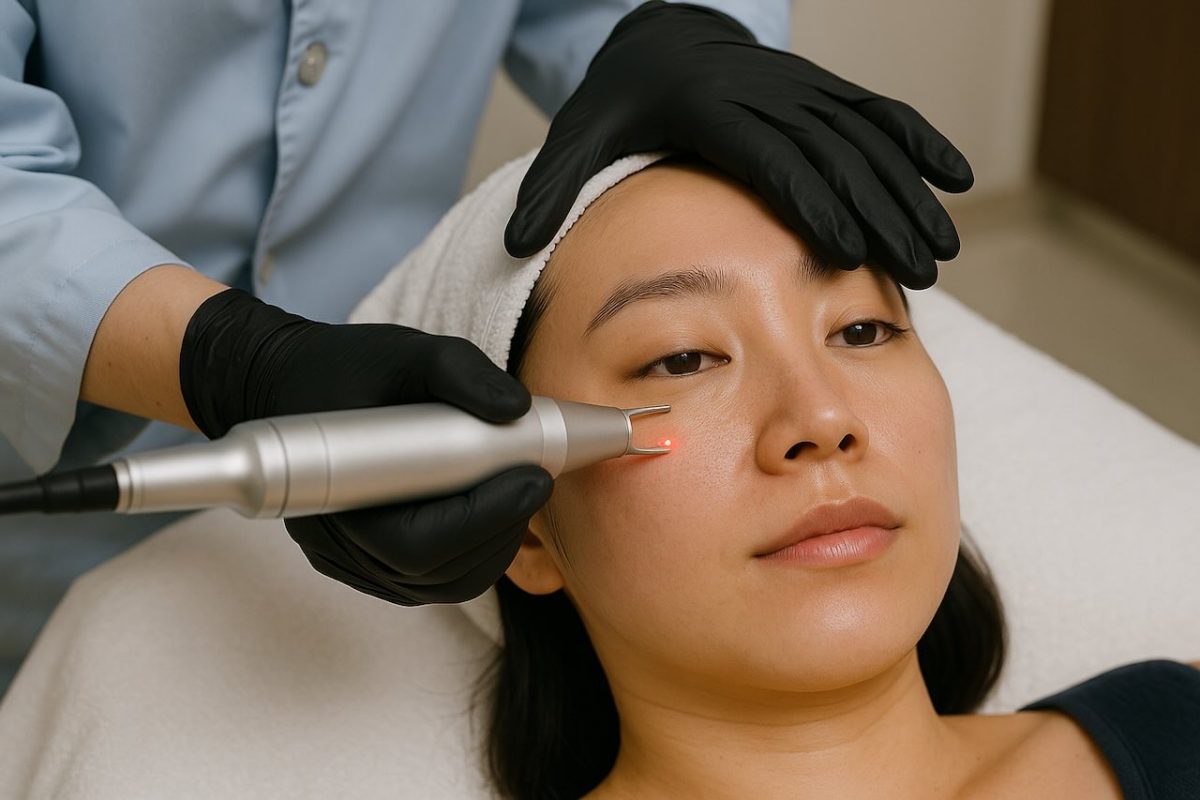
Effective Dark Circle Treatments in Malaysia
While creams and home remedies may help mild cases, professional aesthetic treatments deliver faster and more visible results. In Malaysia, several advanced options are available to safely and effectively treat dark circles.
1. Laser Treatments
Laser therapy targets pigmentation, broken capillaries, and collagen loss under the eyes. Popular options include Laser Pico and Dual Yellow Light Laser Therapy, which reduce discoloration, improve circulation, and brighten the under-eye area. These treatments are non-invasive and suitable for most skin types.
2. Chemical Peels
Gentle eye-safe chemical peels use mild acids like lactic or glycolic acid to exfoliate dead skin and reduce pigmentation. Regular sessions improve skin tone and stimulate collagen production for smoother, brighter skin. They also help enhance the absorption of eye creams for longer-lasting results.
3. Dermal Fillers
For dark circles caused by hollow tear troughs or volume loss, hyaluronic acid fillers offer instant improvement. They lift the under-eye area, reduce shadows, and create a refreshed look. Results are immediate and can last up to 12 months. When performed by a qualified doctor, under-eye fillers provide natural-looking and balanced results.
4. PRP (Platelet-Rich Plasma) Therapy
Also known as the “vampire treatment,” PRP therapy uses your own blood plasma to stimulate collagen and elastin production. It helps improve tekstur kulit, reduce pigmentation, and rejuvenate the under-eye area naturally. This treatment is ideal for those seeking a natural and chemical-free solution for dark circles.
5. Microneedling
Microneedling creates micro-injuries that trigger collagen renewal. When combined with PRP or serums, it helps reduce pigmentation and fine lines while improving overall under-eye brightness. The procedure also enhances skin firmness, giving the eye area a smoother appearance.
6. LED Light Therapy
LED therapy uses specific wavelengths to enhance circulation and reduce inflammation. Red light boosts collagen, while yellow light brightens and soothes the skin. It is gentle, relaxing, and complements other treatments. Regular LED sessions can help maintain a bright and youthful under-eye glow.
At-Home Tips to Prevent and Manage Dark Circles
Professional treatments deliver great results, but consistent home care keeps them lasting. A simple daily routine helps fade dark circles, boosts skin health, and makes your face look refreshed. If you have wondered how to make your face look less tired, these easy habits can help you achieve a brighter, well-rested appearance.
- Get 7–8 hours of sleep nightly.
- Stay hydrated by drinking plenty of water.
- Apply sunscreen with at least SPF 30 daily.
- Use eye creams with vitamin C, hyaluronic acid, retinol, or caffeine.
- Eat antioxidant-rich foods like berries, citrus, and leafy greens.
- Avoid rubbing your eyes to prevent irritation and pigmentation.
- Apply cold compresses to reduce puffiness and refresh tired eyes.
Consistency is key. Following a proper routine strengthens the skin barrier, boosts radiance, and helps maintain long-term results from professional treatments. With patience and regular care, your skin will look brighter, healthier, and far less tired.
When to See a Dermatologist
If your dark circles persist despite home care or are accompanied by swelling or irritation, consult a dermatologist. They can identify whether the cause is pigmentation, volume loss, or vascular changes and recommend the best treatment plan. Early professional intervention ensures lasting results and prevents further discoloration or thinning.

Say Goodbye to Tired-Looking Eyes
Dark circles do not have to dull your appearance or confidence. With the right combination of professional treatments, lifestyle adjustments, and consistent skincare, you can achieve smoother, brighter, and more youthful-looking eyes.
Klinik Dr Chong is one of Malaysia’s leading aesthetic clinics, known for its personalized approach and advanced medical technology. Our experienced doctors offer FDA-approved treatments designed to safely reduce dark circles and rejuvenate the under-eye area.
Book your appointment today and let us help you bring back your natural radiance. We provide customized solutions, including Pico Laser, Dual Yellow Light Laser Therapy, PRP, and dermal fillers, to target pigmentation, circulation issues, and volume loss. Each treatment is tailored to your skin type and needs to ensure natural, lasting results.
Soalan Lazim (Soalan Lazim)
1. What causes dark circles under the eyes?
Dark circles can be caused by lack of sleep, genetics, aging, allergies, dehydration, and sun exposure. They occur when blood vessels or pigmentation become more visible through thin under-eye skin.
2. How can I remove dark circles permanently?
Permanent removal depends on the cause. Professional treatments such as laser therapy, dermal fillers, PRP, and chemical peels can significantly reduce dark circles. Regular skincare and sun protection help maintain results.
3. Are dark circle treatments safe for all skin types?
Yes, most modern treatments like Pico Laser, Dual Yellow Light Therapy, and PRP are safe for all skin types when performed by trained professionals. A consultation helps determine the best option for your skin.
4. Can I treat dark circles naturally at home?
You can reduce mild dark circles by getting enough sleep, staying hydrated, applying sunscreen, and using brightening eye creams with vitamin C or caffeine. However, deeper pigmentation often requires professional care for visible improvement.
*Semua imej yang digunakan dalam artikel ini adalah dijana AI.


