

Dry Patches on the Face: Causes, Symptoms, and Treatment

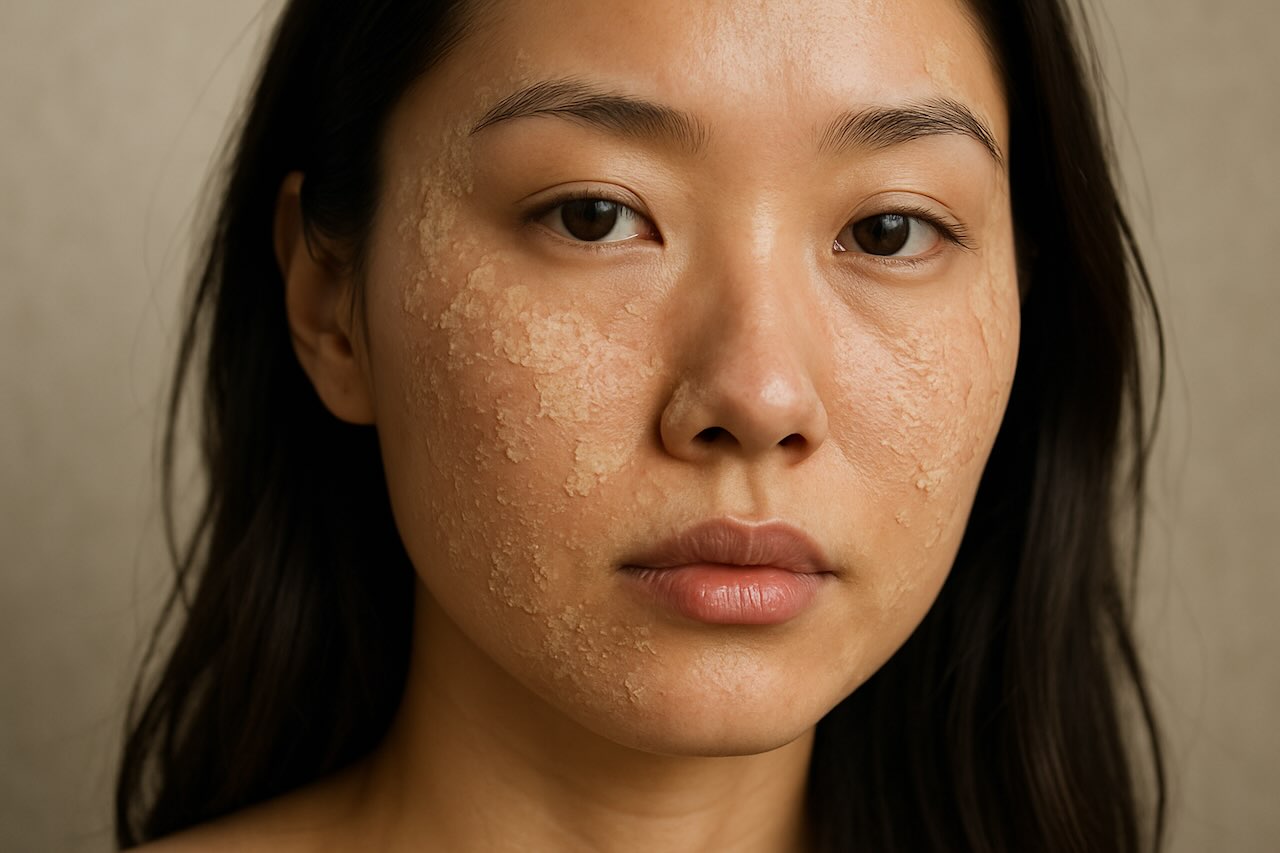
Dry patches on the face are a common skincare issue that can affect anyone, regardless of skin type. They often appear as rough, flaky, or irritated areas that make the complexion look uneven and feel uncomfortable. While dry skin can sometimes be seasonal or temporary, persistent dry patches may point to underlying concerns.
It is important to recognise the difference between simple dryness and other skin changes that may look similar, such as acne-related flakiness or post-inflammatory pigmentation. The good news is that dry skin can usually be improved with the right approach. In this article, we will break down everything you need to know about dry patches and the best ways to treat it.
Common Causes of Dry Patches on the Face di Malaysia
Dry skin and stubborn dry patches don’t appear without reason. They are usually triggered by a mix of environmental, lifestyle, and medical factors that weaken the skin barrier and reduce its ability to hold moisture. Understanding these causes is the first step toward choosing the right treatment and preventing the issue from coming back.
Environmental Factors
Cold weather, wind, or low humidity can strip the skin of essential oils. Spending long hours in air-conditioned spaces also contributes to blotchy skin and dehydration. Over time, this lack of moisture weakens the skin barrier, making dry patches more noticeable and harder to manage.
Skincare Habits
Using harsh cleansers or attempting chemical peels without proper guidance can weaken the skin barrier and trigger irritation. Over-exfoliation is another common mistake that strips away essential oils, leaving behind flaky skin. Even everyday habits like hot showers can contribute to dryness, and in acne-prone individuals, this may also lead to skin purging.
Lifestyle Factors
A poor diet lacking omega-3s, dehydration, smoking, and stress all reduce the skin’s resilience. These factors can also make conditions like kulit bertekstur appear much more pronounced, highlighting unevenness and dryness on the face. Over time, these lifestyle habits slow the skin’s natural repair process, making dry patches harder to treat.
Underlying Skin Conditions
Skin conditions such as eczema, psoriasis, seborrheic dermatitis, and rosacea frequently cause stubborn dry patches. Unlike simple dryness, these conditions disrupt the skin’s protective barrier and trigger inflammation, which leads to persistent flakiness, irritation, and rough spots on the face.
Medical Conditions
Systemic issues such as diabetes or hypothyroidism sometimes manifest as dry skin. If you notice persistent dryness or pockmarks alongside fatigue or weight changes, a medical evaluation is essential. These conditions can interfere with the body’s ability to regulate moisture and oil, making dry patches on the face more frequent and difficult to manage.
Symptoms of Dry Patches
Dry patches on the face can look different from person to person, but they often share common signs that make the skin appear uneven and uncomfortable. Recognising these symptoms early can help you take the right steps before the dryness becomes more severe.
- Flaky or scaly skin that doesn’t improve with moisturisers
- Redness or post-inflammatory erythema (PIE) around affected areas
- Tightness, especially after cleansing
- Cracks or small sores in severe cases
- Localised patches that differ from surrounding dewy skin
If you notice one or more of these symptoms, it’s a sign your skin barrier needs extra care. Addressing them early helps prevent worsening dryness and protects your skin from further irritation.
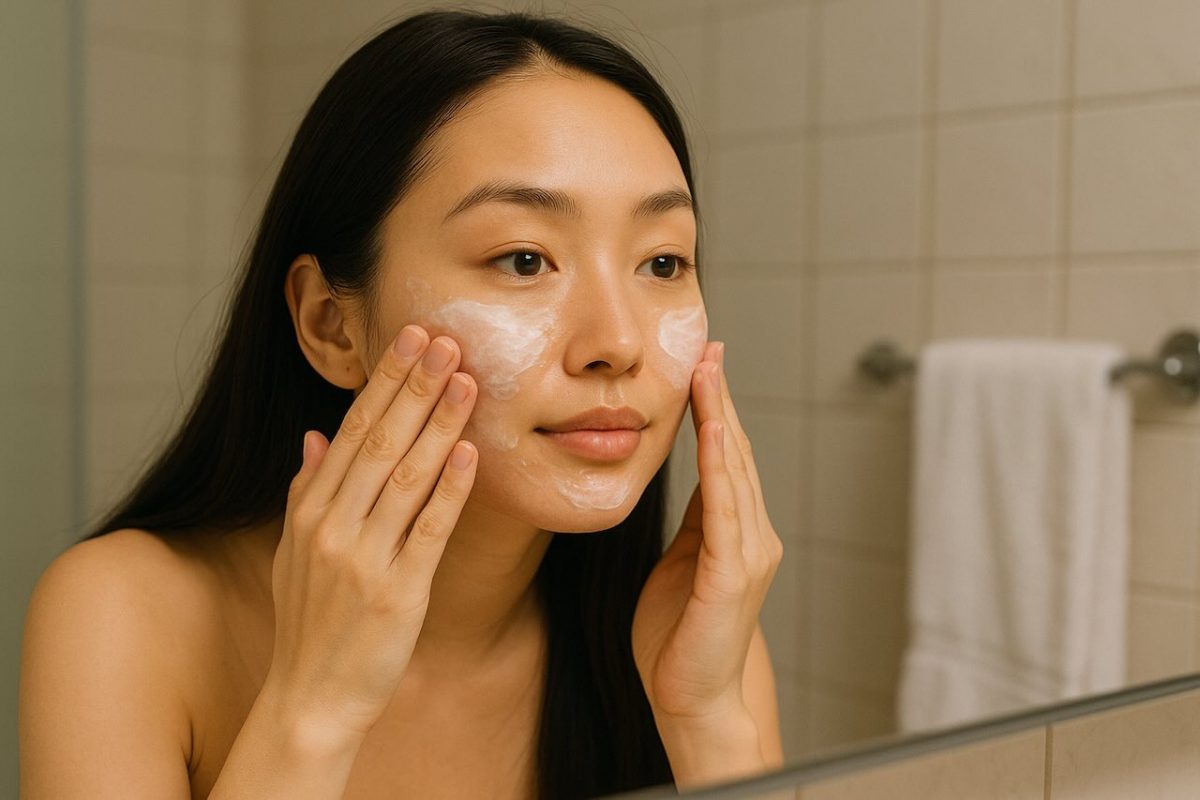
Home Treatments and Skincare Tips
Managing dry patches on the face in Malaysia often starts with simple daily habits. By making a few consistent changes to your skincare routine and lifestyle, you can restore hydration, strengthen your skin barrier, and prevent dryness from returning.
- Moisturise Regularly: Choose fragrance-free creams enriched with ceramides and hyaluronic acid. These powerhouse ingredients help repair the skin barrier, lock in hydration, and support overall skin healing, making them effective not only for dryness but also for lightening acne scars naturally.
- Gentle Cleansing: Opt for non-drying cleansers that won’t strip away natural oils. A pore clogging checker can help ensure your products are safe for acne-prone skin. Consistent gentle cleansing also prevents irritation, making it easier for your moisturiser and treatments to work effectively.
- Limit Hot Water: Stick to lukewarm water when washing your face. Very hot water worsens flakiness and can also aggravate sebaceous filaments. Over time, frequent exposure to hot water can weaken the skin barrier, leaving it more prone to irritation and dry patches.
- Hydration and Diet: Drink plenty of water and eat a nutrient-rich diet. Foods high in omega-3s help skin appear smoother and can help you achieve dewy skin in the long run. A balanced diet also supports faster skin repair and resilience against dryness.
- Sun Protection: Daily SPF is essential. It not only prevents dry patches but also lowers the risk of solar lentigines and melasma. Consistent sun protection also helps maintain an even skin tone and slows visible signs of ageing.
Making these steps part of your everyday routine helps restore balance and prevent dry patches from coming back. Consistency is key, and with the right habits, your skin will feel smoother, healthier, and more resilient.
Professional and Advanced Treatments
When home remedies are not enough, dermatologists may recommend advanced options that target both the root cause of dryness and other underlying skin conditions. These treatments provide deeper results and longer-lasting improvements compared to topical care alone.
Hydrafacial
Hydrafacials in Malaysia deeply cleanses, exfoliates, and hydrates the skin using a specialised device that infuses nourishing serums while removing impurities. For those struggling with dry patches on the face, it restores moisture and soothes irritation while also improving overall skin tone and radiance.
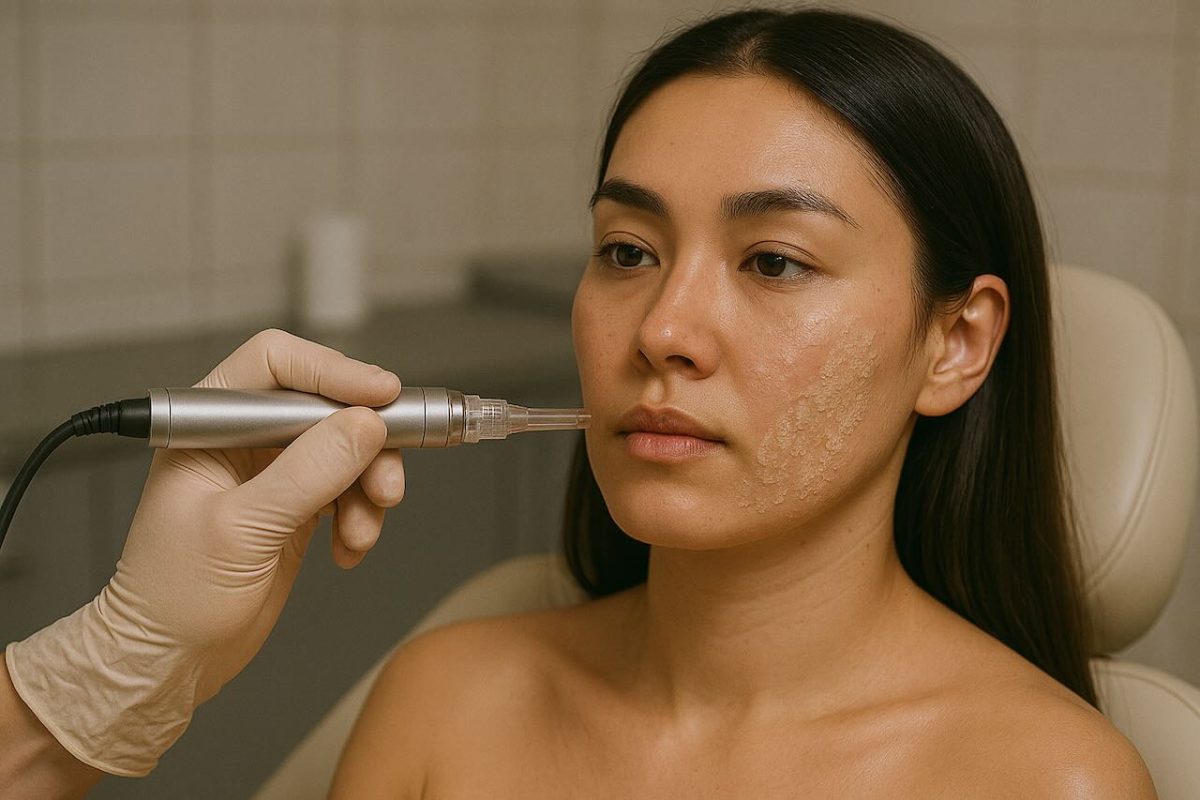
Microneedling
This treatment works by creating controlled micro-injuries in the skin, which trigger the natural production of collagen and elastin. As the skin heals, its ability to retain moisture improves, strengthening the barrier and reducing dry patches. With continued sessions, jarum mikro promotes smoother texture and greater resilience against recurring dryness.
Laser Pico
The benefits of Pico Laser extend beyond pigmentation correction. For those struggling with dry skin or stubborn dry patches, the treatment helps stimulate collagen, which strengthens the skin barrier and improves its ability to retain moisture. Over time, this boost in hydration and renewal leaves the skin looking smoother, softer, and more resilient against dryness.
Carbon Peel Laser
A carbon peel laser is another effective treatment that gently exfoliates dead skin cells while refreshing the skin’s surface. For those with dry, patchy skin, it helps remove buildup that can make dryness more noticeable, allowing better absorption of hydration. The result is smoother texture, a clearer complexion, and skin that feels softer and less rough.
When to See a Dermatologist
Most dry patches can be managed at home, but it’s important to seek medical advice if they persist despite moisturising, become severely itchy or red, spread or crack, or if you’re unsure whether the cause is eczema, rosacea, or another condition. A dermatologist in Malaysia can provide an accurate diagnosis and tailored care to restore your skin’s health.
Restoring Balance to Dry Skin
Dry patches on the face are a common concern and may be linked to habits, lifestyle, or environmental changes. While basic care like moisturising and sun protection can help, it is often not enough for stubborn or recurring dryness. In such cases, professional treatment is the best way forward.
That’s where Klinik Dr Chong comes in. With multiple clinics across Malaysia and a team of LCP-certified dermatologists, the clinic is recognised for its expertise in advanced skin treatments. Combining medical knowledge with the latest technology, Dr. Chong Clinic helps patients restore smoother, healthier, and more radiant skin.
Book a consultation with Dr. Chong Clinic today and take the first step towards clear and confident skin.
Soalan Lazim (FAQ)
1. Are dry patches on the face the same as eczema?
Not always. While eczema can cause dry patches, other triggers like skincare habits, dehydration, or conditions such as rosacea and psoriasis may also be the cause.
2. How long do dry patches usually take to heal?
It depends on the cause. Simple dryness can improve within days of consistent moisturising, while patches linked to skin conditions may take longer and require professional treatment.
3. Do I really need to see a dermatologist for dry patches?
If the patches persist despite home remedies, are painful, itchy, or spreading, it’s best to see a dermatologist. They can identify the underlying cause and recommend the most effective treatment.
4. Will treating dry patches also improve my overall skin texture?
Definitely. Many professional treatments for dry patches also stimulate collagen and boost hydration, which helps smooth uneven texture and supports healthier, more radiant skin.
*Semua imej yang digunakan dalam artikel ini adalah dijana AI.


