Blog
Doktor Ekzema Berhampiran Anda: Pakar Kulit di KL, Selangor & JB

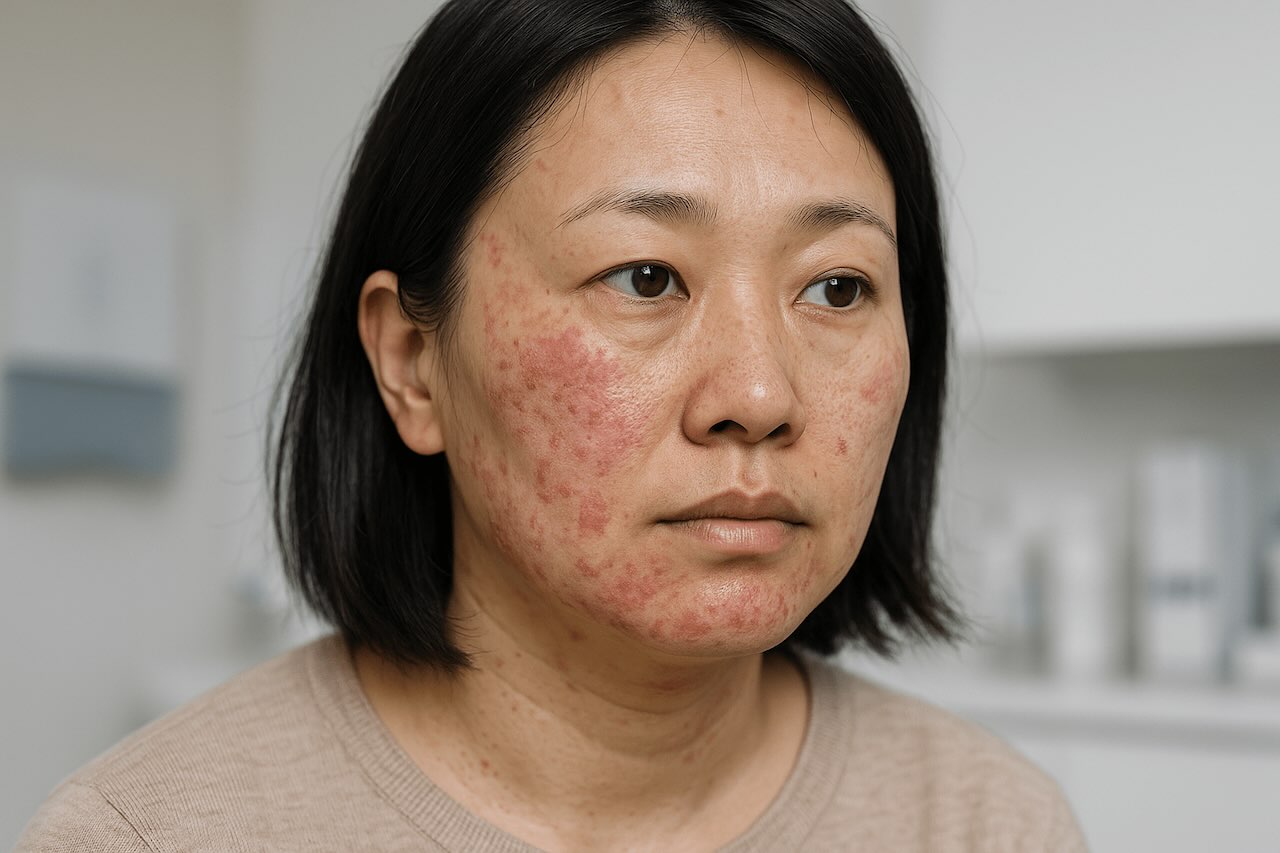
Ekzema, juga dikenali sebagai dermatitis atopik, adalah keadaan kulit biasa yang menyebabkan keradangan, kegatalan dan kekeringan. Keadaan kronik ini boleh menyebabkan masalah berulang yang menjejaskan keselesaan harian dan kesihatan kulit anda. Jika anda sedang mencari rawatan ekzema berhampiran anda di Malaysia, adalah penting untuk mencari pakar kulit yang berkelayakan yang boleh mendiagnosis keadaan anda dengan tepat dan mengesyorkan pelan rawatan yang diperibadikan.
Simptom ekzema dan bila perlu mendapatkan bantuan
Simptom ekzema yang paling biasa termasuk tompok kulit yang gatal, kemerahan, kekeringan, dan keradangan. Simptom-simptom ini boleh berbeza-beza bergantung pada jenis ekzema dan pencetus individu.
Tanda-tanda anda mungkin perlu berjumpa pakar dermatologi:
- Gatal-gatal dan ketidakselesaan kulit yang berterusan atau semakin teruk
- Kulit merah, merekah atau bersisik yang tidak bertindak balas terhadap pelembap
- Ekzema berulang tanpa sebab yang jelas
- Meleleh, mengerak atau berdarah dari kulit yang meradang
- Gangguan tidur atau kesan terhadap kualiti hidup seharian
Penghidap ekzema juga sering mengalami keadaan alahan seperti demam alergi, asma atau alahan makanan. Dalam banyak kes, ekzema dikaitkan dengan tindak balas sistem imun yang terlalu aktif terhadap perengsa atau alergen.
Jenis-jenis ekzema dan punca-punca biasa
Memahami pelbagai jenis ekzema membantu dalam diagnosis dan rawatan yang betul.
Jenis-jenis ekzema yang biasa termasuk:
- Atopic dermatitis: bentuk yang paling biasa, sering dicetuskan oleh genetik atau alergen
- Contact dermatitis: disebabkan oleh pendedahan kepada perengsa seperti sabun, detergen atau pewangi
- Seborrheic dermatitis: muncul pada kulit kepala, muka dan dada atas, kadangkala disalah anggap sebagai kelemumur
- Dyshidrotic eczema: menyebabkan lepuh kecil dan gatal pada tangan dan kaki
- Nummular eczema: tompok bulat kulit yang gatal dan meradang
Ekzema mungkin dicetuskan oleh faktor persekitaran, tekanan atau pendedahan kepada produk penjagaan kulit tertentu. Mengenal pasti pencetus khusus anda adalah penting untuk mengawal keadaan yang semakin meningkat.
Apakah pelan rawatan terbaik untuk ekzema?
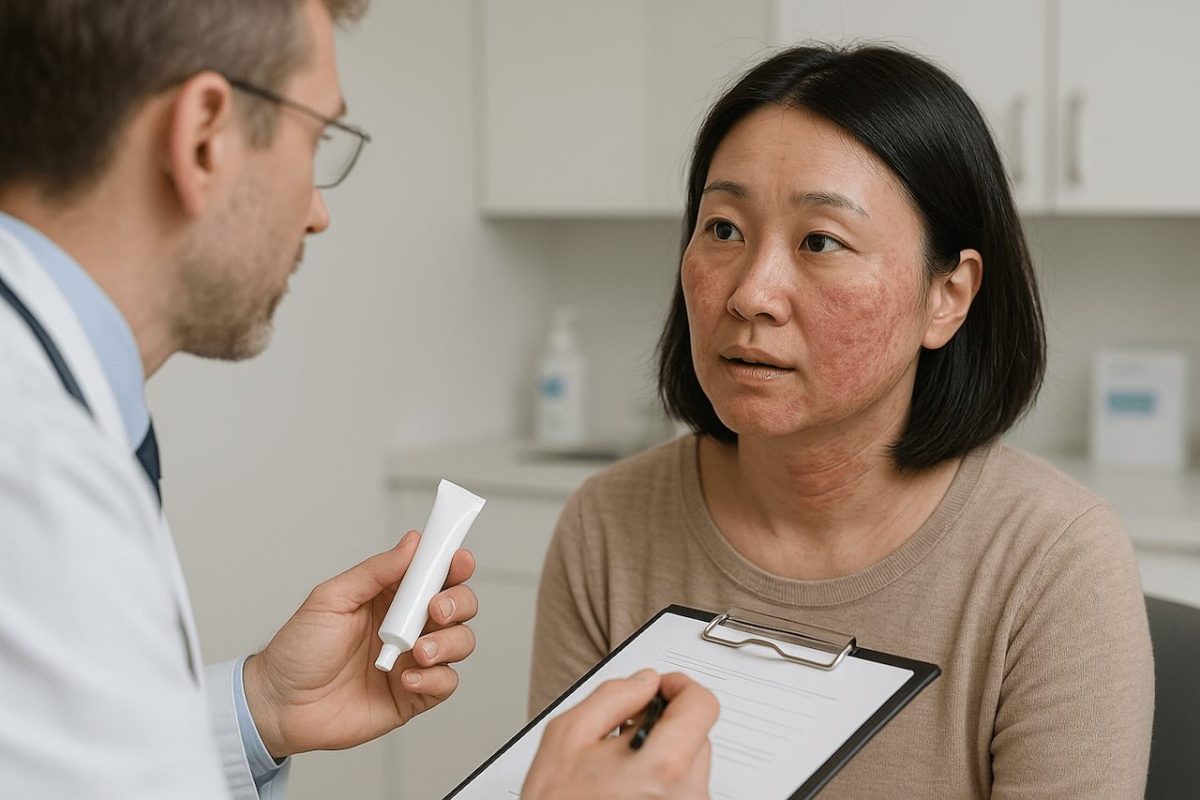
Tiada penawar kekal untuk ekzema, tetapi pelan rawatan yang disesuaikan dapat membantu mengurangkan kemerosotan, menguruskan gejala dan menguatkan lapisan pelindung kulit. Rawatan bergantung pada tahap keterukan dan jenis ekzema, serta gaya hidup dan sejarah perubatan individu.
Pilihan rawatan ekzema yang berkesan mungkin termasuk:
- Ubat-ubatan topikal seperti kortikosteroid atau perencat kalsineurin
- Ubat Mulut termasuk antihistamin atau imunosupresan jangka pendek
- Fototerapi, iaitu penggunaan cahaya ultraungu (UV)
- Terapi pembaikan halangan untuk mengembalikan kelembapan dan menguatkan kulit
- Rawatan laser untuk keradangan kronik atau tompok tahan
Seorang profesional penjagaan kesihatan juga akan mengesyorkan perubahan gaya hidup untuk mengurangkan pendedahan kepada perengsa dan alergen. Ini mungkin termasuk menggunakan produk penjagaan kulit yang lembut, mengelakkan haba atau kelembapan, dan menguruskan tahap tekanan.
Apa yang diharapkan semasa konsultasi ekzema
Apabila anda berjumpa pakar kulit untuk ekzema, rundingan biasanya melibatkan semakan terperinci tentang gejala, gaya hidup dan sejarah perubatan anda.
Pakar dermatologi anda mungkin:
- Lakukan pemeriksaan fizikal pada kawasan yang terjejas
- Tanya tentang pendedahan kepada alergen atau pencetus persekitaran
- Semak penggunaan penjagaan kulit dan detergen semasa anda
- Cadangkan ujian alahan atau ujian tampalan jika perlu
Matlamat rundingan ini adalah untuk mengenal pasti punca utama masalah anda dan mengesyorkan penyelesaian jangka panjang yang selamat dan berkesan.
Ekzema atau sesuatu yang lain? Memahami diagnosis anda
Ekzema adalah salah satu keadaan kulit kronik yang paling biasa, tetapi simptomnya boleh bertindih dengan penyakit kulit lain seperti psoriasis. Kedua-dua ekzema dan psoriasis boleh menyebabkan kulit gatal dan meradang, tetapi psoriasis sering muncul sebagai tompokan putih bersisik.
Dermatitis seboroik, satu lagi keadaan serupa, terutamanya menjejaskan kulit kepala dan mungkin kelihatan seperti kelemumur tetapi boleh merebak ke muka. Diagnosis yang tepat adalah penting kerana pilihan rawatan berbeza-beza bergantung pada keadaan.
Hanya penyedia penjagaan kesihatan atau pakar kulit yang berkelayakan sahaja yang boleh memberikan diagnosis dan pelan rawatan yang betul. Jika keadaan kulit anda tidak bertindak balas terhadap ubat yang dijual bebas atau telah berubah dari semasa ke semasa, penilaian klinikal adalah penting untuk penjagaan yang selamat dan berkesan.
Doktor Ekzema Terdekat Berhampiran Anda di Malaysia
Jika anda sedang mencari rawatan ekzema berhampiran anda, pertimbangkan klinik yang menawarkan perkhidmatan dermatologi perubatan dan perubatan estetik. Ini memastikan akses kepada pelbagai pilihan rawatan yang disesuaikan dengan jenis kulit anda.
Mengapa memilih Klinik Dr Chong untuk penjagaan ekzema?
Klinik Dr Chong adalah klinik estetik perubatan dan kulit menawarkan penjagaan ekzema yang diperibadikan di bandar-bandar utama di seluruh Malaysia. Dengan lebih daripada 20 lokasi, pesakit boleh mengakses perkhidmatan diagnosis dan rawatan dengan mudah di kawasan seperti:
- Kuala Lumpur (Bangsar, Cheras, Mid Valley, Kepong, Publika, TTDI, Sri Petaling, Melawati)
- Selangor (Shah Alam, Klang, Puchong)
- Johor (Bukit Indah, Taman Molek, Pelangi, Muar)
- Penang, Seremban, Melaka and Kota Kinabalu
Apa yang membezakan klinik ini:
- Doktor yang diperakui: Diketuai oleh doktor estetik bertauliah LCP yang terlatih dalam gangguan kulit perubatan
- Pendekatan rawatan peribadi: Setiap pesakit menerima pelan diagnosis dan rawatan yang disesuaikan
- Pilihan Rawatan Lanjutan: Akses kepada Terapi Photo-Dynamic, Rawatan Oxy Facial dan penyelesaian pembaikan kulit yang lain
- Sokongan estetik perubatan: Kesihatan kulit ditangani secara holistik, termasuk penjagaan parut dan terapi penghidratan.
Klinik Dr Chong menyediakan diagnosis, rawatan peribadi dan sokongan berterusan untuk pesakit ekzema di semua peringkat umur. Jadualkan rundingan anda sekarang di klinik terdekat anda di KL, Selangor, Johor Bahru atau kawasan sekitarnya.
Soalan Lazim
1. Apakah perkhidmatan lain yang disediakan oleh Klinik Dr Chong?
Selain penjagaan ekzema, Klinik Dr Chong menyediakan pelbagai rawatan estetik perubatan yang disesuaikan dengan keperluan kulit individu. Ini termasuk rawatan jerawat, pengurusan hiperpigmentasi, menegangkan kulit, sokongan pertumbuhan rambut, dan penyelesaian pelangsingan badan.
2. Adakah ekzema berjangkit?
Tidak, ekzema tidak berjangkit. Ia tidak boleh berjangkit dari seorang ke seorang yang lain melalui sentuhan fizikal, perkongsian barang atau berada berdekatan.
3. Adakah terdapat penawar untuk ekzema?
Pada masa ini tiada penawar untuk ekzema. Walau bagaimanapun, terdapat banyak pilihan rawatan yang tersedia untuk menguruskan gejala, mengurangkan keradangan dan mencegah perkembangan selanjutnya.
4. Apakah yang menyebabkan ekzema berulang?
Ekzema yang semakin meningkat disebabkan oleh gabungan pencetus yang berbeza-beza mengikut individu. Punca biasa termasuk tekanan, faktor persekitaran, alergen, perengsa seperti sabun atau detergen, fabrik tertentu dan kadangkala makanan tertentu. Punca sebenar ekzema tidak difahami sepenuhnya.