Blog
Migrasi Pengisi di Malaysia: Punca, Risiko & Cara Mengelaknya


Pengisi dermal di Malaysia adalah salah satu rawatan estetik yang paling popular yang ada hari ini. Daripada menghaluskan kedutan kepada meningkatkan bibir dan membentuk kontur ciri wajah, pengisi memberikan hasil segera dengan masa rehat yang minimum. Walau bagaimanapun, seperti mana-mana prosedur perubatan, terdapat kemungkinan komplikasi.
Jadi, apakah sebenarnya migrasi pengisi? Bagaimanakah anda boleh mencegahnya, dan apakah yang perlu anda lakukan jika ia berlaku? Artikel ini meneroka semua yang anda perlu tahu untuk kekal termaklum dan selamat.
Apakah Migrasi Pengisi?
Penghijrahan pengisi merujuk kepada pergerakan bahan pengisi kulit yang tidak disengajakan dari tapak suntikan ke kawasan muka yang lain. Daripada kekal di tempat ia diletakkan (cth. bibir, bawah mata atau hidung), pengisi mungkin beralih sedikit atau ketara, membawa kepada bengkak yang boleh dilihat, kontur tidak sekata, ketulan atau perubahan warna kebiruan di bawah kulit (dikenali sebagai kesan Tyndall).
Penghijrahan boleh berlaku sejurus selepas prosedur atau secara beransur-ansur dari masa ke masa. Faktor yang menyumbang kepada ini termasuk jenis pengisi yang digunakan, teknik suntikan, anatomi muka, dan mobiliti kawasan yang dirawat. Pengisi asid hyaluronik (HA) lebih kerap digunakan kerana profil keselamatan dan kebolehbalikannya, manakala pengisi kekal membawa risiko komplikasi jangka panjang yang lebih tinggi.
Kawasan Biasa Tempat Migrasi Berlaku
Walaupun penghijrahan secara teknikal boleh berlaku di mana-mana tapak yang dirawat, kawasan muka tertentu lebih terdedah kerana ciri-ciri pengendalian anatomi, mobiliti dan pengisinya. Walau bagaimanapun, migrasi pengisi adalah kejadian yang sangat jarang berlaku, terutamanya apabila doktor bertauliah terlibat.
1. Bibir
Penghijrahan di atas sempadan vermilion boleh mengaburkan kontur bibir dan menimbulkan bengkak pada philtrum atau bibir atas kulit, kadangkala digambarkan sebagai penampilan "misai pengisi" atau "bibir itik".
2. Palung Koyak (Bawah Mata)
Kawasan halus ini amat sensitif terhadap penempatan pengisi cetek. Penghijrahan boleh menyebabkan bengkak yang berterusan, bayang-bayang atau warna kebiruan yang dikenali sebagai kesan Tyndall.
3. Hidung (Rhinoplasty tanpa pembedahan)
Disebabkan ruang tisu yang terhad dan kulit nipis, pengisi boleh beralih ke kawasan bersebelahan seperti jambatan hidung, hujung atau glabella, mengakibatkan asimetri atau membonjol. Teknik berhati-hati adalah penting di sini untuk mengelakkan komplikasi vaskular dan herotan yang boleh dilihat.
4. Pipi atau Garis Rahang
Di kawasan volum tinggi seperti bahagian tengah muka atau sudut rahang bawah, pilihan pengisi yang tidak betul atau kedalaman suntikan boleh menyebabkan produk merebak secara tidak sekata atau berhijrah ke bawah dari semasa ke semasa, terutamanya pada pesakit yang mempunyai pergerakan muka yang kuat atau kulit yang kendur.
Apa yang Menyebabkan Penghijrahan Pengisi?
Beberapa faktor boleh menyumbang kepada risiko penghijrahan. Memahami punca ini boleh membantu anda membuat keputusan termaklum dan mengurangkan risiko anda.
1. Teknik Suntikan yang Salah
Teknik suntikan yang tidak betul, seperti meletakkan pengisi terlalu cetek dalam dermis dan bukannya lapisan subkutan atau lemak dalam yang dimaksudkan, boleh meningkatkan risiko penghijrahan. Penggunaan sudut yang salah, satah peletakan yang buruk, atau pilihan alat yang tidak sepadan akibat daripada pengalaman yang tidak berpengalaman meningkatkan risiko.
2. Melebihi atau Sentuh Kerap
Menyuntik volum yang berlebihan atau melakukan sentuhan terlalu kerap, tanpa membenarkan pengisi terlebih dahulu mendap atau larut, boleh menyebabkan pengumpulan produk, mengganggu satah tisu semula jadi dan menggalakkan penghijrahan melalui tekanan atau regangan tisu yang berlebihan.
3. Jenis Pengisi yang Tidak Sesuai
Setiap pengisi mempunyai sifat unik seperti kelikatan, keanjalan, dan kepaduan. Ketidakpadanan pengisi ini dengan permintaan anatomi dan mekanikal akan meningkatkan risiko penghijrahan pengisi. Contohnya, menggunakan pengisi yang lembut dan mudah alih (cth. gel G-prime HA rendah) di kawasan yang memerlukan struktur seperti hidung atau palung koyak boleh meningkatkan risiko penghijrahan dan kontur yang tidak diingini.
4. Pergerakan dan Tekanan Muka
Pergerakan muka yang kerap seperti bercakap, mengunyah atau animasi ekspresif boleh mengalihkan pengisi jika ia belum disepadukan sepenuhnya. Begitu juga, mengenakan tekanan (cth., tidur menghadap ke bawah, pembersihan secara agresif atau mengurut kawasan tersebut dalam masa 48 jam) boleh menggantikan produk sebelum ia stabil.
Tanda-tanda Penghijrahan Pengisi
Penghijrahan pengisi tidak selalu dapat dilihat dengan serta-merta, tetapi beberapa gejala mungkin menunjukkan bahawa produk telah berpindah dari peletakan asalnya:
- Bengkak atau bengkak yang berterusan di kawasan bersebelahan dengan tapak suntikan, terutamanya jika ia berkembang beberapa minggu selepas rawatan
- Kabur atau kehilangan definisi, seperti sempadan bibir yang tidak ditentukan atau bibir atas membonjol
- Asimetri antara sisi muka yang tidak hilang selepas fasa pembengkakan awal
- Ketulan atau rabung yang boleh diraba yang tidak ada serta-merta selepas rawatan
- Perubahan warna kulit kebiruan atau kelabu (kesan Tyndall), biasanya daripada peletakan pengisi HA cetek
Jika anda mengalami mana-mana tanda ini, adalah penting untuk mendapatkan penilaian daripada berlesen, Pengamal estetik yang diperakui LCP. Intervensi awal boleh mengelakkan komplikasi lanjut dan mungkin melibatkan pembubaran atau pelarasan pengisi.
Cara Mencegah Penghijrahan Pengisi: Pilih Klinik Estetik yang Betul
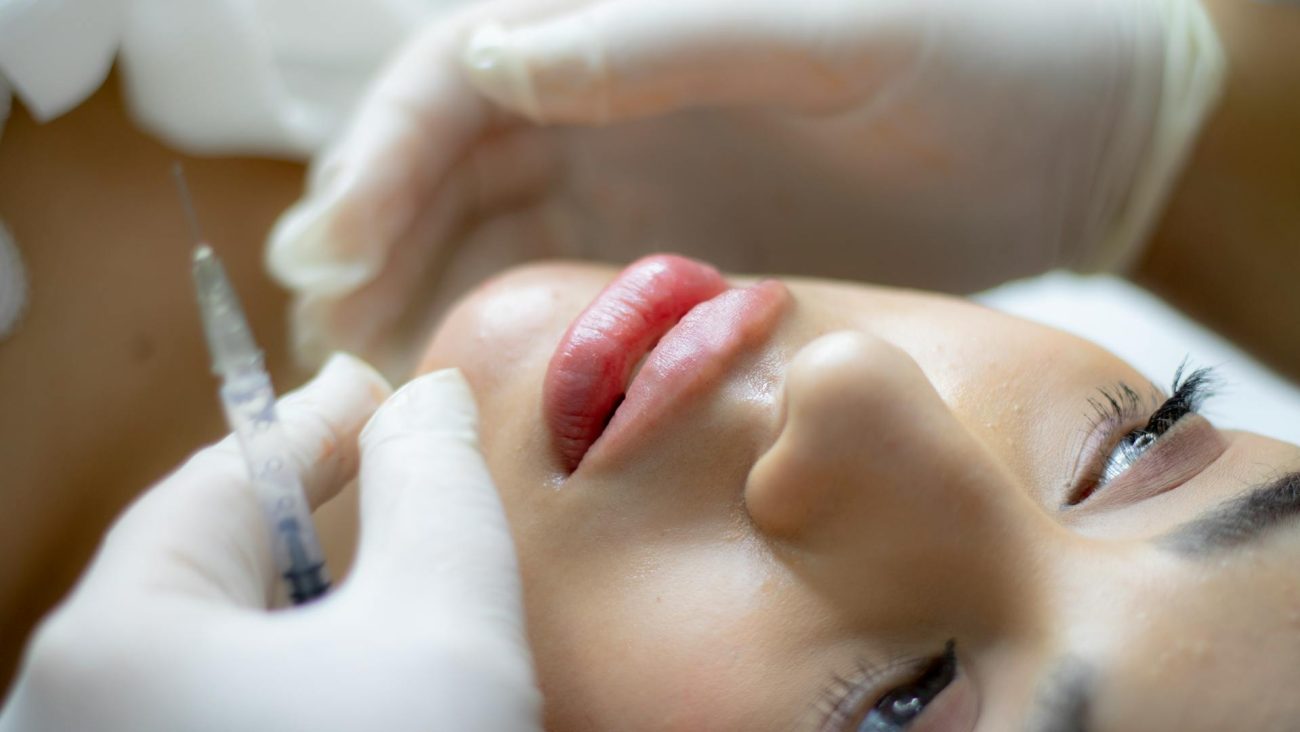
Cara paling berkesan untuk mencegah penghijrahan pengisi—dan komplikasi serius lain—adalah dengan memilih a klinik estetik yang diperakui dengan betul dan diawasi secara perubatan dari awal lagi. Di Malaysia, di mana perubatan estetik dikawal oleh Kementerian Kesihatan (KKM), keputusan ini boleh membuat perbezaan antara hasil yang selamat, semula jadi dan penyesalan jangka panjang.
Inilah yang perlu dicari:
- Klinik Berdaftar KKM Sahaja: Memastikan klinik berdaftar secara rasmi dengan Kementerian Kesihatan Malaysia dan mematuhi piawaian perubatan yang ketat. Elakkan salun kecantikan tidak berlesen atau rawatan bawah meja.
- Doktor Estetik Diperakui LCP: Pilih pengamal dengan pensijilan LCP (Letter of Credentialing and Privileging)—keperluan undang-undang di Malaysia untuk melaksanakan prosedur estetik. Para profesional ini dilatih dalam anatomi muka, pengurusan komplikasi, dan protokol kebersihan perubatan.
Kawal Keputusan Anda dengan Memilih Kepakaran dan Keselamatan
Penghijrahan pengisi adalah risiko rawatan pengisi kulit yang diketahui tetapi boleh dicegah. Dengan teknik yang betul, pemilihan produk dan penjagaan selepas pesakit, kebanyakan kes boleh dielakkan.
Jika anda bimbang tentang penghijrahan pengisi atau sedang mempertimbangkan suntikan untuk kali pertama, sentiasa berunding dengan pembekal yang dipercayai. Pada Klinik Dr Chong, peneraju klinik estetik di Malaysia yang dipercayai, kami menawarkan rawatan yang diperibadikan dan selamat dari segi perubatan yang dilakukan oleh doktor yang diperakui LCP. Tempah perundingan anda hari ini dan ambil langkah pertama ke arah keputusan semula jadi yang meningkatkan keyakinan.
Sebagai tambahan kepada pengisi kulit, kami menawarkan spektrum penuh pilihan bukan pembedahan lanjutan untuk menyokong peremajaan dan keseimbangan kulit secara keseluruhan, termasuk:
- Pengelupasan kimia di Malaysia untuk menghaluskan tekstur dan membuka pori-pori
- Rawatan Muka Oxy di Malaysia untuk penghidratan dan cahaya yang lembut
- Penyingkiran rambut laser kekal di Malaysia untuk rupa yang licin dan bebas penyelenggaraan
- Laser Kuning dan Hijau di Malaysia untuk pigmentasi dan kemerahan
Soalan Lazim
1. Bolehkah pengisi berhijrah bergerak sendiri tanpa rawatan?
Dalam sesetengah kes ringan, pengisi mungkin beralih sedikit dan mengendap dari semasa ke semasa tanpa campur tangan. Walau bagaimanapun, apabila ketulan atau herotan yang kelihatan wujud, ia tidak mungkin dapat diselesaikan sepenuhnya dengan sendirinya. Dalam kes ini, penilaian perubatan disyorkan.
2. Bagaimanakah doktor merawat migrasi pengisi?
Rawatan bergantung pada lokasi dan keterukan. Untuk pengisi asid hyaluronik, pendekatan yang paling biasa ialah melarutkan produk menggunakan hyaluronidase. Dalam sesetengah kes, urutan atau suntikan lanjut boleh membantu membetulkan asimetri kecil.
3. Bolehkah solekan atau penjagaan kulit menyebabkan pengisi berhijrah?
Walaupun penjagaan kulit dan solek tidak secara langsung menyebabkan penghijrahan, tekanan muka yang berlebihan semasa pembersihan atau urutan muka, terutamanya dalam 48 jam pertama, boleh meningkatkan risiko. Adalah lebih baik untuk mengelakkan rawatan muka, urutan atau tekanan pada kawasan yang dirawat pada hari-hari selepas prosedur anda.
4. Adakah pemindahan pengisi lebih biasa selepas beberapa sesi?
Ya, sesi pengisi berulang-terutamanya tanpa membenarkan pengisi sebelumnya memetabolisme atau melarut sepenuhnya-boleh meningkatkan risiko penghijrahan. Itulah sebabnya penting untuk menjarakkan sesi dengan sewajarnya dan berunding dengan doktor estetik anda sebelum rawatan semula.