

Jerawat Kulat: Punca, Gejala dan Rawatan Terbaik di Malaysia


Fungal acne is one of those frustrating skin conditions that’s often mistaken for bacterial acne such as blackheads, but it’s actually quite different. Despite its name, fungal acne isn’t really acne at all. It’s caused by an overgrowth of yeast on the skin, not bacteria, which means traditional acne treatments like salicylic acid or benzoyl peroxide often don’t work.
If you’ve been struggling with persistent breakouts that don’t respond to your usual skincare routine, you might be dealing with fungal acne. In this guide, we’ll break down what it is, how to recognise it, what causes it, and the best ways to treat it both at home and with professional care in Malaysia.
What Is Fungal Acne?
Fungal acne, medically known as Malassezia folliculitis or pityrosporum folliculitis, is a skin condition caused by an overgrowth of Malassezia, a type of yeast that naturally lives on our skin. When this yeast multiplies excessively, it inflames the hair follicles, leading to clusters of itchy, uniform bumps that look like acne but behave differently.
Unlike bacterial acne, which is often linked to clogged pores and excess oil, fungal acne is more about an imbalance in the skin’s microbiome. Because of this, it requires a different treatment approach. Identifying and addressing the root cause, yeast overgrowth, is key to clearing breakouts effectively and preventing them from coming back.
Common Signs and Symptoms
Fungal acne can be tricky to identify, but there are some key signs that set it apart from typical acne. You may be dealing with fungal acne if you notice persistent, itchy breakouts that don’t respond to regular acne treatments, especially if they appear in clusters or flare up in hot, humid weather.
- Small, itchy bumps that look similar in size and shape
- Clusters of breakouts on the forehead, chest, back, or shoulders
- Worsening after sweating or wearing tight clothing
- Lack of improvement with standard acne treatments
- A mix of whiteheads and pustules without deep cysts
Because fungal acne thrives in warm, humid environments, it’s especially common in Malaysia’s tropical climate and tends to flare up after workouts, sweating, or wearing tight, non-breathable clothing.
Fungal Acne vs. Bacterial Acne: Key Differences
It’s easy to confuse fungal acne with bacterial acne such as comedonal acne, nodular acne, or jerawat kistik, but understanding the differences is crucial for effective treatment. Fungal acne is caused by an overgrowth of Malassezia yeast, whereas bacterial acne is caused by Cutibacterium acnes.
It typically appears as small, uniform, itchy bumps and is often found on the forehead, chest, back, or shoulders. Bacterial acne, on the other hand, presents as a mix of pustules, papules, or cysts and is more common on the face, jawline, and chin.
Fungal acne is usually triggered by heat, humidity, excessive sweating, or antibiotic use, while bacterial acne is linked to hormones, excess sebum, and clogged pores. One of the biggest differences is how each type responds to treatment.
Fungal acne does not improve with conventional acne products like benzoyl peroxide or retinoids, whereas bacterial acne often does. If you have tried multiple acne facials or treatments without success, there is a good chance fungal acne might be the underlying issue.
What Causes Fungal Acne?
Several factors can contribute to yeast overgrowth and trigger fungal acne, often working together to create the perfect conditions for breakouts:
1. Excess Sweat and Humidity
Hot, humid climates create ideal conditions for yeast to multiply, which is why fungal acne is so common in tropical countries. Prolonged sweating, especially after exercise or heat exposure, can trap moisture on the skin. If you don’t shower or change into dry clothing quickly, this buildup can lead to Malassezia overgrowth and trigger itchy, uniform breakouts.
2. Tight or Non-Breathable Clothing
Wearing tight, synthetic fabrics such as gym wear or polyester traps sweat and heat against the skin. This moist environment encourages yeast to grow, especially on the back, shoulders, and chest, which are areas where fungal acne often appears. Opting for breathable, moisture-wicking fabrics can help prevent flare-ups.
3. Overuse of Antibiotics
While antibiotics are commonly prescribed for bacterial acne, prolonged use can disrupt your skin’s natural microbiome. This imbalance reduces the number of beneficial bacteria that keep yeast in check, allowing Malassezia to multiply uncontrollably and trigger fungal acne instead.
4. Oily Skincare and Hair Products
Heavy moisturisers, sunscreens, and certain hair products can worsen fungal acne because yeast feeds on the lipids (oils) in these products. This can also lead to oily skin, making it an ideal environment for Malassezia to thrive. Using formulations that are labelled “fungal acne-safe,” oil-free, or non-comedogenic can significantly reduce flare-ups.
5. Weakened Immune System or Hormonal Imbalance
A compromised immune system can make it harder for your body to control yeast growth, while hormonal changes such as puberty, pregnancy, or stress can alter sebum production and skin conditions. Both factors create a more hospitable environment for fungal overgrowth, leading to more frequent or severe breakouts.
Understanding these triggers is key to preventing and managing fungal acne. Addressing lifestyle factors, product choices, and underlying health conditions can make treatment far more effective.
Home Remedies for Fungal Acne
While fungal acne can be stubborn, incorporating the right care habits into your routine can help calm flare-ups and speed up healing. These remedies are ideal for managing mild cases and preventing them from getting worse:
- Shower promptly after sweating to remove yeast and oil buildup that fuel breakouts.
- Wear breathable fabrics to keep moisture from accumulating on the skin.
- Use antifungal body washes containing zinc pyrithione or ketoconazole to control yeast growth.
- Switch to lightweight, non-oily skincare products to avoid feeding the fungus.
- Exfoliate gently once or twice a week to remove dead skin cells and prevent buildup.
These steps can significantly reduce symptoms and promote a healthier skin balance. However, if breakouts remain persistent or keep recurring, seeking professional treatment is recommended.
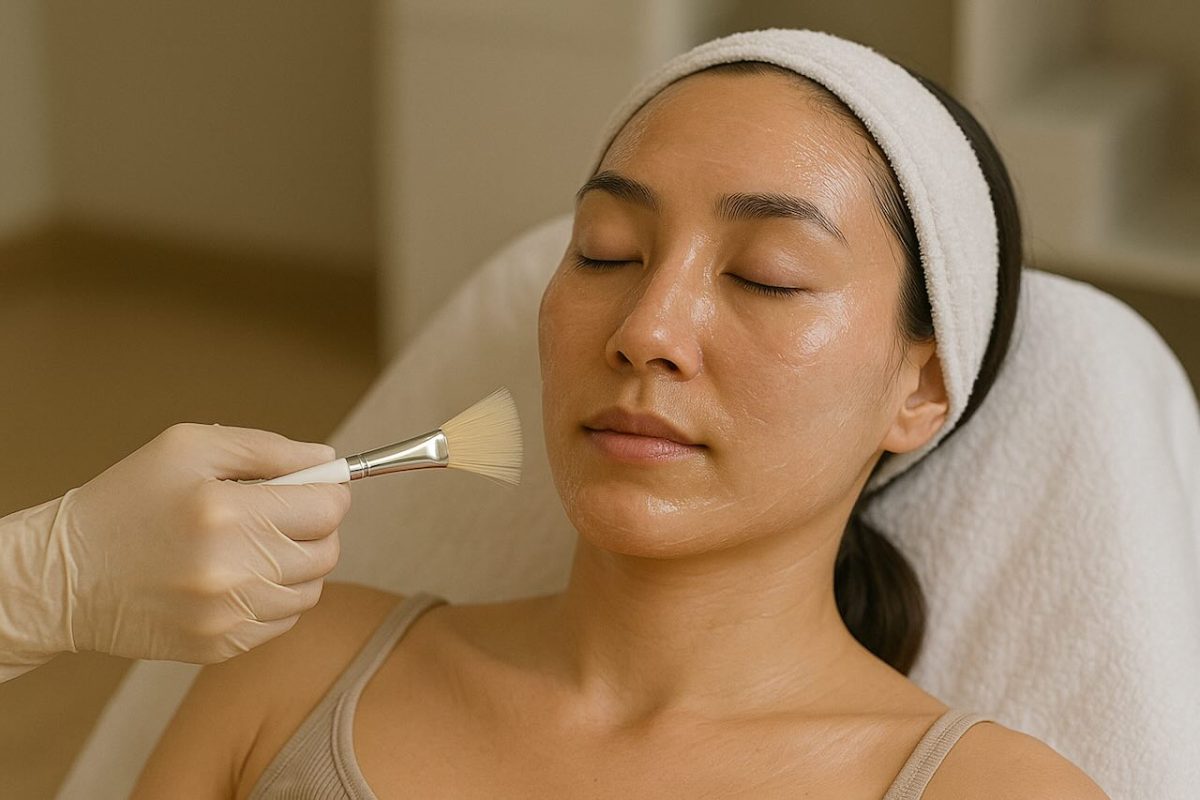
Professional Treatments for Fungal Acne in Malaysia
If home remedies aren’t effective, professional treatments offer faster, targeted, and longer-lasting results. Dermatologists can diagnose the condition, address underlying causes, and customise treatments to clear fungal acne, prevent future flare-ups, and improve overall skin health.
Topical Antifungal Treatments
Prescription-strength topical treatments containing ingredients like ketoconazole, clotrimazole, or ciclopirox are often the first step in treating fungal acne. They work by directly targeting the yeast overgrowth on the skin’s surface, reducing inflammation, and stopping further spread.
Oral Antifungal Medication
In more severe cases, dermatologists may recommend oral antifungal medications such as fluconazole or itraconazole. These work from within the body to control yeast overgrowth and are particularly effective for widespread breakouts. Oral medication is typically prescribed for a short course but delivers lasting results when combined with skincare.
Pengelupasan Kimia
A chemical peel is a highly effective treatment for fungal acne, especially when paired with antifungal therapy. Peels with glycolic or salicylic acid exfoliate dead skin cells, clear blocked follicles, and reduce surface oil, making skin less hospitable to yeast. They also boost cell turnover, improve skin tone, and help fade post-inflammatory hyperpigmentation (PIH).
Laser Skin Resurfacing
For those struggling with lingering marks, redness, or uneven textured skin caused by fungal acne, laser skin resurfacing can make a significant difference. These treatments work by stimulating collagen production, evening out pigmentation, and improving overall skin clarity. While they don’t target yeast directly, chemical peels can help restore smooth, healthy skin.
Hydrafacial or Oxy Facial
Gentle in-clinic facials like Hydrafacial atau Oxy Facial help maintain a healthy skin microbiome. They deeply cleanse, remove dead cells, unclog pores, and deliver targeted hydration, rebalancing the skin and reducing future fungal breakouts. These treatments are especially beneficial for sensitive skin needing a gentle, maintenance-focused solution.
Overall, combining antifungal medications with professional skincare treatments offers the most comprehensive approach to clearing fungal acne. A dermatologist can guide you toward the right combination of therapies to treat the root cause, restore your skin barrier, and keep future breakouts at bay.
Prevention Tips for Long-Term Results
Preventing fungal acne from returning is just as important as treating it. Consistency is key to keeping your skin balanced and yeast under control. Here’s how you can minimise the chances of future breakouts:
- Stick to a consistent skincare routine with antifungal or microbiome-balancing ingredients.
- Shower immediately after workouts or excessive sweating to prevent yeast from thriving.
- Use oil-free moisturisers and fungal-acne-safe sunscreens with the help of a pore-clogging checker to avoid feeding fungal growth.
- Avoid unnecessary antibiotic use unless prescribed, as it can disrupt the skin’s natural flora.
- Schedule regular skin rejuvenation treatments to deeply cleanse and maintain a healthy skin barrier.
With these preventive measures, you can keep your skin clear, balanced, and less prone to fungal acne over the long term. And if you’re still struggling despite at-home care, a dermatologist can offer tailored solutions for lasting results.
When to See a Dermatologist
It’s important to seek professional help if your breakouts don’t respond to standard over-the-counter acne treatments, especially if they are itchy, widespread, or keep coming back. You should also consult a dermatologist if you notice post-inflammatory hyperpigmentation (PIH) or post-inflammatory erythema (PIE) that doesn’t fade.
A dermatologist can accurately diagnose the condition, identify underlying triggers, and create a tailored treatment plan suited to your skin type and severity, helping you achieve clearer, healthier skin faster.

Treat Fungal Acne the Right Way
Fungal acne can be stubborn and frustrating, especially if you’ve been treating it like bacterial acne without success. The key is understanding its root cause, yeast overgrowth, and addressing it with targeted antifungal solutions rather than traditional acne treatments.
If you’re unsure whether your breakouts are fungal or bacterial, consulting a dermatologist is the best first step. With the right diagnosis and treatment plan, you can restore balance to your skin and achieve a clear, healthy complexion.
Hubungi Klinik Dr. Chong hari ini, one of Malaysia’s leading aesthetic and dermatology centres with multiple branches nationwide. Known for its LCP-certified specialists, advanced technologies, and customised treatment plans, Klinik Dr Chong provides expert care for fungal acne, acne scars, and more, helping you achieve long-lasting, healthier skin.
Soalan Lazim (Soalan Lazim)
1. How do I know if I have fungal acne?
Fungal acne usually appears as small, itchy, uniform bumps that often cluster on the forehead, chest, back, or shoulders.
2. What is the fastest way to get rid of fungal acne?
The fastest way is combining professional treatments with antifungal treatments prescribed by a dermatologist, such as topical ketoconazole or oral antifungal medication.
3. Why isn’t my acne treatment working?
If your breakouts are caused by yeast rather than bacteria, standard acne products like benzoyl peroxide or retinoids won’t work. This is a sign you might be dealing with fungal acne instead.
4. How long does it take to clear fungal acne?
With the right treatment, mild cases may improve within 2 to 4 weeks. Severe or recurring cases may take longer and require ongoing care to prevent flare-ups.
*Semua imej yang digunakan dalam artikel ini adalah dijana AI.


