

Herpes Genital: Punca, Gejala, Diagnosis dan Rawatan

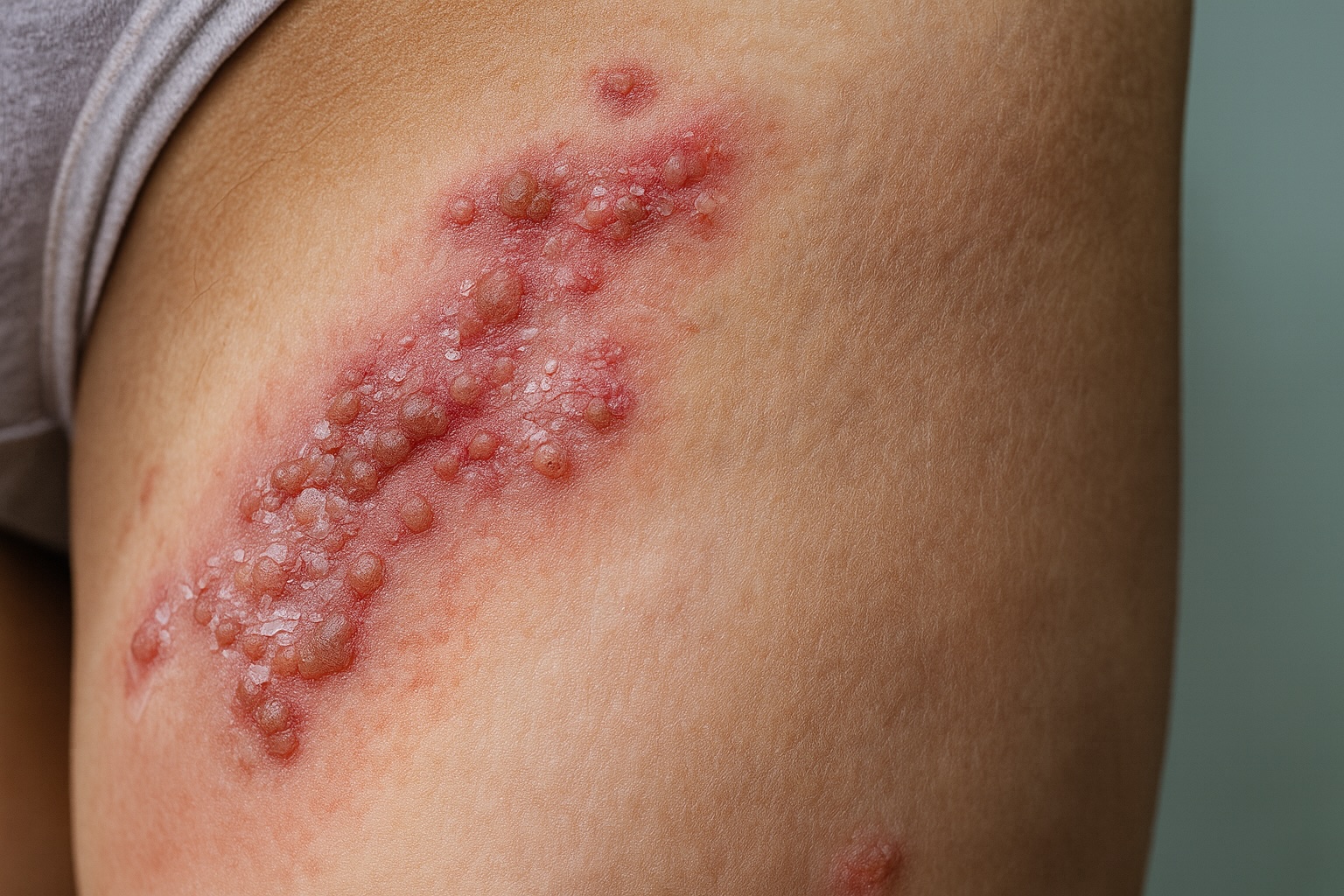
Genital herpes is one of the most common sexually transmitted infections worldwide. Genital herpes is caused by the herpes simplex virus (HSV) and spreads through direct skin-to-skin contact during sexual activity. Many people do not realise they have the virus because outbreaks can resemble mild rashes, yeast infections, or even symptoms of HPV.
Even without visible sores, herpes can still spread through asymptomatic shedding, which is a major reason the infection remains common. While there is no cure, modern treatments can control symptoms, reduce outbreaks, and lower transmission risk. Understanding how genital herpes spreads, appears, and is managed is essential for protecting sexual health.
What Causes Genital Herpes?
Genital herpes is caused by two strains of the herpes simplex virus. The virus enters through small skin breaks during sexual contact, settles in the nerve cells, and can reactivate or spread even when symptoms are mild or absent.
- HSV-1, typically associated with oral cold sores but increasingly responsible for genital infections
- HSV-2, the more common cause of genital herpes and is more likely to cause repeated outbreaks
The virus enters through small breaks in the skin or mucous membranes during sexual contact and then remains in the nerve cells for life. It may reactivate with stress, illness, or a weakened immune system. Genital herpes is an STI like HPV, chlamydia, or syphilis, but differs because it stays dormant in the nerves and can flare up over time.
How Genital Herpes Spreads
Genital herpes spreads through direct contact with infected skin, whether sores are present or not. The virus is most contagious during an outbreak, but asymptomatic shedding means transmission can still occur when the skin looks normal. Genital herpes can spread through:
- Vaginal, anal, or oral sex
- Skin contact with herpes sores or infected areas
- Oral-to-genital contact when cold sores are present
- Sharing sex toys without proper cleaning
It does not spread through casual contact such as hugging, touching objects, using towels, or sharing toilets. Pregnant women with an active herpes outbreak may also pass the virus to their baby during childbirth. This is why proper STI screening and management during pregnancy are crucial.
Symptoms of Genital Herpes
Symptoms of genital herpes vary widely between individuals. Some experience noticeable outbreaks, while others have symptoms so mild they are mistaken for irritation or razor burn. Many people with genital herpes are unaware they have an STI until they undergo testing.
Primary Herpes Outbreak
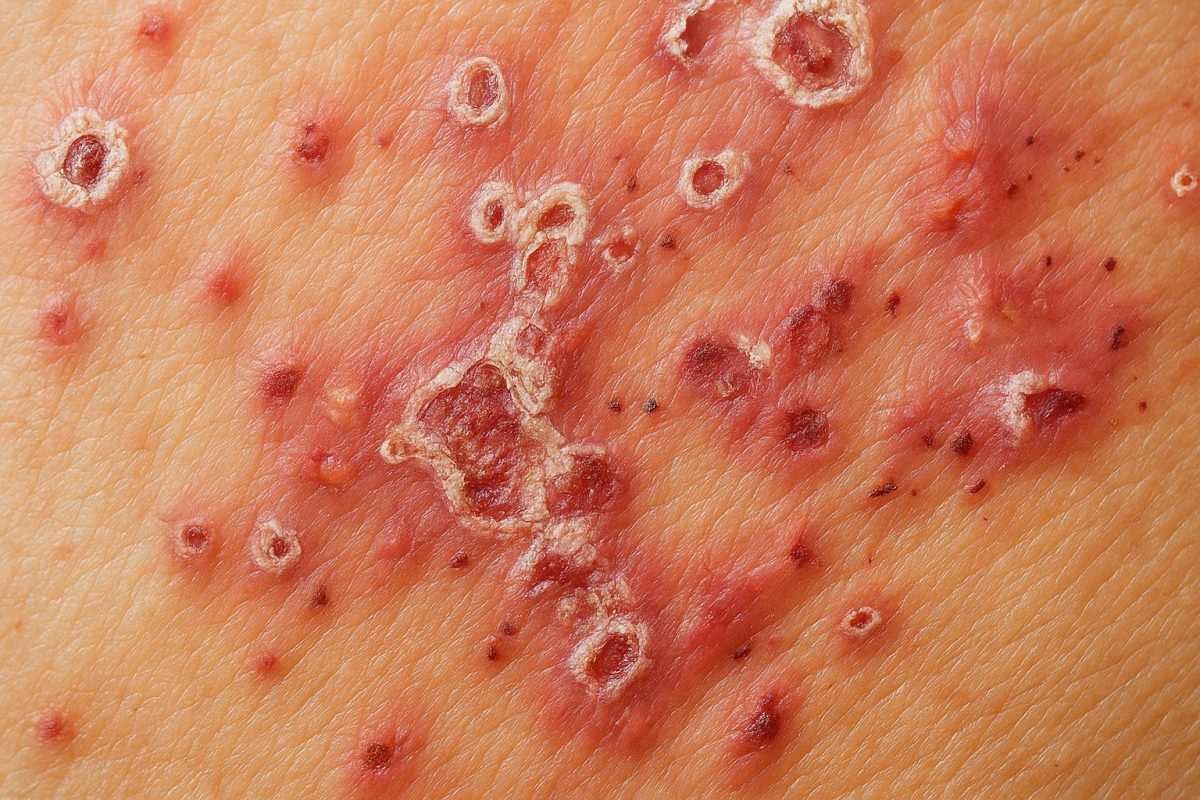
The first outbreak is usually the most severe, with painful blisters or sores on the genitals, anus, or nearby skin. Burning, tingling, itching, and painful urination may occur, along with flu-like symptoms. The blisters break into shallow ulcers that heal within one to three weeks. This initial episode often lasts longer and feels more intense than later outbreaks.
Recurrent Outbreaks
After the initial episode, the virus becomes dormant in the nerve cells but can reactivate. Recurrent outbreaks are generally milder and shorter than the first. They may be triggered by illness, stress, menstruation, fatigue, or a weakened immune system. Some individuals experience outbreaks each year, while others may go long periods without any symptoms.
Mild or Hidden Symptoms
Many people with genital herpes experience very mild symptoms that are easy to overlook. These may include tiny skin fissures, mild itching, occasional discomfort, or slight tingling sensations. Such signs are often mistaken for ingrown hairs, dry skin, allergic reactions, or mild fungal infections, which is why many individuals do not realise they carry the virus.
Possible Complications
While genital herpes is not life-threatening for most adults, complications can occur, especially without proper management. Possible complications include:
- Painful urination during outbreaks
- Increased risk of acquiring other STIs, including HIV
- Emotional distress or anxiety
- Neonatal herpes in newborns exposed during childbirth
Although HPV and herpes are both viral jangkitan seksual, herpes outbreaks are more likely to cause open sores, which can increase vulnerability to other infections.
How Genital Herpes Is Diagnosed
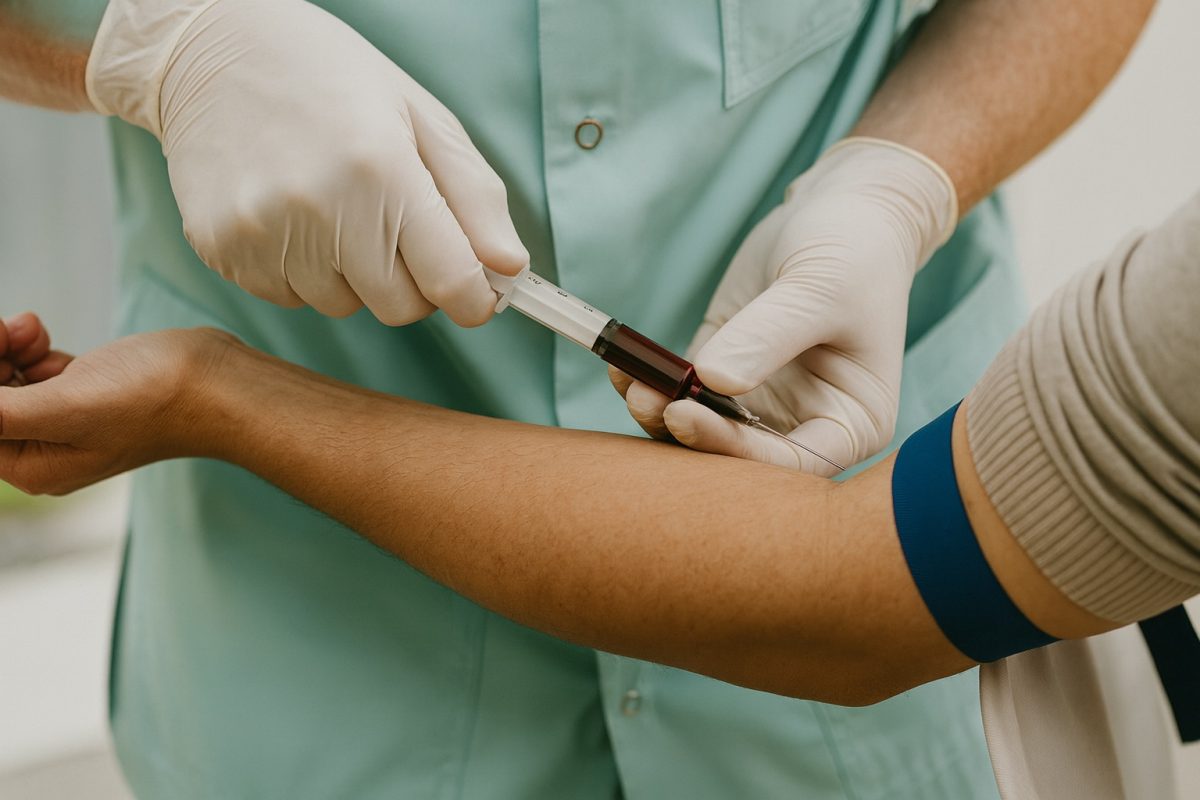
Accurate diagnosis is important for proper treatment and reducing the risk of transmission. Diagnosis may include:
- Clinical examination: A doctor visually assesses the affected area for typical blisters, sores, or skin changes.
- Swab test: A sample taken from an active sore is tested to confirm the presence of the herpes virus.
- Blood tests: These tests detect antibodies for HSV-1 and HSV-2, which is helpful when no sores are visible.
- PCR testing: A highly sensitive test that identifies viral DNA, often used when the diagnosis is unclear or when symptoms are atypical.
Testing is especially important for individuals who may confuse herpes symptoms with those of HPV or other STIs.
Treatment Options for Genital Herpes
Managing genital herpes involves controlling symptoms, reducing outbreaks, and lowering transmission risk. While there is no cure, modern treatments help most people live comfortably. Early diagnosis, proper care, and healthy habits improve long-term outcomes and support confident self-management.
Ubat Antivirus
Antiviral medicines such as acyclovir, valacyclovir, and famciclovir are the main treatments for genital herpes. They can be taken during outbreaks to speed healing and ease symptoms. For those with frequent recurrences, daily suppressive therapy may be recommended to reduce outbreaks and lower transmission risk.
Pain Relief
During active outbreaks, many individuals experience pain or discomfort from open sores. Warm baths, cool compresses, and over-the-counter pain relievers such as ibuprofen or paracetamol can help provide relief. Topical numbing gels or ointments may also be used to ease burning or stinging, especially during urination.
Lifestyle Measures
Simple lifestyle habits can help with healing and reduce outbreaks. Adequate sleep, stress control, and good overall health support the immune system. Avoiding friction, wearing comfortable clothing, and keeping the area clean and dry reduces irritation. Good hygiene and avoiding sex during outbreaks also minimises discomfort and transmission.
Overall Treatment Approach
Medication works best when combined with healthy daily habits and awareness of personal triggers. By following a consistent treatment plan and making thoughtful lifestyle adjustments, individuals can significantly improve comfort and minimise the impact of genital herpes on their quality of life.
Preventing Genital Herpes
While herpes cannot be fully prevented, the risk can be significantly reduced. Key preventive steps include:
- Consistent condom use
- Avoiding sexual activity during outbreaks
- Taking daily antiviral medication if recommended
- Limiting the number of sexual partners
- Ensuring both partners are tested for sexually transmitted diseases and infections
Although condoms lower the risk, they do not cover all areas where sores may appear.
Living With Genital Herpes
A genital herpes diagnosis can be emotionally challenging, but many people live completely normal lives with the infection. Outbreaks often become less frequent over time, and medication can greatly reduce symptoms. Emotional support, education, and open communication with partners can also help reduce anxiety.
Get Professional Care for Genital Herpes
Genital herpes is a common STI, but with proper diagnosis, treatment, and lifestyle management, individuals can effectively control symptoms and reduce transmission. Early testing is essential, especially if you notice sores, blisters, or unexplained irritation.
For confidential STI testing, accurate diagnosis, and effective treatment, Klinik Dr Chong provides professional, discreet medical care. Our experienced doctors offer personalised plans to help you manage genital herpes confidently and safely. Take charge of your sexual health. Book your private appointment with Dr Chong Clinic today.
Soalan Lazim (Soalan Lazim)
1. Can genital herpes spread even without symptoms?
Yes. The virus can be shed from the skin even when no sores are present. This is called asymptomatic shedding and is a common way herpes spreads.
2. What is the difference between herpes and HPV?
Herpes causes blisters and sores, while HPV causes genital warts or cervical cell changes. Both are viral STIs, but they behave and spread differently.
3. Is genital herpes curable?
No. There is no cure, but antiviral medication can control outbreaks, reduce symptoms, and lower transmission risk.
4. How soon after exposure do herpes symptoms appear?
Symptoms usually appear within two to twelve days after exposure, but some people may take longer or experience very mild signs that go unnoticed.
*All images in this article are AI-generated.


One thought on “Genital Herpes: Causes, Symptoms, Diagnosis, and Treatment”
Comments are closed.