

What Causes Genital Swelling? Symptoms, Testing, and How to Get Relief


Genital swelling is a common issue that can affect anyone. It refers to inflammation or enlargement of the vulva, vagina, penis, scrotum, testicles, or surrounding tissues. While mild swelling may be temporary or harmless, persistent or severe swelling can signal infection, irritation, allergic reactions, or underlying medical conditions.
Genital swelling can be uncomfortable or painful, so understanding the causes and knowing when to seek medical care is important. Swelling may result from sexually transmitted diseases or infections, hormonal changes, trauma, or inflammation. Early diagnosis and treatment help prevent complications and protect long-term sexual health.
Genital swelling should never be ignored, especially if it appears suddenly, worsens quickly, or is accompanied by pain, discharge, or fever. Knowing what to look for allows individuals to take quick action and get the appropriate care.
What Causes Genital Swelling?
Genital swelling can have many different causes. Some are mild and easily treated, while others require medical attention to prevent complications.
1. Sexually Transmitted Infections (STIs)
Several jangkitan seksual (STI) can cause swelling in the genital area due to inflammation or infection. Herpes simplex virus (HSV) often leads to painful blisters or ulcers that cause swelling and tenderness, along with early symptoms such as itching, burning, or flu-like discomfort.
Gonorrhoea and chlamydia can inflame the urethra or reproductive organs, causing pelvic or vulvar swelling in women and testicular swelling in men. Syphilis may produce painless chancres with surrounding irritation, while trichomoniasis can lead to vulvar swelling, itching, and abnormal discharge.
2. Yeast Infections
An overgrowth of Candida fungus can cause swelling of the vulva or penis, accompanied by itching, redness, and thick white discharge. Yeast infections are common after antibiotic use or hormonal changes. They typically respond well to antifungal treatment when diagnosed early.
3. Allergic Reactions or Irritation
Soaps, lubricants, latex condoms, detergents, or scented products can trigger irritation or allergic reactions. This may lead to sudden swelling, redness, or itching. Identifying and avoiding the irritant usually helps symptoms resolve quickly.
4. Trauma or Injury
Friction from sex, vigorous physical activity, shaving cuts, or tight clothing can irritate the skin and cause temporary swelling. Swelling from minor trauma usually resolves on its own. Resting the area and avoiding further friction speeds up healing.
5. Insect Bites or Stings
Bites in the genital region may cause local swelling and itching, especially in individuals with sensitive skin. These reactions are typically mild but can be uncomfortable or alarming.
6. Hormonal Changes
Pregnancy, menstruation, and hormonal contraception can cause fluid retention and temporary swelling in the genital area. These hormonal shifts often come with other symptoms, such as sensitivity or mild discomfort.
7. Infections of the Hair Follicles or Skin
Conditions such as folliculitis, abscesses, or skin infections can produce painful swelling, especially when bacteria enter the hair follicles. Without treatment, some infections may worsen or form larger painful lumps.
8. Epididymitis or Orchitis in Men
Inflammation of the epididymis or testicles may cause significant scrotal swelling, pain, and redness. This condition is often linked to STIs or urinary infections. Prompt treatment is important to prevent long-term complications or fertility issues.
9. Bartholin’s Cyst in Women
Bartholin’s glands, located on each side of the vaginal opening, can become blocked or infected. This causes painful swelling near the vulva and may require medical drainage. Larger cysts may interfere with walking, sitting, or sexual activity.
Symptoms That May Accompany Genital Swelling
Genital swelling often occurs alongside other symptoms that can help identify the underlying cause. These additional signs can range from mild irritation to more serious indicators of infection. Paying attention to these changes is important, as they can guide when to seek medical care.
- Pain or tenderness: Common with infections, trauma, or inflammation, and severe pain may indicate an urgent issue.
- Itching or burning: Often linked to allergic reactions, yeast infections, or certain STIs.
- Redness or warmth: Usually caused by increased blood flow during inflammation.
- Genital discharge: May suggest bacterial or parasitic infections such as gonorrhoea, chlamydia, or trichomoniasis.
- Blisters, sores, or ulcers: Can signal herpes, syphilis, or skin infections.
- Fever or fatigue: May mean the infection is spreading or becoming more severe.
- Painful urination: Occurs when the urethra or surrounding skin is inflamed.
- Enlarged groin lymph nodes: Often a sign of infection, especially when sores or discharge are present.
Any combination of these symptoms should be assessed by a healthcare provider to determine the cause and begin appropriate treatment.
How Genital Swelling Is Diagnosed
Accurate diagnosis is important for effective treatment. Doctors may use the following methods:
- Medical history review to assess recent sexual activity, exposures, allergies, or injuries
- Physical examination of the affected area
- Swab tests for STIs such as chlamydia, gonorrhoea, trichomoniasis, or herpes
- Urine tests to detect infections in the urinary tract
- Blood tests to identify syphilis, HIV, or other conditions
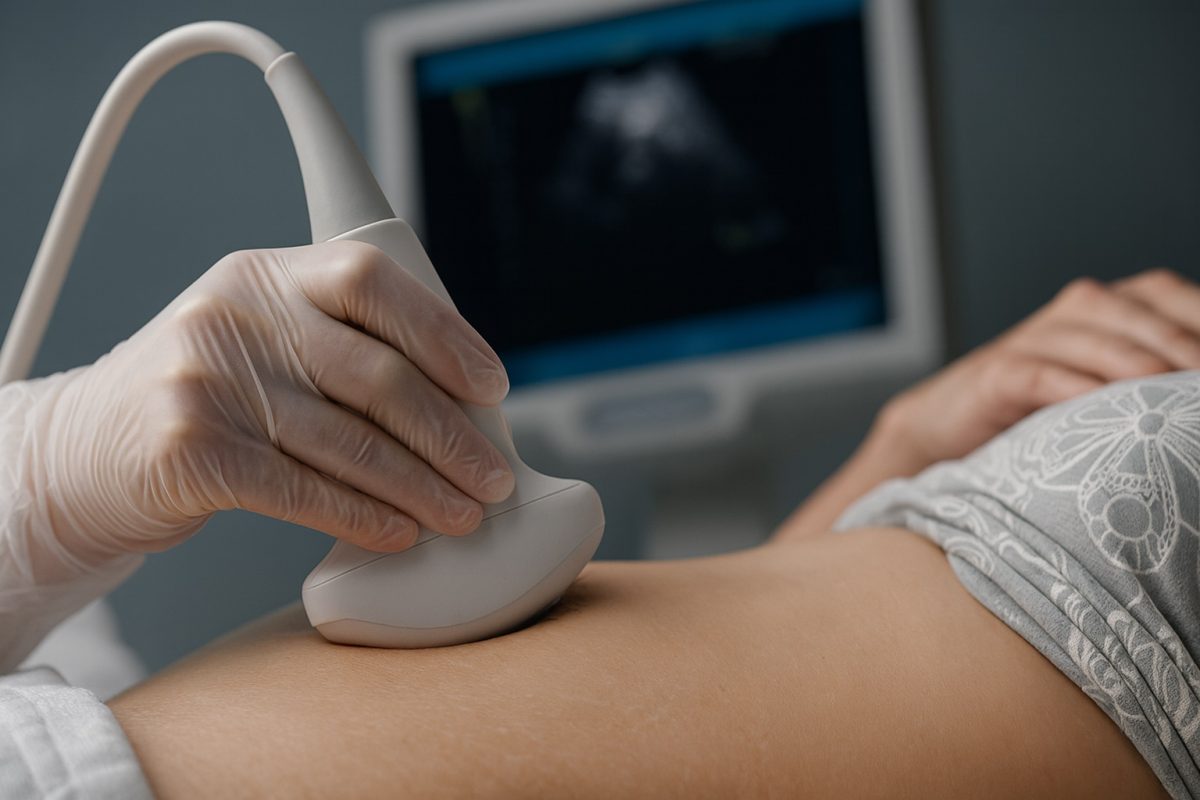
- Ultrasound for suspected testicular or pelvic issues
- Biopsy if an unusual lump or lesion is present
Prompt diagnosis helps determine the correct treatment and reduces the risk of complications or transmission of infectious causes.
Treatment Options for Genital Swelling
Treatment for genital swelling depends on the underlying cause and the severity of symptoms. Bacterial infections such as gonorrhoea, chlamydia, PID, syphilis, or skin infections are treated with antibiotics, while yeast infections or fungal conditions require antifungal medication.
Herpes-related swelling is managed with antiviral medicines that reduce pain and speed healing. Anti-inflammatory medication may be prescribed to relieve pain and decrease inflammation. Simple measures such as cold compresses or warm sitz baths can ease swelling from irritation, trauma, or cysts.
Avoiding irritants and using gentle, fragrance-free products can help prevent recurring symptoms. If an STI is the cause, sexual partners may also need testing and treatment to prevent reinfection. With proper care, most cases of genital swelling improve quickly once the root cause is treated.
Petua Pencegahan
You can lower your risk of genital swelling by practising safe sex with condoms, getting regular STI testing, and avoiding scented or harsh products that may irritate the skin. Wearing breathable underwear, keeping the genital area clean and dry, and avoiding tight clothing or excessive friction can also help prevent irritation.
Urinating after sex and managing allergies or skin sensitivities further reduces the risk of swelling. Maintaining good sexual health habits plays an important role in preventing infections and irritation that commonly cause swelling.
Bila Nak Jumpa Doktor
Seek medical care if you develop sudden swelling, severe pain, fever, or swelling with discharge or sores. You should also get checked if symptoms appear after unprotected sex, the swelling worsens, or you develop testicular pain or lumps. Early evaluation ensures proper treatment and reduces complications.

Early Diagnosis Makes a Difference
Genital swelling can be alarming, but most causes are treatable with timely and accurate care. Whether the swelling is due to an STI, irritation, injury, or a skin condition, early diagnosis helps ensure faster recovery, fewer complications, and better long-term sexual health.
If you are experiencing swelling or want confidential STI testing, Klinik Dr Chong provides expert diagnosis, personalised treatment options, and discreet, compassionate care. Take charge of your health today and book your private consultation with Dr Chong Clinic.
Soalan Lazim (Soalan Lazim)
1. Is genital swelling always caused by an STI?
No. STIs such as herpes, gonorrhoea, and chlamydia can cause swelling, but many non-STI factors can also be responsible. These include yeast infections, allergic reactions, trauma, hormonal changes, or cysts. A medical exam is needed to identify the exact cause.
2. When should I see a doctor for genital swelling?
You should see a doctor if the swelling appears suddenly, becomes very painful, or is accompanied by fever, sores, or discharge. You should also get checked if the swelling occurs after unprotected sex. Men with testicular pain or lumps should seek immediate care.
3. Can genital swelling go away on its own?
Mild swelling from irritation, shaving, tight clothing, or friction may go away without treatment. Swelling caused by infections, including STIs, yeast infections, or skin infections, requires proper medical treatment to avoid complications.
4. How is genital swelling treated?
Treatment depends on the cause. Bacterial infections are treated with antibiotics, fungal infections with antifungal medication, and viral infections such as herpes with antiviral medication. Cold compresses, warm sitz baths, and avoiding irritants can also help reduce discomfort.
*Semua imej yang digunakan dalam artikel ini adalah dijana AI.


