

Genital Ulcers: Causes, Symptoms, Diagnosis, Treatment, and Prevention

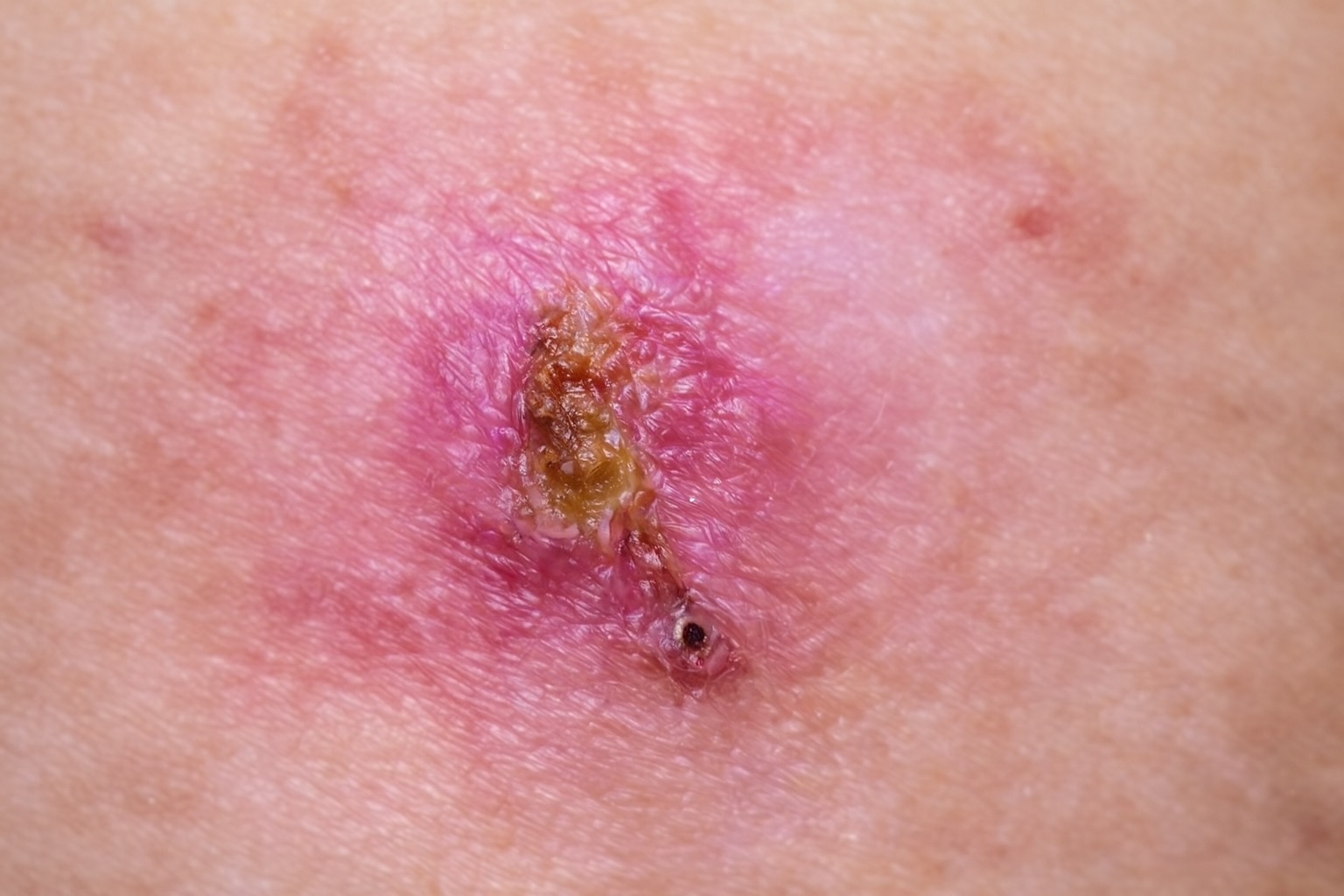
Genital ulcers are open sores on the genital or anal area that may be painful or painless, shallow or deep, and appear alone or in clusters. They can be caused by infections or non-infectious conditions, such as inflammation or allergies. Because many ulcers look similar, proper medical evaluation is necessary for accurate diagnosis and treatment.
Many genital ulcers are caused by jangkitan seksual like herpes and syphilis, but others result from non-infectious conditions such as Behçet’s disease, allergies, or friction. Understanding the causes, recognising early signs, and seeking prompt care helps prevent complications, reduce STD or STI transmission, and protect sexual health.
Genital ulcers can affect anyone sexually active. They may appear suddenly, causing significant discomfort or leading to worry and embarrassment. Fortunately, most causes of genital ulcers are treatable with the right medical care. Knowing what to look for and when to seek help is the first step toward proper healing.
What Causes Genital Ulcers?
Genital ulcers can develop from a range of infectious and non-infectious conditions. Identifying the correct cause is crucial because each condition requires a different treatment approach. Early evaluation helps ensure proper management and reduces the risk of complications.
1. Herpes Simplex Virus (HSV)
HSV is one of the most common causes of genital ulcers. It spreads through skin-to-skin contact and often begins with painful blisters that break into shallow, tender sores. Tingling, burning, or flu-like symptoms may also occur. Because HSV is lifelong and can reactivate, recognising early signs is important for timely treatment and reducing transmission.
2. Syphilis
Syphilis, caused by Treponema pallidum, produces a single, firm, painless ulcer called a chancre during the primary stage. Because it may appear in hidden areas such as the cervix, anus, or inner foreskin, many people do not notice it before it heals on its own. Even after the chancre disappears, the infection remains active and continues to progress.
3. Chancroid
Chancroid is a bacterial STD caused by Haemophilus ducreyi that produces painful, soft ulcers with irregular borders. Although less common worldwide today, it remains a cause of genital ulcers in certain regions. The ulcers may be accompanied by swollen, tender lymph nodes, and without treatment, they can worsen or spread.
4. Lymphogranuloma Venereum (LGV)
LGV is caused by specific strains of Chlamydia trachomatis. It often begins with a small, painless ulcer that may go unnoticed, followed by painful, swollen lymph nodes (buboes) in the groin. If untreated, LGV can lead to long-term tissue damage, making early detection and antibiotics crucial for preventing complications.
5. Non-Infectious Causes
Not all genital ulcers are sexually transmitted. They may result from Behçet’s disease, allergies, drug reactions, shaving trauma, or autoimmune conditions. Because they can look similar to infectious ulcers, proper medical testing is essential for accurate diagnosis and appropriate treatment.
Symptoms of Genital Ulcers
Symptoms vary depending on the underlying cause, but several common features can help indicate the presence of a genital ulcer.
Open Sores or Lesions
Ulcers may be round or oval, shallow or deep, and may have red, yellow, or grey bases. They can appear on the vulva, penis, scrotum, perineum, vagina, cervix, or anus. The size and appearance of the sore often provide important clues about the cause.
Pain or Tenderness
Some ulcers, such as those from herpes or chancroid, are painful, while syphilis chancres are usually painless. Pain level can vary greatly between individuals and may worsen with friction or contact.
Swollen Lymph Nodes
Lymph nodes in the groin may swell or feel tender, especially with infections like LGV or herpes. This swelling is often the body’s response to infection spreading through nearby tissues.
Discharge or Odour
Ulcers may ooze fluid, bleed, or develop a foul smell if infected. Persistent discharge is often a sign that the ulcer requires medical treatment.
Systemic Symptoms
Certain infections may cause fever, fatigue, headaches, or muscle aches, and herpes often begins with flu-like symptoms before ulcers appear. These general symptoms suggest the infection is affecting more than just the skin.
Itching or Burning
Some ulcers cause itching, irritation, or burning sensations. These symptoms can make the area highly uncomfortable, especially when walking or during sexual activity.
Any new sore in the genital area should be evaluated, especially if it appears after unprotected sex or is accompanied by other sexually transmitted disease or infection symptoms. Early assessment helps ensure proper treatment and prevents complications.
How Genital Ulcers Are Diagnosed
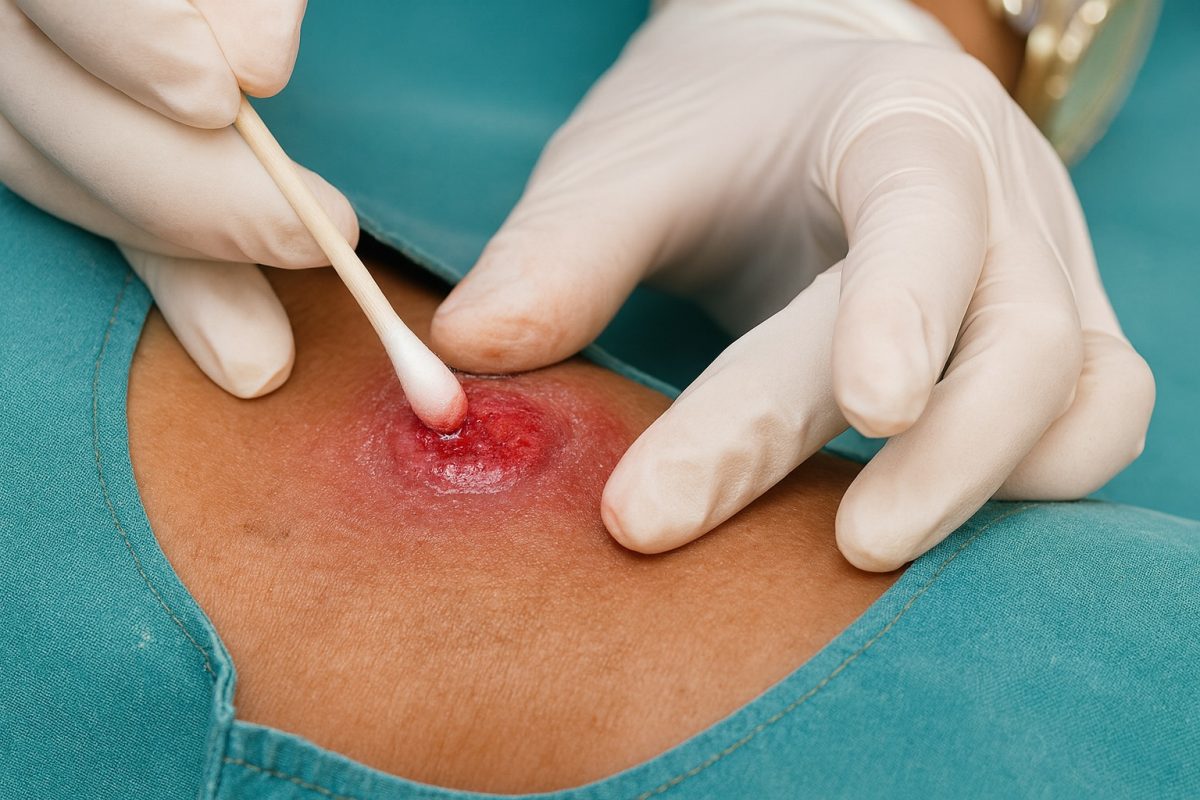
Because many conditions produce similar-looking ulcers, diagnosis involves both examination and laboratory testing. Common diagnostic methods include:
- Medical Examination: A doctor visually inspects the ulcer, evaluates its characteristics, and checks for swollen lymph nodes.
- Swab Tests: Fluid or tissue from the ulcer is collected to test for HSV, syphilis bacteria, chancroid, or other pathogens.
- Blood Tests: Blood samples can detect infections such as syphilis, HIV, and certain types of herpes.
- PCR Testing: Highly sensitive tests that identify viral DNA, useful when the ulcer is small, atypical, or difficult to diagnose.
- Biopsy: A small tissue sample may be taken when the ulcer appears unusual, recurs frequently, or does not respond to treatment.
Prompt diagnosis helps prevent complications and lowers the risk of transmitting infectious causes such as HSV or syphilis.
Treatment Options for Genital Ulcers
Treatment depends entirely on the underlying cause of the ulcer. Proper diagnosis ensures that the correct therapy is provided and prevents unnecessary or ineffective treatment.
Antiviral Medications
For herpes-related ulcers, antiviral medicines such as acyclovir, valacyclovir, or famciclovir help speed healing, reduce pain, and lower outbreak frequency. These medications can also decrease viral shedding, which helps reduce the risk of transmitting HSV to partners.
Antibiotics
Bacterial infections such as syphilis, chancroid, and LGV are treated with antibiotics. Early treatment prevents long-term complications and reduces the likelihood of spreading the infection to others.
Pain Relief
Warm baths, topical anaesthetics, or pain relievers can help reduce discomfort while the ulcer heals. Managing pain also improves daily comfort and allows the affected area to heal without additional irritation.
Wound Care
Keeping the area clean and dry supports faster healing. Avoiding friction, tight clothing, or shaving helps prevent irritation and reduces the chance of secondary infections.
Treatment of Underlying Conditions
For non-infectious causes like Behçet’s disease or allergic reactions, treatment may involve anti-inflammatory medication, corticosteroids, or eliminating irritants. Addressing the root cause ensures the ulcer heals properly and reduces the risk of recurrence.
Partner Treatment
If the ulcer is caused by an STD or STI, sexual partners may also require testing and treatment to prevent reinfection. Coordinating care with partners is an important step in controlling the spread of infectious diseases.
With proper care, most genital ulcers heal quickly and completely. Delayed treatment, however, can lead to complications and prolonged discomfort.
Complications of Genital Ulcers
Untreated genital ulcers can increase the risk of HIV, cause scarring, spread infections to partners, and lead to chronic pain or recurrent sores. In conditions like syphilis, they may also cause pregnancy complications, along with emotional stress and sexual discomfort. Early diagnosis and treatment help prevent these issues.
Preventing Genital Ulcers
Preventing genital ulcers involves lowering the risk of infections and reducing irritation to the genital skin. You can protect yourself by using condoms consistently, getting regular STI screenings, limiting the number of sexual partners, and avoiding sexual activity during ulcer outbreaks.
Keeping the genital area clean and dry, avoiding scented soaps or irritating products, and seeking prompt treatment for any suspicious symptoms further reduces your risk. The HPV vaccine and safe sexual practices also play an important role in preventing warts and other ulcer-causing infections.
When to Seek Medical Care
You should see a doctor if you notice a new sore or ulcer in the genital or anal area, experience pain, itching, discharge, or have swollen lymph nodes. Medical attention is also important after unprotected sex, during pregnancy, if lesions appear, or if ulcers keep returning. Prompt evaluation ensures accurate diagnosis and faster healing.

Start Healing With Proper Medical Support
Genital ulcers can be concerning, but they are often treatable once the cause is identified. Whether due to an STI or a non-infectious condition, early diagnosis and proper treatment help ensure quicker recovery and fewer complications. Safe sex, routine screenings, and symptom awareness are key to maintaining long-term sexual health.
If you notice ulcers, irritation, or any unusual changes, Klinik Dr Chong offers confidential STD and STI testing, accurate diagnosis, and personalised treatment. Our experienced doctors provide discreet, professional care to help you heal and protect your well-being.
Take the first step toward better sexual health. Hubungi Klinik Dr Chong hari ini.
Soalan Lazim (Soalan Lazim)
1. Are all genital ulcers caused by STDs or STIs?
No. While many genital ulcers are linked to STDs such as herpes, syphilis, chancroid, or LGV, some are caused by non-infectious conditions like allergic reactions, autoimmune disorders, or skin irritation. Proper testing is essential to determine the exact cause.
2. Can genital ulcers heal on their own?
Some ulcers, especially those caused by minor irritation or friction, may heal without treatment. However, ulcers caused by infections such as HSV or syphilis require medical treatment. Ignoring these ulcers can lead to complications or an increased risk of transmission.
3. Are genital ulcers contagious?
Many infectious causes of genital ulcers, such as herpes and syphilis, are highly contagious and can spread through sexual contact or skin-to-skin contact with the affected area. Non-infectious ulcers do not spread, but they may resemble contagious ones, making medical evaluation important.
4. When should I see a doctor for a genital ulcer?
You should seek medical care if you notice any new sore or ulcer on your genitals or anus, especially if it is painful, persistent, or appears after unprotected sex. Medical evaluation is also important if you have a fever, swollen lymph nodes, or recurring ulcers.
*Semua imej yang digunakan dalam artikel ini adalah dijana AI.


