

Understanding Hormonal Acne: Causes, Symptoms and Treatment Options

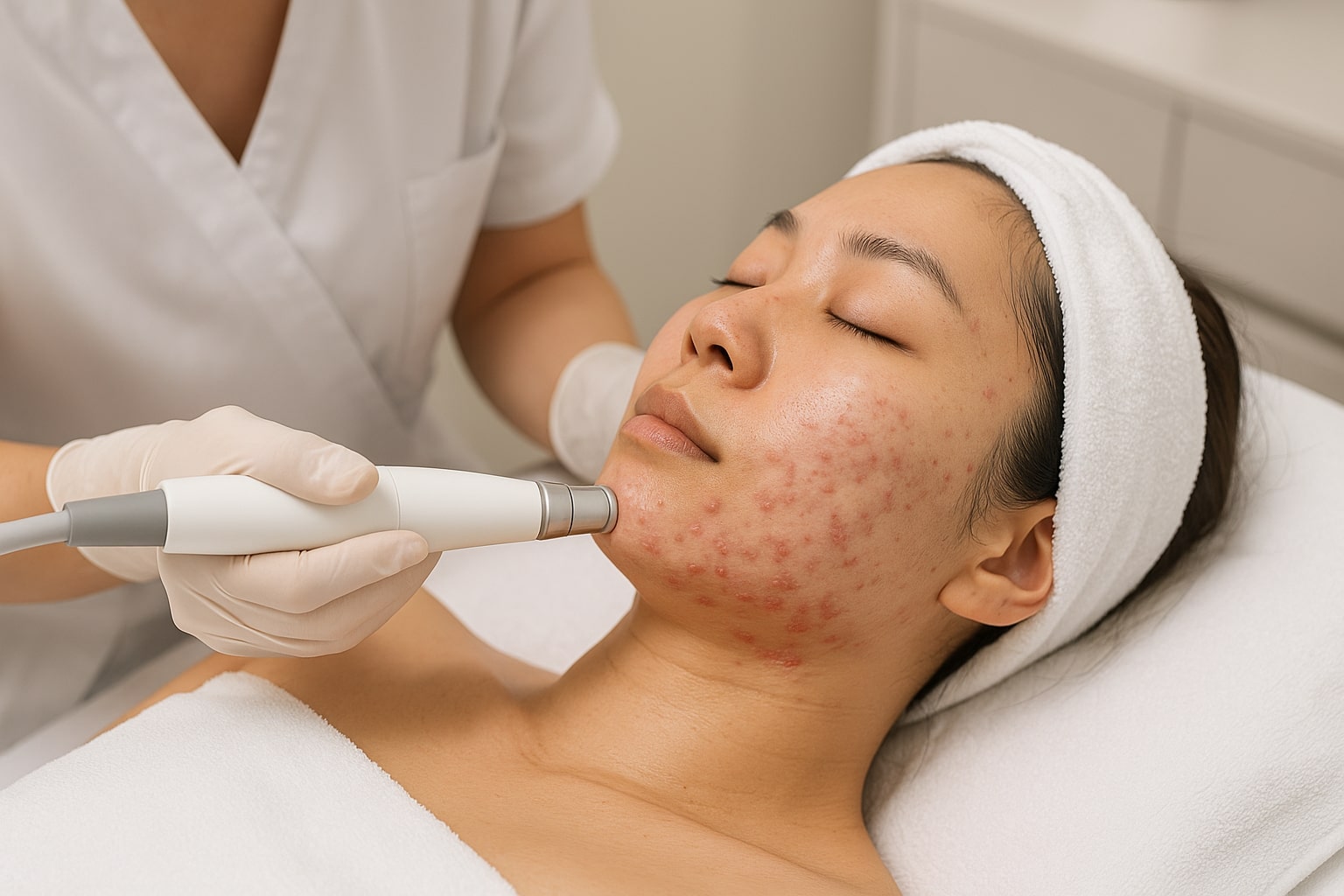
Hormonal acne is a frustrating skin condition that does not always go away after your teenage years. Many adults in their twenties, thirties and even forties continue to deal with breakouts that are deeply rooted in hormonal fluctuations. This type of acne is persistent, often painful and resistant to over-the-counter remedies.
In this article, we explore what hormonal acne is, its symptoms, causes and the most effective ways to treat it based on science-backed dermatology practices. Whether you are struggling with monthly breakouts or ongoing skin issues, this guide can help you take the first step toward clearer skin.
What is Hormonal Acne?
Hormonal acne refers to breakouts triggered by fluctuations in hormones, particularly androgens like testosterone. These hormones increase the size and activity of sebaceous glands, leading to excess oil production, clogged pores and acne. Unlike regular acne, hormonal acne is often cyclical and appears in predictable patterns.
This condition is not limited to adolescence. In fact, adult acne affects nearly half of women in their twenties and more than a third of women in their thirties. It can also affect men, though less commonly in adulthood.
Symptoms of Hormonal Acne
The signs of hormonal acne differ slightly from other types of breakouts. You might notice the following:
- Deep, painful cysts beneath the skin’s surface
- Inflammation and redness around the jawline, chin and lower cheeks
- Recurring breakouts around your menstrual cycle if you are female
- Persistent pimples that do not respond to typical skincare products
- Post-acne marks or scarring, especially if the lesions are large
One key characteristic is location. Hormonal acne most commonly appears on the lower face, including the chin, jawline and neck. This distribution pattern is a clue that hormones are a contributing factor.
Common Causes of Hormonal Acne
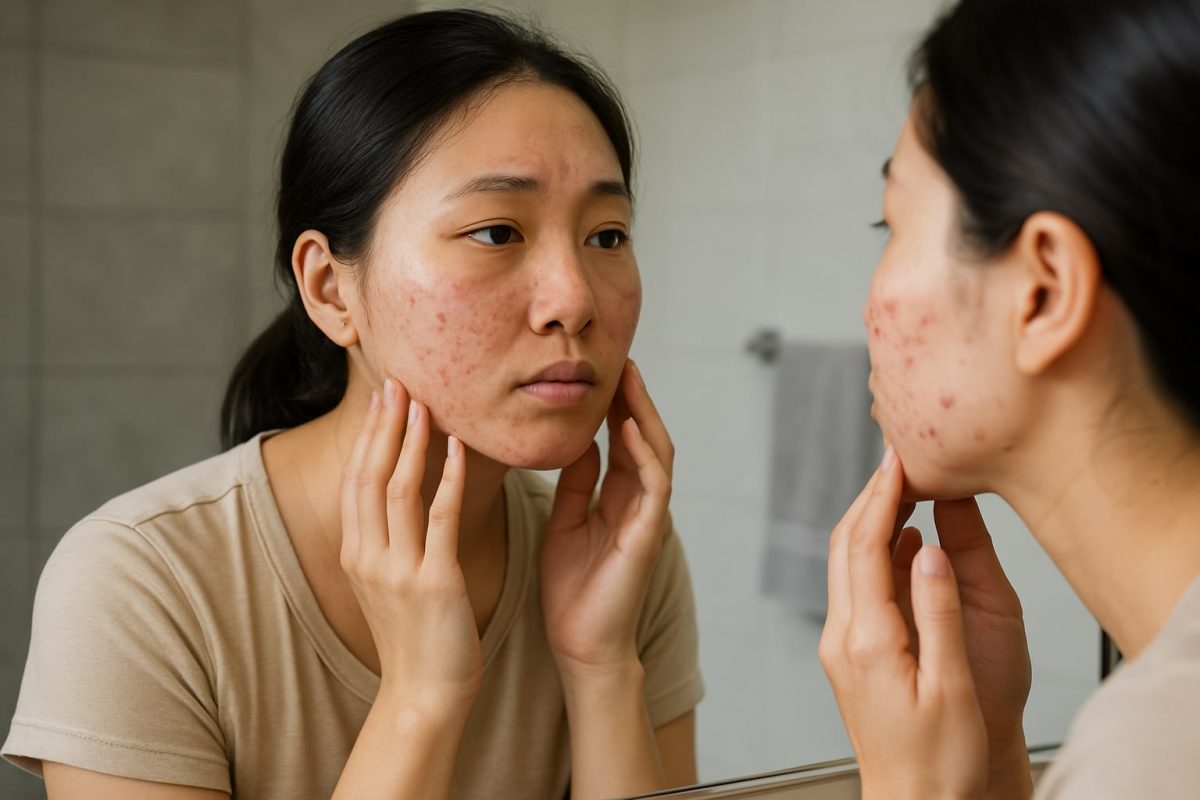
Hormonal acne can be influenced by several internal and external factors, including:
Menstrual Cycle Fluctuations
Estrogen and progesterone levels rise and fall throughout the menstrual cycle. The drop in estrogen just before your period can trigger oil production, leading to breakouts.
Polycystic Ovary Syndrome (PCOS)
Polycystic Ovary Syndrome (PCOS) is a hormonal disorder common among women of reproductive age. It is often associated with acne, irregular periods and excess facial hair due to elevated androgen levels.
Stress
When you are stressed, your body releases cortisol, which can disrupt the hormonal balance and worsen acne. Stress also increases inflammation in the body, which may further aggravate the skin.
Diet and Lifestyle
Diets high in dairy, sugar and processed foods can spike insulin levels and influence hormone production. Sleep quality and exercise also play important roles in regulating hormone levels.
Changes in Birth Control
Hormonal contraceptives can affect sebum production. Starting, stopping or switching birth control pills often leads to hormonal imbalances that may cause acne to flare.
How Hormonal Acne is Diagnosed
Unlike typical acne, hormonal acne may not respond to topical treatments alone. Dermatologists often take a more holistic approach when diagnosing it. This may involve:
- Reviewing your menstrual history or symptoms of PCOS
- Running blood tests to check hormone levels
- Examining the pattern and severity of your breakouts
- Discussing lifestyle factors, such as diet, stress or medications
Early diagnosis is important to prevent long-term scarring and emotional distress, especially for adults experiencing recurring breakouts.
Effective Treatment Options For Hormonal Acne
Treating hormonal acne often requires more than just surface-level skincare. The most effective options address the root cause while managing visible symptoms.
Topical Retinoids
Retinoids help unclog pores and reduce inflammation. Prescription-strength formulas such as tretinoin are especially helpful for mild to moderate hormonal acne.
Ubat Mulut
- Combined oral contraceptives can regulate hormone levels and are FDA-approved for acne treatment in women
- Spironolactone is an anti-androgen medication that reduces oil production and is often prescribed for persistent female acne
- Isotretinoin may be considered for severe cases that do not respond to other treatments
Lifestyle Modifications
- Eat low-glycaemic, anti-inflammatory foods
- Reduce intake of dairy and sugar
- Manage stress through exercise and relaxation
- Maintain a consistent sleep routine
Professional Treatments
While hormonal acne begins internally, certain in-clinic treatments can reduce breakouts, inflammation and scarring. These include:
- Laser therapy, such as Laser Pico and Carbon Laser to reduce acne marks
- Kulit kimia for exfoliation and pigment correction
- Terapi fotodinamik to target oil glands and bacteria
- Oxy facials to hydrate and calm inflamed skin
Combination therapy often delivers the best results by treating both the underlying cause and the external symptoms.
Can You Prevent Hormonal Acne?
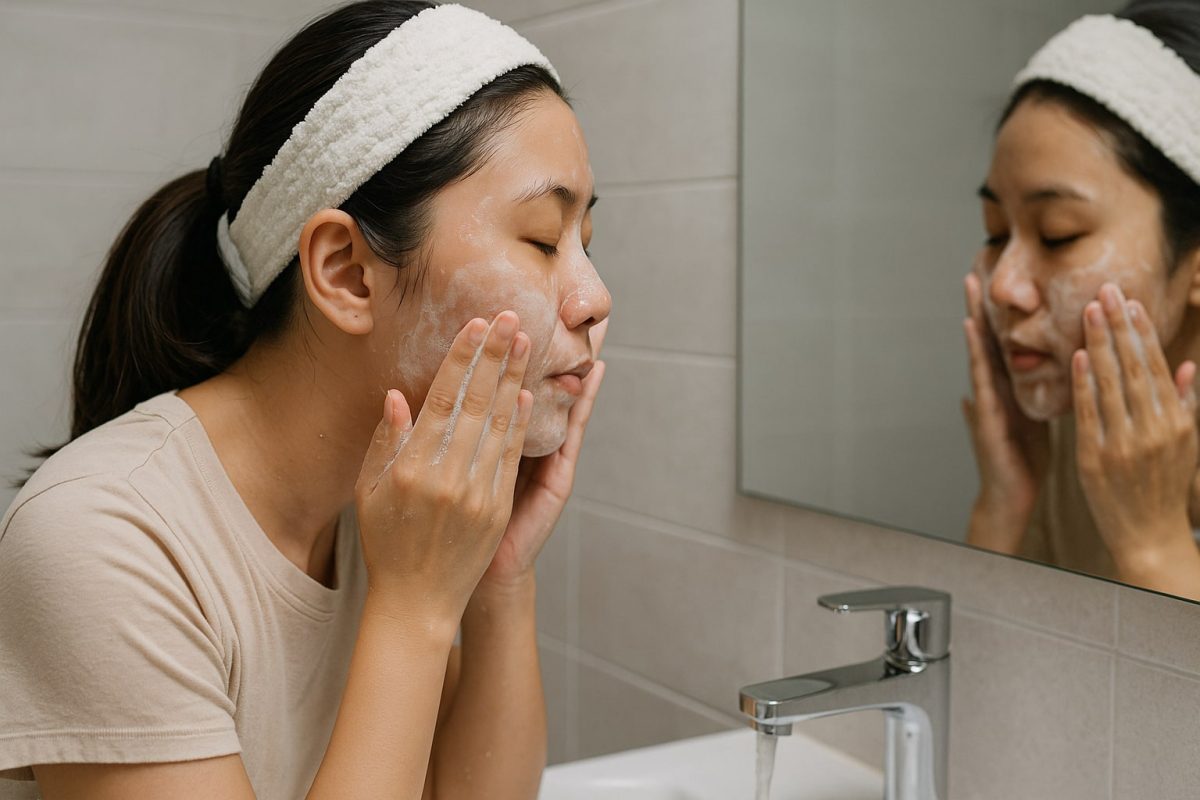
Although it may not always be preventable, there are ways to reduce its severity and frequency:
- Use a gentle, non-comedogenic skincare routine
- Avoid over-washing and harsh exfoliants
- Prioritise rest and stress reduction
- Get regular medical checkups to monitor hormone health
Understanding your body and tracking acne patterns can help you manage flare-ups more effectively.
When To See a Professional
If your acne is painful, deep or not responding to basic treatments, it may be time to consult a doctor. Persistent breakouts can lead to physical and emotional scarring, so early intervention is important.
Take Control of Hormonal Acne with Expert Guidance
Pada Klinik Dr Chong, we understand that hormonal acne can affect your confidence, appearance and quality of life. Our doctors combine personalised care with scientifically backed treatments to help you restore clear, healthy skin.
Our certified aesthetic doctors use medical-grade technology in a safe, professional setting. With locations across Malaysia and a reputation for quality care, Dr Chong Clinic helps thousands of patients rediscover confidence every year.
Book a consultation today to explore targeted treatments that match your skin’s unique needs.
Soalan Lazim
1. How do I know if my acne is hormonal?
Hormonal acne usually affects the lower face and appears in cycles. It tends to be deeper and more resistant to standard treatments.
2. Can men get hormonal acne?
Yes. While it is more common in women, men can also experience hormonal acne due to factors such as stress or testosterone fluctuations.
3. Is hormonal acne curable?
It can be effectively managed with a combination of medication, lifestyle adjustments and professional treatments. Results vary depending on the underlying cause.
4. Are in-clinic treatments necessary for hormonal acne?
For moderate to severe cases, in-clinic treatments can enhance results by reducing inflammation, unclogging pores and improving skin texture.


