

How to Treat Sensitive Skin: A Complete Guide

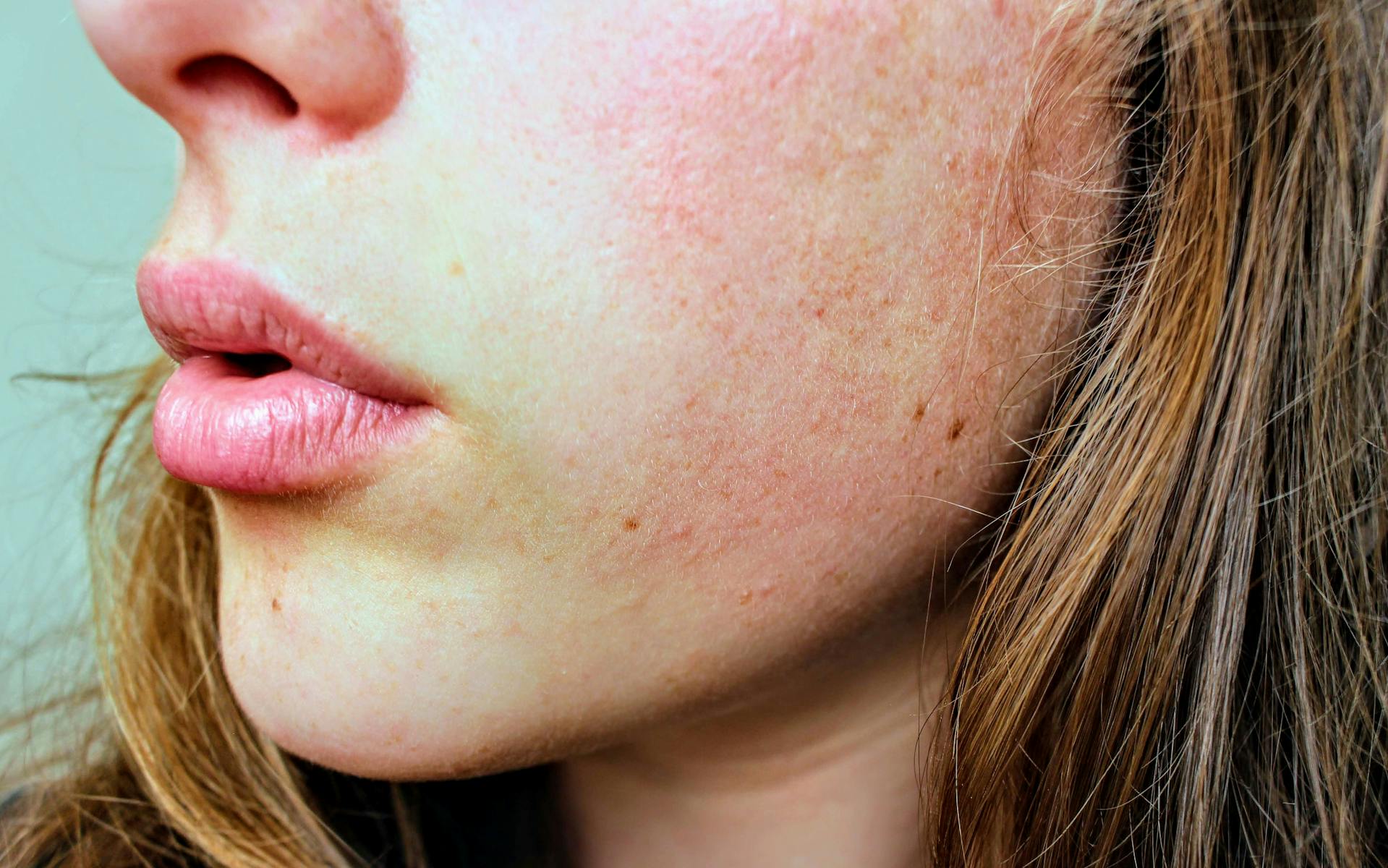
Sensitive skin can be challenging to manage, often reacting to skincare products, environmental changes, and even stress. Symptoms such as redness, itching, burning, and dryness can significantly impact quality of life. Fortunately, with the right approach, sensitive skin can be effectively managed. This guide explores the causes of sensitive skin, effective treatments, and best practices for keeping your skin healthy and calm.
Understanding Sensitive Skin
Sensitive skin is not a medical diagnosis but rather a term used to describe skin that is easily irritated. People with sensitive skin may experience stinging, burning, redness, or tightness after applying products that are otherwise tolerated by others.
Common causes include:
- Compromised Skin Barrier: Damage to the skin’s protective barrier makes it more susceptible to irritants.
- Allergic Reactions: Contact dermatitis can cause sensitive reactions due to allergens in skincare products.
- Environmental Factors: Pollution, wind, temperature changes, and UV exposure can all trigger sensitivity.
- Underlying Conditions: Eczema, rosacea, and psoriasis often present as sensitive skin.
- Genetics: Some individuals are genetically predisposed to have more reactive skin.
Symptoms of Sensitive Skin
Recognising the symptoms of sensitive skin is crucial for proper management. Common symptoms include:
- Redness or flushing
- Dryness and peeling
- Burning or stinging sensations
- Itching or irritation
- Rashes or bumps
Symptoms may be constant or triggered by specific external or internal factors.
How to Treat Sensitive Skin
Managing sensitive skin requires a careful, consistent skincare routine and lifestyle adjustments.
1. Use Gentle Cleansers
Harsh soaps and cleansers can strip away the skin’s natural oils, worsening sensitivity. Choose fragrance-free, sulphate-free, and alcohol-free cleansers formulated specifically for sensitive skin. Micellar water is another excellent option for removing impurities without causing irritation.
Tip: Wash your face with lukewarm water, not hot water, to avoid disrupting the skin barrier.
2. Moisturise Regularly
A strong skin barrier is essential to preventing irritation. Look for moisturisers containing:
- Ceramides: Help restore the skin’s protective barrier.
- Hyaluronic Acid: Provides hydration without clogging pores.
- Glycerin: Attracts moisture to the skin.
Opt for creams over lotions, as they typically provide a thicker barrier against irritants.
3. Choose Hypoallergenic Products
Hypoallergenic products are less likely to cause allergic reactions. Select skincare and cosmetic products that are free from:
- Fragrance
- Dyes
- Parabens
- Harsh preservatives
Always perform a patch test before using a new product by applying a small amount to the inside of your wrist or behind your ear.
4. Incorporate Soothing Ingredients
Certain ingredients can help calm and protect sensitive skin:
- Aloe Vera: Reduces redness and inflammation.
- Niacinamide (Vitamin B3): Strengthens the skin barrier and soothes irritation.
- Colloidal Oatmeal: Provides relief for dry, itchy skin.
- Chamomile Extract: Offers anti-inflammatory benefits.
These ingredients help decrease inflammation and improve overall skin resilience.
5. Apply Sunscreen Daily
UV exposure can exacerbate sensitive skin symptoms. Choose a mineral (physical) sunscreen with zinc oxide or titanium dioxide, as these are less likely to irritate compared to chemical sunscreens. Aim for an SPF of at least 30 and reapply every two hours when outdoors.
Tip: Look for sunscreens labeled “for sensitive skin” to minimise the risk of reactions.
6. Avoid Over-Exfoliation
While gentle exfoliation helps remove dead skin cells, overdoing it can damage the skin barrier. Use a mild exfoliant no more than once a week. Opt for non-abrasive exfoliants, such as low-concentration lactic acid or mandelic acid, instead of harsh scrubs.

Lifestyle Changes to Support Sensitive Skin
In addition to a gentle skincare routine, adopting certain habits can improve sensitive skin health.
1. Maintain a Healthy Diet
Nutrition plays a significant role in skin health. Include foods rich in:
- Antioxidants: Found in berries, leafy greens, and nuts.
- Omega-3 Fatty Acids: Present in fish like salmon and flaxseeds, which reduce inflammation.
- Vitamin E and C: Help protect skin cells from damage.
Avoid excessive intake of alcohol, spicy foods, and processed sugar, which may trigger skin inflammation.
2. Manage Stress
Stress can worsen skin sensitivity by triggering inflammatory responses. Practice relaxation techniques such as:
- Deep breathing exercises
- Meditation
- Yoga
- Regular exercise
Managing stress can improve not only your skin but also your overall well-being.
3. Protect Skin from Extreme Temperatures
Cold, windy weather and hot, humid environments can irritate sensitive skin. Protect your skin by:
- Using a humidifier indoors during dry seasons
- Wearing protective clothing in extreme weather
- Staying hydrated
4. Choose the Right Fabrics
Wear soft, breathable fabrics like cotton. Avoid rough materials such as wool, which can aggravate the skin.
Choosing the Right Sensitive Skin Treatment Plan
Selecting the right treatment for sensitive skin depends on various factors, including skin type, triggers, and lifestyle considerations. A consultation at Klinik Dr Chong ensures that a personalized treatment plan is created, taking into account your skin’s specific needs and sensitivities.
When to See a Dermatologist
If your skin sensitivity persists despite using gentle products and lifestyle adjustments, it may be time to consult a dermatologist. Seek medical advice if you experience:
- Persistent redness and swelling
- Severe itching or burning
- Signs of infection (e.g., oozing, crusting)
- Symptoms that interfere with daily life
A dermatologist can help identify underlying conditions such as eczema or rosacea and provide targeted treatments like prescription creams or oral medications.
Wrapping Up Your Sensitive Skin Journey
Managing sensitive skin requires patience, consistency, and care. By using gentle skincare products, adopting healthy lifestyle habits, and protecting the skin barrier, most individuals can significantly reduce symptoms and improve their skin’s resilience. Always listen to your skin’s needs and consult a dermatologist if irritation persists or worsens.
With the right approach, sensitive skin can be calm, comfortable, and healthy. For expert sensitive skin treatments in Malaysia, visit Klinik Dr Chong, a trusted aesthetic clinic in Malaysia. Book a consultation today to start your journey toward healthier, more resilient skin.


