Blog
Rawatan Melasma di Malaysia

Melasma adalah keadaan kulit biasa yang menyebabkan tompok gelap dan berubah warna muncul pada kulit, terutamanya pada muka. Selalunya dikaitkan dengan pendedahan matahari, perubahan hormon, dan genetik, melasma boleh menjejaskan sesiapa sahaja, tetapi ia lebih biasa di kalangan wanita. Dalam iklim tropika Malaysia, di mana pendedahan UV tinggi sepanjang tahun, melasma menjadi kebimbangan yang meluas.
Artikel ini meneroka punca, gejala, pilihan rawatan dan strategi pencegahan untuk melasma, membantu anda memahami cara terbaik untuk menguruskan keadaan pigmentasi ini.
Apakah Melasma?
Melasma adalah sejenis hiperpigmentasi yang kelihatan sebagai tompok coklat atau kelabu-coklat, biasanya terdapat pada pipi, dahi, batang hidung, bibir atas dan dagu. Ia berlaku apabila melanosit (sel penghasil pigmen) menjadi terlalu aktif, membawa kepada pengeluaran melanin yang berlebihan.
Ciri-ciri utama melasma termasuk:
- Tompok gelap berbentuk tidak teratur
- Penampilan simetri pada kedua-dua belah muka
- Lebih teruk dengan pendedahan matahari atau perubahan hormon
Melasma tidak berbahaya atau berjangkit, tetapi ia boleh meresahkan mereka yang terjejas.
Punca Biasa Melasma
Beberapa faktor menyumbang kepada melasma, termasuk:
- Pendedahan matahari: Sinaran UV merangsang pengeluaran melanin, memburukkan lagi melasma.
- Perubahan hormon: Kehamilan, pil perancang dan terapi hormon boleh mencetuskan melasma (kadangkala dirujuk sebagai "topeng kehamilan").
- Genetik: Sejarah keluarga melasma meningkatkan kemungkinan mengembangkannya.
- Kerengsaan kulit: Produk atau rawatan kosmetik tertentu boleh merengsakan kulit dan mencetuskan pigmentasi.
- Ubat-ubatan: Sesetengah ubat meningkatkan sensitiviti kepada cahaya matahari, menyumbang kepada pembentukan melasma.
Memahami pencetus ini adalah penting untuk kedua-dua rawatan dan pencegahan.
Tanda dan Gejala Melasma
Melasma biasanya muncul sebagai:
- Tompok rata pada kulit yang lebih gelap
- Perubahan warna coklat, kelabu-coklat atau kelabu kebiruan
- Corak simetri pada muka
- Kadang-kadang, penampilan pada leher, lengan bawah, atau kawasan lain yang terdedah kepada matahari
Adalah penting untuk membezakan melasma daripada gangguan pigmentasi lain seperti tompok matahari atau hiperpigmentasi selepas keradangan, kerana pendekatan rawatan mungkin berbeza.
Bagaimana Melasma Diagnosis?
Melasma biasanya didiagnosis secara visual oleh pakar dermatologi atau doktor estetik yang berpengalaman. Dalam sesetengah kes, pemeriksaan Woods Lamp (pemeriksaan cahaya khas) boleh digunakan untuk menentukan kedalaman pigmentasi — sama ada epidermis (paras permukaan), dermis (lapisan lebih dalam) atau campuran.
Diagnosis yang betul memastikan strategi rawatan yang betul dipilih.
Rawatan Melasma Terbaik di Malaysia
Beberapa pilihan rawatan tersedia untuk melasma. Pilihan bergantung pada keterukan, kedalaman pigmentasi, jenis kulit, dan pilihan pesakit.
1. Rawatan Topikal
- Hidrokuinon: Agen pencerah kulit yang mengurangkan pigmentasi.
- Retinoid: Menggalakkan perolehan sel dan penyingkiran pigmen.
- Asid Azelaic: Membantu mencerahkan bintik hitam dengan selamat.
- Asid traneksamat: Mengurangkan pengeluaran melanin dan keradangan.
Rawatan topikal selalunya merupakan barisan pertahanan pertama tetapi mungkin memerlukan penggunaan yang konsisten selama berbulan-bulan.
2. Pengelupasan Kimia
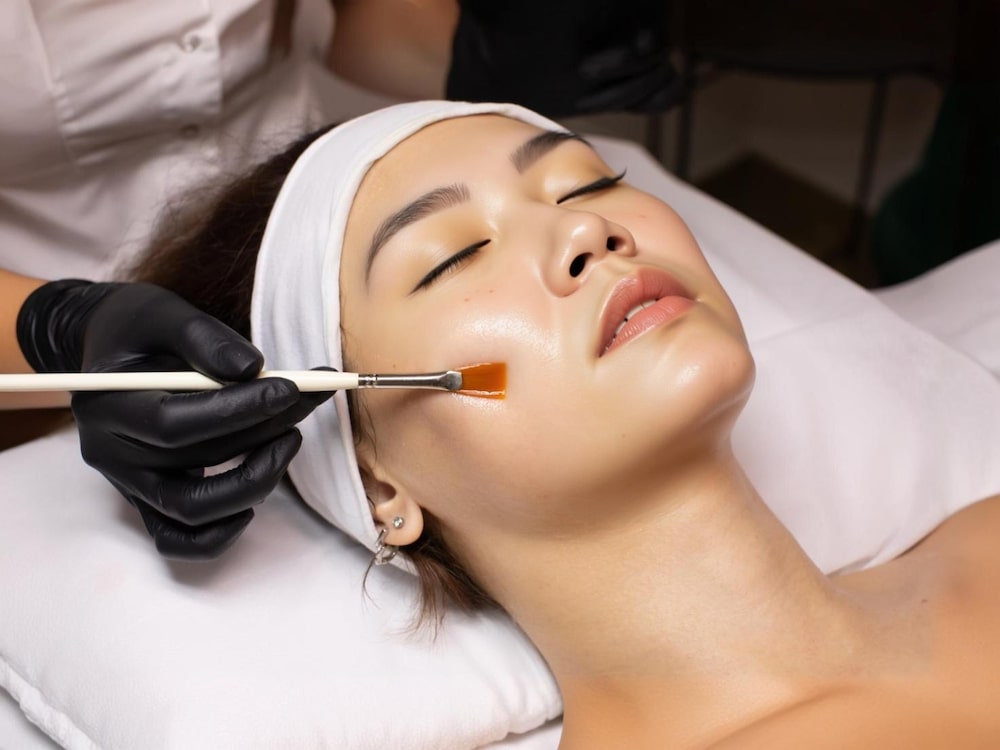
Pengelupasan kimia menggunakan asid glikolik, asid salisilik, atau asid trichloroacetic boleh mengelupas kulit dan mengurangkan melasma paras permukaan. Walau bagaimanapun, melasma dalam mungkin tahan terhadap kulit sahaja.
3. Rawatan Laser
- Laser Pico: Menyampaikan nadi ultra-pendek yang menghancurkan melanin tanpa merosakkan tisu sekeliling. Selamat untuk warna kulit yang lebih gelap dengan masa rehat yang minimum.
- Laser pecahan: Memperbaiki tekstur kulit dan pigmentasi dengan merangsang penghasilan kolagen.
Rawatan laser mesti dipilih dengan teliti, kerana laser yang agresif boleh memburukkan melasma jika tidak dilakukan dengan betul.
4. Ubat Mulut
Asid traneksamik oral telah menunjukkan hasil yang menjanjikan dalam mengurangkan melasma pada sesetengah pesakit. Ia berfungsi dengan menghalang pengeluaran melanin dan mengawal faktor vaskular.
5. Terapi Gabungan
Untuk hasil yang optimum, ramai doktor mengesyorkan menggabungkan rawatan yang berbeza - contohnya, menggunakan krim topikal bersama terapi laser - untuk menangani melasma pada pelbagai peringkat.
6. Gelombang Emas (Microneedle Radiofrequency)
Microneedle radiofrequency (RF), yang dikenali sebagai Golden Wave di Klinik Dr Chong, menggabungkan jarum mikro dengan tenaga RF untuk menyasarkan pigmentasi pada lapisan yang lebih dalam sambil merangsang kolagen. Tindakan dwi ini bukan sahaja membantu meringankan melasma tetapi juga menguatkan penghalang kulit untuk mengelakkan berulang.
Beberapa faedah termasuk:
- Mengurangkan melasma kulit yang degil
- Memperbaiki tekstur dan ketegasan kulit
- Masa henti minimum berbanding laser agresif
- Selamat untuk pelbagai warna kulit, termasuk kulit yang lebih gelap
Rawatan Rumah vs Rawatan Profesional
Sesetengah individu mencuba remedi rumah seperti aloe vera, kunyit, atau cuka sari apel. Walaupun bahan-bahan ini mungkin menawarkan kesan pencerahan ringan, ia tidak mungkin meningkatkan melasma sederhana hingga teruk dengan ketara.
Rawatan profesional menyediakan sasaran, kaedah yang terbukti secara perubatan untuk mengurangkan melasma dengan selamat tanpa menyebabkan kerengsaan kulit lebih lanjut atau pemulihan pigmentasi.
Mencegah Melasma Berulang
Melasma boleh menjadi berterusan, dan walaupun selepas rawatan yang berjaya, kambuh adalah perkara biasa. Strategi pencegahan termasuk:
- Pelindung Matahari Harian: Gunakan pelindung matahari SPF 50 spektrum luas walaupun di dalam rumah.
- Perlindungan Sinaran Matahari: Pakai topi, cermin mata hitam dan pakaian pelindung apabila berada di luar.
- Elakkan Kerengsaan: Pilih produk penjagaan kulit yang lembut bebas daripada bahan kimia atau pewangi yang keras.
- Uruskan Pencetus Hormon: Rujuk pembekal penjagaan kesihatan tentang alternatif kepada ubat berasaskan hormon jika ia memburukkan melasma.
Konsistensi adalah kunci untuk mengekalkan kulit yang bersih dan tona sekata.
Kesimpulan: Mengurus Melasma Dengan Berkesan
Melasma boleh mencabar untuk dirawat, tetapi dengan kombinasi rawatan profesional, penjagaan kulit dan langkah pencegahan yang betul, penambahbaikan yang ketara boleh dilakukan. Intervensi awal dan bimbingan pakar adalah penting untuk mencapai hasil yang berkekalan tanpa merosakkan kulit.
Di Klinik Dr Chong, kami pakar dalam rawatan melasma tersuai disesuaikan dengan jenis kulit dan pigmentasi setiap pesakit kedalaman. Doktor estetik kami menggunakan gabungan laser canggih, pengelupasan kimia dan penjagaan kulit gred perubatan untuk memberikan penyelesaian yang selamat dan berkesan untuk melasma. Dengan lebih 20 klinik di seluruh Malaysia, kami komited untuk membantu anda mendapatkan semula kulit yang lebih cerah dan cerah dengan penjagaan profesional.
Tempah rundingan hari ini dan ambil langkah pertama ke arah kulit yang lebih sihat dan berseri.
Soalan Lazim
1. Bolehkah melasma hilang dengan sendirinya?
Melasma mungkin pudar sedikit dari masa ke masa, terutamanya jika dicetuskan oleh kehamilan. Walau bagaimanapun, ia sering berterusan tanpa rawatan profesional.
2. Adakah rawatan laser selamat untuk melasma?
Ya, apabila dilakukan oleh doktor terlatih menggunakan laser yang sesuai seperti Pico Laser. Laser agresif boleh memburukkan pigmentasi jika tidak digunakan dengan berhati-hati.
3. Berapa banyak sesi yang diperlukan untuk merawat melasma?
Kebanyakan pesakit memerlukan antara 3 hingga 6 sesi, bergantung kepada keparahan dan jenis rawatan.
4. Bolehkah melasma kembali selepas rawatan?
Ya, melasma boleh berulang, terutamanya dengan pendedahan matahari. Rawatan perlindungan matahari dan penyelenggaraan yang konsisten membantu mencegah berulang.
5. Adakah melasma hanya disebabkan oleh matahari?
Tidak, melasma juga boleh dicetuskan oleh perubahan hormon, ubat-ubatan, genetik, dan kerengsaan kulit, selain daripada pendedahan matahari.